
Bringing a real Christmas tree into your home adds warmth, fragrance, and tradition to the holiday season. But one often-overlooked downside is the sticky trail of pine sap it can leave behind—on hardwood floors, carpet edges, baseboards, and even furniture legs. Pine sap is naturally adhesive and resinous, making it stubborn to remove with regular cleaning products. Left untreated, it can harden into a glossy, difficult-to-scrub residue that attracts dust and damages finishes over time.
The good news: with the right approach, pine sap can be safely removed from most surfaces without causing damage. Whether you're dealing with a few droplets or a full-scale sap spill, this guide walks through proven techniques using household items and specialty cleaners. You’ll learn how to identify surface types, choose appropriate solvents, avoid common mistakes, and restore cleanliness without harming wood, laminate, or upholstery.
Understanding Pine Sap and Why It’s So Sticky
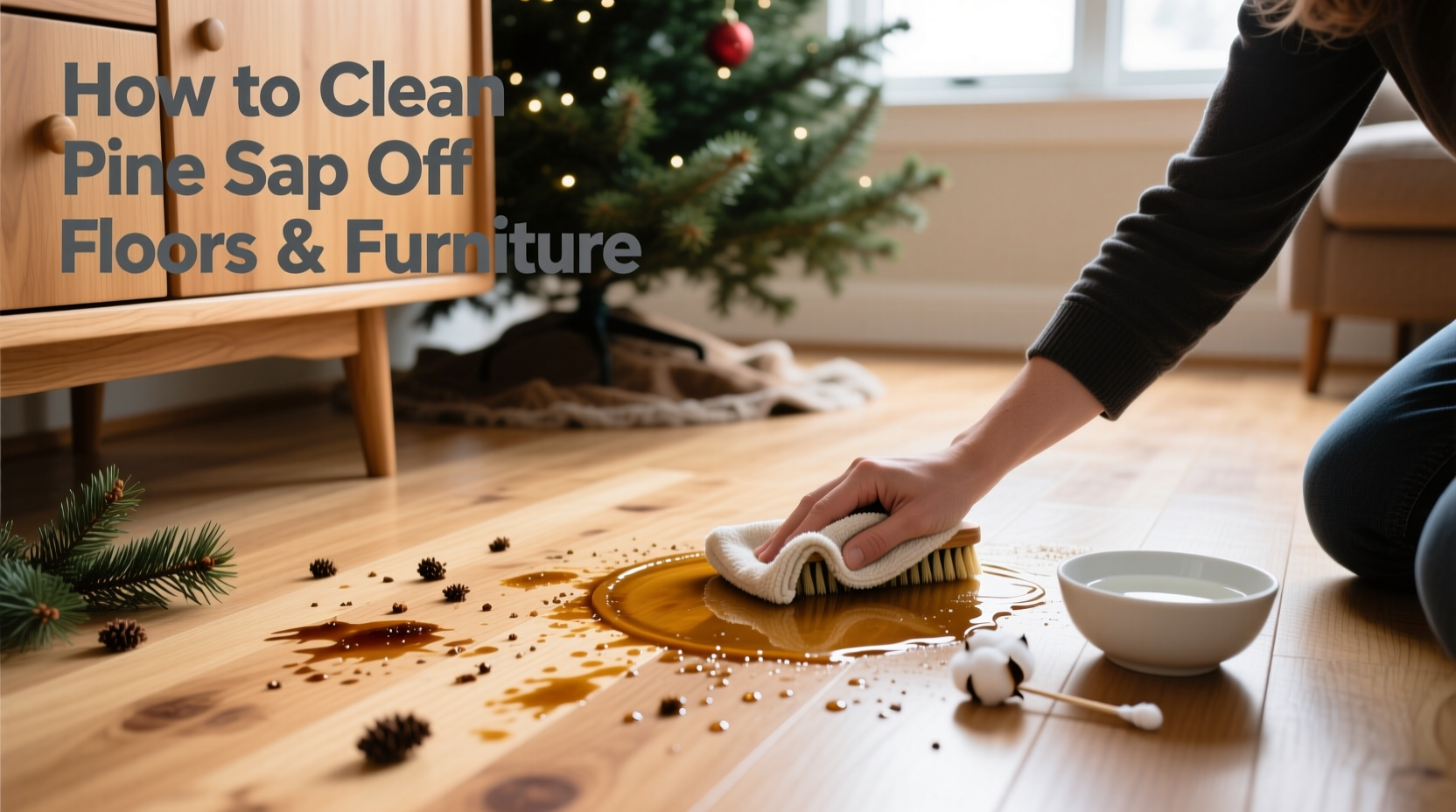
Pine sap is a viscous, amber-colored substance produced by coniferous trees as a protective response to injury. Chemically, it's composed of terpenes and resins that polymerize when exposed to air, forming a tough, water-resistant coating. This natural defense mechanism makes sap excellent at sealing wounds in trees—but equally frustrating on indoor surfaces.
Unlike water-based spills, pine sap does not dissolve in water. Its hydrophobic nature means traditional all-purpose cleaners often just smear it around. Worse, aggressive scrubbing can grind the sap deeper into porous materials like unfinished wood or grout lines. The key to removal lies in breaking down its molecular structure using solvents that soften the resin before wiping it away.
“Pine sap behaves more like rosin than typical dirt—it requires targeted solvents, not abrasives. Misuse of harsh chemicals can strip floor finishes or discolor fabric.” — Dr. Lena Pruitt, Environmental Chemist & Home Materials Specialist
Step-by-Step Guide to Removing Pine Sap from Different Surfaces
Effective sap removal starts with identifying the affected surface. Each material reacts differently to solvents and mechanical action. Follow this timeline-based process for optimal results:
- Assess and Isolate: Identify the type of surface (hardwood, laminate, tile, fabric) and test any cleaner on a hidden area first.
- Cool and Harden: For fresh, sticky sap, place an ice pack over it for 5–10 minutes to harden it slightly—this reduces smearing during scraping.
- Gently Scrape: Use a plastic scraper, credit card edge, or blunt butter knife to lift off bulk residue. Never use metal tools on finished floors.
- Apply Solvent: Choose an appropriate solvent based on surface compatibility (see table below).
- Blot and Clean: Work the solvent in small circular motions with a microfiber cloth. Avoid soaking the surface.
- Rinse Residue: Wipe with a damp cloth to remove leftover solvent, then dry immediately.
- Restore Finish: On wood floors, apply manufacturer-recommended polish if finish appears dull after cleaning.
Hardwood and Engineered Wood Floors
Hardwood is particularly vulnerable to chemical damage due to its porous grain and urethane or oil-based finishes. Aggressive solvents like acetone or paint thinner can cloud or etch the surface.
Start by chilling the sap with ice. Once hardened, gently scrape upward with a plastic tool. Then, dampen a lint-free cloth with rubbing alcohol (isopropyl alcohol, 70%) and dab—not rub—the remaining film. Alcohol breaks down terpenes without harming most modern sealants. After 30 seconds, wipe clean with a slightly damp towel and dry thoroughly.
If alcohol fails, try a paste made from equal parts baking soda and olive oil. Apply sparingly, let sit for 5 minutes, then buff gently. This mild abrasive helps lift embedded sap while conditioning the wood. Rinse afterward with a vinegar-water mix (1:4 ratio) to neutralize oils.
Laminate, Vinyl, and Tile Flooring
These non-porous surfaces tolerate stronger treatments but still require caution near seams and grout lines. Begin with ice and scraping as above. Then use a citrus-based degreaser (like Goo Gone or a homemade lemon juice + baking soda paste). Spray or apply directly, wait 2–3 minutes, then wipe with a soft cloth.
For set-in sap in grout, use an old toothbrush dipped in warm soapy water. Avoid bleach-based cleaners—they may discolor grout further. Finish by mopping the entire area to remove residual oils.
Furniture Legs and Wooden Baseboards
Furniture often picks up sap where tree branches lean against it. Since these are vertical surfaces, gravity helps less with runoff, meaning sap may penetrate stains faster.
Use the same alcohol method as for hardwood floors. Wrap the stained area with a cloth soaked in rubbing alcohol and cover with plastic wrap for 10 minutes. This creates a mini steam effect that loosens the bond. Remove and wipe gently. Repeat if necessary. For painted baseboards, test mineral spirits on a discreet corner first; some paints react poorly.
Carpet and Rugs
Sap on carpet is especially tricky because pulling it can yank fibers. Do not tug at hardened clumps. Instead, place a brown paper bag or folded paper towel over the spot and press with a warm iron (no steam) for 5–10 seconds. The heat will melt the sap, which transfers into the paper. Replace the paper and repeat until no more transfer occurs.
Afterward, treat any greasy ring with dish soap (e.g., Dawn) diluted in warm water. Blot—don’t rub—and rinse with cold water. Use a fan to speed drying and prevent mold.
Do’s and Don’ts: Surface-Safe Cleaning Comparison
| Surface | Recommended Methods | Avoid |
|---|---|---|
| Hardwood Floors | Ice + plastic scraper, rubbing alcohol, baking soda-oil paste | Acetone, ammonia, excessive water, steel wool |
| Laminate/Vinyl | Citrus degreasers, isopropyl alcohol, warm soapy water | Bleach, abrasive pads, hot steam mops |
| Ceramic/Stone Tile | Rubbing alcohol, commercial adhesive removers (tested) | Vinegar on marble or limestone, undiluted solvents |
| Upholstered Furniture | Iron-and-paper method, dry-cleaning solvent (test first) | Water immersion, vigorous scrubbing |
| Painted Wood (baseboards) | Mineral spirits (spot-tested), denatured alcohol | Paint thinner, nail polish remover with dyes |
Real Example: A Family’s Post-Tree Cleanup Success
The Reynolds family in Vermont brings in a 7-foot balsam fir every December. Last year, they noticed thick droplets of sap oozing onto their white oak floor within two days of setup. By week three, several furniture legs were also coated.
They initially tried wiping with window cleaner, which only spread the sap into streaks. Frustrated, they consulted a local flooring technician who advised them to stop using multipurpose sprays immediately. Following his guidance, they used ice packs to firm the sap, scraped carefully with a gift card, then applied isopropyl alcohol with cotton rounds.
After two rounds of treatment over 48 hours, the floor was restored without scratches or finish loss. They now place a vinyl-backed mat under their tree stand each year and check daily for new seepage—catching issues early before they become major problems.
Checklist: Post-Tree Sap Cleanup Preparation
- ✅ Identify all affected surfaces (floor type, furniture material)
- ✅ Gather supplies: ice pack, plastic scraper, microfiber cloths, rubbing alcohol, citrus cleaner, paper towels
- ✅ Test any solvent on a hidden spot first
- ✅ Protect surrounding areas with drop cloths or tape
- ✅ Ventilate the room—solvents release fumes
- ✅ Set aside 30–60 minutes per heavily affected zone
- ✅ Have a backup plan (e.g., professional cleaner contact) if DIY fails
FAQ: Common Questions About Pine Sap Removal
Can I use hand sanitizer to remove pine sap?
Yes—with caveats. Most hand sanitizers contain 60–70% alcohol, making them surprisingly effective for small sap spots. Dab directly onto the residue, wait a minute, then wipe. However, avoid formulations with added moisturizers or dyes, as these can leave secondary stains. Use only on non-porous surfaces.
Will vinegar remove pine sap?
Not effectively. While vinegar cuts grease and disinfects, it lacks the solvent strength to break down pine resin. In fact, on stone or waxed wood, vinegar can cause etching or finish damage. Reserve vinegar for final rinsing only, and never use it undiluted.
What if the sap has been there for weeks?
Dried sap is harder but not impossible. Reapply the ice-and-scrape method first. Then extend solvent dwell time: cover the area with a damp cloth soaked in alcohol and let it sit for 15–20 minutes under plastic wrap. This slow penetration softens aged resin. Repeat once daily for up to three days if needed.
Expert Tips for Prevention and Long-Term Care
Prevention is far easier than cleanup. When selecting a tree, shake it vigorously at the lot to dislodge loose sap and needles. Once home, allow it to acclimate outside for a few hours before bringing it indoors—this slows active resin flow.
Always use a sturdy tree stand with a wide drip tray. Line the tray with aluminum foil or a silicone mat for easy removal of collected sap. Check the base every other day and wipe any emerging droplets with an alcohol-dampened swab before they harden.
“The best defense against sap damage is vigilance. Inspect your tree stand and floor interface daily during the first week—it’s when most seepage occurs.” — Mark Tran, Certified Arborist & Holiday Tree Consultant
For homes with radiant heating or forced-air systems, keep humidity levels between 40–50%. Overly dry air accelerates needle drop and increases sap leakage. A simple hygrometer and cool-mist humidifier can make a noticeable difference.
Conclusion: Keep Your Home Beautiful Through the Holidays
A real Christmas tree brings unmatched charm, but it comes with responsibilities beyond watering and light-checking. Pine sap is an inevitable byproduct—one that demands prompt, informed action to protect your floors and furniture. With the right tools, techniques, and preventive habits, you can enjoy the beauty of a live tree without the lasting mess.
Start today by preparing your cleanup kit and placing protective barriers under your tree. If sap has already struck, don’t panic—follow the steps outlined here, prioritize gentle solvents, and always test first. Most residues yield to patient, methodical care.




 浙公网安备
33010002000092号
浙公网安备
33010002000092号 浙B2-20120091-4
Comments
No comments yet. Why don't you start the discussion?