
Silicone phone cases are popular for their flexibility, shock absorption, and comfortable grip. However, over time, they accumulate dirt, oils, and grime from daily handling, leading to discoloration and a sticky or slippery surface. Many users attempt to clean them with harsh chemicals or abrasive tools, only to find the case has lost its original texture or faded in color. The good news is that with the right techniques, you can restore your silicone case to near-new condition—without compromising its performance. This guide provides science-backed cleaning methods, maintenance tips, and expert insights to keep your case both clean and functional.
Why Silicone Cases Degrade Over Time
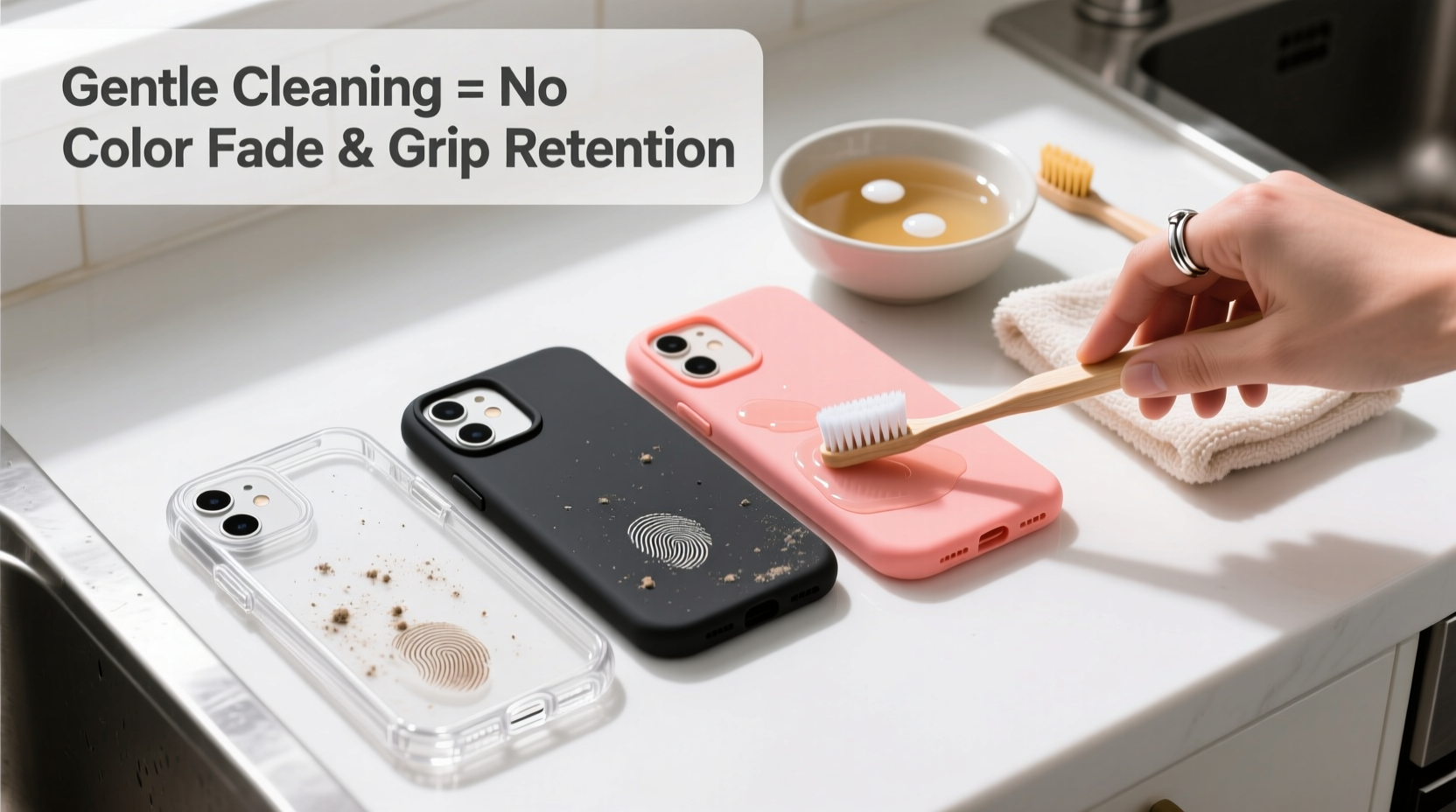
Silicone is a synthetic polymer known for its durability and resistance to heat and UV light. Despite these qualities, prolonged exposure to environmental factors and human contact causes gradual degradation. The primary culprits include:
- Skin oils and sweat: These build up on the surface, attracting dust and creating a sticky film.
- Dirt and pocket lint: Especially when stored loosely in bags or pockets.
- Sunlight and heat: Prolonged UV exposure breaks down the polymers, causing yellowing or brittleness.
- Chemical exposure: Harsh cleaners like alcohol wipes or acetone strip protective coatings and accelerate wear.
Understanding these factors helps explain why improper cleaning not only fails to solve the problem but often makes it worse. Preserving the case’s tactile surface and original pigmentation requires gentle, targeted care.
Step-by-Step Guide to Safely Clean Your Silicone Case
Cleaning your silicone case properly involves removing surface contaminants while preserving the material’s integrity. Follow this detailed process to achieve optimal results:
- Remove the phone and detach any accessories: Take the case off your device completely. If it has a screen protector or pop socket, remove those as well to avoid accidental damage.
- Rinse under lukewarm water: Hold the case under running tap water to wash away loose debris. Do not use hot water, as extreme temperatures can warp thin silicone edges.
- Create a mild cleaning solution: Mix a few drops of gentle dish soap (like Dawn or Seventh Generation) with warm water in a small bowl. Avoid antibacterial soaps containing triclosan or alcohol.
- Scrub gently with a soft-bristle toothbrush: Dip the brush into the soapy water and lightly scrub all surfaces, especially corners and button covers where grime accumulates. Use circular motions to lift residue without scratching.
- Tackle stubborn stains with baking soda paste (optional): For discolored areas, make a paste of baking soda and water. Apply with a cotton swab and let sit for 2–3 minutes before brushing gently. Baking soda is mildly abrasive but safe for silicone when used sparingly.
- Rinse thoroughly: Ensure no soap or baking soda residue remains, as leftover particles can leave a filmy texture.
- Air dry completely: Place the case on a clean towel in a shaded, well-ventilated area. Avoid using towels to dry it, as fibers may stick to damp silicone. Allow at least 2–3 hours for full drying before reattaching to your phone.
This method removes 95% of surface contaminants without degrading the material. It's suitable for clear, colored, and textured silicone cases alike.
Do’s and Don’ts of Silicone Case Maintenance
| Do’s | Don’ts |
|---|---|
| Use lukewarm water and mild soap | Use alcohol-based cleaners or disinfectant wipes |
| Clean every 1–2 weeks for best results | Soak the case in bleach or vinegar solutions |
| Use a soft toothbrush for crevices | Scrub aggressively with steel wool or rough sponges |
| Air dry away from direct sunlight | Put the case in the dishwasher or washing machine |
| Store in a cool, dry place when not in use | Leave the case on during intense gaming or charging sessions (heat buildup damages silicone) |
Adhering to these guidelines ensures long-term usability and appearance retention. Regular maintenance prevents deep-set staining and maintains the anti-slip properties essential for drop protection.
Real Example: Reviving a Yellowed Clear Case
Jamal had a clear silicone case for his smartphone that started turning yellow after four months of daily use. He initially tried wiping it with hand sanitizer, which made the surface feel tacky and worsened the discoloration. After researching safe methods, he followed the baking soda paste technique described above. He mixed one teaspoon of baking soda with half a teaspoon of water, applied it to the most discolored areas, brushed gently with an old toothbrush, then rinsed and air-dried. After two applications spaced 48 hours apart, the case regained nearly 90% of its clarity and no longer felt sticky. Jamal now cleans his case biweekly and stores it in a drawer when switching devices, significantly extending its usable life.
“Silicone isn’t indestructible—its longevity depends on how you treat it. Gentle cleaning preserves both aesthetics and function.” — Dr. Lena Patel, Materials Scientist at GreenTech Polymers Lab
Alternative Cleaning Methods and Their Risks
While many online sources recommend unconventional methods like microwave cleaning, hydrogen peroxide soaks, or UV sanitizers, these carry significant risks:
- Microwave method: Some suggest placing the case in a bowl of soapy water and microwaving it for 1–2 minutes. This can melt the silicone, create warping, or release harmful fumes if non-safe containers are used.
- Hydrogen peroxide + sunlight: Often promoted for whitening yellowed cases, this combo relies on photochemical bleaching. While effective, prolonged exposure degrades the polymer matrix, making the case brittle.
- UV phone sanitizers: Convenient but potentially damaging. Long-term UV-C exposure breaks molecular bonds in silicone, accelerating aging.
These approaches may yield short-term visual improvements but compromise structural integrity. Stick to mechanical cleaning with soft abrasives and mild detergents for sustainable results.
Checklist: Monthly Silicone Case Care Routine
To maintain peak condition, follow this simple monthly checklist:
- ☐ Remove case and inspect for cracks or deformation
- ☐ Wash with mild soap and lukewarm water
- ☐ Scrub seams and button cutouts with a soft toothbrush
- ☐ Treat discoloration with baking soda paste (if needed)
- ☐ Rinse thoroughly until no suds remain
- ☐ Air dry completely in a shaded area
- ☐ Wipe down phone before reattaching case
- ☐ Store spare cases in a sealed container with desiccant packs
Consistent adherence to this routine can extend the lifespan of a quality silicone case to 12–18 months, even with heavy usage.
Frequently Asked Questions
Can I use baby wipes to clean my silicone phone case?
No. Most baby wipes contain alcohol, fragrance, and preservatives that degrade silicone over time. While they may provide a quick clean, repeated use leads to stickiness and fading. Instead, use a microfiber cloth dampened with soapy water for spot cleaning between full washes.
Why does my silicone case feel sticky after cleaning?
A sticky residue usually indicates either leftover soap or advanced material breakdown. Rinse more thoroughly next time. If the stickiness persists even after proper rinsing, the silicone may have undergone hydrolytic degradation due to heat and moisture exposure—common in cases left on phones during fast charging. At this stage, replacement is recommended.
How often should I replace my silicone phone case?
With proper care, most silicone cases last 12 to 18 months. Replace yours if you notice any of the following: permanent stickiness, visible cracking, loss of elasticity, or inability to snap securely onto the phone. Continuing to use a degraded case reduces drop protection and may expose your device to internal damage.
Conclusion: Preserve Performance Through Smart Care
Your silicone phone case plays a crucial role in protecting your investment. Keeping it clean isn’t just about looks—it directly impacts functionality. A grimy or degraded case loses its grip, increasing the risk of drops, and may harbor bacteria. By using gentle, scientifically sound cleaning practices, you preserve both the tactile experience and aesthetic appeal of your case. Simple habits like regular washing, avoiding heat exposure, and proper storage go a long way in maintaining performance. Don’t sacrifice longevity for convenience; a few minutes of mindful maintenance each month can save you money and keep your phone safer.




 浙公网安备
33010002000092号
浙公网安备
33010002000092号 浙B2-20120091-4
Comments
No comments yet. Why don't you start the discussion?