
Matt finish phone cases are prized for their sleek, modern look and soft-touch feel. Unlike glossy counterparts, they resist fingerprints and glare, making them a favorite among professionals and style-conscious users alike. However, their very design makes them prone to accumulating smudges, oils, and stubborn marks that seem to cling to the surface. The challenge lies in removing these blemishes without dulling the finish or altering the case’s tactile quality. Many people reach for alcohol wipes or abrasive cloths only to discover that their once-subtle matte surface has turned shiny, sticky, or uneven. This guide provides a comprehensive, damage-free approach to cleaning matte phone cases—preserving both appearance and integrity.
Understanding Matte Case Materials and Why They Smudge
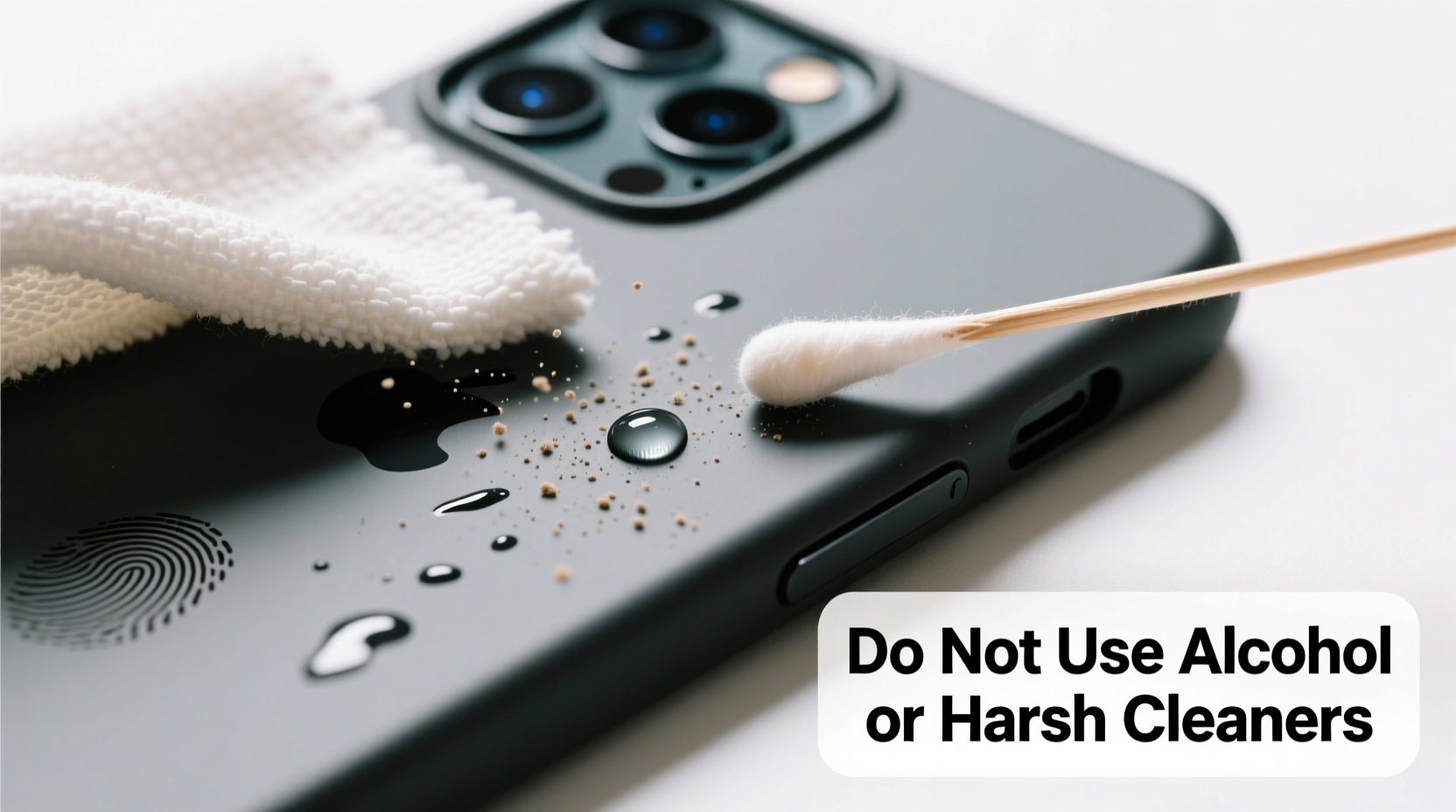
Matt phone cases are typically made from one of three materials: thermoplastic polyurethane (TPU), polycarbonate with a matte coating, or silicone treated with a soft-touch finish. What gives them their velvety, non-reflective surface is a specialized coating applied during manufacturing. This coating scatters light rather than reflecting it, reducing shine and enhancing grip. However, this same layer is vulnerable to degradation when exposed to harsh chemicals, friction, or improper cleaning techniques.
The primary cause of smudging is skin oil. Every time you handle your phone, sebum from your fingers transfers onto the case. Over time, this builds up into greasy patches, especially along the sides and back where hands naturally rest. Environmental dust, makeup residue, and hand lotions also contribute to discoloration and streaks. Unlike glossy surfaces, which repel some contaminants, matte finishes tend to absorb and trap particles within their micro-textured surface, making stains appear more pronounced.
“Matte coatings are engineered for aesthetics and comfort, not durability. Cleaning them requires precision—not power.” — Dr. Lena Patel, Materials Scientist at TechGuard Labs
Step-by-Step Guide: Safe Cleaning Without Texture Damage
Cleaning a matte phone case doesn’t require special products or expensive tools. With the right sequence and gentle materials, you can restore its original appearance without compromising the finish. Follow this detailed process:
- Remove the Phone: Always detach your device before cleaning. This prevents moisture or cleaning agents from entering ports or damaging internal components.
- Dry Dusting First: Use a dry microfiber cloth to gently wipe away loose dust and surface debris. Avoid paper towels or rough fabrics, as even minor abrasion can scratch the matte layer over time.
- Prepare a Mild Cleaning Solution: Mix one drop of mild dish soap (like Dawn) with one cup of lukewarm water. Do not use soaps with moisturizers, degreasers, or citrus additives—they can strip the coating.
- Dampen, Don’t Soak: Dip a corner of a soft microfiber cloth into the solution and wring it out thoroughly. The cloth should be barely damp—excess moisture can seep into seams and cause warping or mold.
- Wipe in Gentle Motions: Clean the case using light, circular strokes. Focus on areas with visible smudges but avoid pressing hard. Let the cleaning solution do the work.
- Rinse Residue (Optional): For heavily soiled cases, lightly dampen a second clean cloth with plain water and go over the surface to remove any soap film.
- Air Dry Completely: Place the case on a lint-free towel in a well-ventilated area. Never use a hairdryer or place it in direct sunlight—heat accelerates coating breakdown.
- Final Buffing: Once fully dry, use a dry microfiber cloth to gently buff the surface. This helps realign the texture and restore uniformity.
Do’s and Don’ts: Protecting the Matte Finish
To maintain your case’s appearance long-term, follow these best practices. A single misuse of cleaner can permanently alter the texture, so caution is essential.
| Do’s | Don’ts |
|---|---|
| Use a microfiber cloth with minimal pressure | Use paper towels, tissues, or rough sponges |
| Clean weekly to prevent buildup | Wait until the case looks dirty or sticky |
| Apply only pH-neutral cleaners | Use alcohol-based wipes (even 70% is risky) |
| Store the phone in a clean pocket or bag | Leave it in dusty or oily environments |
| Replace the case every 6–12 months with regular use | Continue using a case that’s visibly worn or peeling |
Real Example: Recovering a Neglected Matte Case
Jamal, a graphic designer in Portland, used his black matte TPU case daily for nearly nine months. He often cleaned it with disinfectant wipes after commuting, not realizing the alcohol was degrading the finish. Over time, the lower half developed a patchy, glossy sheen, and greasy fingerprints were constantly visible. After reading about coating sensitivity, he stopped using wipes and followed the gentle soap method outlined above. After two careful cleanings spaced a week apart, the smudges faded significantly. While the glossiness didn’t fully reverse—damage from prior cleaning was permanent—the case regained a more uniform appearance. Jamal now cleans it weekly with a damp microfiber cloth and reports that it looks “respectable again.” His experience underscores the importance of prevention: once the matte layer is compromised, restoration is limited.
Alternative Cleaning Methods and Their Risks
While many home remedies circulate online, few are safe for matte finishes. Here's an assessment of common alternatives:
- Baby Wipes: Often contain citric acid and alcohol. Though gentle on skin, they degrade matte coatings over time. Not recommended.
- Vinegar Solution (1:1 with water): Too acidic. Can etch the surface and create cloudy spots. Avoid.
- Makeup Remover Wipes: Typically contain solvents like isopropyl alcohol or acetone. These dissolve the matte layer quickly. High risk.
- Nail Polish Remover (non-acetone): Still contains ethyl acetate, which may weaken adhesion of the finish. Not worth the risk.
- Screen Cleaning Sprays: Designed for glass, not plastics. Some leave residues that attract more dust. Use only if labeled safe for plastics—and even then, test first.
The safest alternative to soap and water is distilled water alone. It removes light smudges without chemical exposure. For persistent grime, a tiny amount of isopropyl alcohol (below 30%) can be used sparingly on a cotton swab—but only as a last resort and never across large areas.
Prevention: Reducing Smudges Before They Start
The best way to preserve a matte case is to minimize contamination. Simple behavioral adjustments can dramatically extend its life:
- Wash Hands Regularly: Especially after applying lotion, cooking, or exercising. Cleaner hands mean less transfer.
- Avoid Pocket Storage with Keys or Coins: These scratch the surface and create micro-abrasions where oils accumulate.
- Use a Screen Protector: Prevents front-side oils from migrating to the case when the phone is placed face-down.
- Carry in a Pouch: When not in use, a soft fabric sleeve adds a protective barrier against environmental grime.
Additionally, consider rotating between two matte cases. Alternating weekly allows each case to “rest,” giving absorbed oils time to dissipate and reducing the need for frequent deep cleaning.
Frequently Asked Questions
Can I put my matte phone case in the dishwasher?
No. Dishwashers expose the case to high heat, strong detergents, and mechanical agitation—all of which destroy matte finishes. Even “gentle” cycles are too harsh. Hand cleaning is the only safe method.
Why does my matte case feel sticky after cleaning?
Stickness usually indicates residue from soap, lotion, or a degraded coating. If soap residue is the culprit, rinse with distilled water and dry thoroughly. If the stickiness persists, the coating may be breaking down due to prior exposure to alcohol or UV light, and replacement is advisable.
How often should I clean my matte phone case?
Light wiping with a dry microfiber cloth should be done 2–3 times per week. A full cleaning with mild soap is recommended every 2–3 weeks for average use, or weekly for heavy usage or oily environments.
Expert Checklist: Maintaining Your Matte Case
Follow this concise checklist to keep your matte phone case looking fresh and functional:
- ✅ Remove phone before cleaning
- ✅ Use only microfiber cloths (never paper or rough fabric)
- ✅ Clean with mild soap and water—no alcohol or vinegar
- ✅ Dry completely before reattaching phone
- ✅ Inspect monthly for signs of wear or glossiness
- ✅ Replace case if texture becomes uneven or sticky
- ✅ Store phone in a clean, dry environment when not in use
Conclusion: Care That Preserves Both Form and Function
A matte phone case enhances both the look and usability of your device, but its elegance comes with maintenance responsibilities. Smudges are inevitable with daily handling, but they don’t have to mean degradation. By understanding the delicate nature of the matte coating and adopting a gentle, consistent cleaning routine, you can keep your case looking pristine for months. Avoid the temptation to use quick-fix wipes or strong cleaners—they sacrifice longevity for convenience. Instead, invest a few minutes each week in proper care. Your case will reward you with lasting texture, color, and performance.




 浙公网安备
33010002000092号
浙公网安备
33010002000092号 浙B2-20120091-4
Comments
No comments yet. Why don't you start the discussion?