
White canvas shoes are a timeless wardrobe staple—versatile, breathable, and effortlessly stylish. But their bright color makes them prone to scuffs, dirt, and yellowing over time. While many turn to commercial cleaners or bleach, these can damage fabric fibers or leave harsh chemical residues. A simpler, safer solution lies in two common kitchen staples: baking soda and vinegar.
This natural cleaning method is not only cost-effective and environmentally friendly but also remarkably powerful at lifting stains, neutralizing odors, and restoring whiteness. With no need for specialized tools or expensive products, you can revive your favorite sneakers using ingredients already in your pantry.
The Science Behind Baking Soda and Vinegar
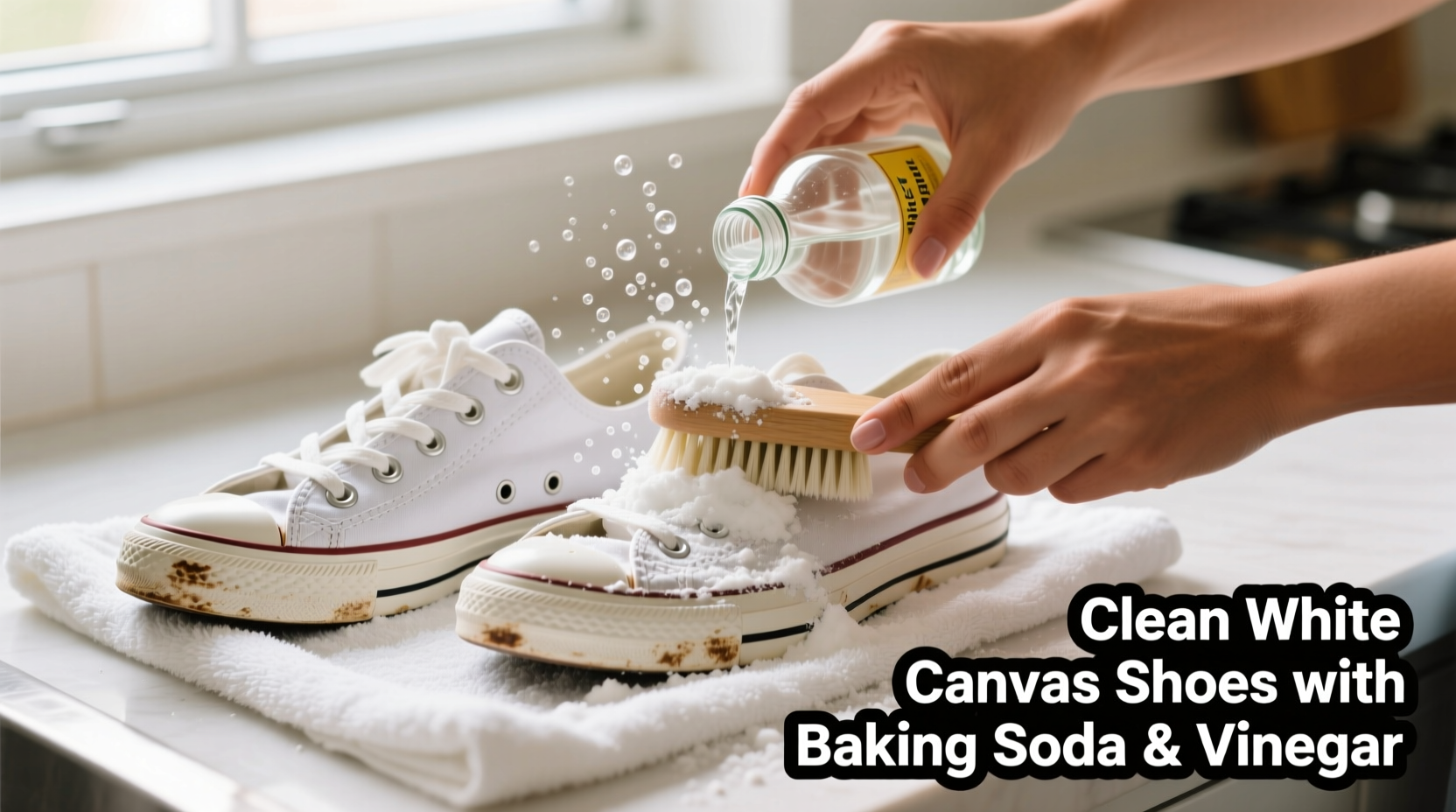
Baking soda (sodium bicarbonate) is a mild alkali that works as a gentle abrasive and deodorizer. When applied to fabric, it lifts surface grime and absorbs trapped odors without scratching or weakening the material. Its slightly gritty texture helps scrub away dirt when combined with moisture.
Vinegar—specifically white distilled vinegar—is acidic, making it excellent at dissolving mineral deposits, breaking down organic stains, and cutting through grease. When mixed with water, it acts as a natural disinfectant and brightener, helping to remove discoloration from sweat, mud, or environmental exposure.
While combining baking soda and vinegar creates a fizzing reaction due to the release of carbon dioxide, this effervescence has limited cleaning power on fabrics. For best results, use them **sequentially**, not simultaneously. First, apply vinegar to loosen embedded soil, then follow with a baking soda paste to scrub and lift residue.
“Natural cleaning agents like baking soda and vinegar are ideal for delicate textiles like canvas because they clean effectively without compromising fiber integrity.” — Dr. Lena Peterson, Textile Chemist & Sustainable Materials Researcher
Step-by-Step Guide to Cleaning White Canvas Shoes
Cleaning your white canvas shoes with baking soda and vinegar requires minimal effort and maximum attention to detail. Follow this proven process to achieve visibly brighter, fresher footwear.
- Remove laces and insoles: Take out shoelaces and removable insoles to clean them separately. This ensures every part of the shoe gets proper treatment and prevents trapped moisture.
- Dry brush the surface: Use a soft-bristle toothbrush or dry cloth to wipe off loose dirt, dust, and debris from the upper, sides, and soles. Focus on seams and textured areas where grime accumulates.
- Pre-treat with vinegar solution: Mix 1 part white vinegar with 2 parts water in a spray bottle. Lightly mist the entire shoe surface, avoiding saturation. Let sit for 5–10 minutes to break down stains and kill odor-causing bacteria.
- Create a baking soda paste: In a small bowl, combine 3 tablespoons of baking soda with 1–2 tablespoons of water until it forms a thick, spreadable paste.
- Scrub with the paste: Using an old toothbrush, apply the paste directly to stained or yellowed areas. Gently scrub in circular motions, paying extra attention to toe caps, heel collars, and sole edges.
- Rinse thoroughly: Dampen a clean microfiber cloth with cold water and wipe away all traces of the paste. Avoid soaking the shoes; excessive water can weaken glue and cause warping.
- Air-dry properly: Stuff the shoes with crumpled newspaper or paper towels to maintain shape and absorb moisture. Place them in a well-ventilated area away from direct sunlight or heat sources, which can cause yellowing.
- Reassemble once fully dry: After 6–12 hours (depending on humidity), reinsert insoles and laces. If desired, repeat the process for stubborn discoloration.
Do’s and Don’ts of Natural Shoe Cleaning
| Do | Don’t |
|---|---|
| Use cold or lukewarm water to prevent shrinkage | Soak shoes in water—canvas absorbs liquid and takes long to dry |
| Spot-test cleaning solutions on inconspicuous areas first | Use bleach—it weakens fibers and causes permanent yellowing |
| Clean shoes regularly to prevent deep-set stains | Dry shoes near radiators or in direct sun—UV rays degrade materials |
| Store cleaned shoes in breathable cotton bags | Wear damp shoes—they develop mold and unpleasant smells |
Real-Life Example: Reviving Year-Old Sneakers
Samantha, a college student in Portland, had worn her white canvas sneakers nearly every day during spring term. By finals week, they were grimy, smelly, and noticeably yellowed around the toes. She considered tossing them—until a roommate suggested trying baking soda and vinegar.
She followed the step-by-step method one evening: removed the laces, sprayed with vinegar, scrubbed with a baking soda paste, and let them air-dry overnight stuffed with newspaper. The next morning, she was amazed. The shoes weren’t factory-white, but the stains had lifted dramatically, and the musty smell was gone. “I wore them to graduation,” she said. “No one believed they were the same pair.”
This real-world success underscores how consistent, low-tech care can extend the life of everyday footwear—especially when done before damage becomes irreversible.
Enhancing Results: Pro Tips and Variations
While baking soda and vinegar alone deliver strong results, a few smart modifications can boost performance based on your shoe’s condition.
- Add hydrogen peroxide for extra whitening: Replace water in the baking soda paste with 3% hydrogen peroxide. It enhances stain removal and gently bleaches yellowed areas without chlorine-based harshness.
- Deodorize insoles naturally: Sprinkle baking soda inside the shoe or on insoles, let sit overnight, then shake out. This eliminates lingering foot odor between cleanings.
- Protect after cleaning: Once dry, apply a fabric protector spray designed for canvas. This creates a barrier against future spills and dirt buildup.
- Clean laces effectively: Soak laces in a mix of warm water and vinegar for 15 minutes, then rub with baking soda on a hard surface before rinsing. They’ll come out looking almost new.
Frequently Asked Questions
Can I use apple cider vinegar instead of white vinegar?
It's not recommended. Apple cider vinegar contains pigments and residual sugars that may stain light fabric or attract insects. Stick to clear, distilled white vinegar for optimal safety and effectiveness.
Will baking soda scratch my shoes?
No—baking soda is soft enough not to damage canvas fibers. Its abrasiveness is mild and comparable to talc. However, always use gentle pressure when scrubbing, especially on worn or thin areas.
How often should I clean my white canvas shoes?
For regular wear, aim to clean every 2–3 weeks. Light wiping with a vinegar-dampened cloth after each use can delay deep cleaning. Immediate spot-cleaning after mud or spills prevents set-in stains.
Checklist: How to Clean White Canvas Shoes Safely
Keep this checklist handy for your next cleaning session:
- ☐ Remove laces and insoles
- ☐ Dry brush exterior surfaces
- ☐ Mix 1:2 vinegar-to-water solution and lightly spray
- ☐ Wait 5–10 minutes for pre-treatment
- ☐ Prepare baking soda paste (3 tbsp baking soda + 1–2 tbsp water)
- ☐ Scrub stained areas with toothbrush
- ☐ Wipe clean with damp cloth
- ☐ Stuff with paper and air-dry in ventilated shade
- ☐ Re-lace and wear only when completely dry
“People underestimate how much routine maintenance affects longevity. A five-minute wipe-down after wear can save hours of deep cleaning later.” — Marcus Tran, Footwear Restoration Technician
Conclusion: Simple Ingredients, Lasting Results
Cleaning white canvas shoes doesn’t require chemical-laden sprays or expensive kits. Baking soda and vinegar—two humble household items—offer a powerful, sustainable alternative that respects both your shoes and the environment. With minimal investment and careful execution, you can maintain crisp, fresh-looking sneakers season after season.
The key isn’t perfection but consistency. Regular upkeep prevents stains from setting, odors from developing, and materials from deteriorating. Whether you’re refreshing a beloved pair of classics or preparing for summer outings, this method delivers reliable results without compromise.




 浙公网安备
33010002000092号
浙公网安备
33010002000092号 浙B2-20120091-4
Comments
No comments yet. Why don't you start the discussion?