
White canvas shoes are a timeless wardrobe staple—versatile, breathable, and effortlessly stylish. But their pristine appearance comes at a cost: they show every scuff, stain, and speck of dirt. Over time, improper cleaning can lead to an unsightly yellow tint, especially around the soles and toe box. This discoloration isn’t just cosmetic; it often signals chemical damage or poor drying practices. The good news is that you don’t need specialty products or expensive tools to restore your sneakers. With careful selection of ingredients and proper technique, you can safely clean white canvas shoes at home while preserving their bright, fresh look.
Why White Canvas Shoes Turn Yellow
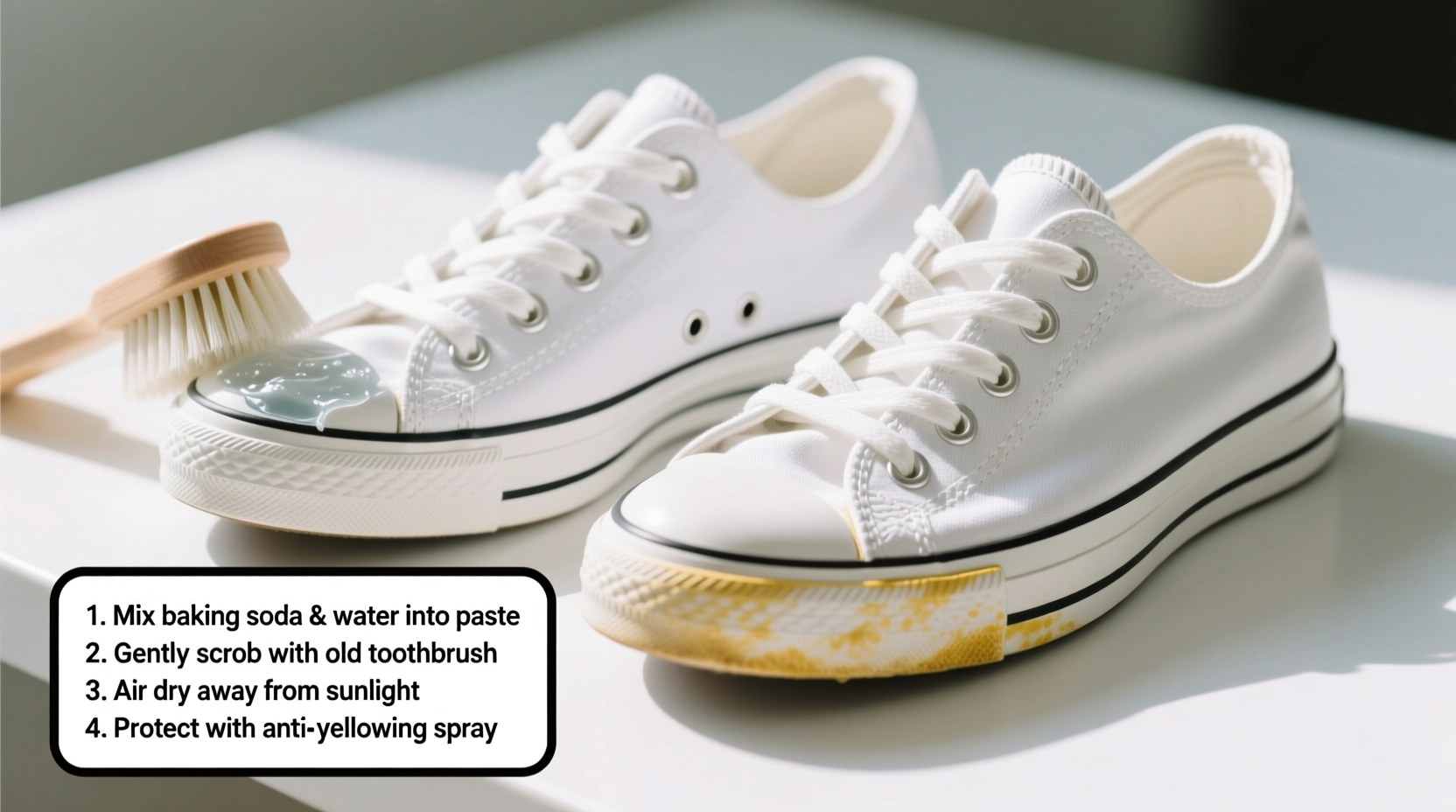
Understanding what causes yellowing is key to preventing it. Several factors contribute to this common issue:
- Oxidation from sunlight: Prolonged exposure to UV rays triggers a chemical reaction in fabric and rubber, leading to yellow stains.
- Residue from cleaning agents: Some detergents and bleaches leave behind compounds that yellow when dried under light.
- Improper drying: Air-drying shoes near heat sources or in direct sunlight accelerates oxidation.
- Body oils and sweat: These transfer from socks and feet, particularly around the heel and tongue, creating organic buildup that yellows over time.
- Chlorine bleach misuse: While tempting for whitening, chlorine breaks down cotton fibers and reacts with minerals in water, causing long-term discoloration.
“Many people unknowingly accelerate yellowing by using bleach or drying shoes too quickly. Gentle, pH-balanced cleaning and shade drying are essential.” — Dr. Lena Patel, Textile Care Scientist
Safe & Effective Home Cleaning Methods
The best home remedies avoid harsh chemicals and instead rely on natural reactions between mild abrasives, enzymes, and oxygen-based cleaners. Below are three proven methods that lift stains without compromising fabric integrity.
Method 1: Baking Soda + Hydrogen Peroxide Paste
This combination creates a gentle foaming action that lifts dirt and brightens fibers without chlorine. Baking soda acts as a soft abrasive, while hydrogen peroxide (a safe oxidizing agent) helps break down organic stains.
- Remove laces and insoles for separate washing.
- Mix 1 tablespoon baking soda, 1 tablespoon hydrogen peroxide (3%), and 1 teaspoon water into a thick paste.
- Apply the paste directly to stained areas using an old toothbrush.
- Scrub in circular motions, focusing on high-wear zones like the toe cap and sides.
- Let sit for 20–30 minutes (do not exceed one hour).
- Rinse thoroughly with cold water.
- Pat dry with a clean towel and air-dry away from sunlight.
Method 2: Dish Soap + Oxygen Bleach Soak
For overall grime and subtle yellowing, a soak works better than spot treatment. Oxygen bleach (sodium percarbonate) releases active oxygen in water, breaking down stains without harming fabric.
- Fill a basin with 4 cups warm water and add 2 tablespoons of oxygen bleach powder (like OxiClean).
- Add 1 teaspoon of gentle dish soap (free of dyes and moisturizers).
- Submerge shoes completely for 1–2 hours, checking progress periodically.
- Use a soft brush to gently scrub any remaining spots.
- Rinse under running water until no suds remain.
- Dry with crumpled white paper towels stuffed inside to maintain shape and absorb moisture.
Method 3: Vinegar + Baking Soda Refresh
Ideal for odor control and mild discoloration, this method uses vinegar’s acidity to dissolve mineral deposits and neutralize bacteria.
- Sprinkle baking soda inside the shoe and let sit overnight to deodorize.
- Shake out excess powder the next day.
- Dampen a cloth with equal parts white vinegar and water.
- Wipe down the exterior canvas, avoiding glue seams if possible.
- Rinse with a damp cloth using plain water.
- Air-dry in a well-ventilated room, out of direct sun.
Cleaning Do’s and Don’ts: A Quick Reference Table
| Do | Don’t |
|---|---|
| Use cold or lukewarm water—hot water sets stains. | Soak shoes for more than 2 hours—prolonged soaking weakens adhesives. |
| Brush in small circles with a soft-bristled toothbrush. | Use a wire brush or abrasive pad—this damages canvas weave. |
| Dry shoes at room temperature with stuffing to retain shape. | Place wet shoes near radiators, heaters, or in direct sunlight. |
| Pre-treat stains promptly before they set. | Use chlorine bleach—even diluted, it degrades fibers and causes yellowing. |
| Wash laces separately in soapy water or replace them if worn. | Put canvas shoes in the washing machine unless manufacturer-approved. |
Real Example: Restoring a Pair of Yellowed Converse
Sophie, a college student in Portland, had worn her white Chuck Taylors nearly every day for six months. After winter mud and sidewalk salt left them dull and yellowed along the edges, she tried wiping them with bleach wipes. Instead of brightening, the canvas turned patchy and darker near the sole. She then researched non-bleach methods and used the baking soda and hydrogen peroxide paste on both shoes. After one application and proper indoor drying, the yellow tinge faded significantly. Two days later, she repeated the process on stubborn areas and finished with a vinegar-water wipe to balance pH. Within a week, her shoes looked nearly new—without any further discoloration.
Her success came from avoiding aggressive chemicals and prioritizing slow, controlled drying. She now cleans her canvas shoes monthly and stores them in a breathable cotton bag when not in use.
Step-by-Step Timeline for Best Results
Follow this structured timeline to maximize effectiveness and minimize risk of damage:
- Day 1 – Preparation: Remove laces and insoles. Pre-rinse shoes under cool water to remove loose dirt.
- Day 1 – Treatment: Apply chosen cleaning method (paste, soak, or wipe). Allow dwell time, then rinse thoroughly.
- Day 1 – Initial Drying: Stuff shoes with white paper towels or tissue (avoid newspaper—ink can transfer). Place in a ventilated area away from windows.
- Day 2 – Check Progress: Once fully dry, inspect results. Repeat treatment only if necessary.
- Day 3 – Final Touches: Re-lace with clean laces. Optionally, apply a fabric protector spray designed for canvas to resist future stains.
Frequently Asked Questions
Can I use toothpaste to clean white canvas shoes?
While some people report success with white toothpaste (not gel), it's not recommended for regular use. Many toothpastes contain abrasives and fluoride compounds that may scratch fabric or leave residue. Over time, these can attract dirt and contribute to yellowing. Stick to tested paste formulas like baking soda and hydrogen peroxide for consistent results.
How often should I clean my white canvas shoes?
Light surface cleaning every 2–3 weeks helps prevent deep staining. A full cleaning is advisable every 4–6 weeks depending on wear. Daily wear in urban environments may require more frequent attention, especially after rain or heavy activity.
Why do the soles stay yellow even after cleaning the canvas?
Rubber soles naturally degrade due to UV exposure and oxidation. Even if the canvas is clean, the sole material itself may have undergone chemical changes. To address this, use a melamine foam sponge (commonly known as “magic eraser”) dampened with water on the rubber edge. Avoid contact with fabric, as melamine can be abrasive. For persistent yellowing, consider sole protectors or switching to shoes with off-white soles, which hide aging better.
Prevention Tips for Long-Term Brightness
Cleaning is only half the battle. Preventive habits make a significant difference in maintaining whiteness:
- Rotate your footwear: Wearing the same pair daily leads to faster wear and harder-to-remove stains.
- Apply a fabric protector: Spray-on treatments create a barrier against water and oil-based spills. Reapply monthly.
- Store properly: Keep shoes in a cool, dry closet. Avoid plastic bins—opt for mesh bags or open shelves for airflow.
- Address stains immediately: Blot spills with a clean cloth and treat within 24 hours to prevent setting.
- Avoid wearing in muddy or wet conditions: Canvas absorbs liquids quickly, increasing the chance of embedded grime.
“The secret to keeping white shoes white isn’t deep cleaning—it’s consistency. Frequent light maintenance beats infrequent aggressive scrubbing.” — Marcus Reed, Footwear Restoration Technician
Conclusion: Keep Your Sneakers Fresh the Natural Way
Cleaning white canvas shoes without yellowing is entirely achievable with everyday household items and mindful technique. By avoiding bleach, controlling drying conditions, and choosing oxygen-based or enzymatic solutions, you preserve both color and fabric longevity. Whether reviving a beloved old pair or maintaining a new favorite, these simple home methods offer reliable, eco-friendly results. The effort you invest in proper care pays off in extended wear, improved appearance, and fewer replacements over time.




 浙公网安备
33010002000092号
浙公网安备
33010002000092号 浙B2-20120091-4
Comments
No comments yet. Why don't you start the discussion?