
White grout starts bright and fresh but quickly shows signs of wear. Over time, foot traffic, moisture, and daily use lead to discoloration, staining, and buildup of dirt and mildew. Many turn to bleach for a quick fix, but it comes with risks: harsh fumes, surface damage, and environmental concerns. There’s a safer, more natural alternative already in your pantry—baking soda. This humble kitchen staple is a powerhouse when it comes to cleaning grout, offering gentle abrasion, odor neutralization, and stain-lifting power without the dangers of chlorine. With the right technique, you can restore your grout to its original brightness—no bleach required.
The Science Behind Baking Soda Cleaning Power
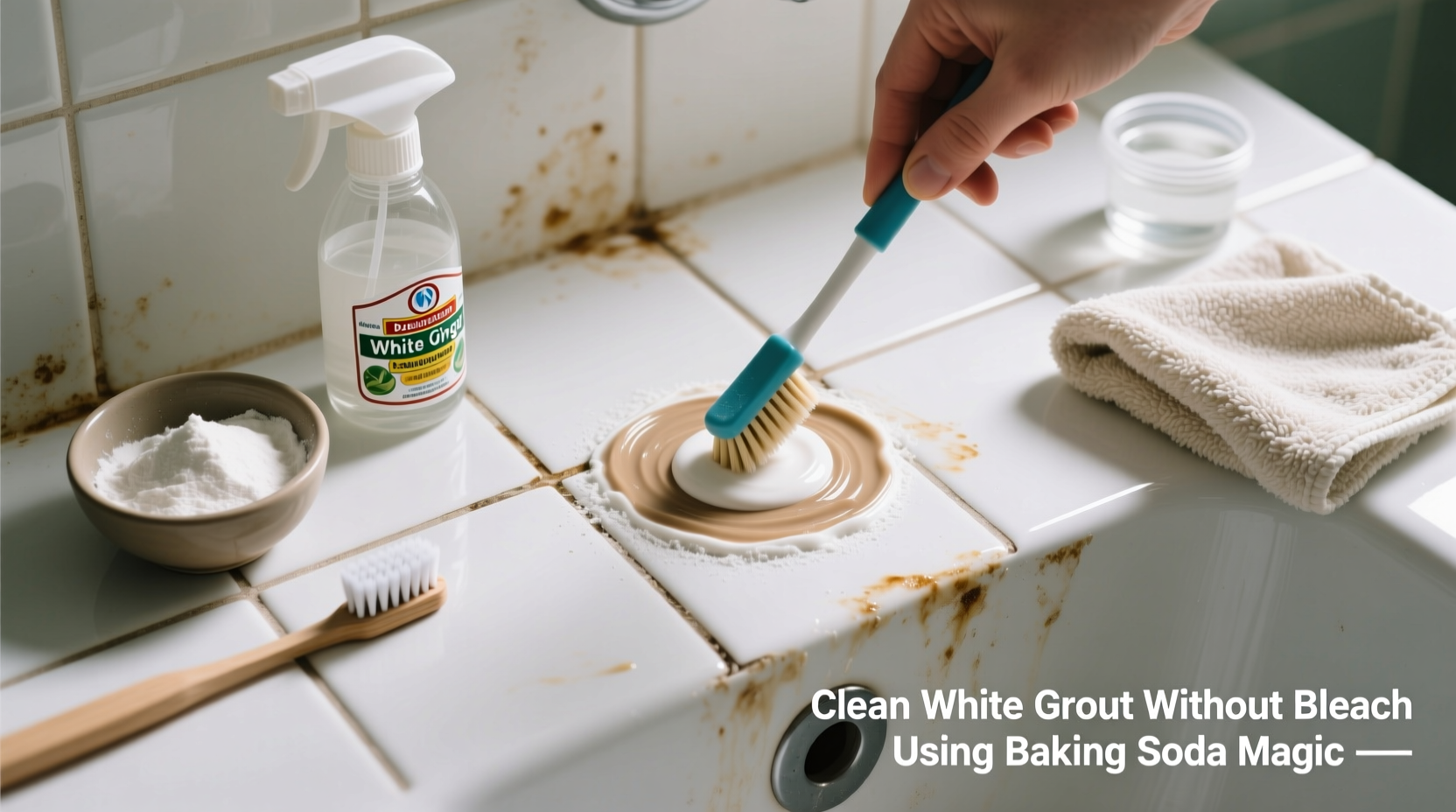
Baking soda, or sodium bicarbonate, is a weak base that reacts mildly with acids, making it effective at breaking down organic matter like grease, soap scum, and mildew. Its slightly abrasive texture allows it to scrub away surface stains without scratching tile or grout lines. Unlike bleach, which chemically alters stains through oxidation, baking soda works physically and chemically—lifting debris while balancing pH levels on surfaces.
When combined with water or vinegar, baking soda forms a paste that clings to vertical surfaces, giving it extended contact time to penetrate deep into grout pores. It also neutralizes odors rather than masking them, making it ideal for bathrooms and kitchens where dampness can cause lingering smells.
“Baking soda is one of the most versatile non-toxic cleaners available. It’s particularly effective on porous surfaces like grout because it lifts stains without degrading the material over time.” — Dr. Lena Patel, Environmental Health Scientist
Step-by-Step Guide: Deep Cleaning Grout with Baking Soda
Cleaning grout with baking soda is straightforward and requires minimal supplies. Follow this detailed process to achieve professional-level results at home.
- Sweep and wipe the surface: Remove loose dust, hair, and debris from the tile. Use a dry microfiber cloth or soft brush to clear the grout lines.
- Premix the baking soda paste: In a small bowl, combine ½ cup of baking soda with 2–3 tablespoons of warm water. Stir until it forms a thick, toothpaste-like consistency. For tougher stains, add 1 tablespoon of hydrogen peroxide (3%) to boost cleaning power.
- Apply the paste directly to grout lines: Using an old toothbrush or small grout brush, spread the paste along discolored areas. Work in small sections (about 2x2 feet) to prevent drying.
- Let it sit for 15–30 minutes: This dwell time allows the paste to penetrate and loosen embedded dirt. Do not let it dry completely—if it cracks, lightly mist with water.
- Scrub gently in circular motions: Focus on stained joints. Apply moderate pressure; avoid aggressive scrubbing that could erode grout over time.
- Rinse thoroughly with warm water: Use a damp sponge or cloth to wipe away residue. Change water frequently to avoid redepositing dirt.
- Dry and inspect: Buff the surface with a dry towel. If stains persist, repeat the process once more before considering additional treatments.
Optional Boost: Vinegar Activation
For extra lifting power, spray white vinegar over the baking soda paste after application. The fizzing reaction helps break up stubborn deposits. However, do not mix vinegar and baking soda in advance—use sequentially to maintain effectiveness.
Alternative Baking Soda-Based Solutions
While the basic paste works for most situations, variations can enhance performance depending on stain type and location.
| Solution | Ingredients | Best For | Application Notes |
|---|---|---|---|
| Classic Paste | Baking soda + water | General dirt and light staining | Safe for all tile types; ideal for weekly maintenance |
| Hydrogen Peroxide Blend | Baking soda + 3% H₂O₂ | Mildew, yellowing, bathroom grime | Avoid on unsealed stone; keep away from eyes and fabrics |
| Vinegar-Activated Mix | Baking soda + vinegar (applied separately) | Soap scum, hard water deposits | Use in well-ventilated areas; rinse promptly after foaming stops |
| Dish Soap Enhancer | Baking soda + drop of liquid dish soap + water | Kitchen backsplashes, greasy buildup | Improves adhesion and degreasing action |
Each variation leverages baking soda as the core abrasive agent while enhancing its ability to dissolve specific contaminants. The hydrogen peroxide blend is especially useful in humid environments where mold and mildew thrive, while the dish soap version excels at cutting through cooking oils in kitchen tiles.
Real Example: Reviving a Bathroom Floor Without Harsh Chemicals
Julia, a homeowner in Portland, noticed her white bathroom floor grout had turned gray after five years of regular use. With two kids and constant shower traffic, she cleaned often but relied on commercial sprays that only masked the problem. Concerned about chemical exposure, she decided to try a natural method before regrouting.
She used the baking soda and hydrogen peroxide paste on a 4x6 foot section of flooring, applying it on a Saturday morning and letting it sit for 25 minutes before scrubbing with an angled grout brush. After rinsing, she was surprised by the visible improvement—grout lines were noticeably whiter, and the entire floor looked refreshed. She repeated the process the next day for the remaining area and finished by sealing the grout a week later. Six months later, with monthly touch-ups using a baking soda spray (¼ cup baking soda in a spray bottle with warm water), her grout remains significantly cleaner than before.
This case illustrates how consistent, non-abrasive care can extend the life of grout and delay costly renovations—all without bleach or toxic fumes.
Do’s and Don’ts of Natural Grout Cleaning
To maximize results and protect your tilework, follow these guidelines when using baking soda or other natural cleaners.
| Do’s | Don’ts |
|---|---|
| Use soft-bristled brushes to avoid erosion | Use steel wool or metal scrapers that scratch grout |
| Clean spills and moisture promptly to prevent staining | Allow standing water to soak into grout long-term |
| Ventilate the room during cleaning, especially with vinegar | Mix vinegar with bleach (creates toxic chlorine gas) |
| Seal grout annually to resist future stains | Assume sealed grout never needs cleaning |
| Reapply paste for persistent stains instead of scrubbing harder | Use excessive force that may crack tiles or crumble grout |
Frequently Asked Questions
Can baking soda damage tile or grout?
No, baking soda is mildly abrasive and safe for ceramic, porcelain, and sealed stone tiles. However, avoid using it on unsealed natural stone like marble or limestone, as even gentle abrasives can etch the surface over time.
How often should I clean grout with baking soda?
For high-traffic areas like bathrooms and kitchens, a light cleaning every 4–6 weeks helps prevent buildup. Deep cleaning with a paste every 3–4 months maintains appearance and hygiene. Spot-treat stains as soon as they appear for best results.
Will baking soda remove black mold from grout?
Baking soda can eliminate surface mold and mildew, especially when paired with hydrogen peroxide. However, if mold has penetrated deeply into the grout or substrate, professional remediation may be necessary. Regular cleaning and proper ventilation are key to preventing recurrence.
Maintaining Clean Grout Long-Term
Cleaning is only half the battle—maintenance ensures lasting results. After restoring your grout with baking soda, take steps to slow down future discoloration.
- Wipe down wet areas daily: Use a squeegee in the shower or a dry cloth on countertops to minimize moisture retention.
- Run exhaust fans during and after showers: Reducing humidity prevents mildew growth and water spotting.
- Use doormats and rugs strategically: Place absorbent mats near entryways and in front of sinks to trap dirt before it reaches grout lines.
- Seal grout annually: A penetrating sealer fills pores and creates a protective barrier against stains and moisture.
- Address leaks promptly: Even minor plumbing issues can saturate grout, leading to warping, cracking, or mold.
Establishing a simple cleaning rhythm makes upkeep effortless. Keep a small container of baking soda under the sink and mix a quick paste whenever you notice dullness returning. Prevention is far easier than restoration.
Conclusion: Embrace Natural Cleaning for Lasting Results
Cleaning white grout without bleach isn’t just possible—it’s preferable. Baking soda offers a safe, affordable, and highly effective way to revive tired tilework without compromising indoor air quality or risking surface damage. Whether you're tackling years of buildup or maintaining newly cleaned grout, this natural method delivers real results with minimal risk.
You don’t need industrial chemicals to achieve a spotless home. With patience, the right tools, and a little science-backed know-how, you can keep your floors and walls looking fresh using ingredients already in your kitchen. Start today: gather your supplies, roll up your sleeves, and rediscover the sparkle beneath the grime.




 浙公网安备
33010002000092号
浙公网安备
33010002000092号 浙B2-20120091-4
Comments
No comments yet. Why don't you start the discussion?