
Clear phone cases were once the height of minimalist style—offering protection while showcasing your device’s original color. But over time, even the most pristine transparent case can turn yellow, especially around the edges or corners. This discoloration is caused by a mix of UV exposure, skin oils, dust, and chemical breakdown in the silicone or TPU plastic. While many assume a yellowed case is beyond saving, the truth is you can often restore its clarity using simple items already in your kitchen or bathroom.
The good news? You don’t need specialty cleaners or expensive tools. With careful cleaning techniques and the right combination of household ingredients, you can bring your clear phone case back from dingy to dazzling. This guide walks you through proven, safe, and non-damaging methods to reverse yellowing and extend the life of your favorite case.
Why Clear Phone Cases Turn Yellow
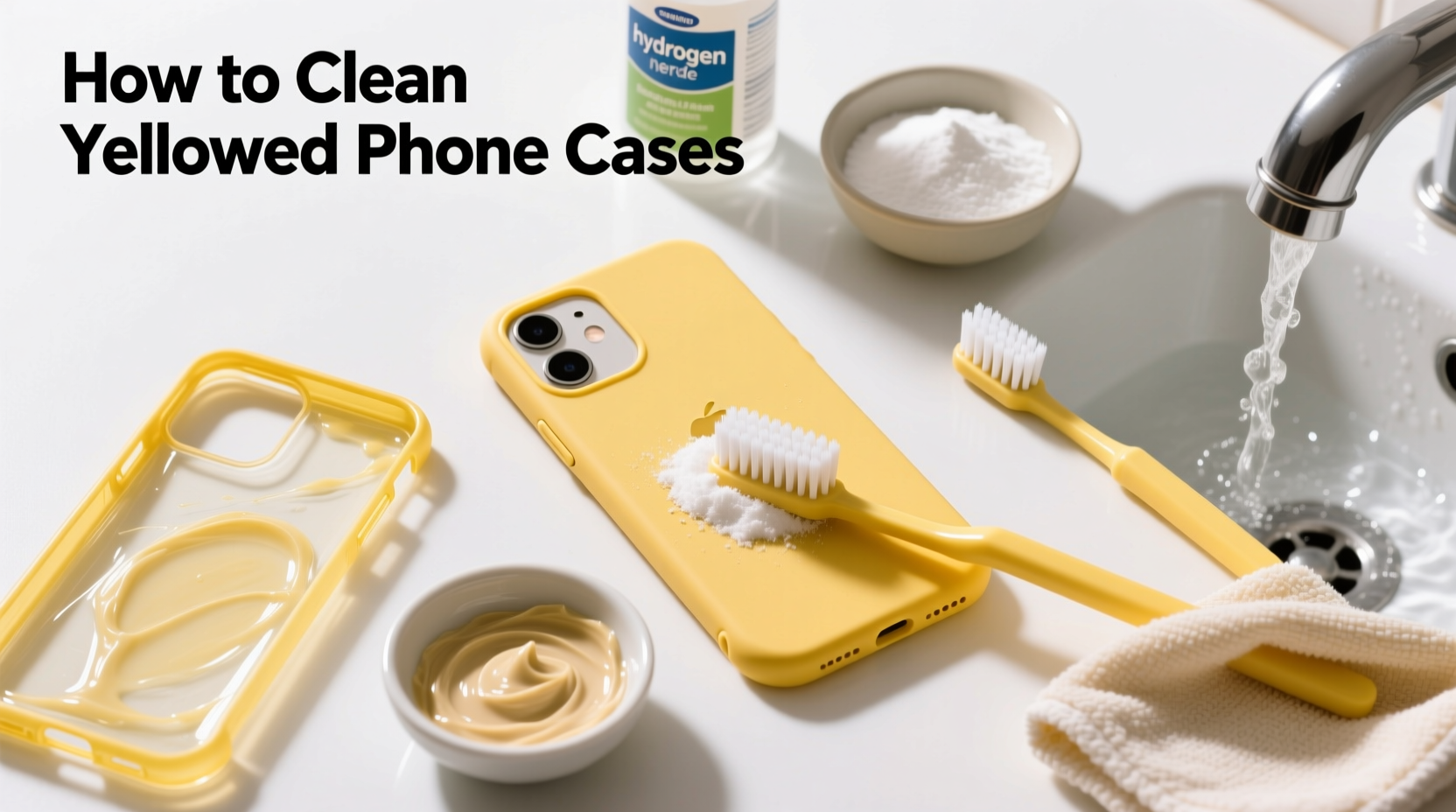
Before diving into cleaning solutions, it helps to understand what causes yellowing in the first place. Most clear phone cases are made from thermoplastic polyurethane (TPU) or silicone—materials prized for flexibility and shock absorption. However, these polymers are not immune to environmental stressors:
- UV Exposure: Sunlight breaks down chemical bonds in plastics, leading to oxidation and yellowing.
- Oils and Sweat: Daily contact with hands transfers natural oils, lotions, and bacteria, which embed into micro-scratches.
- Dust and Pollution: Airborne particles settle on the surface and react with moisture and oils.
- Chemical Reactions: Some plastics degrade when exposed to certain fragrances, hand sanitizers, or cleaning agents.
- Aging: Over months, even under ideal conditions, TPU slowly yellows due to internal polymer degradation.
While some yellowing is inevitable, early intervention can slow or even reverse the process—especially if caught before deep staining sets in.
Safe Household Ingredients That Work
Not all cleaning agents are safe for delicate plastics. Harsh chemicals like bleach or acetone may remove stains but can also cloud, crack, or permanently damage your case. The following household items are gentle yet effective for restoring transparency without compromising structural integrity:
| Ingredient | How It Works | Safety Notes |
|---|---|---|
| Baking Soda | Mild abrasive that lifts surface grime without scratching; works well when mixed with water into a paste. | Do not use excessive pressure—gentle circular motions only. |
| Hydrogen Peroxide (3%) | Oxidizing agent that breaks down organic compounds causing discoloration; excellent for whitening. | Use only diluted 3% solution; avoid prolonged exposure. |
| White Vinegar | Natural degreaser that dissolves oil buildup and mineral deposits. | Always dilute with water; never mix with hydrogen peroxide directly. |
| Dish Soap (e.g., Dawn) | Cuts through grease and removes daily residue safely. | Use fragrance-free versions to minimize chemical interactions. |
| Toothpaste (non-gel, non-whitening) | Contains mild abrasives that polish away surface stains. | Avoid gel or bleaching toothpastes—they can leave residue or cause cloudiness. |
“Plastic yellowing isn't always permanent. Surface-level oxidation and organic buildup can be reversed with gentle oxidation treatments like hydrogen peroxide.” — Dr. Lena Patel, Materials Scientist at EcoPoly Labs
Step-by-Step Guide to Restore Your Case
Follow this detailed process to maximize results while minimizing risk to your phone case. Each step builds on the last, ensuring thorough cleaning and restoration.
- Remove the Case and Rinse Off Loose Debris
Take the case off your phone. Use lukewarm water to rinse both sides under a gentle stream. This removes dust, lint, and loose particles before deeper cleaning begins. - Soak in Warm Soapy Water (5–10 minutes)
Fill a small bowl with warm water and add a few drops of dish soap. Submerge the case and let it soak. This loosens oils and prepares the surface for treatment. - Scrub Gently with Soft Brush
Use an old toothbrush (soft bristles) to scrub all surfaces, focusing on corners and button covers where grime accumulates. Avoid metal brushes or rough sponges that could scratch. - Rinse and Dry Thoroughly
Rinse again under clean water and pat dry with a microfiber cloth. Let air dry completely before proceeding—moisture trapped under layers can worsen yellowing. - Apply Baking Soda Paste (Optional for Stubborn Stains)
Mix one tablespoon of baking soda with enough water to form a thick paste. Apply with fingers or cloth, gently rubbing in circular motions. Focus on discolored areas. Wipe clean after 2 minutes. - Soak in Hydrogen Peroxide Solution (Key Step)
In a container, pour enough 3% hydrogen peroxide to fully submerge the case. For enhanced effect, add one teaspoon of baking soda. Place in direct sunlight or under a UV lamp for 2–4 hours. The UV light activates the peroxide’s oxidizing power, breaking down yellow pigments. - Rinse and Inspect
After soaking, rinse thoroughly under cool water. Check clarity. If yellowing persists, repeat the peroxide soak for another 2–4 hours (do not exceed 8 hours total). - Final Polish with Toothpaste (Optional)
Apply a pea-sized amount of non-gel, non-whitening toothpaste to a soft cloth. Buff the surface lightly to add shine and remove minor haze. Rinse and dry completely.
Mini Case Study: Reviving a 9-Month-Old iPhone Case
Sophie, a graphic designer from Portland, noticed her once-crystal-clear iPhone 14 case had turned noticeably yellow along the top edge and around the camera cutout after eight months of daily use. She kept her phone in her pocket alongside keys and used hand sanitizer frequently—both contributing factors to accelerated staining.
Instead of buying a new case, she tried the hydrogen peroxide + sunlight method. She soaked the case in 3% hydrogen peroxide for four hours in a sunny windowsill, followed by a gentle baking soda scrub. After rinsing and drying, the case regained about 85% of its original clarity. Minor shadows remained near the buttons, but overall appearance improved dramatically. Sophie now rotates two cases weekly and stores them away from direct sunlight, significantly slowing future discoloration.
Do’s and Don’ts of Cleaning Clear Phone Cases
| Do’s | Don’ts |
|---|---|
| Use soft cloths and brushes to avoid scratches. | Use steel wool, abrasive pads, or harsh scrubbers. |
| Allow cases to air dry completely before reapplying. | Reattach damp cases—trapped moisture breeds bacteria and mold. |
| Store cases in dark, cool places when not in use. | Leave cases in hot cars or near windows with constant sun exposure. |
| Wash cases every 1–2 weeks to prevent buildup. | Wait until visible yellowing occurs before cleaning. |
| Use UV-activated peroxide soaks for best whitening results. | Mix vinegar and hydrogen peroxide—they neutralize each other and create irritants. |
Prevent Future Yellowing: Maintenance Checklist
Cleaning is important, but prevention keeps your case looking new longer. Follow this checklist to minimize yellowing between deep cleans:
- ✅ Wash your hands before handling your phone or case.
- ✅ Clean your case every 7–10 days with soapy water.
- ✅ Avoid placing your phone near strong fragrances or alcohol-based products.
- ✅ Keep your phone out of direct sunlight when possible (e.g., don’t leave it on car dashboards).
- ✅ Store spare cases in sealed containers away from heat and light.
- ✅ Consider using UV-resistant clear cases (some brands now offer anti-yellowing coatings).
Frequently Asked Questions
Can I use bleach to clean my yellowed phone case?
No. Bleach is too harsh for TPU or silicone and will likely cause clouding, cracking, or faster yellowing. Stick to gentler oxidizers like hydrogen peroxide.
How long does the restored clarity last?
Results vary based on usage and environment. With proper care, a cleaned case can stay clear for 1–3 months before needing another treatment. Regular light cleaning extends longevity.
Will this method work on old, heavily yellowed cases?
It depends. If the yellowing is due to surface grime or oxidation, significant improvement is possible. However, if the plastic has undergone deep molecular degradation (common in cases older than a year), full restoration may not be achievable. At that point, replacement is more practical.
Conclusion: A Clear Case for Simple Care
Yellowed phone cases don’t have to be disposable. With everyday household items like baking soda, hydrogen peroxide, and dish soap, you can restore transparency and extend the life of your accessories. The key lies in consistent maintenance and avoiding extreme conditions that accelerate aging. By understanding the causes of discoloration and applying safe, science-backed methods, you protect both your investment and the planet by reducing plastic waste.
Take action today: pull out that dingy case gathering dust in your drawer and give it a second life. A little effort goes a long way in keeping your devices—and your habits—clean, clear, and sustainable.




 浙公网安备
33010002000092号
浙公网安备
33010002000092号 浙B2-20120091-4
Comments
No comments yet. Why don't you start the discussion?