
Cleaning your blender might seem like a minor chore, but it plays a major role in both kitchen hygiene and appliance longevity. Smoothies, while nutritious and delicious, often leave behind stubborn residues—especially from ingredients like bananas, peanut butter, seeds, and leafy greens. These remnants can cling to blades, seals, and crevices, creating an environment where bacteria thrive and odors develop. A quick rinse isn’t enough. To maintain peak performance and ensure food safety, a thorough cleaning routine is essential. This guide provides detailed, practical steps to deep-clean your blender effectively, prevent cross-contamination, and extend the life of your appliance.
The Hidden Risks of a Poorly Cleaned Blender
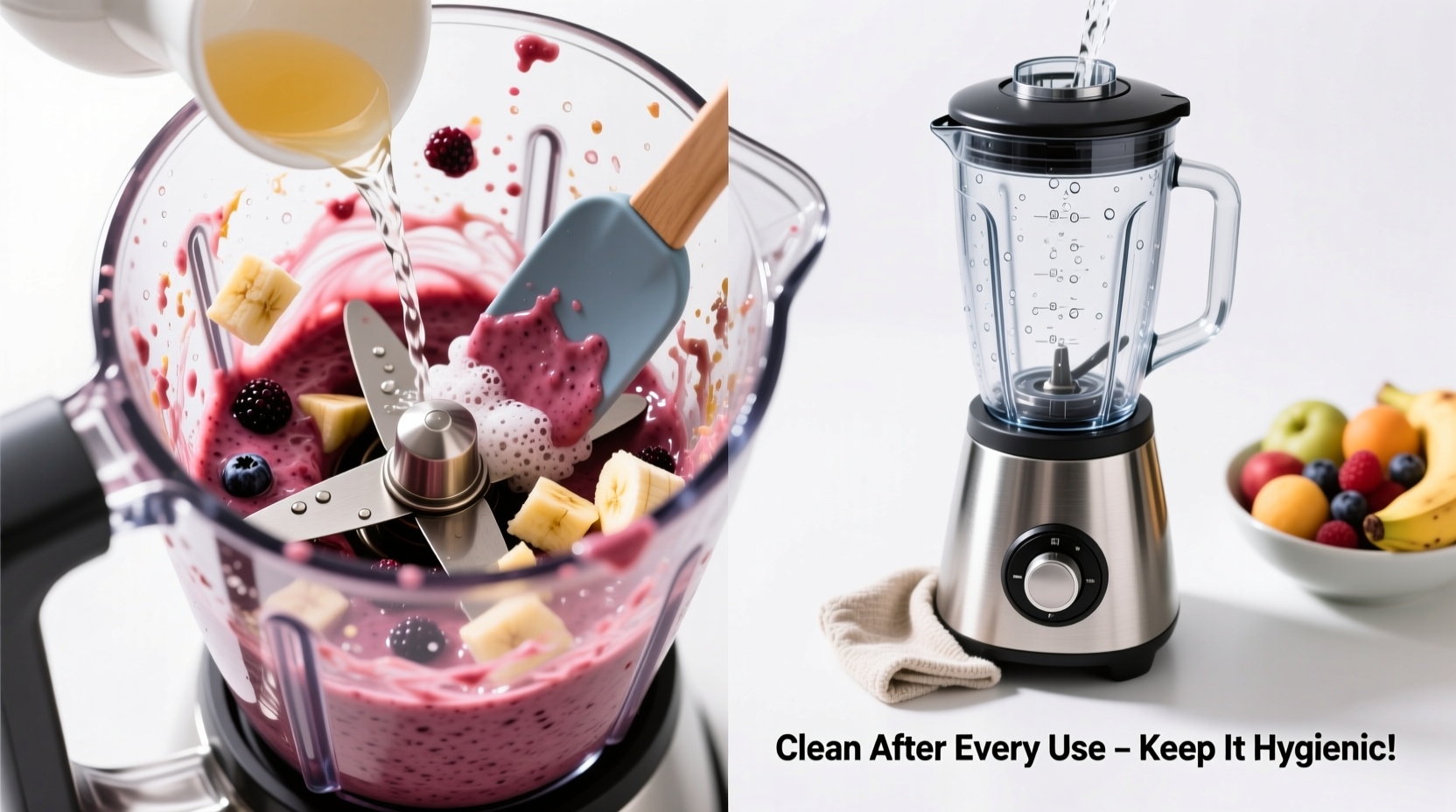
Many people assume that because blenders process liquids, they self-clean to some degree. This is a misconception. The high-speed rotation may break down ingredients, but it doesn’t eliminate residue. In fact, the blade assembly and rubber gasket are common traps for organic matter. Over time, this buildup becomes a breeding ground for mold, yeast, and harmful bacteria such as E. coli or Salmonella—especially if the blender is stored while still damp.
A study published in the *Journal of Food Protection* found that kitchen appliances with moist internal components were significantly more likely to harbor microbial growth than dry ones. Blenders ranked among the top offenders when not cleaned properly after each use.
Step-by-Step Guide to Deep-Clean Your Blender
A truly clean blender requires more than a splash of water. Follow this comprehensive timeline to ensure every component is sanitized and free of buildup.
- Unplug and disassemble: Safety first. Unplug the blender and remove the pitcher from the base. Unscrew the blade assembly from the bottom. Remove the rubber gasket if it’s detachable.
- Rinse immediately after use: As soon as you finish blending, rinse the pitcher and blades under warm running water. This prevents dried-on food from hardening.
- Prepare a cleaning solution: Fill the pitcher halfway with warm water. Add one drop of dish soap and a tablespoon of white vinegar or baking soda. For tougher stains, use a mixture of equal parts water and vinegar.
- Blend the solution: Reassemble the pitcher (without the lid), place it on the base, and run the blender on high for 30–60 seconds. This agitates the mixture, scrubbing the interior walls and blades.
- Disassemble and hand-wash: After blending, take everything apart again. Use a soft sponge or bottle brush to scrub the inside of the pitcher, paying close attention to the neck and bottom near the blades. Gently clean the blade unit and gasket with a toothbrush to remove trapped particles.
- Sanitize (optional): Soak all non-electrical parts in a diluted bleach solution (1 tablespoon of bleach per gallon of water) for 5 minutes, then rinse thoroughly. Alternatively, use a food-safe sanitizer.
- Dry completely: Air-dry all components upside down on a clean towel. Never reassemble or store until fully dry to prevent mildew.
- Wipe the base: Use a damp cloth with soapy water to wipe the motor base. Never submerge it in water. Dry immediately.
“People underestimate how much biofilm can accumulate in blenders. It’s not just about smell—it’s a real health risk.” — Dr. Lena Torres, Microbiologist and Kitchen Hygiene Researcher
Do’s and Don’ts of Blender Cleaning
| Do’s | Don’ts |
|---|---|
| Disassemble the blade and gasket regularly for deep cleaning | Never immerse the motor base in water |
| Use warm (not boiling) water to avoid warping plastic pitchers | Avoid abrasive pads that scratch surfaces and trap bacteria |
| Run a vinegar or baking soda cycle weekly for odor control | Don’t leave blended cleaning solutions sitting for hours—rinse promptly |
| Dry all parts completely before storage | Never force the blade unit back on if it doesn’t screw easily |
| Check manufacturer instructions for dishwasher safety | Don’t use steel wool or harsh chemicals like oven cleaner |
Maintaining Performance Between Uses
Even with regular cleaning, wear and tear can degrade your blender over time. Preventative maintenance ensures consistent results and avoids costly replacements.
- Inspect the gasket monthly: Look for cracks, discoloration, or stiffness. Replace it if damaged—most manufacturers sell replacement kits.
- Lubricate the threads: Apply a small amount of food-grade silicone grease to the pitcher’s screw threads every few months to prevent seizing.
- Descale mineral buildup: If you live in a hard water area, run a cycle with undiluted white vinegar every 4–6 weeks to dissolve calcium deposits.
- Avoid overloading: Exceeding capacity limits strains the motor and increases residue splatter, making cleanup harder.
Real Example: How One Household Reduced Blender Odors
Sarah, a busy mother of two in Portland, used her blender nearly every morning for green smoothies. After a few months, she noticed a persistent sour smell despite daily rinsing. She assumed it was normal until her youngest child complained about a “weird taste.” Upon disassembling the blender, Sarah discovered a thick, dark ring beneath the blade gasket—mold mixed with decomposed spinach and banana fibers.
She followed the deep-cleaning steps outlined above, including a vinegar blend cycle and toothbrush scrub. She also began removing the gasket after each use and air-drying it separately. Within a week, the odor disappeared. Now, she performs a full disassembly clean every Sunday and runs a quick soap-and-water blend each evening. Her blender, over three years old, runs quieter and smoother than before.
When to Use the Dishwasher (And When Not To)
Many modern blenders have dishwasher-safe pitchers and lids. However, the blade assembly and gasket often are not. Always consult your user manual. Even if labeled dishwasher-safe, repeated exposure to high heat can warp plastic or degrade rubber seals over time.
If using a dishwasher:
- Place the pitcher upside down on the top rack to allow proper drainage.
- Secure the blade unit so it doesn’t fall into the dishwasher filter.
- Avoid detergents with citrus or bleach additives, which can corrode metal blades.
For best results, hand-washing remains the most reliable method for preserving your blender’s integrity and ensuring hygiene.
Blender Cleaning Checklist
Keep this checklist handy for consistent, thorough cleaning:
- ☐ Unplug the blender and remove the pitcher
- ☐ Disassemble blade and gasket
- ☐ Rinse all parts immediately after use
- ☐ Blend warm water + 1 drop soap + 1 tbsp vinegar (30–60 sec)
- ☐ Hand-scrub pitcher, blade, and gasket with soft brush
- ☐ Sanitize with diluted bleach or vinegar soak (optional)
- ☐ Rinse all parts thoroughly
- ☐ Air-dry completely before reassembly
- ☐ Wipe motor base with damp cloth
- ☐ Reassemble only when fully dry
Frequently Asked Questions
Can I use lemon juice instead of vinegar to clean my blender?
Yes, lemon juice works as a natural deodorizer and mild acid. However, it’s less effective than vinegar at breaking down oils and killing bacteria. For deep cleaning, vinegar is preferred. Lemon juice is great for a fresh scent after a basic wash.
Why does my blender still smell bad after washing?
Odors usually indicate trapped residue under the blade gasket or in micro-scratches on the pitcher. Try soaking the disassembled parts in a 1:1 vinegar-water solution for 30 minutes. If the smell persists, the gasket may need replacement, or the pitcher could be harboring biofilm due to prolonged neglect.
How often should I deep-clean my blender?
If used daily, perform a full disassembly and deep clean at least once a week. For occasional use, do it every two to three weeks. Immediate rinsing after each use reduces the need for intensive cleaning later.
Conclusion: Make Cleanliness a Seamless Habit
A clean blender isn’t just about appearance—it’s about safety, performance, and longevity. Smoothie lovers who invest a few extra minutes in proper cleaning reap benefits far beyond a spotless pitcher. You’ll enjoy better-tasting drinks, reduced risk of contamination, and an appliance that lasts years longer. The key is consistency: treat cleaning as part of the blending process, not an afterthought. Whether you follow the vinegar-blend method, maintain a weekly deep-clean schedule, or simply remember to remove and dry the gasket, these habits compound into lasting results.




 浙公网安备
33010002000092号
浙公网安备
33010002000092号 浙B2-20120091-4
Comments
No comments yet. Why don't you start the discussion?