
As holiday lighting displays grow in scale and ambition, so does the need for multiple transformers to power them. While these electrical components are essential, they can be bulky, unsightly, and even pose safety concerns if left exposed. For homeowners, landscapers, or display designers aiming for a polished, magical look, hiding transformer boxes is just as important as arranging lights themselves. The challenge lies in doing so without compromising ventilation, accessibility, or code compliance. With the right strategies, you can seamlessly integrate these necessary units into your outdoor space—keeping them safe, functional, and invisible to the casual observer.
Why Concealment Matters Beyond Aesthetics
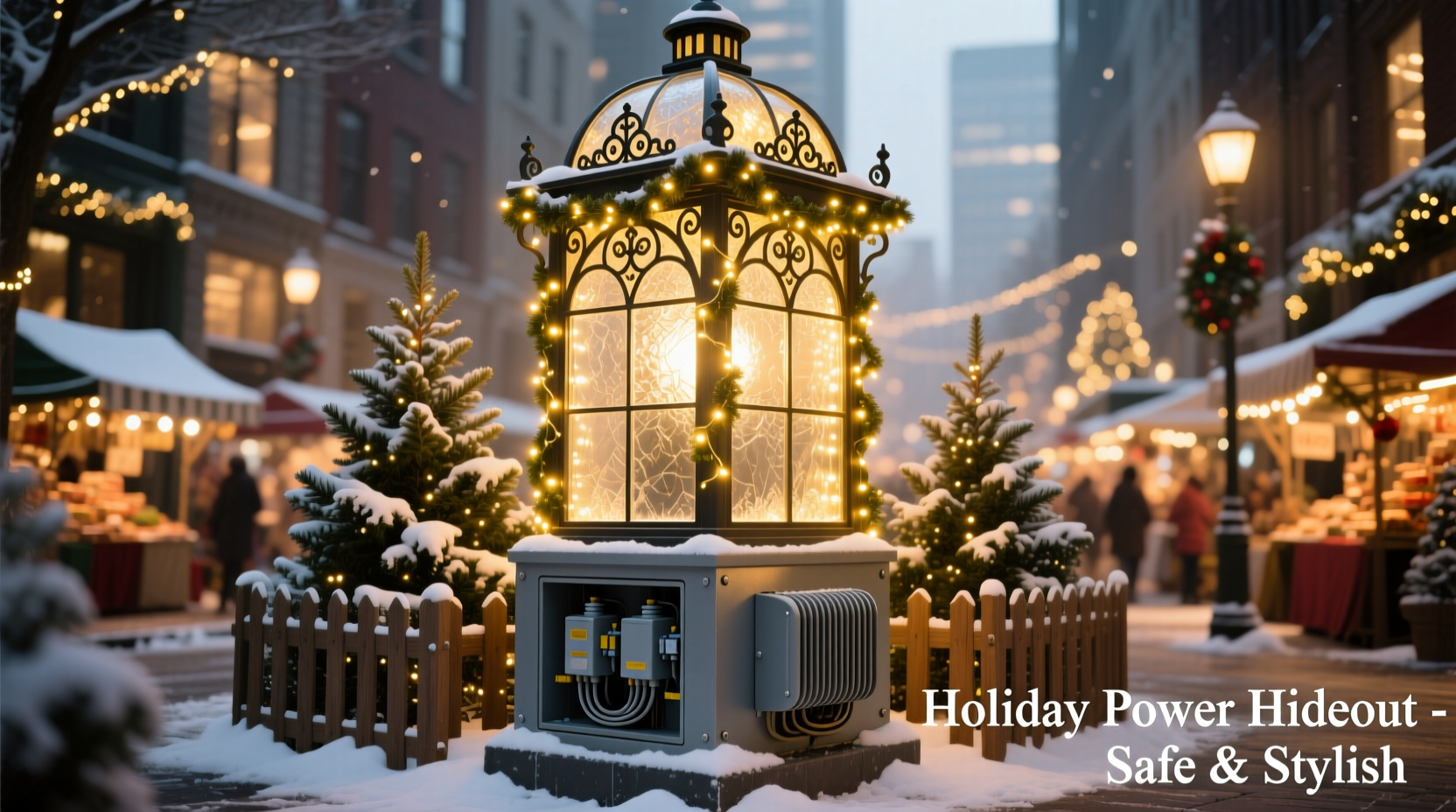
Transformer boxes serve as the backbone of any high-capacity lighting setup, stepping down voltage and managing power distribution across hundreds or thousands of LED nodes. However, their industrial appearance clashes with the festive charm most people aim to create. More importantly, exposed transformers face real-world risks: weather exposure, accidental tampering, tripping hazards, and potential damage from lawn equipment or curious animals.
Proper concealment isn’t about hiding flaws—it’s about integrating functionality into design. A well-hidden transformer maintains system integrity while enhancing curb appeal. It also reflects attention to detail, which matters whether you're decorating for family enjoyment or hosting a community-favorite light show.
“Professional-grade holiday displays don’t just focus on brightness—they prioritize seamless integration of every component, including what’s behind the scenes.” — Marcus Reed, Seasonal Lighting Designer & Instructor at the National Holiday Lighting Academy
Key Principles for Safe and Effective Concealment
Before choosing a method, it's crucial to understand the non-negotiable rules of transformer management:
- Ventilation: Transformers generate heat during operation. Enclosing them in an airtight space can lead to overheating and premature failure.
- Accessibility: You must be able to inspect, reset, or unplug the unit quickly—especially after storms or malfunctions.
- Weather Protection: While some transformers are rated for outdoor use (UL-listed), prolonged exposure to moisture reduces lifespan.
- Code Compliance: Local electrical codes may dictate clearances, grounding requirements, and placement relative to walkways or structures.
With these principles in mind, the goal shifts from “covering up” to “strategic integration.” The best solutions work with the environment rather than against it.
Practical Methods to Hide Transformer Boxes
1. Decorative Outdoor Enclosures
Commercially available decorative boxes made from resin, wood composite, or weather-resistant plastic mimic garden elements like stone walls, faux rocks, or miniature sheds. These are designed specifically for concealing outdoor equipment.
Choose models with built-in ventilation slats or adjustable louvers. Some high-end versions feature magnetic or quick-release panels for instant access. Position the enclosure so that airflow enters from the bottom and exits at the top, promoting natural convection cooling.
2. Landscaping Integration Using Plants and Hardscape
Use evergreen shrubs, ornamental grasses, or low hedges to screen transformers placed near foundation plantings. Boxwood, juniper, or dwarf conifers provide year-round coverage without requiring seasonal replanting.
Alternatively, incorporate small retaining walls, stacked stone borders, or raised flower beds around the unit. Leave at least 6–8 inches of clearance on all sides for air circulation. Avoid dense mulch piles directly against the box.
3. Camouflage with Themed Props
For those creating immersive holiday scenes—think North Pole villages, winter wonderlands, or animated displays—transformer boxes can double as set pieces. Paint a wooden crate-style cover to resemble a gift package or Santa’s workshop supply bin. Add removable lids secured with hook-and-loop fasteners for easy access.
This approach works especially well when multiple transformers are grouped together. Build a single themed enclosure that houses several units under a unified design, such as a toy train depot or snowman’s shed.
4. Repurposed Furniture and Storage Solutions
Old outdoor furniture, storage benches, or planter boxes can be retrofitted into concealment units. Ensure any repurposed item has adequate cutouts for cords and passive ventilation. Drill small holes near the base and top to allow airflow while keeping out rodents.
Line the interior with reflective insulation board (like foil-faced foam board) to reduce heat absorption from sunlight, but do not seal gaps completely. Keep doors or lids secured with child-safe latches to prevent accidental opening.
5. Wall-Mounted or Recessed Installations
If space allows, mount transformers on garage or shed exteriors using weatherproof enclosures with overhangs. Pair them with vertical screens made from trellises covered in ivy or artificial greenery. This keeps the unit off the ground and integrates it into existing architecture.
In new construction or renovation scenarios, consider installing a recessed niche in an exterior wall with a louvered vent cover. This provides near-invisible storage while maintaining full serviceability.
Step-by-Step Guide: Building a Custom Concealment Unit
A custom-built enclosure gives you complete control over aesthetics and function. Follow this sequence for reliable results:
- Assess Your Transformer(s): Measure dimensions, note cord locations, and identify heat output levels (check manufacturer specs).
- Select Materials: Use pressure-treated wood, PVC trim boards, or composite siding—materials resistant to rot and warping.
- Design with Ventilation in Mind: Plan for intake vents at the bottom (2–3% of total surface area) and exhaust vents near the top. Stagger openings to prevent direct rain entry.
- Build the Frame: Construct a box slightly larger than the transformer, leaving 4–6 inches of clearance on each side. Include a removable front panel or hinged lid.
- Add Weather Protection: Slope the roof outward and extend it 2–3 inches beyond the sides to act as a canopy. Seal seams with outdoor-rated caulk.
- Install Safely: Place the transformer on a non-conductive pad (e.g., rubber mat or plastic tray). Route cords through grommet-lined holes to prevent abrasion.
- Test and Monitor: Run the system for 2–3 hours initially, checking for excessive heat buildup. Reassess after heavy wind or rain events.
Comparison Table: Concealment Methods at a Glance
| Method | Pros | Cons | Best For |
|---|---|---|---|
| Decorative Enclosures | Ready-to-use, attractive, ventilated options available | Can be expensive; limited sizes | Homeowners wanting plug-and-play solutions |
| Landscaping Screens | Natural look, blends with yard | Requires maintenance; seasonal gaps possible | Properties with mature gardens |
| Themed Props | Fun, creative, doubles as decor | Time-intensive; may not suit all styles | Large displays, public exhibitions |
| Repurposed Furniture | Low cost, uses existing items | May degrade faster; inconsistent sealing | Budget-conscious DIYers |
| Wall-Mounted Niche | Permanent, hidden, secure | Requires construction skills | New builds or major renovations |
Real Example: Transforming a Backyard Display in Portland, OR
When Sarah Lin upgraded her home’s Christmas lights from a simple roofline string to a 12-circuit synchronized display with inflatables and pixel trees, she faced a growing cluster of transformers beside her garden gate. Initially tucked under a tarp, the setup looked messy and drew complaints from neighbors about exposed wires.
She decided to build a cedar enclosure modeled after a rustic tool shed, 24\"x18\"x18\", with diagonal louvered vents on two sides and a sloped asphalt-shingle roof. Inside, she mounted each transformer on anti-vibration pads and labeled every outlet. She planted two Blue Star Junipers on either side to frame the unit naturally.
The result? A clean, integrated look that passed city inspection and became part of the tour route for the neighborhood’s annual light walk. More importantly, she reported zero overheating issues over three seasons, thanks to consistent airflow and easy monthly checks.
Essential Checklist Before Finalizing Your Setup
Use this checklist to ensure your concealment solution is both effective and safe:
- ✅ All transformers are UL-listed for outdoor use
- ✅ At least 4 inches of clearance around all sides for airflow
- ✅ Intake and exhaust vents are present and unobstructed
- ✅ Cords enter/exit through protected grommets or strain reliefs
- ✅ Unit is elevated above ground level (minimum 2 inches)
- ✅ Access panel or door opens easily without tools
- ✅ Ground fault circuit interrupter (GFCI) protection is in place
- ✅ Labels indicate circuits, amperage, and emergency shutoff location
Frequently Asked Questions
Can I paint a plastic transformer box to match my house?
Yes, but only with paints specifically formulated for plastics. Clean the surface thoroughly, lightly sand it, and apply an outdoor-rated primer before painting. Avoid dark colors that absorb heat. Test on a small area first to ensure adhesion.
Is it safe to put a lock on a transformer enclosure?
Only if you have a documented reason (e.g., public space with vandalism history) and provide emergency access information to local authorities. Locks should never delay shutdown during faults. Consider keyed latches instead of padlocks for quicker response.
How many transformers can go in one enclosure?
There’s no fixed number—it depends on total wattage, heat output, and enclosure size. As a rule, do not exceed 70% of the box’s internal volume with equipment. Group transformers by circuit zone, not just proximity, to simplify troubleshooting.
Final Thoughts: Beauty Meets Functionality
Hiding transformer boxes isn’t about deception—it’s about craftsmanship. The most memorable holiday displays succeed because every element, visible or not, contributes to a cohesive experience. By treating transformers as part of your design plan rather than an afterthought, you elevate the entire presentation.
Start small if needed. Even a simple wooden skirt around a single unit makes a noticeable difference. Over time, refine your approach based on performance, weather patterns, and evolving display needs. Remember: the best concealment doesn’t hide functionality—it celebrates it quietly.




 浙公网安备
33010002000092号
浙公网安备
33010002000092号 浙B2-20120091-4
Comments
No comments yet. Why don't you start the discussion?