
For those with a round face shape, achieving facial definition through makeup can feel like a challenge. Round faces are characterized by soft angles, full cheeks, and a gently curved jawline—features that radiate youth and warmth but may lack the natural shadowing that elongates or sharpens the face. That’s where bronzer comes in. Unlike traditional contouring powders, which are often cool-toned and meant to mimic shadows, bronzer adds warmth while subtly sculpting. When used correctly, it enhances bone structure without looking harsh or unnatural. Mastering this technique allows you to balance proportions, add depth, and create the illusion of a more oval-shaped face—all while maintaining a sun-kissed glow.
Understanding Face Shape and Why It Matters
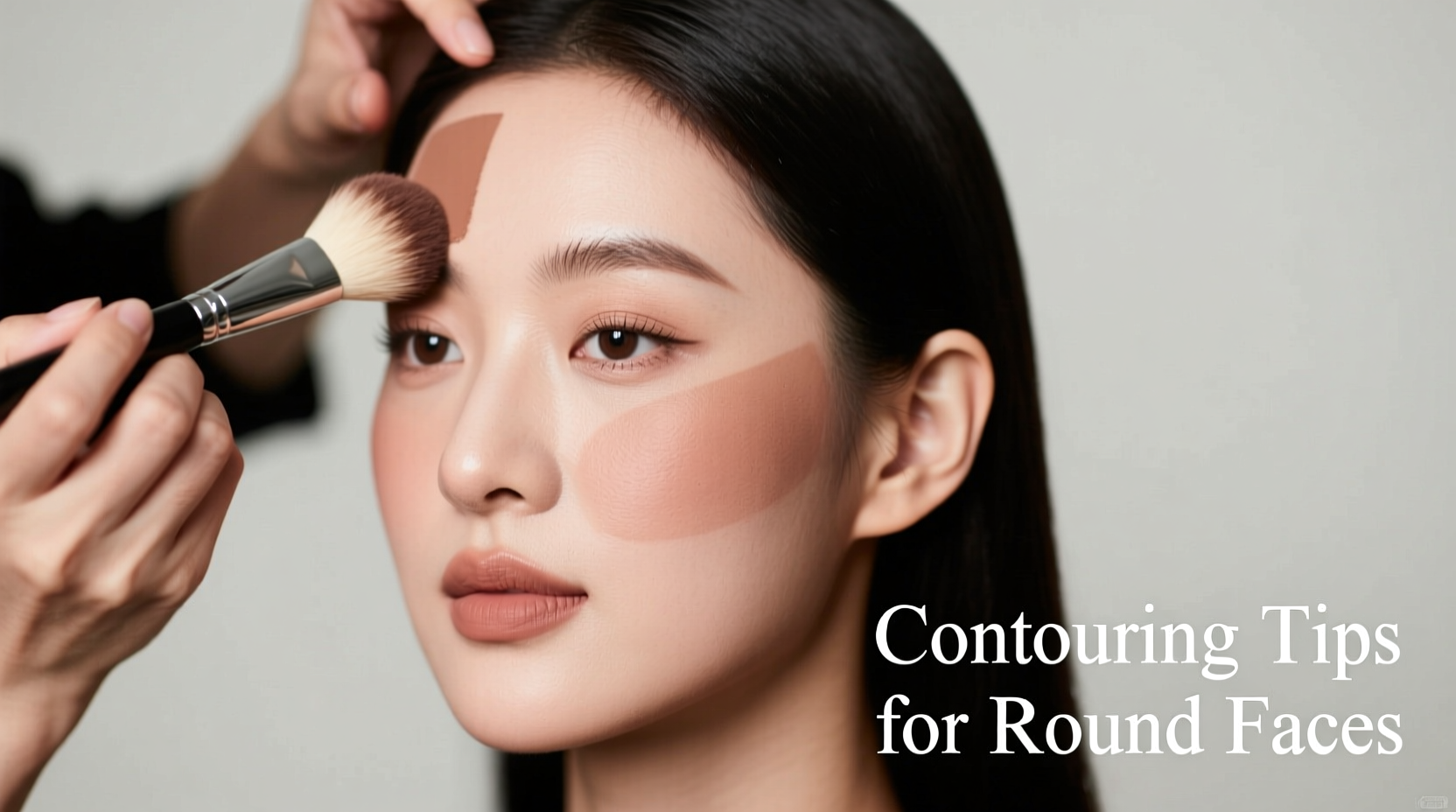
A round face typically measures nearly equal in length and width, with the fullest part across the cheekbones. The forehead, cheek area, and jawline tend to be similar in circumference, and the jaw angle is softly rounded rather than sharply defined. While this face shape is inherently balanced and harmonious, many people seek to elongate the face or emphasize angular features for a more chiseled appearance.
Contouring with bronzer works differently than using gray-based contour products. Because bronzer is warm-toned—usually in shades of caramel, honey, or terracotta—it mimics natural sun exposure rather than artificial shadow. This makes it ideal for beginners or those who want a subtle, everyday effect. For round faces, strategic bronzing helps recede areas that appear too prominent and draws attention to high points like the temples and jawline.
“Bronzer should enhance your natural dimension, not mask it. With a round face, placement is everything—focus on creating length and definition.” — Lila Monroe, Celebrity Makeup Artist
The Right Bronzer: Formula, Shade, and Finish
Choosing the correct bronzer is just as important as application technique. The wrong product can muddy your complexion or look overly orange.
Formula
For round faces aiming for soft definition, powder bronzers offer the most control and blendability. Cream formulas work well for dewy skin types but require setting to avoid migration into creases. If you’re new to contouring, start with a matte or satin-finish powder bronzer. Avoid glitter or intense shimmer, especially below the cheekbones, as sparkle can draw unwanted attention to areas you're trying to minimize.
Shade Selection
Your bronzer should be 1–2 shades deeper than your natural skin tone, but never more than two shades down. It should also match your undertone:
- Warm undertones: Choose golden, peachy, or red-based bronzers (e.g., cinnamon, honey).
- Cool undertones: Opt for taupe-leaning bronzers with minimal orange cast.
- Neutral undertones: Most shades will work; test near your hairline and jaw to see what blends seamlessly.
Finish
Matte bronzers are best for contouring because they don’t reflect light. Satin finishes can work on dry skin, but avoid anything with visible shimmer when applying under the cheekbones or along the sides of the forehead.
Step-by-Step Guide: Contouring a Round Face with Bronzer
Follow this timeline to sculpt your features effectively and naturally. Allow at least 5–7 minutes for precise blending.
- Prep your base. Start with moisturized skin and apply foundation or tinted moisturizer evenly. Let it set slightly before bronzing to prevent dragging.
- Define the perimeter. Using an angled contour brush or fluffy domed brush, sweep bronzer along the hairline from temples to the top of the ears. This minimizes width at the forehead and begins the slimming effect.
- Frame the sides of the face. Apply bronzer just below the cheekbones, starting at the ear and angling toward the corner of the mouth—but stop mid-cheek. Do not pull the color all the way forward, as this can make the face appear shorter.
- Outline the jawline. Run bronzer along the underside of the jaw, focusing on the hollow beneath the chin and moving outward. This creates separation between neck and face, enhancing definition.
- Sculpt the temples. Lightly dust bronzer into the hollows of the temples to visually narrow the upper face.
- Blend thoroughly. Use a clean, large powder brush to soften all edges. There should be no visible lines—only a seamless gradient of warmth and depth.
- Highlight strategically. Apply a luminous highlighter just above the cheekbones, on the bridge of the nose, and at the center of the forehead to lift and balance the face.
“Less is more when contouring a round face. Build slowly—you can always add more, but removing excess is harder.” — Rajiv Mehta, Pro MUA & Beauty Educator
Do’s and Don’ts: Common Mistakes and How to Avoid Them
Missteps in bronzer placement can exaggerate roundness instead of minimizing it. Use this table to stay on track.
| Do | Don’t |
|---|---|
| Apply bronzer in the hollows under the cheekbones | Draw straight lines from ears to mouth corners |
| Focus intensity at the back of the cheek, fading forward | Pull bronzer past the outer edge of the eyes |
| Use a light hand and build gradually | Use shimmery bronzers for contouring |
| Blend upward toward the apples of the cheeks | Contour the center of the chin (makes it look wider) |
| Set cream bronzers with translucent powder | Skip blending—harsh lines age the face |
Real Example: Transforming a Round Face with Strategic Bronzing
Sophie, a 28-year-old client with a classic round face and medium skin tone, wanted a polished look for her wedding photos. She had tried contouring before but ended up with muddy stripes under her cheeks that made her face look flatter. During her trial, we switched from a cool-toned contour powder to a matte, warm bronze one shade deeper than her foundation.
We applied the bronzer only along the hairline, behind the cheekbones (stopping midway), and under the jaw. After thorough blending, we added a soft rose-gold highlight just above the cheekbone peak. The result? Her face appeared longer and more structured, with natural-looking dimension. In her photos, the lighting emphasized the sculpted angles without any obvious makeup lines. Sophie later said, “I finally saw my cheekbones in pictures—I didn’t even know I had them!”
Essential Tips for Long-Lasting, Natural Results
Checklist: Your Round-Face Bronzer Routine
Print or save this checklist for daily use:
- ✅ Choose a matte, warm-toned bronzer 1–2 shades deeper than your skin
- ✅ Prep skin with moisturizer and set foundation
- ✅ Sweep bronzer along the hairline from temple to ear
- ✅ Apply under cheekbones, starting at the ear and stopping mid-cheek
- ✅ Define the jawline underneath, including the chin hollow
- ✅ Soften temples with a small amount of bronzer
- ✅ Blend all edges with a clean, fluffy brush
- ✅ Highlight above cheekbones and center of face
- ✅ Step back and check symmetry in natural light
Frequently Asked Questions
Can I use liquid bronzer to contour a round face?
Yes, but with caution. Cream bronzers offer a more natural finish, especially for dry skin. However, they require careful blending and should be set with translucent powder to prevent smudging. Use a stippling brush to press—not drag—the product into the skin for better adherence and definition.
How do I know if I’ve applied too much bronzer?
If your face looks dirty, streaky, or has visible lines under the cheeks, you’ve likely over-applied. To fix it, take a clean, damp beauty sponge and gently press over the area to lift excess pigment. Then, re-blend with a large powder brush to soften the transition.
Should I contour every day if I have a round face?
Not necessarily. Daily heavy contouring can look excessive and age the skin over time. Instead, reserve strong sculpting for events or photos. On regular days, use a lightweight bronzer all over for warmth and subtle definition—this gives a healthy glow without sharpening angles.
Final Thoughts: Sculpt with Confidence
Contouring with bronzer isn’t about changing your face—it’s about highlighting its strengths. A round face is naturally youthful and expressive, and the right bronzing technique enhances those qualities while adding sophistication. By understanding your face shape, selecting the right product, and placing color with intention, you create dimension that looks effortless and elegant.
Remember, mastery comes with practice. Try this method in front of a mirror with good lighting, adjust based on your unique bone structure, and refine your approach over time. Makeup is personal, and the best results come from adapting techniques to suit your individuality.




 浙公网安备
33010002000092号
浙公网安备
33010002000092号 浙B2-20120091-4
Comments
No comments yet. Why don't you start the discussion?