
Cooking rice may seem simple, but achieving consistently fluffy, non-sticky grains without overcooking or undercooking requires precision. The absorption method—where rice is cooked in a measured amount of water until all liquid is absorbed—is one of the most reliable techniques across global cuisines. When executed correctly, it produces tender, separate grains ideal for pilafs, stir-fries, or serving alongside curries. Yet many home cooks struggle with mushy clumps or dry, chalky results. The key lies not in guesswork, but in understanding water-to-rice ratios, heat control, resting time, and the science behind starch behavior.
This guide breaks down the absorption method into actionable steps, common pitfalls, and expert-backed adjustments so you can replicate perfect rice—regardless of variety—every single time.
The Science Behind Fluffy Rice
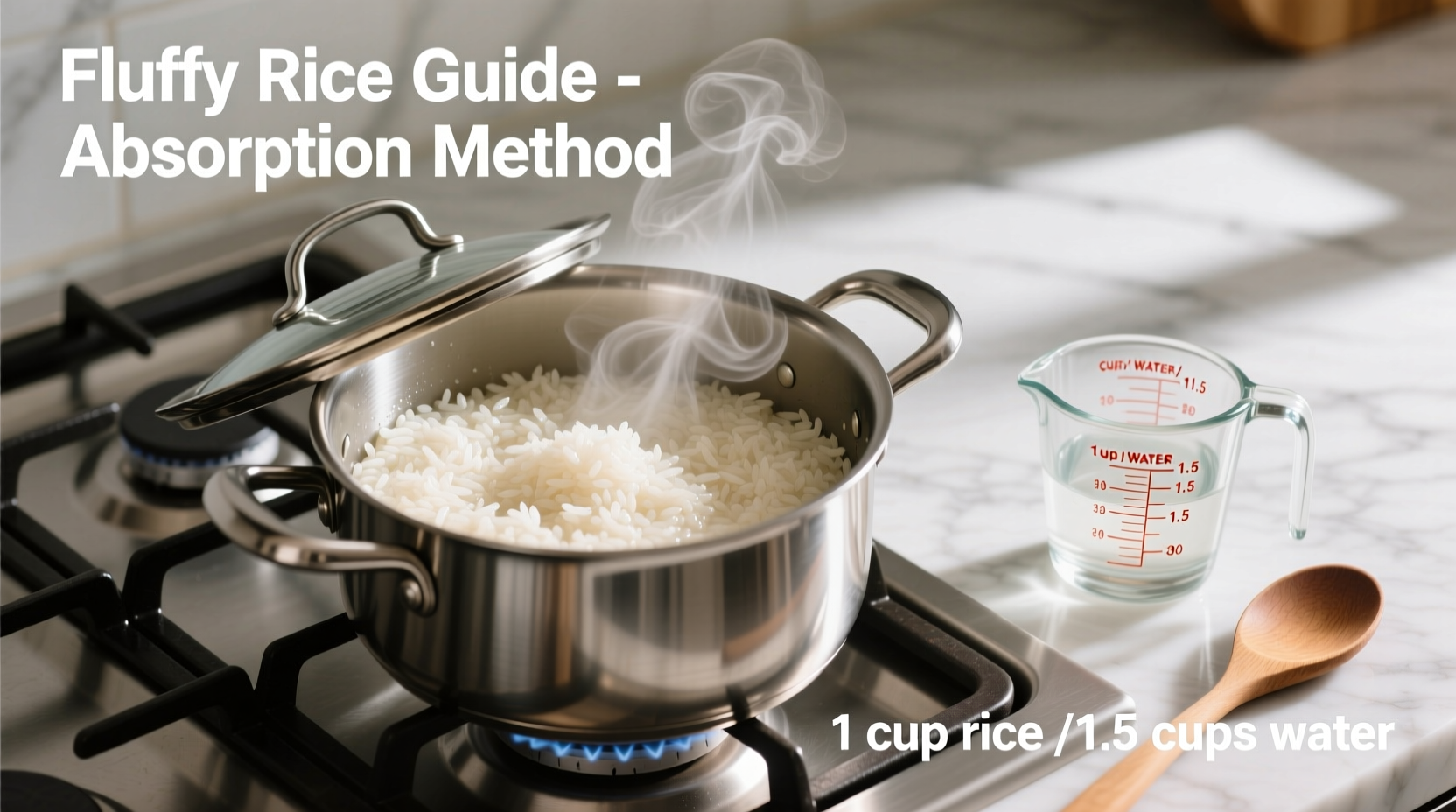
Rice becomes edible when its starch granules absorb water and gelatinize during heating. In the absorption method, the goal is to hydrate each grain fully while minimizing excess moisture that leads to stickiness. Unlike boiling (where rice is submerged and drained), absorption cooking relies on exact water measurements and sealed heat to steam the grains gently from within.
Two primary factors determine texture: hydration level and heat distribution. Too much water causes over-gelatinization, breaking down cell walls and releasing sticky starches. Too little leaves the center hard. Uneven heat creates hotspots, resulting in scorched bottoms and undercooked tops. A tight-fitting lid traps steam, ensuring even cooking throughout.
Starch composition also plays a role. Long-grain varieties like basmati or jasmine contain more amylose, a linear starch molecule that resists clumping and yields drier, fluffier results. Short-grain rices such as sushi or arborio have higher amylopectin, which gels easily and tends toward chewiness or stickiness—desirable in some dishes, less so for fluffy side dishes.
Step-by-Step Guide to Perfect Absorption-Cooked Rice
- Measure precisely: Use a measuring cup for both rice and water. Do not eyeball quantities. For most long-grain white rice, the standard ratio is 1 part rice to 1.75 parts water by volume. Adjust slightly based on age and brand.
- Rinse thoroughly: Place rice in a fine-mesh strainer and rinse under cold running water for 30–60 seconds, swishing with your fingers until the water runs nearly clear. This removes loose starch and prevents gumminess.
- Soak (optional but recommended): Soak rinsed rice in fresh water for 15–30 minutes. This pre-hydrates grains, promoting even cooking and improved texture, especially with aged rice like basmati.
- Drain well: After soaking, drain completely. Excess water alters the critical rice-to-water balance.
- Use the right pot: Choose a heavy-bottomed saucepan with a tight-fitting lid. Thin pots conduct heat unevenly; warped lids allow steam to escape.
- Add rice and water: Combine rice and measured water in the pot. Add a pinch of salt and optionally a teaspoon of oil or butter to further inhibit sticking.
- Bring to a boil uncovered: Set over medium-high heat. Stir once to prevent settling, then let it reach a full boil. You’ll see rapid bubbling across the surface.
- Reduce heat and cover: Once boiling, immediately reduce heat to the lowest possible setting. Cover tightly with the lid. Do not lift the lid during cooking—steam loss disrupts temperature and moisture levels.
- Cook undisturbed: Simmer for exactly 15–18 minutes for white rice. No stirring, no peeking. Trust the process.
- Remove from heat and rest: After cooking time ends, turn off the heat but leave the pot covered. Let it sit undisturbed for 10–15 minutes. This allows residual steam to finish cooking the core and equalizes moisture distribution.
- Fluff and serve: Gently fluff rice with a fork to separate grains and release trapped steam. Avoid spoons or vigorous mixing, which can crush delicate grains.
Water Ratios by Rice Type
While 1:1.75 works for standard long-grain white rice, different varieties require adjustments. Below is a reference table for optimal water-to-rice ratios using the absorption method:
| Rice Variety | Water Ratio (Volume) | Cook Time (Simmer) | Notes |
|---|---|---|---|
| Long-grain white (e.g., Jasmine, Basmati) | 1 : 1.75 | 15–18 min | Rinse well; soak basmati for best elongation |
| Medium-grain white (e.g., Calrose) | 1 : 1.5 | 15 min | Slightly stickier; good for risottos or bowls |
| Short-grain white (e.g., sushi rice) | 1 : 1.25 | 15 min | Needs more starch; do not rinse if stickiness desired |
| Brown rice (long-grain) | 1 : 2.25 | 40–45 min | Requires longer simmer and extended rest |
| Parboiled/converted rice | 1 : 2.0 | 20–25 min | Firm texture; retains shape well |
Common Mistakes and How to Avoid Them
- Not rinsing rice: Surface starch causes clumping. Always rinse unless making sticky rice.
- Using the wrong pot: Thin pots scorch easily. Invest in a heavy 2–3 quart saucepan with a flat base.
- Lifting the lid during cooking: Releasing steam drops internal temperature, leading to uneven texture and undercooked centers.
- Skipping the rest period: Removing rice immediately after cooking traps moisture at the bottom and leaves top grains damp. Resting ensures uniform fluffiness.
- Over-stirring after cooking: Fork only—never spoon or press. Overmixing breaks grains and activates more starch.
- Incorrect heat level: If simmering too high, water evaporates too fast. If too low, rice never reaches proper gelatinization temperature.
Real Example: From Mushy to Masterful
Sarah, a home cook in Denver, struggled for years with dense, gluey rice despite following package instructions. She used a thin aluminum pot, didn’t rinse her jasmine rice, and often lifted the lid to “check progress.” After learning about the absorption method’s nuances, she switched to a heavy stainless steel pot, began rinsing and soaking her rice, and committed to not opening the lid. She also adjusted her water ratio from 1:2 (as stated on the box) to 1:1.75 and added a 12-minute rest after cooking. Her next batch was light, fragrant, and fluffy—each grain distinct. “I had no idea how much difference 10 minutes of resting could make,” she said. “Now my rice turns out restaurant-quality every time.”
Expert Insight
“The absorption method rewards patience and precision. It’s not just about boiling rice—it’s about creating a controlled micro-environment where steam does the work. The moment you lift that lid, you break the seal and compromise the entire process.” — Chef Rafael Kim, Culinary Instructor at Pacific Rim Cooking Academy
Checklist for Foolproof Fluffy Rice
Follow this checklist before starting to ensure success:
- ☐ Measure rice and water accurately with the same cup
- ☐ Rinse rice until water runs mostly clear (except for sticky rice)
- ☐ Soak long-grain rice for 15–30 minutes (optional but beneficial)
- ☐ Use a heavy pot with a tight-fitting lid
- ☐ Apply correct water-to-rice ratio for your variety
- ☐ Bring to boil uncovered, then reduce to lowest heat and cover
- ☐ Cook without lifting the lid for full duration
- ☐ Remove from heat and let rest covered for 10–15 minutes
- ☐ Fluff gently with a fork before serving
Frequently Asked Questions
Why is my rice still crunchy after cooking?
This usually means insufficient water, inadequate heat, or lifting the lid too early. Ensure you’re using the correct ratio, maintain a steady low simmer, and never open the pot during cooking. If rice remains hard, add 1–2 tablespoons of hot water, re-cover, and return to low heat for 5 more minutes before resting.
Can I use broth instead of water?
Absolutely. Substituting water with broth adds depth of flavor. Use the same volume and follow the same method. Be mindful of salt content—reduce added salt if using store-bought broth.
How do I fix mushy rice?
Mushiness comes from excess water or overcooking. To salvage slightly soft rice, spread it thinly on a baking sheet and let it air-dry for 10–15 minutes while fluffing. For future batches, reduce water by 1–2 tablespoons per cup and avoid extending cook time. Never try to re-cook mushy rice—it will only degrade further.
Final Tips for Consistent Results
Perfect rice isn’t magic—it’s method. Once you master the fundamentals of the absorption technique, you can adapt it to any long- or medium-grain white rice with confidence. Store leftover rice in an airtight container in the refrigerator for up to 4 days. Reheat gently with a splash of water to restore moisture.
Keep a small notebook or digital log tracking rice type, water ratio, cook time, and outcome. Within a few tries, you’ll identify your stove’s quirks and your preferred texture. Over time, this builds intuitive skill—but always start with precision.
Conclusion: Make Fluffy Rice a Kitchen Standard
Cooking fluffy rice every time isn’t reserved for chefs or those with fancy appliances. With the absorption method, the right tools, and disciplined execution, anyone can achieve consistent, excellent results. It’s a foundational skill that elevates everyday meals—from simple weeknight dinners to elaborate feasts. Now that you understand the why and how behind each step, there’s no reason to settle for anything less than perfect rice.




 浙公网安备
33010002000092号
浙公网安备
33010002000092号 浙B2-20120091-4
Comments
No comments yet. Why don't you start the discussion?