
Few vegetables divide opinion like okra. Loved for its earthy flavor and nutritional benefits, it’s often avoided due to its notorious slimy texture when cooked improperly. But with the right techniques, fresh okra can be tender, crisp, and deeply flavorful—without a hint of mucilage. Whether you're roasting, sautéing, or frying, mastering simple preparation and cooking methods transforms this humble pod into a standout dish. This guide reveals practical, tested approaches to preparing fresh okra with ease, confidence, and bold taste.
Understanding Okra: Why Texture Matters
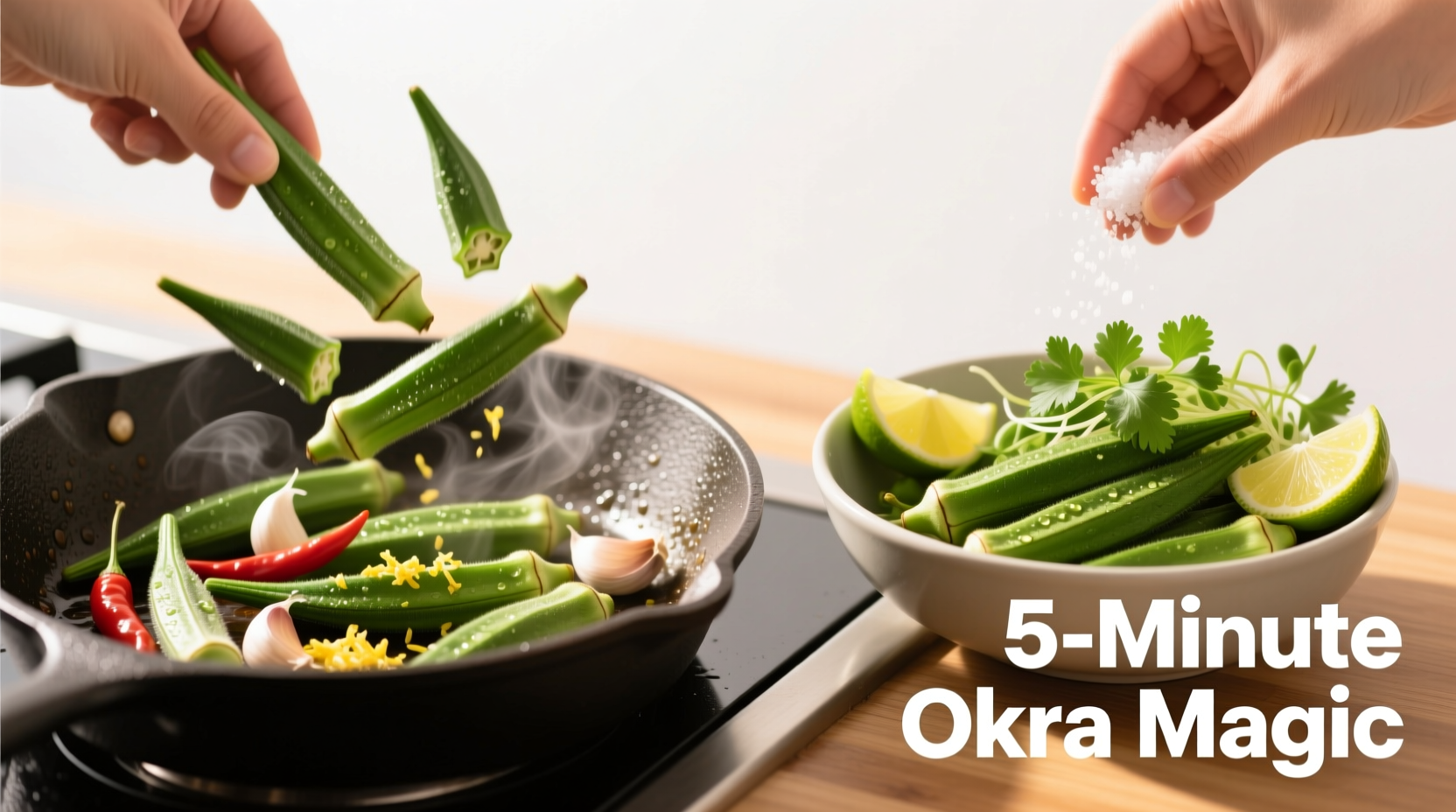
Okra contains natural polysaccharides that release a viscous liquid when heated—especially when boiled or simmered slowly in water. This mucilage is not harmful; in fact, it acts as a thickener in stews like gumbo. However, for those seeking a non-slimy bite, controlling moisture and heat is key. The goal isn’t to eliminate okra’s essence but to manage its behavior through smart prep and high-heat cooking.
The fresher the okra, the better your results. Look for pods that are bright green, firm, and no longer than 3–4 inches. Overgrown okra tends to be fibrous and more prone to sliminess. Avoid any with dark spots, softness, or dry stems.
Preparation Techniques That Prevent Sliminess
Cooking great okra starts long before it hits the pan. How you cut and treat the pods determines whether they turn out crisp or gummy.
Dry Cutting Method: Slice okra only when completely dry. Washing too early causes moisture absorption, which activates slime during cooking. Cut off the stem end without piercing the cap, then slice crosswise or leave whole depending on your recipe.
Acidic Soak (Optional): For extra insurance against sliminess, soak sliced okra in lemon juice or vinegar (1 tablespoon per cup of water) for 10–15 minutes before patting dry. The acid helps stabilize the mucilage.
High-Heat Advantage: Methods like roasting, grilling, or stir-frying rapidly caramelize the exterior, sealing in structure and minimizing ooze. Moisture-heavy methods like boiling should be reserved for dishes where thickness is desired, such as soups.
“Okra doesn’t have to be slimy. Fast, dry-heat cooking is the secret to transforming it into something crisp and delicious.” — Chef Lila Thomas, Southern Vegetarian Kitchen
Step-by-Step Guide: 3 Easy & Flavorful Cooking Methods
Here are three reliable, low-effort ways to cook fresh okra with maximum flavor and zero hassle.
1. Crispy Roasted Okra (Oven Method)
- Preheat oven to 425°F (220°C). Line a baking sheet with parchment paper.
- Dry 1 pound of fresh okra thoroughly. Trim stems and slice into ½-inch rounds.
- Toss with 1½ tablespoons olive oil, ½ teaspoon smoked paprika, ¼ teaspoon garlic powder, and ½ teaspoon salt.
- Spread in a single layer on the baking sheet—do not overcrowd.
- Roast for 20–25 minutes, flipping halfway, until golden brown and crisp at the edges.
- Serve immediately with a squeeze of lime or a dash of hot sauce.
This method delivers crunch without deep frying. The high heat evaporates moisture quickly, preventing slime while enhancing nutty, roasted notes.
2. Quick Sauté with Garlic and Tomatoes
- Heat 1 tablespoon vegetable oil in a skillet over medium-high heat.
- Add 1 diced onion and sauté for 3 minutes until translucent.
- Add 1 pound of dry-sliced okra and cook undisturbed for 5 minutes to encourage browning.
- Stir in 1 chopped tomato, 2 minced garlic cloves, ½ teaspoon cumin, and salt to taste.
- Cook another 7–8 minutes, stirring occasionally, until okra is tender-crisp and tomatoes break down into a light sauce.
- Garnish with fresh cilantro or parsley.
A staple in Indian and West African kitchens, this technique uses acidity from tomatoes and quick cooking to balance texture and taste.
3. Pan-Fried Spicy Okra (Cast Iron Skillet)
- Dry and slice 1 pound okra. In a bowl, toss with 1 tablespoon cornmeal, ½ teaspoon onion powder, ¼ teaspoon cayenne, and ½ teaspoon salt.
- Heat 2 tablespoons oil in a cast-iron skillet over medium-high heat.
- Add okra in batches, avoiding crowding. Fry for 3–4 minutes per side until golden and crispy.
- Drain on paper towels and serve warm with lemon wedges.
The cornmeal coating absorbs excess moisture and creates a satisfying crunch. It's a simplified version of Southern fried okra, minus the batter mess.
Do’s and Don’ts: A Quick Reference Table
| Do’s | Don’ts |
|---|---|
| Wash okra just before use and dry thoroughly | Soak okra for long periods before cooking |
| Cook with high, dry heat (roast, grill, sauté) | Boil or steam okra unless making stew |
| Use acidic ingredients like lemon or tomatoes | Add salt too early (can draw out moisture) |
| Cut just before cooking | Cut okra hours in advance and refrigerate |
| Store fresh okra in a paper bag in the fridge | Store in plastic—it traps moisture and speeds spoilage |
Real Example: From Hesitant Cook to Okra Enthusiast
Maria, a home cook in Austin, used to avoid okra entirely after a failed attempt at boiled okra left her family grimacing. “It was like eating green slime,” she recalls. After learning about roasting from a local farmers’ market demo, she tried the dry-roast method with paprika and garlic. To her surprise, the okra came out crisp, aromatic, and completely non-slimy. Now, it’s a weekly side dish—her kids even ask for “crunchy green stars.” Her turnaround came not from fancy ingredients, but from understanding moisture control and proper heat.
Flavor Boosters: Simple Additions That Elevate Okra
Once you’ve mastered texture, flavor customization is effortless. Try these pairings:
- Lemon zest + olive oil: Brightens roasted okra.
- Cumin + coriander: Adds warmth for Middle Eastern or Indian-inspired dishes.
- Fish sauce or soy sauce: Deepens umami in stir-fries (common in Southeast Asian cuisine).
- Crumbled feta or goat cheese: Balances earthiness after roasting.
- Chopped scallions + rice vinegar: Makes a refreshing warm salad.
For heat lovers, a pinch of crushed red pepper or a few dashes of hot sauce bring dimension without overpowering.
FAQ: Common Questions About Cooking Fresh Okra
Can I eat okra raw?
Yes, young, tender pods can be thinly sliced and added to salads. Raw okra has a grassy, slightly sweet taste and a crisp snap. However, it may still release some mucilage when dressed, so pair it with acidic vinaigrettes to minimize this.
Why does my okra turn brown when I cook it?
Browning is normal during roasting or frying and indicates caramelization—a sign of proper high-heat cooking. If it turns black or burnt, your pan or oven temperature is too high, or the okra was overcrowded.
Is frozen okra as good as fresh?
Frozen okra is pre-cut and blanched, so it will always be softer and more prone to sliminess. It works well in stews or gumbo but won’t achieve the crispness of fresh okra in dry-heat methods.
Conclusion: Make Okra a Staple, Not a Challenge
Cooking fresh okra doesn’t require special skills—just an understanding of its nature and a few strategic steps. By keeping it dry, using high heat, and seasoning boldly, you unlock a vegetable rich in fiber, vitamin C, and antioxidants without the dreaded slime. These easy methods fit seamlessly into weeknight meals, offering variety and nutrition with minimal effort.




 浙公网安备
33010002000092号
浙公网安备
33010002000092号 浙B2-20120091-4
Comments
No comments yet. Why don't you start the discussion?