
Fresh spinach is one of the most versatile and nutrient-dense leafy greens available to home cooks. Packed with iron, vitamin K, folate, and antioxidants, it transitions seamlessly from raw salads to warm side dishes, soups, pastas, and casseroles. Yet despite its simplicity, many home cooks struggle with overcooking, sogginess, or bitterness when preparing fresh spinach. Mastering the art of cooking spinach—knowing when to use dry heat versus moist heat, how much seasoning to apply, and how to preserve its vibrant color and delicate texture—can elevate everyday meals with minimal effort and maximum impact. This guide provides a comprehensive, step-by-step approach to cooking fresh spinach using multiple methods, backed by culinary science and professional kitchen practices.
Definition & Overview
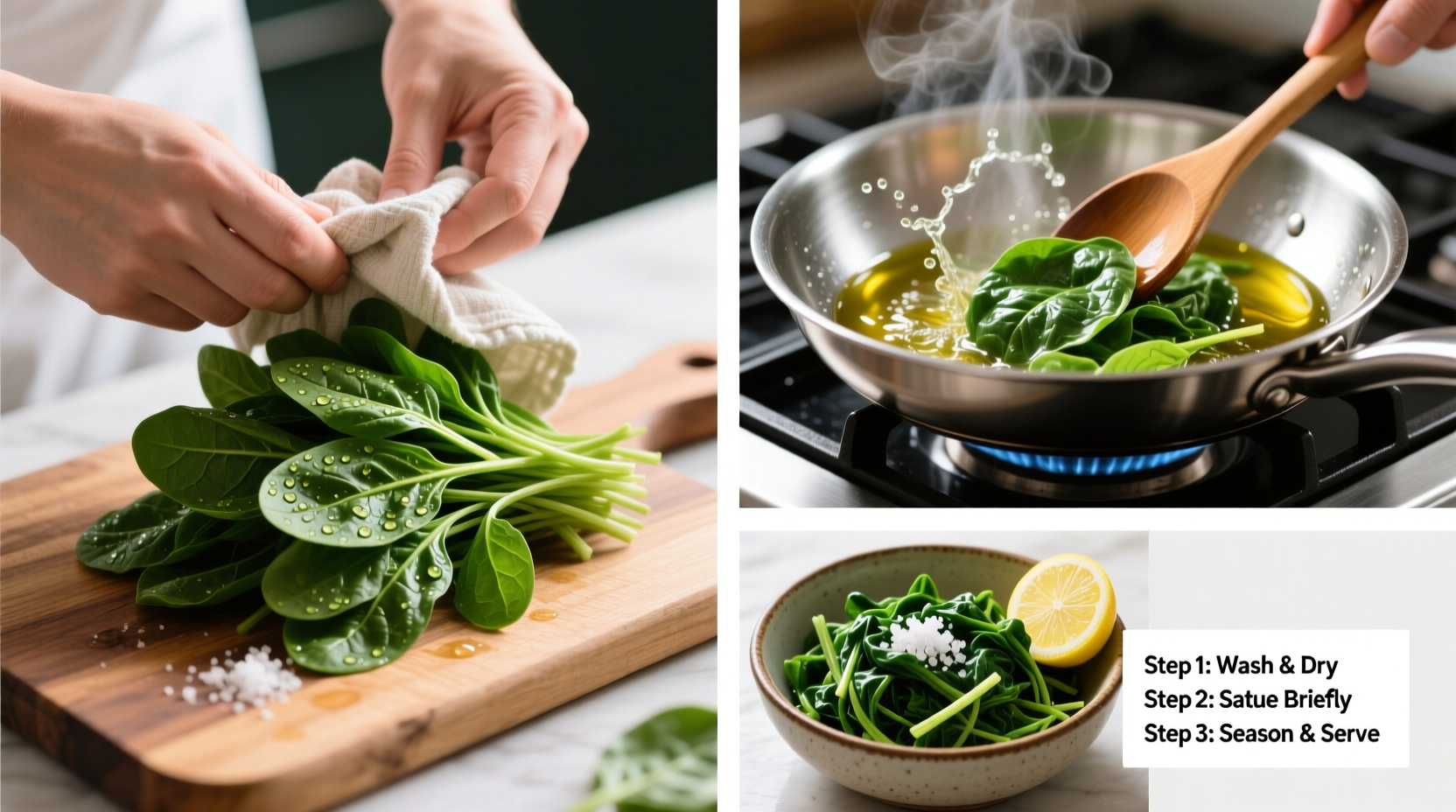
Spinach (Spinacia oleracea) is an annual flowering plant native to Central and Western Asia, now cultivated globally for its edible dark green leaves. It belongs to the Amaranthaceae family and has been a staple in Mediterranean, South Asian, and European cuisines for centuries. There are three primary types of fresh spinach available in markets: baby spinach, flat-leaf (or savoy) spinach, and semi-savoy spinach. Each varies slightly in texture and resilience to heat, but all share a mild, earthy, and subtly sweet flavor profile when fresh.
In culinary terms, fresh spinach refers specifically to unprocessed, unwilted leaves sold in bunches or clamshells, as opposed to frozen or canned versions. Its high water content (approximately 91–93%) makes it highly perishable but also ideal for quick-cooking techniques. When cooked properly, fresh spinach reduces dramatically in volume—often by up to 75%—and transforms into a tender, silky component that absorbs surrounding flavors while retaining a clean vegetal essence.
Key Characteristics
| Characteristic | Description |
|---|---|
| Flavor | Mild, earthy, slightly sweet when fresh; can develop bitterness if overcooked or stored poorly. |
| Aroma | Clean, green, faintly grassy; no pungency when fresh. |
| Color & Form | Deep emerald to dark green; crinkled (savoy) or smooth (flat-leaf); soft and pliable texture. |
| Heat Sensitivity | Extremely high—wilts within seconds under direct heat; best added at the end of cooking. |
| Culinary Function | Bulk reduction agent, nutrient booster, color enhancer, base for purées, filler in fillings and stuffings. |
| Shelf Life | 3–7 days refrigerated in high-humidity drawer; degrades rapidly once wilted or slimy. |
Practical Usage: How to Cook Fresh Spinach Step by Step
Cooking fresh spinach correctly hinges on understanding its physical behavior under heat. The leaves contain oxalic acid and large amounts of moisture, both of which influence texture and taste. Below are four professional-grade methods for cooking fresh spinach, each suited to different applications.
Method 1: Sautéing (Dry Heat with Fat)
Sautéing is the most common method for preparing cooked spinach as a side dish or ingredient in warm preparations like frittatas, pasta, or grain bowls.
- Wash thoroughly: Fill a large bowl with cold water. Submerge spinach and agitate gently to dislodge sand or grit. Lift out (do not pour, as sediment will reattach). Repeat if necessary. Drain in a colander.
- Dry lightly: Use a salad spinner or pat dry with clean towels. Excess water causes steaming rather than sautéing.
- Heat oil or butter: In a wide skillet or sauté pan, heat 1–2 tablespoons of olive oil or butter over medium-high heat until shimmering but not smoking.
- Add aromatics (optional): Include minced garlic, shallot, or red pepper flakes. Cook 15–30 seconds until fragrant—do not brown.
- Add spinach in batches: Begin with half the spinach. Toss continuously with tongs as it wilts. Add remaining spinach and continue tossing until fully collapsed and glossy (about 2–4 minutes total).
- Season: Off heat, season with sea salt, freshly ground black pepper, and optionally a splash of lemon juice or vinegar to balance earthiness.
- Drain excess liquid (if needed): For applications requiring drier spinach (e.g., quiche filling), transfer to a fine-mesh strainer and press gently with a spoon.
Pro Tip: Never cover the pan while sautéing spinach unless you intend to steam it. An uncovered pan allows moisture to evaporate, preserving texture and preventing sogginess.
Method 2: Steaming (Moist Heat, No Fat)
Steaming preserves more nutrients than boiling and yields a cleaner, brighter-tasting result ideal for purées, baby food, or health-focused dishes.
- Place 1–2 inches of water in a pot with a steamer basket. Bring to a simmer.
- Arrange washed and drained spinach loosely in the basket—do not pack tightly.
- Cover and steam for 2–3 minutes until just wilted and bright green.
- Remove immediately and plunge into ice water to halt cooking (optional, for cold applications).
- Drain and squeeze gently if needed.
This method retains chlorophyll better than boiling and minimizes oxidation, preserving visual appeal and subtle sweetness.
Method 3: Blanching and Shocking (For Preservation and Freezing)
Blanching is essential for freezing spinach or incorporating it into long-cooked dishes where pre-wilting improves integration.
- Bring a large pot of salted water to a rolling boil (use 1 tablespoon salt per quart).
- Immerse spinach for exactly 30–60 seconds—no longer.
- Immediately transfer to an ice bath to stop enzymatic activity and lock in color. <4>Drain thoroughly and squeeze out excess water using cheesecloth or a clean towel.
- Portion and freeze in airtight bags for up to 10 months.
Blanched spinach works well in soups, sauces, lasagnas, and dips where raw texture would be undesirable.
Method 4: Incorporating into Simmered Dishes (Soups, Stews, Curries)
Fresh spinach excels in liquid-based dishes, adding color, body, and nutrition without overpowering other ingredients.
- Add during the last 2–3 minutes of cooking to prevent over-reduction.
- Stir in handfuls until wilted and incorporated.
- In creamy curries or lentil stews (e.g., Indian palak dal), stir in after removing from heat to retain vibrancy.
Its natural mucilage thickens sauces slightly, improving mouthfeel without needing flour or cornstarch.
Variants & Types of Fresh Spinach
Not all spinach behaves the same way under heat. Understanding the differences ensures optimal results based on recipe needs.
| Type | Texture | Cooking Suitability | Best Uses |
|---|---|---|---|
| Baby Spinach | Tender, small leaves; minimal stem | Low heat tolerance; wilts instantly | Raw salads, light sautés, blending into smoothies or sauces |
| Flat-Leaf (Savoy) | Crinkled, robust leaves; slightly fibrous stems | High heat resilience; holds shape briefly | Soups, stir-fries, stuffed dishes, batch cooking |
| Semi-Savoy | Moderately textured; hybrid between smooth and crinkled | Balanced performance across methods | General-purpose cooking; commercial kitchens favor this type |
Baby spinach requires less washing and trimming but offers less substance in cooked dishes. Mature savoy spinach delivers deeper flavor and better structure when braised or layered in baked dishes.
Comparison with Similar Leafy Greens
Spinach is often substituted—or confused—with other greens. While interchangeable in some contexts, key differences affect outcome.
| Green | Flavor Profile | Texture When Cooked | Substitution Ratio | Notes |
|---|---|---|---|---|
| Kale | Bitter, peppery, robust | Chewy, fibrous even after cooking | 1:1, but expect longer cook time | Requires massaging or slow braising; not a direct swap |
| Swiss Chard | Earthy, slightly salty | Stems remain crunchy; leaves soften | 1:1 for leaves only | Separate stems and cook first; stalks take longer |
| Arugula | Piquant, nutty, spicy | Very delicate; melts quickly | Use half amount | Loses bite when heated; best added at end |
| Collard Greens | Strong, cabbage-like | Dense, leathery unless boiled long | Not recommended | Requires hours of simmering; structural mismatch |
“Spinach’s magic lies in its ability to disappear into a dish while enhancing everything around it—color, nutrition, texture. But it must be treated with speed and precision. Overthink it, and you lose it.” — Chef Elena Torres, Executive Chef, Green Hearth Bistro
Practical Tips & FAQs
Should I always remove the stems?
No. Tender stems from baby or young spinach are edible and nutritious. Only trim thick, fibrous stems from mature bunches if they feel woody. Always wash before deciding.
Why does my cooked spinach taste bitter?
Bitterness arises from three sources: overcooking (releases oxalic acid), old or stressed plants, or prolonged storage. Counteract with a pinch of sugar, lemon juice, or pairing with creamy fats like ricotta or yogurt.
Can I eat raw spinach daily?
Yes, but vary your greens. Raw spinach contains oxalates that may interfere with calcium absorption and contribute to kidney stones in susceptible individuals. Cooking reduces soluble oxalates by up to 40%.
How do I store fresh spinach?
Line a container with paper towels, add dry spinach, cover, and refrigerate in the crisper drawer. Avoid sealing in plastic without airflow—this accelerates spoilage. Use within 5 days.
Is bagged spinach as good as loose?
Convenience comes at a cost. Pre-washed bags often have higher moisture and shorter shelf life. They’re acceptable for quick sautés but less reliable for raw use due to potential microbial risks. Always inspect for slime or odor.
What’s the yield conversion?
Approximately:
- 1 pound (16 oz) raw spinach = 1 cup cooked
- 10 oz raw = about 4 cups packed cooked
- 1 cup raw baby spinach ≈ 1/4 cup cooked
How can I reduce shrinkage in dishes?
If maintaining volume is critical (e.g., spanakopita), mix in a portion of frozen chopped spinach (thawed and squeezed) with fresh. The processed texture resists further collapse.
Storage Hack: For extended freshness, wrap unwashed spinach in a dry tea towel and place inside an open plastic bag in the fridge. The cloth absorbs excess moisture while allowing air circulation.
Summary & Key Takeaways
Cooking fresh spinach effectively demands attention to timing, moisture control, and method selection. Whether sautéed, steamed, blanched, or folded into simmering dishes, the goal remains consistent: preserve its bright color, delicate flavor, and nutritional integrity while eliminating grit and unpleasant textures.
- Always wash thoroughly—grit ruins texture and experience.
- Use high heat with fat for quick sautés, adding garlic or acid at the end to enhance complexity.
- Steam or blanch when color retention and nutrient preservation are priorities.
- Choose the right type: baby for tenderness, savoy for structure.
- Never overcook—spinach goes from perfect to mushy in under a minute.
- Balance earthiness with citrus, nuts, cheese, or cream.
- Store properly to extend shelf life and prevent spoilage.
Mastering these fundamentals empowers cooks to integrate fresh spinach confidently across cuisines—from French tarts to Indian curries, Italian ravioli to American quiches. With minimal tools and maximum payoff, this humble green remains one of the most powerful allies in healthy, flavorful cooking.




 浙公网安备
33010002000092号
浙公网安备
33010002000092号 浙B2-20120091-4
Comments
No comments yet. Why don't you start the discussion?