
Cooking rice seems simple—water, heat, and grain—but many home cooks still end up with mushy clumps or dry, undercooked kernels. The secret isn’t luck; it’s understanding that each type of rice has unique properties requiring specific water ratios, soaking times, and cooking methods. From long-grain basmati to sticky sushi rice and hearty brown varieties, mastering the nuances ensures consistently excellent results. Whether you’re using a pot, rice cooker, or pressure cooker, precision and technique make all the difference.
The Science Behind Perfect Rice
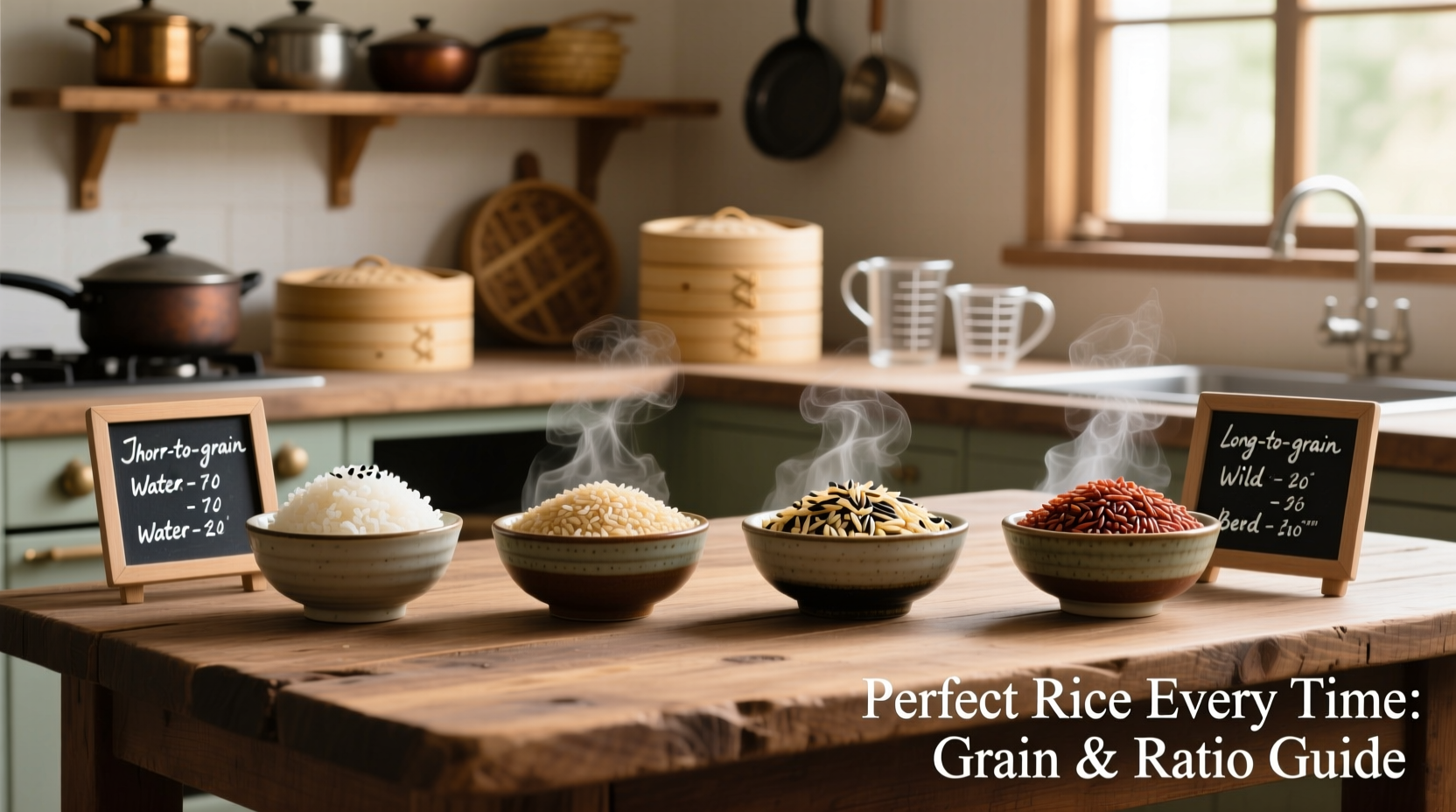
Rice is primarily composed of starch—specifically amylose and amylopectin—which determines texture when cooked. High-amylose rice (like basmati or jasmine) tends to be fluffy and separate, while high-amylopectin rice (such as short-grain sushi or glutinous rice) becomes sticky and cohesive. Water absorption, heat control, and resting time are critical factors in activating these starches properly.
When rice is heated with water, the granules absorb moisture and swell. The gelatinization process begins around 60°C (140°F), where starch molecules unwind and trap water. If too much water is used or the heat is too high, the grains rupture, releasing excess starch and creating a gummy texture. Conversely, insufficient water leads to hard centers and uneven cooking.
Altitude, humidity, and even the mineral content of your water can influence results. At higher elevations, water boils at lower temperatures, requiring longer cooking times or slightly more water. Knowing your environment helps fine-tune the process.
“Perfect rice isn’t about following a single rule—it’s about adapting technique to grain type, equipment, and environment.” — Chef Mei Ling, Culinary Instructor and Author of *The Art of Asian Grains*
Water-to-Rice Ratios by Grain Type
One of the most common mistakes is using the same water ratio for all rices. Each variety absorbs liquid differently due to grain size, processing method, and starch composition. Below is a detailed reference table outlining optimal ratios for common rice types:
| Grain Type | Water Ratio (Cups Water : 1 Cup Rice) | Soaking Required? | Cook Time (Stovetop) | Texture When Cooked |
|---|---|---|---|---|
| White Long-Grain (e.g., Jasmine) | 1.5 : 1 | No | 15–18 minutes | Fluffy, aromatic, slightly sticky |
| Basmati (white) | 1.75 : 1 | Yes (30 min recommended) | 18–20 minutes | Dry, separate, elongated grains |
| Short-Grain White (Sushi Rice) | 1.25 : 1 | Yes (15–20 min) | 15 minutes + 10 min steam | Sticky, glossy, holds shape |
| Brown Long-Grain | 2 : 1 | Optional (30 min improves texture) | 30–35 minutes | Nutty, chewy, firm |
| Black or Forbidden Rice | 2.25 : 1 | Yes (30 min ideal) | 35–40 minutes | Earthy, tender with slight crunch |
| Wild Rice Blend | 2.5 : 1 | No | 45–50 minutes | Robust, chewy, popping texture |
| Glutinous (Sticky) Rice | 1.2 : 1 (steamed, not boiled) | Yes (4+ hours or overnight) | 20 minutes steaming | Dense,黏性 (sticky), moist |
Step-by-Step Cooking Methods
While the stovetop remains the most accessible method, different appliances yield varying results. Here’s how to achieve perfection across three common techniques.
1. Stovetop Method (Absorption Technique)
- Rinse the rice: Place rice in a fine-mesh strainer and rinse under cold water, gently swishing with fingers until water runs clear (usually 3–4 rinses).
- Soak if needed: For basmati, sushi, or glutinous rice, soak for 15–30 minutes (or longer for sticky rice). Drain thoroughly.
- Combine rice and water: Use the correct ratio from the table above. Add a pinch of salt and optional fat (butter, oil, or ghee) for flavor and texture.
- Bring to a boil: Use medium-high heat. Once boiling, stir once to prevent sticking, then immediately reduce to the lowest possible simmer.
- Cover and cook: Do not lift the lid. Steam is essential. Cook for the time specified in the table.
- Rest off heat: After cooking, remove from heat and let sit, covered, for 10–15 minutes. This allows residual steam to finish cooking and equalize moisture.
- Fluff and serve: Gently fluff with a fork or rice paddle to separate grains without mashing them.
2. Rice Cooker Method
Rice cookers automate temperature control and switching to “keep warm” mode after cooking, making them ideal for consistent results.
- Rinse and soak rice as needed.
- Add rice and measured water to the inner pot.
- Select the appropriate setting: “White,” “Brown,” “Sushi,” or “Quick” depending on your model.
- Wait for the automatic switch-off, then allow a 15-minute rest before opening.
- Fluff and serve.
Note: Many modern rice cookers have built-in sensors that adjust cooking time based on moisture levels, improving accuracy.
3. Steaming Glutinous Rice
Traditional sticky rice requires steaming, not boiling, to maintain its distinct chewy texture.
- Soak glutinous rice in water for at least 4 hours or overnight.
- Drain completely and spread over a cheesecloth-lined bamboo or metal steamer.
- Steam over rapidly boiling water for 20 minutes.
- Flip the rice cake halfway through to ensure even cooking.
- Test for doneness: grains should be translucent and tender but not soft.
Common Mistakes and How to Avoid Them
Even experienced cooks make errors that compromise rice quality. Recognizing these pitfalls improves consistency.
- Not rinsing white rice: Surface starch causes clumping. Always rinse unless making risotto or porridge.
- Using the wrong pot size: A wide, heavy-bottomed saucepan distributes heat evenly. Too narrow a pot increases risk of scorching.
- Lifting the lid during cooking: Releasing steam interrupts the process and leads to uneven texture.
- Overcooking brown rice: Due to its bran layer, brown rice needs more water and time, but exceeding recommendations makes it mushy.
- Skipping the soak for certain grains: Soaking reduces cooking time and improves texture for basmati and sticky rice.
- Stirring after boiling: Stirring breaks grains and releases starch, resulting in gluey rice.
“Rice is forgiving only if you respect its structure. Treat it gently, and it rewards you with perfect texture.” — Hiroshi Tanaka, Sushi Master, Tokyo
Real-World Example: Cooking Basmati for a Dinner Party
Sophia was hosting her first Indian-themed dinner and wanted to impress guests with fragrant, fluffy basmati rice to accompany her biryani. In past attempts, her rice turned out sticky or burnt. This time, she followed a refined method:
- She used aged Pakistani basmati, known for longer grains and better aroma.
- After rinsing five times, she soaked the rice for 30 minutes to rehydrate the kernels evenly.
- She used a heavy-bottomed pot with a tight-fitting lid, adding 1.75 cups of water per cup of rice, plus a bay leaf and two green cardamom pods.
- After bringing it to a boil, she reduced the heat to low, covered it, and set a timer for 18 minutes—no peeking.
- Once done, she turned off the heat and let it rest for 15 minutes.
The result? Long, separate, aromatic grains that stayed light and never clumped. Her guests assumed she’d ordered takeout. The key wasn’t special ingredients—it was attention to detail.
Essential Checklist for Foolproof Rice
Use this checklist before starting to ensure success every time:
- ☑ Identify the rice type and confirm the correct water ratio
- ☑ Rinse white rice until water runs clear
- ☑ Soak if required (especially basmati, sushi, or sticky rice)
- ☑ Use a heavy pot with a tight-fitting lid or a reliable rice cooker
- ☑ Measure water precisely—use the same cup for rice and water
- ☑ Bring to boil, then immediately reduce to lowest simmer
- ☑ Keep lid closed during cooking and resting
- ☑ Allow 10–15 minutes of resting time after cooking
- ☑ Fluff gently with a fork or rice paddle before serving
Frequently Asked Questions
Can I use broth instead of water?
Yes, substituting broth adds depth of flavor, especially for dishes like pilafs or grain bowls. Just maintain the same volume as water. Be mindful of salt content—reduce added salt accordingly.
Why does my rice always stick to the bottom?
This usually happens due to too-high heat or insufficient water. Use the lowest possible simmer and a heavy-bottomed pot to distribute heat evenly. Adding a teaspoon of oil can also help prevent sticking.
How do I fix undercooked rice?
If rice is still crunchy, add 2–3 tablespoons of hot water, cover, and return to low heat for 5–7 minutes. Let it rest afterward. Avoid adding cold water, which shocks the grains.
Conclusion: Mastery Through Consistency
Cooking perfect rice isn’t magic—it’s method. By matching the right water ratio to the grain, respecting soaking and resting phases, and avoiding common missteps, anyone can produce restaurant-quality results at home. The beauty of rice lies in its versatility: a blank canvas for global cuisines, yet deeply personal in its preparation. Once you internalize these principles, you won’t need recipes—you’ll know by feel.




 浙公网安备
33010002000092号
浙公网安备
33010002000092号 浙B2-20120091-4
Comments
No comments yet. Why don't you start the discussion?