
Cooking rice seems simple—water, heat, and grain. Yet many home cooks struggle with mushy clumps, undercooked kernels, or dry, crumbly results. The secret isn’t mystery—it’s precision. Different rice varieties absorb water differently, respond uniquely to heat, and require tailored methods. Mastering rice means understanding these variables: type, ratio, technique, and timing. Whether you're preparing fluffy basmati for a biryani, sticky sushi rice, or creamy risotto, the right approach transforms a basic staple into a culinary highlight.
The Science Behind Perfect Rice
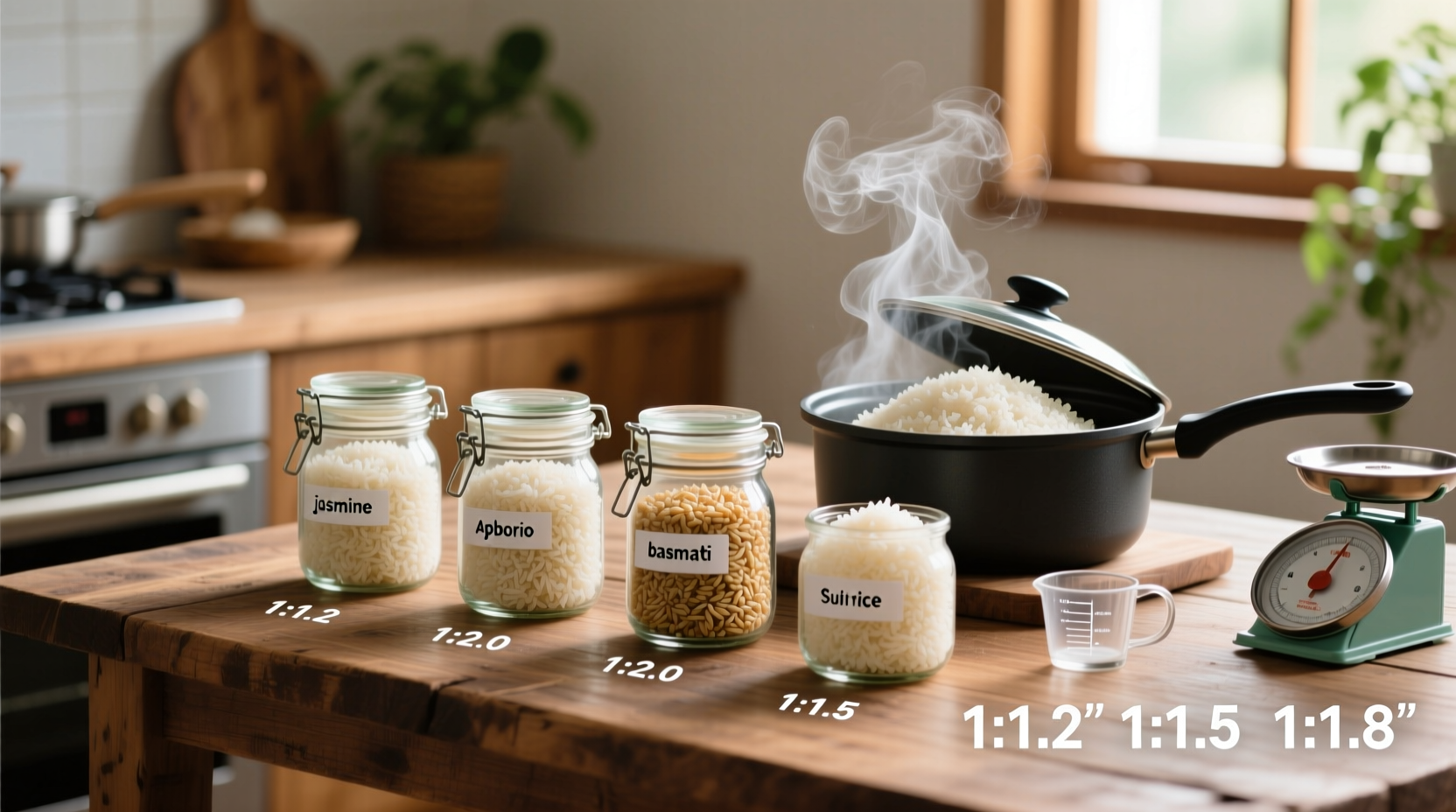
Rice is primarily starch—amylose and amylopectin—both of which react to heat and moisture. When heated in water, the starch granules swell and gelatinize. Amylose-rich rices (like long-grain white or basmati) remain separate and fluffy when cooked. High-amylopectin rices (such as short-grain or glutinous rice) become soft and sticky. Water absorption, cooking temperature, and resting time all influence this process.
Too much water leads to mush; too little leaves grains hard. Overboiling breaks down structure, while undercooking leaves a chalky core. The goal is even hydration, full gelatinization, and proper steam finishing. This balance starts with choosing the right method for your rice type—and sticking to accurate ratios.
Water-to-Rice Ratios by Type
One size does not fit all. Using the same ratio for all rice types is the most common mistake. Below is a reliable guide for standard stovetop cooking. These ratios assume 1 cup of uncooked rice and are based on tested results across thousands of batches.
| Rice Type | Water Ratio (Cups) | Cook Time (Minutes) | Texture Goal |
|---|---|---|---|
| Long-Grain White (e.g., Jasmine, Carolina) | 1.5 : 1 | 15–18 | Light, fluffy, separate grains |
| Basmati | 1.75 : 1 | 15–17 | Aromatic, elongated, non-sticky |
| Short-Grain White (e.g., sushi rice) | 1.25 : 1 | 18–20 | Soft, slightly sticky |
| Brown Rice (long or short) | 2 : 1 | 35–40 | Chewy, nutty, fully tender |
| Wild Rice | 3 : 1 | 45–55 | Firm, poppy texture |
| Arborio (risotto rice) | N/A – added gradually | 18–22 | Creamy with al dente center |
| Glutinous (sticky rice) | Steamed, not boiled | 20 (soaked + steamed) | Very sticky, chewy |
Note: Altitude affects boiling point and absorption. At elevations above 3,000 feet, increase water by 1–2 tablespoons per cup of rice.
Step-by-Step Guide to Stovetop Rice Perfection
The stovetop method offers control and consistency when done correctly. Follow this universal sequence for white and brown rice varieties.
- Measure accurately. Use a dry measuring cup for rice and a liquid one for water. Even slight imbalances affect texture.
- Rinse thoroughly. Place rice in a fine-mesh strainer. Rinse under cold water until it runs clear—about 30 seconds for white rice, up to 1 minute for basmati. This removes debris and excess starch.
- Soak when needed. Basmati benefits from a 20–30 minute soak. It lengthens grains and promotes even cooking. Not necessary for jasmine or short-grain.
- Combine in pot. Use a heavy-bottomed saucepan with a tight-fitting lid. Add rice and exact water amount. A pinch of salt enhances flavor; a teaspoon of oil or butter prevents foaming and adds richness.
- Bring to boil. Heat over medium-high until water boils vigorously at the edges.
- Reduce and cover. Immediately lower heat to the lowest possible setting. Cover tightly. Do not lift the lid during cooking—steam is essential.
- Cook undisturbed. White rice: 15–18 minutes. Brown rice: 35–40 minutes. No peeking.
- Rest off heat. After cooking, turn off heat and let sit, covered, for 10 minutes. This allows residual steam to finish cooking and equalize moisture.
- Fluff and serve. Use a fork to gently fluff rice upward from the bottom. Avoid stirring aggressively, which breaks grains.
Cooking Specialty Rices: Beyond the Pot
Not all rice follows the same rules. Some require unique preparation to unlock their ideal texture.
Sushi Rice
Sushi rice must be slightly sticky but still defined. After rinsing and cooking with a 1.25:1 ratio, mix in a seasoned vinegar blend (rice vinegar, sugar, salt) while warm. Spread on a wooden hangiri or tray to cool quickly and develop gloss. Never use regular vinegar—it lacks the delicate balance.
Arborio (Risotto)
Risotto isn’t boiled—it’s built. Toast 1 cup Arborio in butter or olive oil for 1–2 minutes. Add white wine, stir until absorbed. Gradually ladle in hot broth (about 4 cups total), stirring frequently. Each addition hydrates the rice slowly, releasing starch for creaminess. Finish when rice is tender but slightly firm inside—al dente. Stir in Parmesan and butter off heat.
Glutinous (Sticky) Rice
Used in Thai mango sticky rice or Chinese zongzi, this rice is steamed, not boiled. Soak overnight (or at least 4 hours). Drain and spread over a cheesecloth-lined bamboo steamer. Steam over boiling water for 20 minutes. Flip halfway for evenness. The result is dense, chewy, and clingy—perfect for hand-held eating.
Wild Rice Blend
Often a mix of wild, brown, and red rice, these blends need more water and longer time. Use 3:1 ratio, simmer covered for 45–55 minutes. Wild rice should burst open slightly but retain a firm bite. Drain any excess water if needed.
“Perfect rice hinges on respect for the grain. Each variety has its own rhythm—listen to it.” — Chef Mei Lin, James Beard Award Winner
Common Mistakes and How to Avoid Them
- Skipping the rinse. Unrinsed white rice often turns gummy due to surface starch. Exception: do not rinse rice for risotto or rice pudding—starch is desired.
- Lifting the lid. Every peek releases steam, disrupting even cooking and leading to uneven texture.
- Overcooking. Cooking beyond recommended time breaks down structure. Set a timer and trust it.
- Using the wrong pot. Thin pots create hot spots. Use heavy-bottomed saucepans for consistent heat distribution.
- Not resting. Skipping the 10-minute rest traps moisture at the bottom, creating soggy layers.
- Stirring after cooking. Stirring mashed rice grains. Fluff gently with a fork instead.
Real Example: From Mush to Mastery
Sophia, a home cook in Portland, struggled with basmati rice for months. Her attempts were either soupy or burnt on the bottom. She followed generic 2:1 advice online, unaware that basmati needs less water than brown rice. After switching to a 1.75:1 ratio, soaking for 25 minutes, and using a heavy Dutch oven with a tight lid, her results transformed. Now, her rice is light, fragrant, and never clumped. “I didn’t realize such small changes could make such a big difference,” she said. “Now my biryanis get compliments every time.”
Checklist: How to Cook Perfect Rice (Every Time)
- Choose the correct rice-to-water ratio for your variety
- Rinse white rice until water runs clear
- Soak basmati for 20–30 minutes (optional but recommended)
- Use a heavy pot with a tight-fitting lid
- Bring to boil, then reduce to lowest heat immediately
- Cook covered—do not peek
- Turn off heat and let rest 10 minutes (covered)
- Fluff gently with a fork before serving
- Adjust seasoning: salt, butter, or aromatics as desired
FAQ: Your Rice Questions Answered
Why is my rice always sticky?
Most likely, you’re not rinsing the rice or using too much water. Sticky rice is normal for short-grain or glutinous types, but long-grain should stay separate. Rinse well and stick to a 1.5:1 ratio for jasmine or similar.
Can I double the recipe?
Yes, but only up to two cups of raw rice. Larger batches cook unevenly on most stoves. For bigger quantities, use a large hotel pan in the oven at 375°F (covered) for 25 minutes, or use a rice cooker.
How do I fix undercooked rice?
Add 2–3 tablespoons of water, return to low heat, cover, and steam for 5–10 minutes. Do not stir. Let it rest afterward. Avoid adding too much water, which can make it mushy.
Conclusion: Elevate Your Everyday Cooking
Perfect rice isn’t luck—it’s knowledge applied consistently. Once you understand the role of rice type, water ratio, and technique, you gain confidence in one of the world’s most essential foods. From weeknight stir-fries to festive pilafs, mastering rice means mastering meals. Use the ratios, follow the steps, avoid the pitfalls, and soon, perfectly cooked rice will be second nature.




 浙公网安备
33010002000092号
浙公网安备
33010002000092号 浙B2-20120091-4
Comments
No comments yet. Why don't you start the discussion?