
Cooking pork loin in the oven can be a straightforward path to a delicious, protein-rich meal—if done correctly. Too often, home cooks end up with dry, tough meat because of overcooking, improper seasoning, or skipping essential steps like resting. But when you follow a few key principles, pork loin transforms into a succulent centerpiece that pairs beautifully with roasted vegetables, mashed potatoes, or grain salads. This guide walks you through the entire process, from selecting the right cut to carving and serving, ensuring consistently tender and juicy results.
Choose the Right Cut and Prepare It Properly
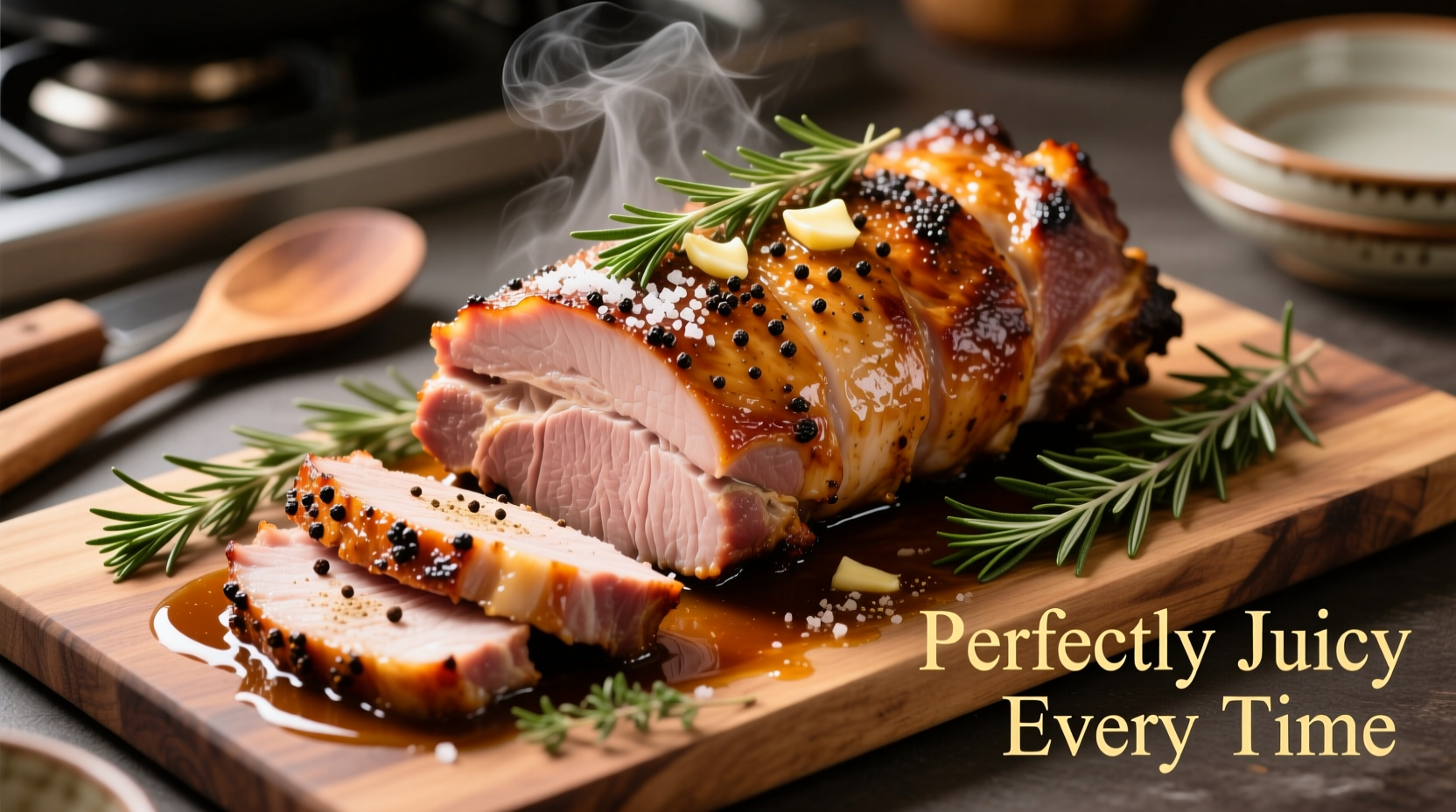
Pork loin is a long, lean muscle cut from the back of the pig. It’s different from pork tenderloin, which is smaller and more delicate. A full pork loin can weigh anywhere from 3 to 5 pounds and is ideal for feeding a family or preparing leftovers. When shopping, look for a cut with even thickness and a thin layer of fat on one side—this fat cap helps keep the meat moist during roasting.
Before cooking, trim excess fat down to about ¼ inch thick. Removing too much eliminates flavor and moisture protection; leaving too much can cause flare-ups or greasy results. Pat the meat dry with paper towels to ensure a good sear and better seasoning adhesion.
Season Generously for Maximum Flavor
Because pork loin is lean, it benefits greatly from bold seasoning. A simple but effective dry rub enhances taste without masking the meat’s natural sweetness. Combine salt, black pepper, garlic powder, onion powder, smoked paprika, and dried rosemary for a balanced profile. For extra depth, add a tablespoon of brown sugar or mustard powder.
Rub the mixture all over the pork, pressing it gently into the surface. Don’t forget the sides and the fat cap. If time allows, season the pork loin 12–24 hours in advance and refrigerate it uncovered. This dry-brining method draws out moisture initially, then reabsorbs seasoned liquid back into the meat, improving both flavor and texture.
“Salt early and let it rest. That small step makes a dramatic difference in juiciness.” — Chef Marcus Bell, Culinary Instructor at Midwest Institute of Food Arts
Step-by-Step Guide to Roasting Pork Loin
The secret to juicy oven-roasted pork loin lies in controlled heat and accurate temperature monitoring. Follow this timeline for best results:
- Preheat the oven to 375°F (190°C). Use the middle rack for even air circulation.
- Prepare the roasting pan. Place a wire rack inside a rimmed baking sheet or roasting pan. Elevating the meat ensures hot air circulates around it, promoting even browning.
- Sear the pork (optional but recommended). Heat 1–2 tablespoons of oil in an oven-safe skillet over medium-high heat. Sear the pork on all sides until golden brown—about 2–3 minutes per side. This builds flavor through the Maillard reaction.
- Transfer to the oven. If using a skillet, place it directly in the oven. Otherwise, place the pork on the rack in the roasting pan.
- Roast until internal temperature reaches 140–145°F (60–63°C). This typically takes 20–25 minutes per pound. Use a digital meat thermometer inserted into the thickest part, avoiding bone or fat.
- Remove and rest. Transfer the pork to a cutting board, tent loosely with foil, and let it rest for 10–15 minutes. Temperature will rise 5–10 degrees during this time, reaching the USDA-recommended 145°F for safety and optimal juiciness.
- Carve against the grain. Slice into ½-inch thick pieces for maximum tenderness.
Do’s and Don’ts: Avoid Common Mistakes
| Do’s | Don’ts |
|---|---|
| Use a meat thermometer to monitor doneness accurately. | Guess doneness by time alone—ovens vary and cuts differ. |
| Let the meat rest after cooking to retain juices. | Cut into the pork immediately—this causes moisture loss. |
| Baste occasionally with pan juices or broth if not seared. | Over-baste with sugary glazes early—they burn easily. |
| Add aromatics like onions, garlic, or herbs to the pan for flavor. | Crowd the pan—this steams instead of roasts the meat. |
| Store leftovers properly in airtight containers within two hours. | Leave cooked pork at room temperature for more than two hours. |
Real Example: Sunday Dinner Success
Jamie, a home cook from Portland, used to avoid pork loin because her previous attempts turned out dry. After reading about dry-brining and temperature control, she decided to try again. She seasoned a 4-pound pork loin with salt, pepper, garlic, and rosemary the night before and left it uncovered in the fridge. The next day, she brought it to room temperature, seared it in a cast-iron skillet, and roasted it at 375°F. Using a digital thermometer, she removed it at 142°F and let it rest for 15 minutes. The result? “The most tender, flavorful pork I’ve ever made,” she said. “Even my kids asked for seconds.”
Enhance with Glaze or Pan Sauce
For added richness, consider finishing your pork loin with a glaze or pan sauce. During the last 15 minutes of cooking, brush on a mixture of honey, Dijon mustard, and apple cider vinegar. Alternatively, deglaze the roasting pan with chicken broth, scrape up the browned bits, and reduce with a splash of cream or butter for an elegant sauce.
If stuffing the pork, use ingredients like sautéed apples, spinach, and feta, or a savory herb breadcrumb mix. Secure with kitchen twine to maintain shape. Stuffed loins may require slightly longer cooking—add 5–10 minutes per pound and check temperature in multiple spots.
Frequently Asked Questions
Can I cook pork loin from frozen?
It’s not recommended. Cooking from frozen leads to uneven results—exterior overcooks while interior remains cold. Thaw pork in the refrigerator for 24–48 hours before roasting for best texture and safety.
What’s the difference between pork loin and pork tenderloin?
Pork loin is larger, thicker, and less tender but more forgiving when roasted. Pork tenderloin is smaller (1–1.5 lbs), very tender, and cooks faster—usually under 30 minutes at 400°F. Don’t substitute one for the other without adjusting time and temperature.
How long do leftovers last?
Cooked pork loin stays fresh in the refrigerator for 3–4 days. Slice and store in shallow containers to cool quickly. Reheat gently in a skillet with a splash of broth to restore moisture, or enjoy cold in salads and sandwiches.
Checklist for Perfect Oven-Roasted Pork Loin
- ☑ Select a pork loin with a visible fat cap (¼ inch thick)
- ☑ Trim excess fat and pat dry
- ☑ Season generously (dry-brine overnight if possible)
- ☑ Bring to room temperature before cooking
- ☑ Preheat oven to 375°F and use a rack in the roasting pan
- ☑ Sear for color (optional but recommended)
- ☑ Roast until internal temperature reaches 140–145°F
- ☑ Rest for 10–15 minutes before slicing
- ☑ Use a meat thermometer for accuracy
- ☑ Store leftovers promptly in airtight containers
Final Thoughts
Cooking pork loin in the oven doesn’t have to be intimidating. With attention to seasoning, temperature, and resting, you can achieve restaurant-quality results at home. The key is patience and precision—not rushing the process and relying on tools like a meat thermometer to guide you. Whether it’s a weeknight dinner or a holiday spread, a perfectly roasted pork loin delivers elegance and satisfaction with minimal effort.




 浙公网安备
33010002000092号
浙公网安备
33010002000092号 浙B2-20120091-4
Comments
No comments yet. Why don't you start the discussion?