
Cooking shark might sound intimidating, but with the right techniques, it can be a flavorful and satisfying addition to your seafood repertoire. Often misunderstood due to its firm texture and potential for toughness if mishandled, shark meat responds beautifully to proper preparation and cooking. Found in coastal regions around the world—from Florida to Southeast Asia—shark is lean, dense, and mild when treated correctly. This guide walks you through selecting, preparing, and cooking shark using straightforward methods that deliver consistent, delicious results.
Selecting and Preparing Fresh Shark
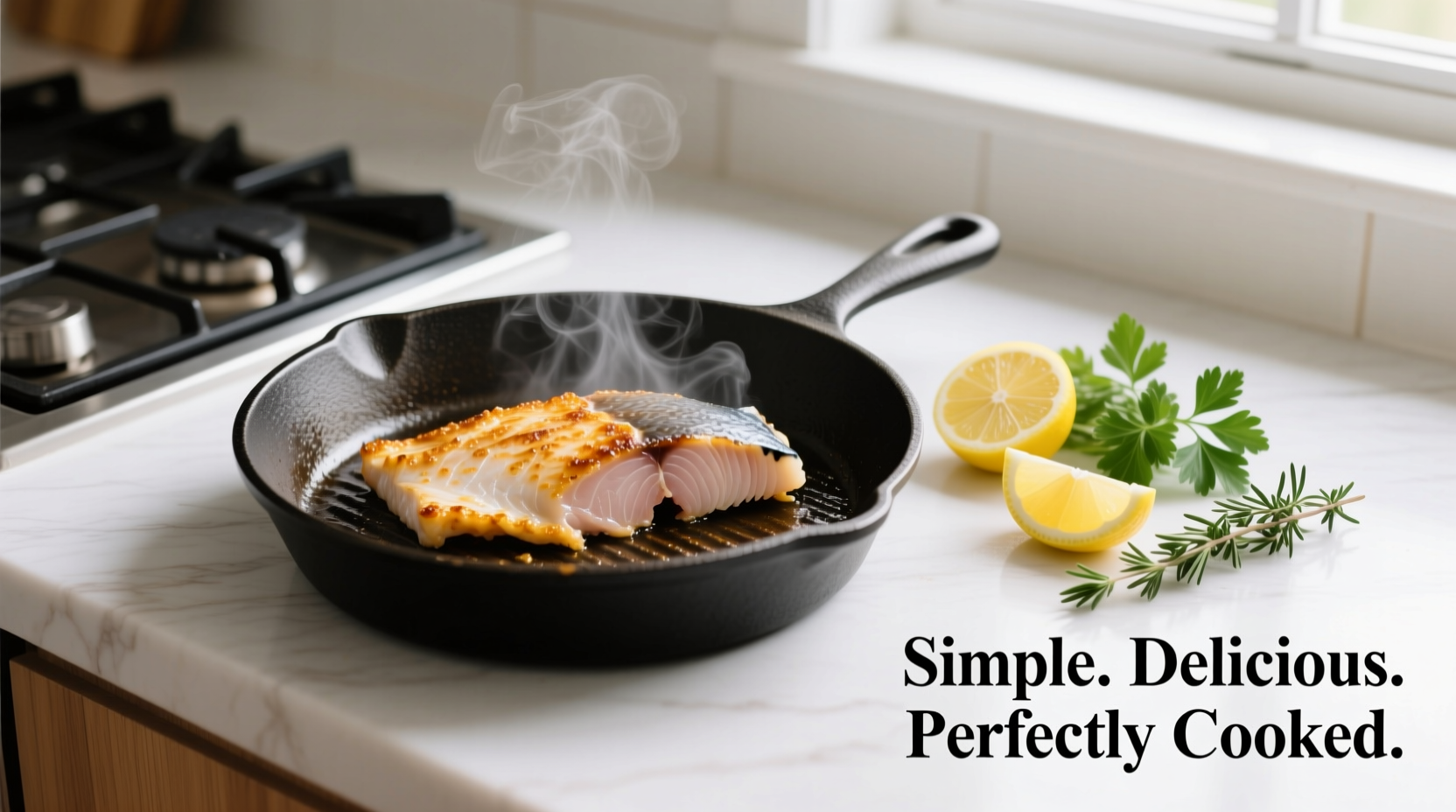
The foundation of great shark cookery begins at the point of purchase. Not all shark species are suitable for eating, and freshness is critical. Look for fillets that are firm, translucent, and have a clean ocean scent. Avoid any pieces with a grayish tint, slimy surface, or ammonia-like odor—signs of spoilage.
Species like mako, blacktip, and dogfish are commonly used in culinary applications. Mako, in particular, is prized for its steak-like texture and mild flavor, making it ideal for grilling or pan-searing.
Before cooking, rinse the fillet under cold water and pat dry thoroughly. If the shark has a strong \"fishy\" smell, soak it in milk or a mixture of milk and lemon juice for 20–30 minutes. This neutralizes any lingering odors and tenderizes the flesh slightly.
Essential Cooking Methods for Tender, Flavorful Shark
Shark's low fat content means it can dry out quickly if overcooked. The key is moisture retention and controlled heat. Below are four reliable methods that yield excellent results.
1. Pan-Searing (Best for Steaks)
Pan-searing works exceptionally well for thick shark steaks. The high heat creates a golden crust while preserving the moist interior.
- Season both sides of the steak with salt, pepper, and a light dusting of paprika for color.
- Heat a heavy skillet (cast iron preferred) over medium-high heat with a tablespoon of oil (avocado or grapeseed oil work best).
- Sear for 3–4 minutes per side, depending on thickness. Internal temperature should reach 140°F (60°C).
- Rest for 5 minutes before serving to allow juices to redistribute.
2. Grilling (Ideal for Summer Meals)
Grilled shark takes on a smoky depth that complements its natural richness. Use a marinade to add moisture and flavor.
A simple marinade: olive oil, lemon juice, minced garlic, chopped parsley, salt, and black pepper. Marinate for 30–60 minutes—no longer, as acid can start to \"cook\" the surface.
Preheat grill to medium-high. Oil the grates and place shark directly on the grill. Cook 4–5 minutes per side. Use a spatula and tongs to flip gently—shark is firmer than other fish but still delicate.
3. Baking (Perfect for Even Cooking)
Baking ensures gentle, even heat distribution, reducing the risk of drying out. This method suits thinner fillets or whole loins.
Preheat oven to 375°F (190°C). Place seasoned shark in a baking dish, drizzle with olive oil, and add a splash of broth or white wine. Cover with foil and bake for 15–20 minutes, depending on thickness. Uncover during the last 5 minutes to brown the top if desired.
4. Blackening (Bold Flavor, Restaurant-Style)
Originating in Creole cuisine, blackening involves coating the fish in a spice blend and searing it in a smoking-hot skillet.
Mix spices: paprika, cayenne, thyme, garlic powder, onion powder, salt, and black pepper. Dredge shark fillet in the mixture, pressing it into the surface. Heat a cast-iron skillet until very hot, add butter and oil, then sear each side for 2–3 minutes until charred and cooked through.
Do’s and Don’ts When Cooking Shark
| Do | Don't |
|---|---|
| Soak in milk to reduce odor | Overcook—it dries out fast |
| Use high heat for searing | Marinate too long in acidic liquids |
| Rest after cooking | Use low-quality oil that burns easily |
| Pair with citrus or creamy sauces | Assume all sharks are edible—research species first |
| Check internal temperature (140°F) | Ignore sustainability labels |
Expert Insight: Why Technique Matters
Shark meat’s unique composition demands attention to technique. Unlike fatty fish like salmon, shark lacks intramuscular fat, which normally keeps flesh moist during cooking. That makes moisture-preserving methods essential.
“Shark is one of the most underrated seafood proteins. When handled properly—quick sear, minimal seasoning, no overcooking—it can rival swordfish or even beef in satisfaction.” — Chef Rafael Torres, Coastal Seafood Specialist
Real Example: A Home Cook’s Success Story
Lena, a home cook from Charleston, initially avoided shark after a dry, rubbery experience at a seaside diner. Determined to give it another try, she followed a simple pan-sear method: soaked the mako fillet in buttermilk for 30 minutes, seasoned with sea salt and smoked paprika, then seared in a hot cast-iron skillet with olive oil and a touch of butter.
The result? A juicy, flaky interior with a crisp crust. She served it with grilled lemon and a mango-avocado salsa. Her family didn’t believe it was shark. “It tasted like a cross between tuna and chicken,” she said. “Now I buy it every few weeks.”
Step-by-Step Guide: Perfect Pan-Seared Shark Fillet
- Choose fresh mako or dogfish fillet – about 1 inch thick.
- Soak in milk for 30 minutes to neutralize odor and tenderize.
- Rinse and pat dry thoroughly—moisture prevents browning.
- Season generously with salt, pepper, and optional paprika or garlic powder.
- Heat 1 tbsp avocado oil in a cast-iron skillet over medium-high heat until shimmering.
- Add fillet, presentation side down. Do not move it for 3–4 minutes.
- Flip carefully and cook another 3–4 minutes until internal temp reaches 140°F.
- Rest for 5 minutes before serving with lemon wedges or sauce.
Frequently Asked Questions
Is it safe to eat shark?
Yes, when sourced responsibly and cooked properly. However, some large predatory sharks (like hammerheads or great whites) can contain high levels of mercury. Stick to smaller, sustainably harvested species such as dogfish or mako, and consume in moderation—especially for pregnant individuals.
Can I cook shark from frozen?
It's best to thaw shark slowly in the refrigerator overnight. Cooking from frozen often leads to uneven texture and excess moisture release, increasing the chance of a soggy or tough result. If necessary, use a sealed bag submerged in cold water to speed thawing.
What does cooked shark taste like?
Properly prepared shark has a mild, slightly sweet flavor with a firm, meaty texture similar to swordfish or chicken breast. It readily absorbs seasonings and pairs well with bold sauces, citrus, or tropical fruits.
Conclusion: Master the Basics, Elevate Your Seafood Game
Cooking shark doesn’t require advanced skills—just attention to detail and respect for the ingredient. By choosing fresh, sustainable cuts, avoiding overcooking, and using proven techniques like pan-searing or grilling, you can turn this underappreciated fish into a standout meal. Whether you're hosting a dinner party or experimenting with new proteins, shark offers a unique, satisfying option that bridges the gap between land and sea.




 浙公网安备
33010002000092号
浙公网安备
33010002000092号 浙B2-20120091-4
Comments
No comments yet. Why don't you start the discussion?