
Cooking a perfect steak at home doesn’t require a professional kitchen or expensive tools. With the right technique, a heavy skillet, and attention to detail, you can achieve a deeply seared crust, juicy interior, and rich flavor that rivals any high-end steakhouse. The key lies in understanding heat control, seasoning, timing, and resting—elements that transform an ordinary cut into something extraordinary. This guide breaks down the process into practical, repeatable steps anyone can follow.
Choosing the Right Cut and Quality
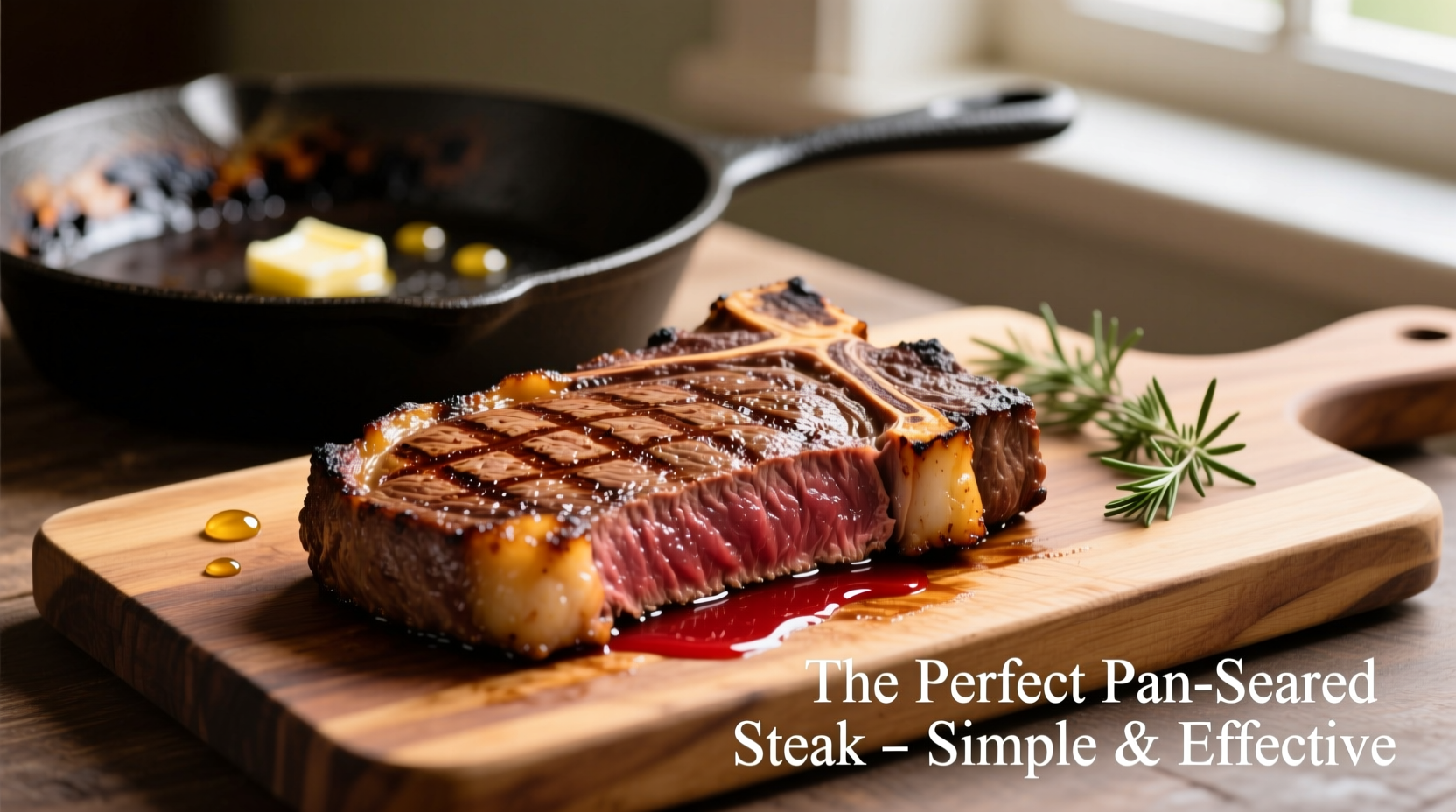
The foundation of a great pan-seared steak starts with selecting the right cut. Not all steaks respond the same way to high-heat cooking, and thickness plays a crucial role in achieving even doneness.
Recommended cuts for pan cooking include:
- Strip steak (New York Strip): Balanced marbling, firm texture, excellent sear.
- Ribeye: Richly marbled, buttery mouthfeel, ideal for developing deep flavor.
- Filet mignon: Extremely tender but less fatty; benefits from added fat during cooking.
- Flat iron or shoulder petite steak: Budget-friendly with good flavor and tenderness.
Aim for steaks at least 1 inch thick—preferably 1.5 inches. Thicker cuts allow for a well-developed crust while maintaining a juicy center without overcooking. Avoid thin steaks; they cook too quickly and often end up tough or dry.
Essential Equipment and Setup
You don’t need many tools, but using the right ones makes a significant difference:
- Heavy-bottomed skillet: Cast iron is ideal due to its superior heat retention and ability to develop a consistent sear. Carbon steel works well too.
- Tongs: For flipping without piercing the meat and losing juices.
- Meat thermometer: Crucial for accuracy. Visual cues can mislead; internal temperature doesn’t lie.
- Paper towels: To pat the steak dry—moisture is the enemy of a good sear.
- Salt and freshly ground black pepper: The core seasoning duo. Nothing else is needed for a classic preparation.
“Searing isn’t about sealing in juices—that’s a myth. It’s about creating complex flavor through the Maillard reaction.” — Dr. Nathan Myhrvold, Modernist Cuisine
Step-by-Step Guide to Pan-Seared Perfection
Follow this proven method for consistently excellent results:
- Dry the steak thoroughly with paper towels. Surface moisture prevents browning.
- Season generously on all sides with kosher salt and coarsely ground black pepper. For a 1-inch ribeye, use about ¾ tsp salt per side.
- Preheat the skillet over medium-high to high heat for 3–5 minutes until very hot. A drop of water should sizzle and evaporate instantly.
- Add a high-smoke-point oil—like avocado, grapeseed, or clarified butter. Just enough to coat the bottom.
- Place the steak in the pan away from you to avoid oil splatter. Do not move it for at least 2–3 minutes to allow a crust to form.
- Flip once when the edges begin to turn opaque halfway up the side. Use tongs to check the bottom—it should be deeply browned.
- Add aromatics (optional): In the last 2 minutes, add a tablespoon of butter, crushed garlic, and fresh thyme or rosemary. Tilt the pan and spoon the melted butter over the steak repeatedly.
- Check internal temperature: Remove the steak when it’s 5°F below your desired doneness. Carryover cooking will raise the temp as it rests.
- Rest the steak on a warm plate or cutting board, loosely tented with foil, for 5–10 minutes. This allows juices to redistribute.
Doneness Temperature Guide
| Doneness | Internal Temp (°F) | Visual & Texture Cue |
|---|---|---|
| Rare | 120–125°F | Bright red center, very soft to touch |
| Medium Rare | 130–135°F | Warm red center, springy yet tender |
| Medium | 140–145°F | Pink center, slightly firm |
| Medium Well | 150–155°F | Slight pink, firm |
| Well Done | 160°F+ | Little to no pink, very firm |
Avoid These Common Mistakes
Even experienced cooks make errors that compromise texture and taste. Here’s what to avoid:
| Mistake | Why It Hurts | How to Fix |
|---|---|---|
| Overcrowding the pan | Steams instead of sears; lowers pan temperature drastically | Cook one steak at a time if needed |
| Flipping too often | Interrupts crust formation | Flip only once, unless using the “flip-flop” method (see below) |
| Skipping the rest | Juices rush out when sliced immediately | Wait at least 5 minutes before cutting |
| Using cold steak | Uneven cooking—burnt outside, raw inside | Let it sit at room temp for 30–60 minutes |
Real Example: From Tough to Tender
Mark, a home cook in Denver, used to struggle with chewy, uneven steaks. He’d cook directly from the fridge, flip every minute, and slice immediately. After learning the importance of resting and proper searing, he started using a cast iron pan, preheating it fully, and letting his 1.25-inch strip steak rest for 8 minutes. His next steak was juicy, evenly cooked to medium-rare, and earned praise from guests who assumed he’d ordered from a steakhouse.
Advanced Tip: The Flip-Flop Method
For ultra-even cooking, some chefs recommend the “flip-flop” technique—flipping the steak every 30–60 seconds. Contrary to tradition, frequent flipping promotes uniform internal temperature and reduces overcooked edges.
How it works:
- Heat the pan as usual.
- Place steak in the pan and flip every 30 seconds.
- Continue for 4–6 minutes total, depending on thickness.
- Finish with a final 1–2 minute sear on each side for crust development.
This method leverages convection-like heat distribution within the pan, minimizing thermal gradients in the meat. It’s especially effective for thicker cuts or when precise edge-to-center consistency is desired.
Frequently Asked Questions
Can I use a non-stick pan?
Not recommended. Non-stick coatings degrade at high temperatures needed for searing and inhibit Maillard browning. Stick to stainless steel, carbon steel, or cast iron.
Should I oil the steak or the pan?
Both work, but oiling the pan gives better control. If oiling the steak, do so after drying and seasoning, and use sparingly to avoid flare-ups.
What if my steak sticks to the pan?
It likely hasn’t developed a proper crust yet. Wait—forcing it off prematurely tears the surface. Let it sear undisturbed until it releases naturally, usually after 2–3 minutes.
Final Checklist for Success
- Choose a thick-cut, well-marbled steak (1–1.5 inches).
- Pat dry thoroughly with paper towels.
- Season generously with salt and pepper 30–60 minutes before cooking.
- Use a preheated cast iron or heavy skillet.
- Sear without moving for 2–3 minutes per side.
- Use a meat thermometer for precision.
- Rest for 5–10 minutes before slicing against the grain.
Master Your Pan-Seared Steak Today
Cooking the best steak in a pan is less about complexity and more about discipline—controlling heat, respecting timing, and understanding the science behind browning and carryover cooking. Whether you’re preparing a weeknight dinner or impressing guests, these methods deliver reliable, delicious results. Now that you have the knowledge, grab a quality cut, fire up your skillet, and taste the difference that proper technique makes.




 浙公网安备
33010002000092号
浙公网安备
33010002000092号 浙B2-20120091-4
Comments
No comments yet. Why don't you start the discussion?