
When summer heat rolls in and your air conditioner is either unavailable or too costly to run, staying cool indoors can feel like an uphill battle. Yet, relief doesn’t have to come from expensive appliances or energy-intensive systems. With clever use of everyday household items and a bit of strategic planning, you can significantly reduce indoor temperatures and improve comfort—no AC required. From repurposed fans and frozen bottles to blackout techniques and airflow optimization, this guide reveals practical, science-backed methods that work in real homes.
1. Optimize Airflow with Strategic Fan Placement
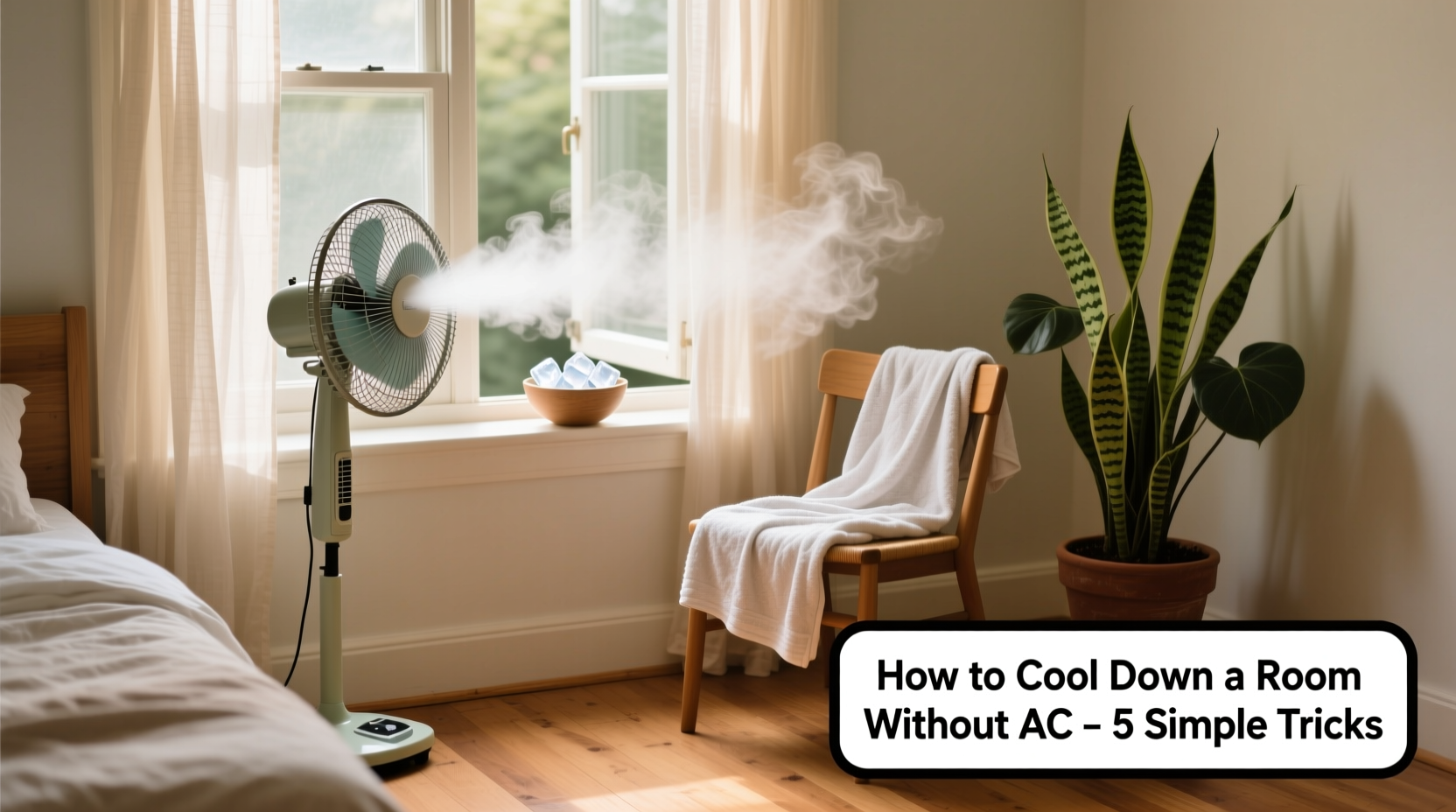
Fans are among the most accessible tools for cooling a room, but their effectiveness depends heavily on how they’re used. A fan alone doesn’t lower the temperature—it moves air to enhance evaporation from your skin, making you *feel* cooler. However, when positioned correctly, fans can also help expel hot air and draw in cooler air from outside.
To maximize airflow:
- Place a box fan in a window at night to pull in cooler outdoor air.
- Use a second fan in another window (or doorway) to push hot air out, creating cross-ventilation.
- Aim ceiling fans counterclockwise in summer to push air downward, creating a wind-chill effect.
DIY Evaporative Cooler with a Fan and Ice
One of the most effective household hacks involves turning a standard fan into a makeshift evaporative cooler. This works especially well in dry climates where evaporation is efficient.
- Place a bowl or tray of ice in front of a fan.
- As the fan blows air over the melting ice, it cools the air slightly through evaporation.
- For longer-lasting results, freeze water in plastic bottles or use gel packs instead of loose ice.
This method won’t match an air conditioner’s output, but it can create a noticeable breeze with a refreshing chill—particularly when directed at seating areas.
2. Block Heat Before It Enters: Window and Light Management
Up to 76% of sunlight entering through windows becomes heat inside a room, according to the U.S. Department of Energy. Preventing solar gain is one of the most impactful ways to keep a room cool during daylight hours.
Use Reflective or Insulating Window Coverings
Closed blinds and curtains help, but not all materials are equally effective. White or reflective blinds, aluminum foil-lined curtains, or even temporary cardboard shields can reflect sunlight before it heats up surfaces.
Close Off Rooms During Peak Sunlight
If certain rooms face west or south and receive direct sun in the afternoon, close doors and seal vents to prevent hot air from spreading to cooler areas. Use rolled towels under doors to block warm air infiltration.
| Time of Day | Action | Reason |
|---|---|---|
| Morning (before 10 a.m.) | Open windows and curtains | Let in cooler air and natural light |
| Midday to Evening (10 a.m.–7 p.m.) | Close windows, draw blinds/curtains | Block solar heat gain |
| Night (after 8 p.m.) | Open windows fully, use fans | Exploit cooler outdoor temperatures |
“Passive cooling starts with controlling solar radiation. Simple shading can reduce indoor temperatures by as much as 20°F.” — Dr. Linda Chen, Building Science Researcher, UC Berkeley
3. Create a Cold Compress Zone Using Household Items
Your body doesn’t need the whole room to be cool—just your immediate environment. By focusing on personal cooling, you can maintain comfort without altering the entire space.
DIY Cooling Pad with Frozen Towels
Soak a towel in water, wring it out, roll it up, and freeze it for 30–60 minutes. Place it behind your neck, drape it over your shoulders, or lay it across your lap while sitting. The damp fabric transfers cold efficiently and provides targeted relief.
Chilled Bed Setup for Better Sleep
Heat often disrupts sleep, especially when bedding retains warmth. To cool your sleeping area:
- Freeze a hot water bottle, wrap it in a cloth, and place it at the foot of the bed.
- Use cotton or bamboo sheets, which are more breathable than synthetic fabrics.
- Place a fan at floor level to circulate air under the bed, where cooler air pools.
4. Reduce Internal Heat Sources
Many common household activities generate significant heat, sometimes raising room temperature more than outdoor conditions. Identifying and minimizing these sources can make a measurable difference.
Switch to LED Lighting
Incandescent bulbs release up to 90% of their energy as heat. Replacing them with LEDs reduces both electricity use and unwanted thermal output. Even compact fluorescents (CFLs) emit less heat than traditional bulbs.
Cook Smart to Avoid Kitchen Heat Buildup
Using an oven or stovetop can increase indoor temperatures rapidly. On hot days:
- Use a microwave, slow cooker, or toaster oven instead of the main oven.
- Cook outdoors on a grill or prepare no-cook meals like salads, wraps, or smoothies.
- If cooking indoors, turn on the exhaust fan and open a window to vent heat.
Limit Electronics Usage
Computers, TVs, and game consoles generate heat during operation. Shut down devices when not in use, unplug chargers, and avoid running multiple high-power electronics simultaneously in one room.
| Common Heat Source | Heat Output (approx.) | Alternative |
|---|---|---|
| Oven (350°F) | 3,000 BTUs/hour | Toaster oven or outdoor grill |
| Incandescent Bulb (60W) | 205 BTUs/hour | LED equivalent (8W) |
| Laptop Computer | 30–60 BTUs/hour | Use in shaded areas; shut down after use |
| Dryer | 3,000+ BTUs/hour | Air-dry clothes indoors overnight |
5. DIY Air Circulation Systems with Fans and Damp Cloths
You can amplify a fan’s cooling power by combining it with water evaporation—a principle known as evaporative cooling. While commercial swamp coolers exist, a simple version can be made with items already in your home.
Step-by-Step: Make a Wet Towel Fan Cooler
- Soak a clean cotton towel in cold water and wring it out thoroughly.
- Drape the damp towel over the front grill of a box fan or clip fan.
- Turn the fan on. As air passes through the wet fabric, moisture evaporates, lowering the air temperature slightly.
- Re-wet the towel every 30–60 minutes to maintain effectiveness.
This method works best in dry climates with low humidity. In humid areas, evaporation slows, reducing the cooling effect. Still, the damp air may feel more refreshing due to increased moisture on the skin.
Upgrade with a Bucket and Ice Method
For a longer-lasting solution:
- Fill a large bucket or container with ice or frozen water bottles.
- Position a fan to blow directly across the surface of the ice.
- Place the setup near your seating or sleeping area.
The fan picks up chilled air rising from the melting ice, circulating it into the room. One study by the University of Florida found that such setups can reduce perceived temperature by 5–8°F in small, enclosed spaces.
Mini Case Study: Cooling a Third-Floor Apartment in July
In Brooklyn, NY, Maria Lopez lives in a third-floor walk-up with no central AC. Her bedroom faces west and regularly reaches 88°F by evening. After struggling with poor sleep, she implemented several low-cost strategies:
- She covered her windows with white foam boards lined with aluminum foil, cutting midday heat gain.
- At night, she opened both front and back windows and placed fans to create cross-breeze.
- She froze two 2-liter bottles each evening and set them in front of a fan near her bed.
- She switched to cotton sheets and used a damp washcloth on her wrists before bed.
Within three days, Maria reported falling asleep faster and waking less frequently. She estimated the room felt 6–7°F cooler at night, and her energy bills dropped by $38 that month.
“When I realized I could control the heat without spending hundreds on AC units, I felt empowered. These aren’t fixes—they’re habits now.” — Maria Lopez, New York City resident
Checklist: How to Cool Down a Room Without AC
Follow this actionable checklist to stay cool using only household items:
- ✅ Close windows and coverings during peak sun hours (10 a.m.–7 p.m.)
- ✅ Open windows and use fans at night for cross-ventilation
- ✅ Place a bowl of ice or frozen bottles in front of a fan
- ✅ Hang a damp towel in front of a fan for evaporative cooling
- ✅ Freeze towels or sheets for personal cooling
- ✅ Replace incandescent bulbs with LEDs
- ✅ Avoid oven use; opt for no-cook meals or outdoor cooking
- ✅ Seal gaps under doors with rolled towels to block hot air
- ✅ Use ceiling fans counterclockwise at medium-high speed
- ✅ Unplug unused electronics to reduce ambient heat
Frequently Asked Questions
Can I cool a room without AC in a humid climate?
Yes, but evaporative methods like wet towels or ice fans are less effective because high humidity limits evaporation. Focus instead on blocking heat, improving airflow, and using personal cooling techniques like cold compresses or damp skin misting.
How much can these methods actually lower room temperature?
While exact numbers vary, blocking solar heat can prevent temperature rises of 15–20°F. Fan-and-ice setups may lower perceived temperature by 5–10°F. Combined strategies typically make a room feel significantly cooler, even if actual air temperature drops only slightly.
Are there any safety concerns with DIY cooling hacks?
Keep electrical devices like fans away from standing water. Never place ice directly on electronics. Avoid sealing rooms so tightly that ventilation is compromised, especially when using combustion appliances. Always allow airflow to prevent stuffiness or CO₂ buildup.
Stay Cool, Stay Smart
Cooling a room without air conditioning isn’t about comfort at any cost—it’s about working intelligently with physics, timing, and the tools you already own. The most effective strategies combine prevention (blocking heat), circulation (using fans wisely), and personal relief (targeted cooling). These methods are sustainable, affordable, and accessible to nearly everyone.
Start tonight: freeze a couple of water bottles, reposition a fan, and open a window when the sun goes down. Small changes add up to real relief. And once you’ve mastered the basics, you’ll find yourself relying less on energy-heavy systems and more on smart, resilient living.




 浙公网安备
33010002000092号
浙公网安备
33010002000092号 浙B2-20120091-4
Comments
No comments yet. Why don't you start the discussion?