
A well-crafted spicy chicken soup blend transcends mere heat—it delivers depth, complexity, and warmth that comforts and invigorates in equal measure. Whether you're seeking relief from a cold, building flavor for a weeknight meal, or elevating your culinary repertoire, mastering this foundational blend is essential. The difference between an average bowl and an exceptional one lies not just in ingredients, but in how they are selected, balanced, and layered. This guide dissects the science and artistry behind creating a signature spicy chicken soup blend, offering precise ratios, sourcing advice, and real-world applications used by professional kitchens and seasoned home cooks alike.
Definition & Overview
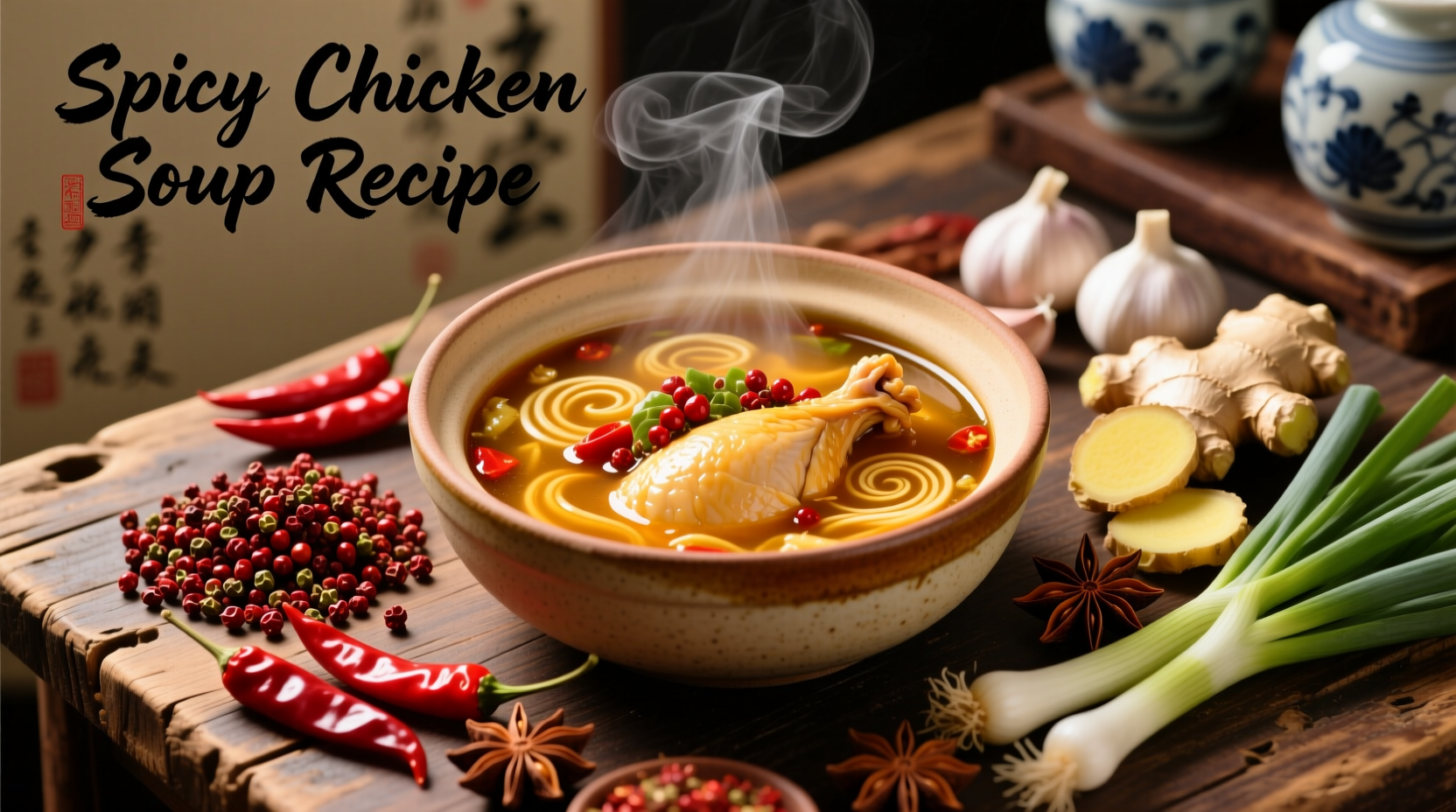
The term spicy chicken soup blend refers to a purposeful combination of spices, aromatics, and seasonings designed to enhance the savory base of chicken soup with controlled heat and aromatic complexity. Unlike pre-packaged mixes that often rely on monosodium glutamate or excessive sodium, an ideal blend emphasizes whole spices, fresh elements, and synergistic pairings that develop flavor through proper technique.
Rooted in global traditions—from Sichuan-style poached chicken to Mexican *sopa de pollo picante* and Korean dak-tang—to Western adaptations like Cajun-spiced chicken gumbo, spicy chicken soups share a common goal: to stimulate the palate while preserving the soul-soothing qualities of broth-based dishes. At its core, the blend functions as a flavor engine, transforming simple ingredients into something deeply satisfying and sensorially engaging.
An effective spicy chicken soup blend does not overwhelm; it integrates seamlessly with the umami-rich foundation of simmered chicken bones, vegetables, and herbs. It should elevate without dominating, providing warmth that builds gradually rather than assaulting the senses. Achieving this requires understanding each component’s role—not only in terms of heat but also aroma, color, mouthfeel, and timing of addition during cooking.
Key Characteristics
To build a balanced blend, consider these five defining attributes:
| Characteristic | Description |
|---|---|
| Flavor Profile | Warm, earthy, slightly sweet or smoky notes with underlying pungency; avoids one-dimensional heat. |
| Aroma | Fragrant and inviting—often featuring toasted cumin, garlic, ginger, or chili blossom—arising early in cooking. |
| Heat Level (Scoville Range) | Moderate (2,000–8,000 SHU); calibrated so heat enhances rather than masks other flavors. |
| Culinary Function | Builds flavor layers, enhances umami, stimulates appetite, aids digestion. |
| Shelf Life (Whole vs. Ground) | Whole spices: up to 2 years; ground: 6–12 months when stored properly. |
| Color Contribution | Rich amber, golden-orange, or deep red depending on chili type and toasting level. |
Core Components of the Ideal Blend
The most effective spicy chicken soup blends are built on three tiers: foundational aromatics, heat sources, and depth enhancers. Each tier contributes uniquely to the final profile.
1. Foundational Aromatics
These form the base layer of flavor and are typically sautéed at the beginning of cooking (the \"sofrito\" or \"mirepoix\" stage).
- Onion & Garlic: Provide sweetness and pungency; garlic adds sharpness that mellows with heat.
- Ginger (fresh): Offers bright, citrusy warmth and anti-inflammatory properties; pairs exceptionally well with poultry.
- Leek or Shallot: For subtle sweetness and silkier texture in refined versions.
2. Heat Sources
Determine both intensity and character of spiciness. Use whole dried chilies, flakes, or powders based on desired control and authenticity.
- Ancho Chili Powder: Mild heat (1,000–2,000 SHU), raisin-like sweetness, deep red hue.
- Guajillo Chili: Medium heat, tangy berry notes; excellent for body and color.
- Cayenne Pepper: Pure heat (30,000–50,000 SHU); use sparingly to adjust intensity.
- Fresh Jalapeño or Serrano: Add brightness and vegetal bite; seeds increase heat significantly.
- Crushed Red Pepper Flakes: Convenient pantry staple; best bloomed in oil before adding liquids.
3. Depth Enhancers
Add complexity beyond salt and heat—these are the secret weapons of professional chefs.
- Toasted Cumin Seeds (ground): Earthy, nutty, slightly bitter; amplifies warmth without adding spice.
- Smoked Paprika: Imparts subtle campfire smokiness; balances out raw chili heat.
- Coriander Seed (crushed): Citrusy, floral; rounds out heavier spices.
- Black Peppercorn: Sharp, woody bite; complements chili heat structurally.
- Turmeric: Warm, peppery, and anti-inflammatory; adds golden color and subtle earthiness.
Pro Tip: Toast whole spices (cumin, coriander, black pepper) in a dry skillet over medium-low heat until fragrant—about 60–90 seconds. Cool before grinding. This unlocks essential oils and dramatically intensifies flavor compared to pre-ground versions.
Practical Usage: Building the Blend Step-by-Step
Creating the ideal blend isn't just about mixing spices—it's about integrating them into the cooking process at the right moment. Follow this method for optimal results:
- Sauté Aromatics: In 2 tbsp oil (avocado, olive, or sesame), cook diced onion, minced garlic, and grated ginger over medium heat until translucent (~5 minutes). Do not brown.
- Bloom the Spices: Add 1 tsp ground cumin, ½ tsp turmeric, ¼ tsp cayenne, 1 tsp smoked paprika, and 1 tbsp ancho powder. Stir constantly for 60 seconds. The oil will darken slightly and release a rich fragrance—this is critical for flavor development.
- Incorporate Fresh Heat: Stir in 1 finely chopped jalapeño (seeds removed for milder heat) and cook another 2 minutes.
- Add Liquid Base: Pour in 6 cups homemade or low-sodium chicken broth, scraping the bottom of the pot to deglaze and incorporate all flavorful bits.
- Simmer Protein: Add bone-in chicken thighs or shredded rotisserie meat. Simmer gently for 20–30 minutes to allow flavors to meld.
- Finish with Brightness: Off heat, stir in juice of half a lime, chopped cilantro, and a dash of fish sauce (optional, for umami depth).
This sequence ensures maximum extraction of volatile compounds from spices while avoiding bitterness from overheating. Blooming spices in fat is non-negotiable for depth—it allows hydrophobic flavor molecules to dissolve and distribute evenly throughout the soup.
Variants & Types of Spicy Chicken Soup Blends
Regional variations reflect local ingredients and cultural preferences. Understanding these types helps tailor your blend to specific cuisines or dietary goals.
| Variant Type | Key Ingredients | Best Used For |
|---|---|---|
| Southwestern U.S. | Ancho, cumin, oregano, garlic, lime | Tortilla soup, chili-infused broths, Tex-Mex stews |
| Thai-Inspired | Lemongrass, galangal, kaffir lime, bird’s eye chili, cilantro root | Tom yum-style soups, coconut milk-based curries |
| Korean Dak-Tang | Gochugaru (Korean chili flakes), gochujang, garlic, soy sauce, perilla leaves | Spicy braised chicken soups, communal dining pots |
| Cajun/Creole | Paprika, cayenne, thyme, garlic powder, onion powder, filé powder | Gumbos, étouffées, rustic Southern stews |
| Mediterranean-Harissa Style | Caraway, coriander, roasted red peppers, garlic, chili | North African-inspired broths, lentil-chicken combinations |
Each variant can be adapted using either dry spice blends (for convenience) or fresh pastes (for authenticity). For example, a Thai-style paste might include blended lemongrass, galangal, and chilies fried briefly in oil before broth addition.
Comparison with Similar Ingredients
Many home cooks confuse general “spicy” seasonings with purpose-built blends. Clarifying distinctions prevents flavor imbalances.
| Ingredient | Spicy Chicken Soup Blend | Common Confusion With |
|---|---|---|
| Primary Purpose | Balanced heat + aromatic complexity tailored to poultry | Generic hot sauces or chili powders focused only on Scoville units |
| Flavor Complexity | Multi-layered: sweet, earthy, smoky, herbal | One-note heat (e.g., pure cayenne) |
| Application Timing | Bloomed early in fat, then simmered | Added at end (like sriracha), resulting in flat integration |
| Customizability | Adjustable ratios for personal tolerance and cuisine | Pre-made packets with fixed formulations and high sodium |
\"The mistake most people make is treating spice as an afterthought. In great spicy soups, heat is woven into the fabric of the dish from the first sizzle in the pan.\" — Chef Elena Rodriguez, James Beard Finalist for Best Chef: Southwest
Practical Tips & FAQs
How do I control the heat level without losing flavor?
Use mild chilies like ancho or guajillo as the base (providing flavor and color) and reserve hotter agents like cayenne or fresh serranos for final adjustment. Remove seeds and membranes from fresh chilies to reduce capsaicin concentration. Taste incrementally after each addition.
Can I make a dry spice blend ahead of time?
Yes. Combine: 2 tbsp ancho powder, 1 tbsp ground cumin, 1 tsp smoked paprika, 1 tsp turmeric, ½ tsp coriander, ¼ tsp cayenne, ½ tsp black pepper, 1 tsp garlic powder. Store in an airtight container away from light for up to 6 months. Note: Fresh aromatics (ginger, garlic, onion) should still be added during cooking.
What’s the best oil for blooming spices?
Neutral oils with high smoke points (avocado, grapeseed) work best. For authentic regional flair, use toasted sesame oil (in Asian blends) or olive oil (in Mediterranean versions). Avoid butter unless clarified (ghee), as milk solids burn easily.
Are there health benefits to spicy chicken soup blends?
Yes. Capsaicin increases circulation and may support metabolism. Ginger and turmeric have documented anti-inflammatory effects. When combined with nutrient-dense broth and lean protein, spicy chicken soup becomes both therapeutic and nourishing.
How long should I simmer the soup after adding the blend?
Minimum 20 minutes to allow full infusion. Longer simmers (up to 45 minutes) deepen flavor but risk dulling delicate notes like citrus or fresh herbs. Add delicate ingredients at the end.
Can I freeze the soup with the spice blend included?
Yes, but expect slight changes in texture and flavor intensity. Spices may become more pronounced over time. Thaw slowly and re-season if needed—especially acidity (lime juice) and salt.
Is there a vegetarian alternative to chicken-based spicy soup?
Absolutely. Substitute mushroom or vegetable broth and add king oyster mushrooms or tofu for protein. Use the same spice blend—its compatibility extends beyond poultry.
Storage Checklist:
✔️ Keep whole spices in glass jars, away from stove heat
✔️ Label containers with purchase date
✔️ Grind small batches as needed
✔️ Replace ground spices every 6–12 months
✔️ Store finished dry blends in dark, cool places
Summary & Key Takeaways
Crafting the ideal spicy chicken soup blend is a deliberate act of culinary precision and sensory awareness. It begins with understanding the roles of individual components—not just their heat, but their aroma, solubility, and interaction with other ingredients. The foundation lies in sautéing aromatics, followed by blooming spices in oil to unlock their full potential. From there, careful layering of heat sources and depth enhancers creates a multidimensional experience that warms, satisfies, and rejuvenates.
Key principles include:
- Balance heat with complementary flavors—sweetness, smokiness, acidity.
- Toast whole spices before grinding for superior aroma and potency.
- Use mild chilies as a base and reserve hotter ones for fine-tuning.
- Simmer sufficiently to integrate flavors, but finish with fresh elements for brightness.
- Adapt the blend to global styles—Southwestern, Thai, Korean, Cajun—for versatility.
Ultimately, the perfect blend reflects both technical knowledge and personal taste. By mastering these fundamentals, you gain the confidence to experiment, refine, and create a signature version that becomes a staple in your kitchen. Start with the recommended ratios, document your adjustments, and soon you’ll have a custom spicy chicken soup blend that feels unmistakably yours.
Try the basic blend this week, then modify one ingredient at a time—swap cumin for coriander, add a pinch of cinnamon, or infuse with star anise. Track what works. Great flavor is built through iteration, not accident.




 浙公网安备
33010002000092号
浙公网安备
33010002000092号 浙B2-20120091-4
Comments
No comments yet. Why don't you start the discussion?