
A dog’s health begins with what’s in their bowl. Just like humans, dogs require a well-rounded mix of nutrients to maintain energy, support immune function, and promote longevity. Yet many pet owners unknowingly feed diets that are unbalanced—either too high in carbohydrates, deficient in protein, or lacking critical vitamins. Creating a truly balanced diet isn’t about following trends; it’s about understanding canine nutritional science and applying it consistently.
Understanding Canine Nutritional Needs
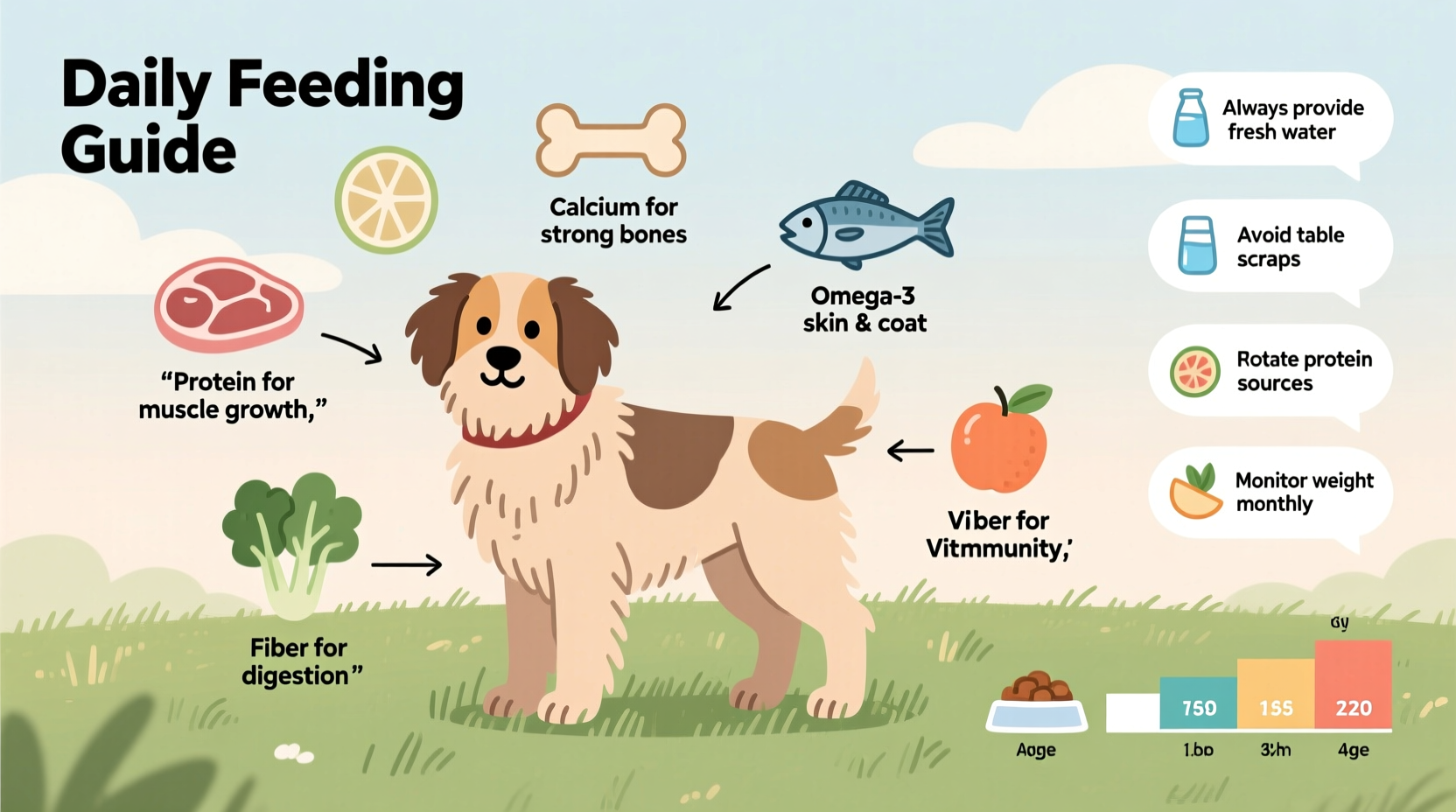
Dogs are omnivores with a strong carnivorous bias. Their bodies are designed to thrive on animal-based proteins, but they can also digest certain plant materials. The key is balance. According to the Association of American Feed Control Officials (AAFCO), a complete and balanced dog food must contain six essential nutrient classes: proteins, fats, carbohydrates, vitamins, minerals, and water.
Protein supports muscle development and tissue repair. High-quality sources include chicken, beef, fish, eggs, and lamb. Fats provide concentrated energy and help absorb fat-soluble vitamins. Omega-3 and omega-6 fatty acids, particularly from fish oil or flaxseed, support skin, coat, and cognitive health.
Carbohydrates aren’t strictly necessary but serve as an efficient energy source when sourced wisely. Sweet potatoes, brown rice, and oats offer fiber and slow-releasing glucose. Vitamins and minerals—like calcium, phosphorus, vitamin A, and B-complex—must be present in precise ratios to prevent deficiencies or toxicities.
“Dogs don’t need gourmet labels—they need nutritionally sound meals tailored to their life stage, size, and activity level.” — Dr. Linda Meckler, Veterinary Nutritionist
Essential Nutrients and Their Roles
To build a balanced diet, you must understand what each nutrient contributes and in what proportions. Below is a breakdown of core components and their functions:
| Nutrient | Primary Function | Dietary Sources |
|---|---|---|
| Protein | Muscle growth, enzyme production, immune support | Chicken, turkey, fish, eggs, organ meats |
| Fats | Energy, cell structure, vitamin absorption | Fish oil, chicken fat, flaxseed, sunflower oil |
| Carbohydrates | Energy, digestive health (fiber) | Sweet potato, pumpkin, oats, quinoa |
| Calcium & Phosphorus | Bone health, nerve function | Bone meal (balanced), dairy, fortified foods |
| Vitamin E & C | Antioxidants, immune support | Spinach, blueberries, supplements if needed |
The ideal ratio of calcium to phosphorus is 1.2:1 to 1.4:1. Deviations can lead to skeletal issues, especially in large-breed puppies. Similarly, excessive fat without adequate vitamin E may result in oxidative stress.
Practical Feeding Guidelines by Life Stage
Nutritional needs change dramatically over a dog’s lifespan. A growing puppy has vastly different requirements than a senior dog with reduced mobility.
- Puppies (0–12 months): Require higher calories, protein (22–25%), and DHA for brain development. Feed three to four times daily until six months, then transition to twice daily.
- Adults (1–7 years): Need consistent energy intake based on activity. Active breeds may require up to 30% protein. Maintain two meals per day.
- Seniors (7+ years): Often benefit from reduced calories, increased fiber, and joint-supporting nutrients like glucosamine. Monitor weight closely.
Portion control is crucial. Overfeeding is a leading cause of obesity, which affects nearly 56% of dogs in the U.S. Use body condition scoring—not weight alone—to assess ideal size. You should be able to feel ribs without pressing hard and see a visible waist from above.
Homemade vs. Commercial Diets: Making an Informed Choice
Many owners consider homemade diets for perceived freshness or allergen control. While possible, these diets often fall short without careful planning. A 2013 study published in *Veterinary Medicine* found that 95% of homemade recipes shared online were nutritionally imbalanced.
If preparing food at home, consult a veterinary nutritionist to formulate a recipe. At minimum, ensure the diet includes:
- 40–50% animal protein (by dry matter weight)
- 20–30% vegetables (carrots, green beans, spinach)
- 20–30% carbohydrates (rice, pasta, sweet potato)
- Supplemental calcium (e.g., ground eggshells or bone meal)
- Added fish oil for omega-3s
Commercial diets labeled “complete and balanced” according to AAFCO standards are generally reliable. Look for a statement on the packaging confirming nutritional adequacy for your dog’s life stage.
“A balanced kibble beats a ‘natural’ but unbalanced raw diet any day.” — Dr. Carlos Mendez, Board-Certified Veterinary Nutritionist
Step-by-Step Guide to Building a Balanced Meal Plan
Follow this five-step process to evaluate and improve your dog’s current diet:
- Assess current food: Read the ingredient list. Is meat listed first? Are there unnamed by-products or excessive fillers like corn meal?
- Determine caloric needs: Multiply your dog’s weight (in pounds) by 30, then add 70. For example, a 50-lb dog needs roughly (50 × 30) + 70 = 1,570 kcal/day. Adjust for activity level.
- Choose a primary diet type: Decide between commercial kibble, wet food, raw, or home-cooked. Each has pros and cons—prioritize safety and balance.
- Add targeted supplements if needed: Fish oil for coat health, probiotics for digestion, or joint supplements for seniors.
- Monitor and adjust: Track weight, coat quality, stool consistency, and energy levels monthly. Changes signal the need for dietary tweaks.
Common Diet Mistakes and How to Avoid Them
Even well-meaning owners make errors that compromise their dog’s health. Here are frequent missteps:
- Over-reliance on treats: Treats should not exceed 10% of daily calories.
- Free-feeding dry food: Leads to overeating. Measure portions and stick to scheduled mealtimes.
- Feeding human food regularly: Items like onions, grapes, and chocolate are toxic. Even safe foods (e.g., chicken) can unbalance the diet if fed excessively.
- Ignoring water intake: Fresh water must be available at all times. Dehydration impairs digestion and kidney function.
Mini Case Study: Max, the Overweight Labrador
Max, a 5-year-old male Labrador, was brought to a veterinary clinic weighing 98 lbs—25 lbs over his ideal weight. His owner fed him “premium” kibble free-choice and supplemented with table scraps, including bread and leftover meat.
After evaluation, the vet recommended switching to a measured, high-protein, low-carb formula, feeding two cups twice daily. Treats were limited to carrot sticks and purpose-made dental chews. Within four months, Max lost 18 lbs, regained mobility, and showed improved liver values on bloodwork.
This case underscores that even popular brands aren’t automatically suitable—and portion control is non-negotiable.
FAQ
Can I feed my dog a vegetarian diet?
Dogs can survive on carefully formulated vegetarian diets, but they require synthetic taurine, L-carnitine, and vitamin B12 to prevent deficiencies. Most experts recommend including animal protein for optimal health.
How do I know if my dog’s food is balanced?
Look for an AAFCO compliance statement on the label. Additionally, your dog should have firm stools, a shiny coat, steady energy, and maintain a healthy weight.
Should I rotate proteins or brands?
Rotating proteins every few weeks can enhance nutrient diversity and reduce the risk of developing food sensitivities. However, avoid frequent brand switches, which may disrupt digestion.
Final Checklist: Building a Balanced Dog Diet
- ✔ Confirm food meets AAFCO standards for your dog’s life stage
- ✔ Ensure animal protein is the first ingredient
- ✔ Measure portions based on weight and activity level
- ✔ Limit treats to 10% of daily intake
- ✔ Provide constant access to fresh water
- ✔ Consult a vet before starting homemade or raw diets
- ✔ Monitor body condition and adjust as needed
Conclusion
A balanced diet is the foundation of a vibrant, energetic life for your dog. It’s not about expensive labels or viral feeding trends—it’s about consistency, quality ingredients, and attention to detail. By understanding your dog’s unique needs and applying science-backed practices, you can prevent disease, extend lifespan, and strengthen your bond through better health.




 浙公网安备
33010002000092号
浙公网安备
33010002000092号 浙B2-20120091-4
Comments
No comments yet. Why don't you start the discussion?