
A bedroom should be more than just a place to sleep—it should serve as a sanctuary for rest, reflection, and emotional recovery. In today’s fast-paced world, the design of your sleeping space plays a crucial role in mental well-being and sleep quality. Two of the most powerful tools at your disposal are lighting and color. When used intentionally, they can transform an ordinary bedroom into a peaceful retreat that supports relaxation, reduces stress, and promotes deeper sleep. This guide explores how to harmonize lighting and color to cultivate a serene environment tailored to your personal comfort.
The Psychological Impact of Color and Light
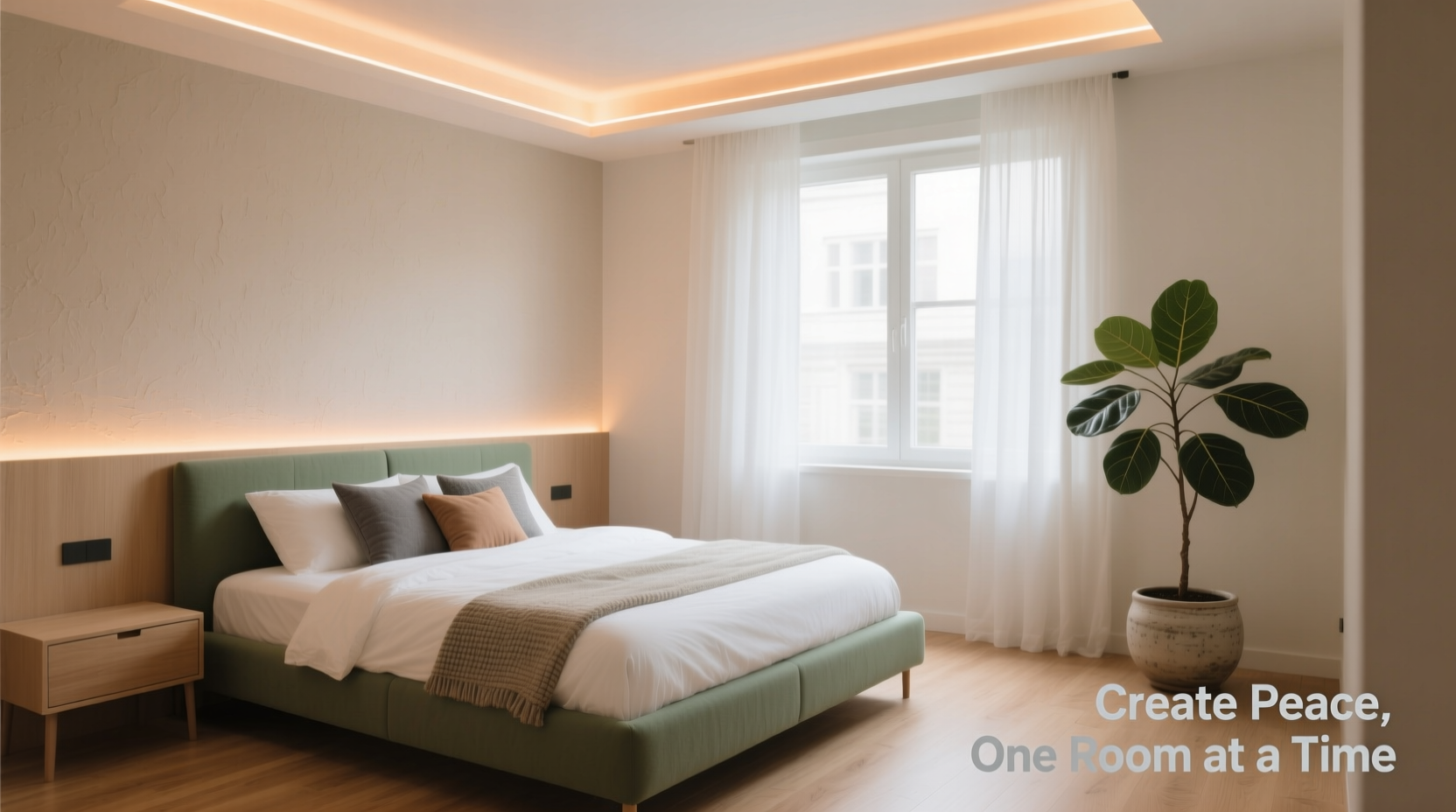
Color and light are not merely aesthetic choices—they directly influence mood, heart rate, and even hormone production. The brain processes visual stimuli from our surroundings before we’re consciously aware of them, triggering physiological responses. Cool tones like soft blues, muted greens, and gentle lavenders have been shown to lower blood pressure and slow respiration, making them ideal for spaces meant for rest. Warm neutrals such as beige, warm gray, or oatmeal create a sense of warmth and safety without overstimulating the nervous system.
Lighting, on the other hand, regulates circadian rhythms. Exposure to bright, cool-toned light during the day boosts alertness by suppressing melatonin, while dim, warm-toned light in the evening signals the body that it's time to wind down. Disrupting this natural cycle—such as using harsh overhead lights late at night—can interfere with sleep onset and quality.
“The bedroom is one of the few spaces where design should prioritize emotional response over visual impact. Subtlety in color and layered lighting are key.” — Dr. Lena Tran, Environmental Psychologist
Choosing Calming Colors for Your Bedroom
Selecting the right color palette begins with understanding undertones and context. A paint color may look different depending on natural light exposure, room size, and adjacent furnishings. Here’s how to choose wisely:
- Opt for low-saturation hues: Highly saturated colors stimulate the brain. Instead, go for desaturated versions—think sage green rather than emerald, or dusty rose instead of fuchsia.
- Test samples in real conditions: Paint large swatches on multiple walls and observe them at different times of day. Morning light tends to be cooler; evening light warmer.
- Consider ceiling and trim: Painting the ceiling a slightly lighter version of the wall color can enhance the feeling of enclosure and calm.
- Use the 60-30-10 rule: Apply 60% dominant color (walls), 30% secondary (furnishings), and 10% accent (pillows, art) to maintain balance.
Best Calming Colors and Their Effects
| Color | Psychological Effect | Best Paired With |
|---|---|---|
| Soft Blue (e.g., Whisper Blue) | Promotes tranquility and mental clarity | Cream, pale wood, charcoal gray |
| Muted Sage Green | Evokes nature, reduces anxiety | Warm beige, terracotta, linen textiles |
| Dove Gray | Creates sophistication and neutrality | White oak, blush pink, brushed brass |
| Lavender Gray | Gentle stimulation of creativity and calm | Eggshell white, walnut, silver accents |
| Warm Taupe | Grounding, cozy, timeless | Blackened steel, ivory, olive green |
Designing a Layered Lighting Plan
One of the most common mistakes in bedroom design is relying solely on a central ceiling fixture. A single bright light source creates glare and shadows, disrupting visual comfort. Instead, adopt a layered lighting approach that includes ambient, task, and accent lighting.
Ambient Lighting: Setting the Base Mood
Ambient lighting provides overall illumination without being overwhelming. In a calming bedroom, this should be soft and diffused. Consider:
- Dimmable ceiling fixtures with warm bulbs (2700K–3000K).
- Indirect cove lighting or LED strips along the baseboard or headboard.
- Recessed ceiling lights with baffles to minimize glare.
Task Lighting: Function Without Disruption
Reading or preparing for bed requires focused light, but it shouldn’t disturb your partner or flood the entire room. Ideal solutions include:
- Wall-mounted swing-arm sconces (free up nightstand space).
- Adjustable floor lamps beside a lounge chair.
- Bedside lamps with fabric shades that diffuse light downward.
Accent Lighting: Adding Depth and Warmth
Subtle highlights draw attention to architectural features or decor without increasing brightness. Try:
- LED tape behind floating shelves or under the bed frame.
- A small picture light above a piece of calming artwork.
- Back-of-mirror lighting if you have a vanity.
Step-by-Step Guide to Transforming Your Bedroom Atmosphere
Follow this practical sequence to gradually build a calming bedroom environment rooted in intentional lighting and color use.
- Assess your current setup: Spend one evening observing how your bedroom feels at different times. Note where lighting is too harsh or absent, and which colors dominate.
- Define your desired mood: Is it spa-like serenity? Cozy intimacy? Minimalist clarity? Choose 2–3 adjectives to guide decisions.
- Select a base wall color: Pick one from the calming palette discussed. Order sample pots and test on walls. Wait 48 hours before deciding.
- Plan lighting zones: Map out where you need ambient, task, and accent lighting. Sketch a simple layout or use free room planner apps.
- Replace or upgrade fixtures: Install dimmers, add sconces, or incorporate plug-in LED strips. Prioritize warm, flicker-free bulbs.
- Incorporate natural elements: Add plants, wooden furniture, or stone accents to reinforce the calming effect of earth-inspired colors.
- Introduce textiles: Use bedding, curtains, and rugs in complementary tones and soft textures—linen, cotton, wool—to absorb light and soften acoustics.
- Test and refine: Live in the space for a week. Adjust brightness levels, reposition lamps, or tweak color accents as needed.
Real-Life Example: Transforming a City Apartment Bedroom
Sarah, a graphic designer living in downtown Chicago, struggled with insomnia despite maintaining good sleep hygiene. Her bedroom had white walls, a bright overhead light, and no bedside lamps. After consulting an interior therapist, she made targeted changes:
- Repainted the walls in a soft greige called “Agreeable Gray” (Sherwin-Williams).
- Installed two wall-mounted brass sconces with adjustable arms and warm-dimming LEDs.
- Added a hidden LED strip behind her platform bed for subtle glow at night.
- Replaced sheer curtains with blackout linen drapes in warm taupe.
Within two weeks, Sarah reported falling asleep 30 minutes faster and waking less frequently. She noted that the room now “feels like a retreat, not just a room I crash in.” This case illustrates how modest, thoughtful changes in lighting and color can yield significant psychological benefits.
Common Mistakes to Avoid
Even with good intentions, certain missteps can undermine your efforts to create a calming atmosphere. Be mindful of these pitfalls:
| Mistake | Why It’s Problematic | Better Alternative |
|---|---|---|
| Using cool-white LEDs at night | Suppresses melatonin and delays sleep | Warm-white (2700K) or tunable smart bulbs |
| Painting all walls dark blue or gray | Can feel cave-like and oppressive | Use darker tones as an accent wall only |
| Overloading with decorative lighting | Creates visual clutter and distraction | Stick to 3–4 functional light sources max |
| Ignoring natural light patterns | Colors shift dramatically throughout the day | Test paint in morning, noon, and evening light |
Frequently Asked Questions
Can I use bold colors and still keep a calming bedroom?
Yes, but sparingly. Bold colors like deep navy or forest green can work if limited to one accent wall or soft furnishings. Balance them with neutral bedding and ample warm lighting to prevent visual overwhelm.
What’s the best lighting for reading in bed without disturbing my partner?
Directional wall sconces with adjustable arms are ideal. They illuminate only your reading area without flooding the room. Alternatively, use a flexible gooseneck lamp with a shade that directs light downward.
Should I paint the ceiling white or match the walls?
For maximum calm, consider painting the ceiling the same color as the walls or one shade lighter. This creates a cocooning effect. If you prefer contrast, use a warm off-white instead of stark white to maintain softness.
Final Checklist: Building Your Calm Space
Use this checklist to ensure every element supports tranquility:
- ☑ Walls painted in a low-saturation, cool or warm neutral tone
- ☑ Overhead light is dimmable and uses warm-color bulbs (2700K–3000K)
- ☑ At least two additional light sources (e.g., sconces, floor lamp)
- ☑ No exposed bulbs or harsh glare in the sleeping zone
- ☑ Bedding and curtains in soft, natural fabrics and harmonious colors
- ☑ Smart lighting system or timers to automate evening dimming
- ☑ Minimal electronic screens or blue-light devices near the bed
- ☑ Room tested at night to confirm lighting feels soothing, not clinical
Create Your Sanctuary Today
A calming bedroom isn’t achieved through expensive renovations or trendy decor. It emerges from deliberate choices in color and light—elements that speak directly to your nervous system. By selecting soothing hues, layering soft illumination, and eliminating visual noise, you create more than a beautiful room. You build a daily ritual of peace, one that prepares your mind and body for restful sleep and renewed energy each morning. Start small: swap a bulb, repaint a wall, add a dimmer. These quiet changes accumulate into profound shifts in well-being. Your sanctuary awaits—begin shaping it tonight.




 浙公网安备
33010002000092号
浙公网安备
33010002000092号 浙B2-20120091-4
Comments
No comments yet. Why don't you start the discussion?