
A restful night’s sleep doesn’t begin the moment you lie down—it starts with the space you inhabit. The bedroom is more than just a place to rest; it’s a sanctuary that should support mental calm, physical recovery, and emotional balance. Yet, many people overlook the profound impact their bedroom environment has on sleep quality. From lighting and noise levels to scent and layout, every detail contributes to your ability to unwind and drift into deep, restorative sleep. By intentionally shaping your bedroom into a haven of tranquility, you can significantly improve both the ease of falling asleep and the depth of your rest.
The Science Behind Sleep and Environment
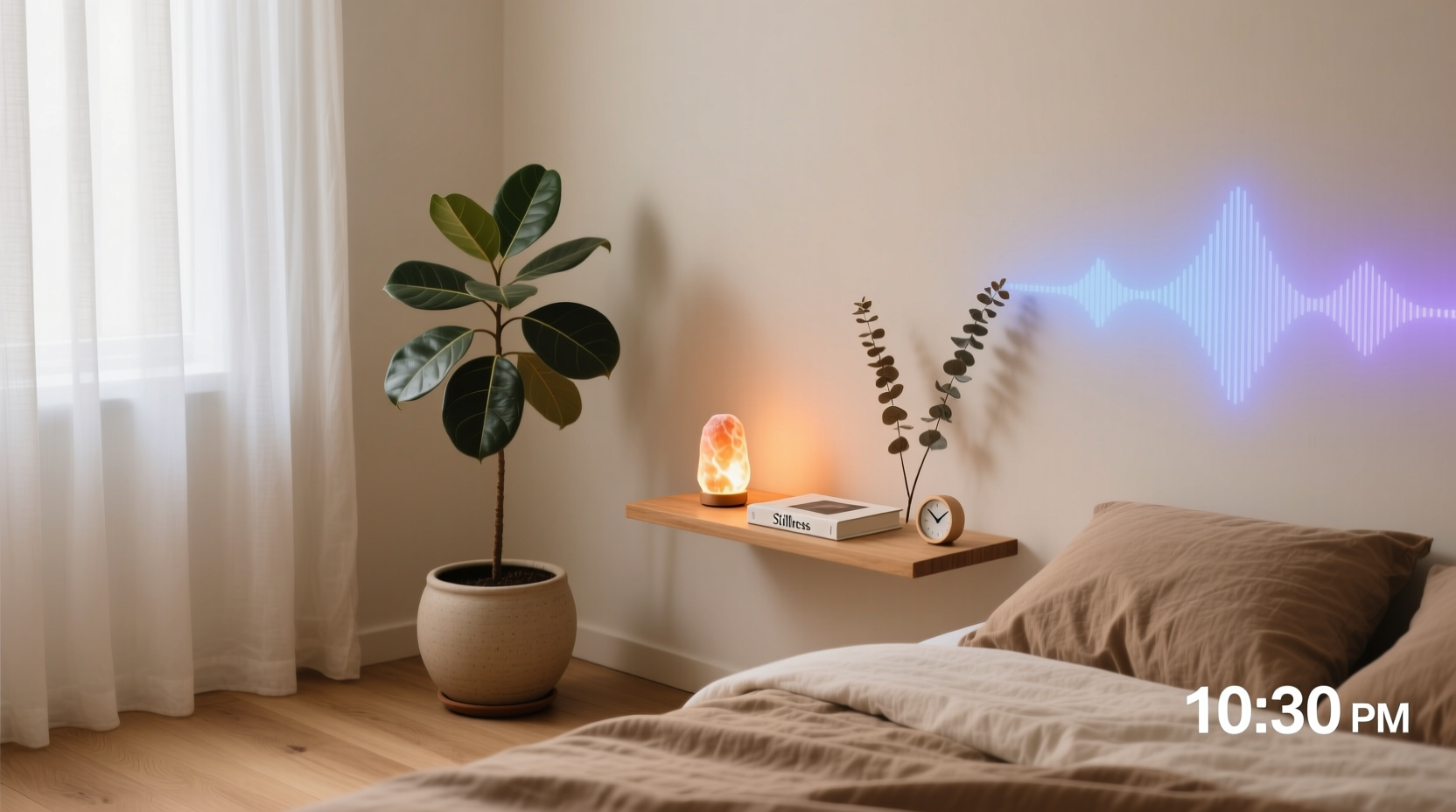
Sleep is regulated by a complex interplay of biological, psychological, and environmental factors. One of the most influential external elements is the bedroom itself. According to the National Sleep Foundation, optimal sleep environments are cool, quiet, dark, and free from distractions—especially digital ones. These conditions signal the brain that it’s time to wind down and initiate melatonin production, the hormone responsible for regulating sleep-wake cycles.
Environmental stimuli such as bright lights, irregular temperatures, or background noise can disrupt circadian rhythms, leading to fragmented sleep and reduced REM cycles. In contrast, a thoughtfully designed bedroom minimizes sensory disruptions and fosters a sense of safety and comfort. This isn’t about luxury—it’s about creating consistency and predictability in your surroundings so your nervous system can relax without resistance.
“Your bedroom should function like a sleep laboratory: controlled, consistent, and optimized for one purpose—rest.” — Dr. Lena Patel, Sleep Neurologist at the Center for Integrated Sleep Medicine
Optimize Lighting for Circadian Harmony
Light is the most powerful cue your body uses to regulate sleep. Exposure to natural daylight during the day boosts alertness and helps synchronize your internal clock, while minimizing artificial light at night supports melatonin release.
In the evening, shift toward warm, dim lighting. Avoid overhead fluorescents or blue-rich LEDs, which mimic daylight and suppress melatonin. Instead, use lamps with warm-toned bulbs (2700K or lower) placed below eye level to create a cozy ambiance. Consider installing dimmer switches or smart bulbs that gradually reduce brightness as bedtime approaches.
About 60–90 minutes before bed, begin reducing exposure to screens. If you must use a device, enable night mode and keep it at least two feet away from your face. Alternatively, switch to non-digital wind-down activities like reading a physical book or journaling under soft lamplight.
Control Temperature and Air Quality
The ideal bedroom temperature for sleep ranges between 60–67°F (15–19°C). At this range, your core body temperature naturally drops, signaling the onset of drowsiness. A room that’s too warm can cause restlessness, while one that’s too cold may lead to frequent awakenings.
To maintain optimal climate control:
- Use breathable bedding made from natural fibers like cotton, linen, or bamboo.
- Invest in a temperature-regulating mattress topper if your current mattress retains heat.
- Keep windows slightly open or use an air purifier to ensure fresh airflow and reduce allergens.
- Run a humidifier in dry climates to prevent throat irritation and nasal congestion.
Indoor air quality also plays a role in relaxation. Volatile organic compounds (VOCs) from synthetic furnishings, cleaning products, or aerosols can subtly agitate the nervous system. Choose low-VOC paints, natural cleaning solutions, and houseplants like snake plants or peace lilies that filter airborne toxins and release oxygen at night.
Reduce Noise and Sensory Distractions
Noise is a common yet often underestimated barrier to deep sleep. Even if you don’t fully wake up, sounds like traffic, snoring, or household appliances can fragment sleep architecture, reducing slow-wave and REM sleep—the stages essential for memory consolidation and emotional regulation.
To mitigate auditory disturbances:
- Seal gaps around doors and windows to block outside noise.
- Use heavy drapes or sound-absorbing rugs to dampen echoes within the room.
- Introduce white or pink noise through a dedicated machine or app. Pink noise, in particular, has been shown in studies to enhance stable sleep patterns by masking abrupt sounds.
- Consider earplugs designed for sleeping—soft silicone or foam varieties are comfortable and effective.
Minimizing visual clutter is equally important. A disorganized room activates the stress response, making it harder to mentally let go. Keep surfaces clear, store items out of sight, and limit decorative objects to a few meaningful pieces that evoke calm.
| Element | Do | Avoid |
|---|---|---|
| Lighting | Warm bulbs, dimmers, blackout shades | Blue light, bright overhead fixtures |
| Temperature | Cool air, breathable linens | Heavy synthetic blankets, overheated rooms |
| Noise | Pink noise, earplugs, rugs | TV, loud HVAC systems |
| Furniture Layout | Clear pathways, bed against solid wall | Crammed spaces, mirrors facing bed |
Design for Psychological Comfort and Intention
Your bedroom should feel like a retreat, not a multipurpose zone. Using the same space for work, eating, or screen binging trains your brain to associate it with activity rather than rest. To reframe the psychological function of your bedroom:
- Remove work-related items—laptops, files, desks—if possible.
- Restrict food consumption to other areas of the home.
- Make the bed each morning to reinforce its purpose as a clean, inviting space.
Color psychology also influences mood. Soft neutrals, muted blues, gentle greens, and warm grays are consistently linked to relaxation. Avoid stimulating colors like red or bright orange in large quantities. If you prefer bold accents, reserve them for small decor items rather than walls or bedding.
Choose fabrics that feel soothing to the touch. High-thread-count cotton sheets, brushed flannel in winter, or silky sateen blends can elevate tactile comfort, helping your body transition smoothly into rest mode.
Real-Life Example: Transforming a Chaotic Bedroom
Sarah, a 38-year-old project manager in Chicago, struggled with insomnia for years. Her bedroom doubled as a home office, with a desk cluttered with papers, a TV mounted on the wall, and laundry piled in the corner. Despite trying supplements and meditation, she found herself lying awake past midnight.
Over three weekends, she redesigned her space: relocating her workstation to a spare nook in the living room, removing the TV, investing in blackout curtains, and switching to a warm dimmable lamp. She added a small diffuser with lavender oil and replaced her worn polyester sheets with organic cotton.
Within two weeks, Sarah reported falling asleep 30 minutes faster and waking less frequently. “It felt strange at first,” she said, “but my brain started recognizing the room as a place for rest, not stress. I didn’t realize how much the clutter was weighing on me.”
Step-by-Step Guide to Creating Your Calming Bedroom
Transforming your bedroom doesn’t require a full renovation. Follow this seven-day plan to build a sleep-supportive environment gradually:
- Day 1: Declutter all surfaces. Remove non-bedroom items like work materials, exercise gear, or dirty laundry.
- Day 2: Audit your lighting. Replace harsh bulbs with warm, dimmable alternatives and install blackout curtains.
- Day 3: Evaluate your bedding. Wash sheets, replace worn pillows, and consider upgrading to temperature-regulating materials.
- Day 4: Address noise. Test for drafts or gaps, add rugs, and experiment with a white noise machine.
- Day 5: Adjust thermostat settings and introduce air quality improvements—clean vents, add a purifier, or a low-maintenance plant.
- Day 6: Reassess furniture placement. Ensure easy movement and position the bed for maximum comfort and visibility.
- Day 7: Introduce calming sensory elements—diffuse essential oils, play soft music during wind-down, or incorporate a weighted blanket if appropriate.
After completing the week, observe changes in your sleep patterns. Keep a simple log noting when you fall asleep, how often you wake, and how rested you feel upon rising.
Essential Checklist for a Calming Bedroom
Use this checklist to evaluate and upgrade your space:
- ✅ Bed is reserved only for sleep and intimacy
- ✅ Room temperature stays between 60–67°F (15–19°C)
- ✅ Blackout curtains or eye mask available
- ✅ No TVs, laptops, or work materials in the room
- ✅ Lighting is warm, dimmable, and layered
- ✅ Noise minimized with rugs, seals, or sound machines
- ✅ Bedding is clean, comfortable, and seasonally appropriate
- ✅ Air is fresh and filtered; humidity balanced
- ✅ Surfaces are uncluttered and calming in appearance
- ✅ Scent is mild and relaxing (e.g., lavender, chamomile)
Frequently Asked Questions
Can scents really improve sleep?
Yes. Aromatherapy, particularly with lavender, has been clinically shown to reduce heart rate and blood pressure, promoting relaxation. A 2015 study published in *Nursing in Critical Care* found that participants exposed to lavender oil fell asleep faster and reported higher sleep quality. Use a diffuser, sachet, or lightly scented pillow spray—but avoid overwhelming concentrations.
Is it okay to have plants in the bedroom?
Yes, most plants are safe and beneficial. While some believe plants consume oxygen at night, the amount is negligible. Certain species like snake plants and orchids actually emit oxygen after dark. Just avoid overly fragrant flowers or plants that require frequent misting, which can increase mold risk.
How do I know if my mattress is affecting my sleep?
If you wake with stiffness, numbness, or notice sagging or lumps, your mattress may be past its prime. Most mattresses last 7–10 years. A supportive mattress keeps your spine aligned whether you sleep on your back, side, or stomach. Rotate it regularly and consider a topper for added comfort.
Final Thoughts: Make Rest a Priority
Creating a calming bedroom environment isn’t about perfection—it’s about intention. Small, consistent changes compound over time to transform your relationship with sleep. When your space actively supports relaxation, you’re not just improving sleep duration; you’re enhancing mental clarity, emotional resilience, and long-term well-being.
You don’t need expensive upgrades to make a difference. Start with one change—removing your phone from the nightstand, adding a dimmer switch, or simply making your bed each morning. These acts signal to your mind that rest matters. Over time, your bedroom will become a true refuge, a place where tension dissolves and deep restoration begins.




 浙公网安备
33010002000092号
浙公网安备
33010002000092号 浙B2-20120091-4
Comments
No comments yet. Why don't you start the discussion?