
A bedroom should be more than just a place to sleep—it should be a sanctuary of calm, a retreat from the sensory overload of daily life. Yet many people overlook two of the most powerful tools for shaping atmosphere: scent and lighting. When used intentionally, these elements can transform an ordinary bedroom into a deeply restorative space that supports mental clarity, emotional balance, and high-quality sleep. Unlike major renovations or expensive furniture, scent and lighting are low-cost, high-impact upgrades accessible to nearly everyone. This guide explores practical, science-backed strategies to harness both, helping you design a bedroom environment that nurtures peace and promotes well-being.
The Science Behind Scent and Relaxation
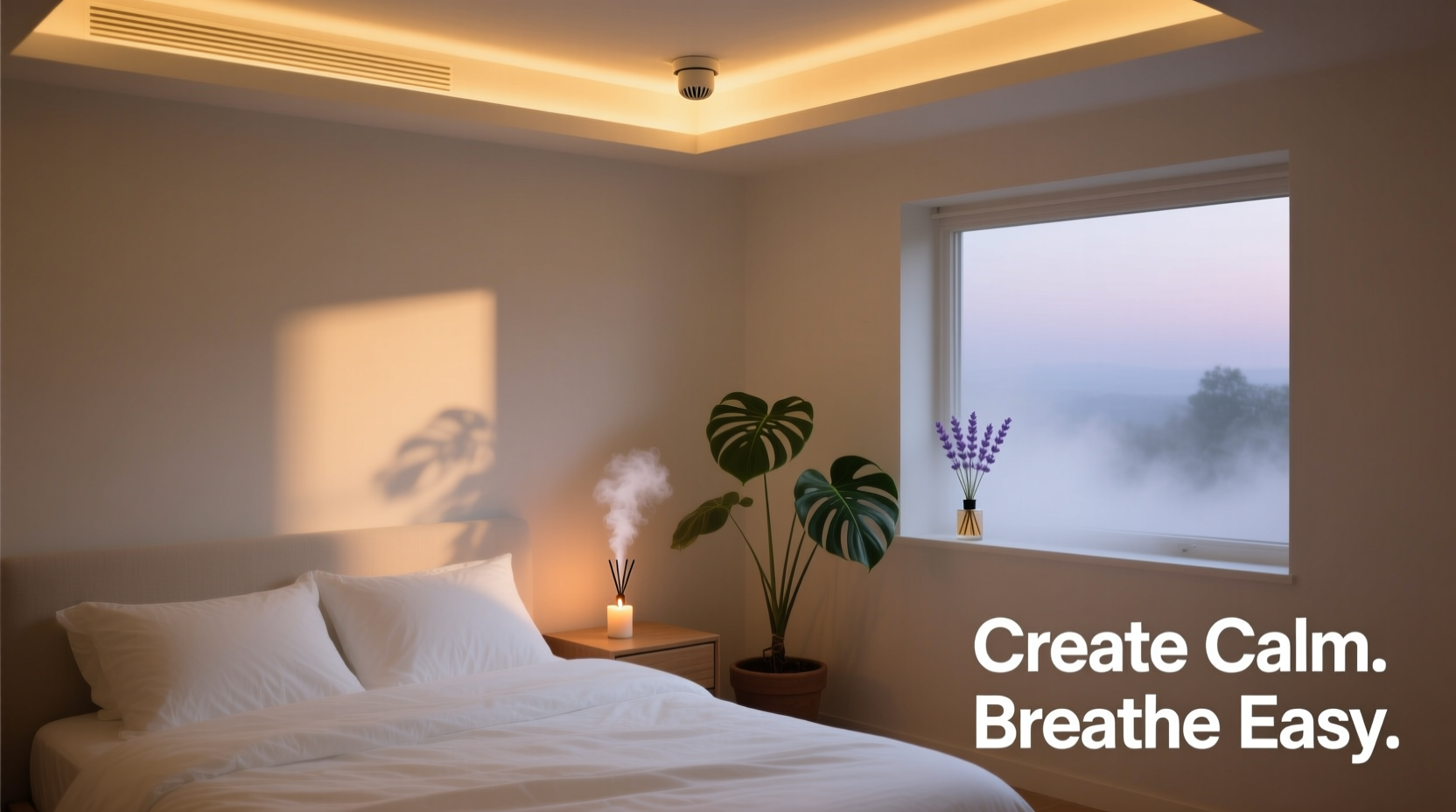
Olfaction—the sense of smell—is directly linked to the limbic system, the part of the brain responsible for emotion, memory, and arousal. This means scents don’t just float in the air; they trigger physiological responses. Certain aromas can lower heart rate, reduce cortisol levels, and stimulate the release of calming neurotransmitters like serotonin.
Lavender is perhaps the most studied essential oil for relaxation. Research published in *Complementary Therapies in Medicine* found that inhaling lavender before bedtime significantly improved sleep quality in participants with mild insomnia. Other effective calming scents include chamomile, known for its gentle sedative properties; bergamot, which reduces anxiety without causing drowsiness; and sandalwood, prized in Ayurvedic traditions for grounding the mind.
It’s important to use high-quality, pure essential oils rather than synthetic fragrances, which may contain irritants or volatile organic compounds (VOCs) that disrupt sleep. Always dilute oils properly and avoid overuse—subtlety is key. A faint, consistent background scent is more soothing than an overpowering burst of fragrance.
Lighting That Supports Circadian Rhythms
Light is the primary regulator of your circadian rhythm—the internal clock that governs sleep-wake cycles. Exposure to bright, blue-rich light during the day boosts alertness and mood, while dim, warm-toned light in the evening signals the body to prepare for sleep by increasing melatonin production.
Unfortunately, modern bedrooms are often flooded with artificial blue light from screens, LED bulbs, and digital devices. Even brief exposure to this type of light in the evening can delay melatonin onset by up to 90 minutes, according to a study from *Harvard Medical School*. To counteract this, redesign your lighting strategy around three principles: warmth, intensity, and timing.
- Warm color temperature: Choose bulbs rated between 2200K and 2700K (amber to soft white) for evening use.
- Dimmable fixtures: Install dimmer switches or use smart bulbs to gradually lower brightness as bedtime approaches.
- Layered lighting: Combine ambient (ceiling), task (reading lamp), and accent (shelf or floor) lighting to create flexibility.
“Your body doesn’t distinguish between sunlight and artificial light—it responds to wavelength. Mimicking natural twilight cues is essential for healthy sleep.” — Dr. Lena Patel, Sleep Neurologist at Boston Sleep Institute
Step-by-Step Guide: Transform Your Bedroom in One Evening
You don’t need weeks or a renovation budget to make meaningful changes. Follow this simple timeline to create a calming bedroom environment using scent and lighting in under two hours:
- 6:00 PM – Declutter and Clean
Remove unnecessary items from surfaces. Wipe down nightstands and vacuum to eliminate dust, which can carry allergens and affect air quality. - 6:30 PM – Adjust Lighting Setup
Replace any cool-white bulbs in bedside lamps or overhead fixtures with warm-toned LEDs. If possible, install a smart bulb that can shift from 4000K during the day to 2200K at night. - 7:00 PM – Introduce Calming Scents
Fill a diffuser with 3 drops of lavender and 2 drops of cedarwood essential oil. Place it on a nightstand away from direct airflow to ensure even dispersion. - 7:30 PM – Set Ambience Mode
Dim lights to 30% brightness. Turn off overhead lighting and rely solely on table or floor lamps. Consider adding a salt lamp or candle-style LED bulbs for a flickering effect that mimics flame. - 8:00 PM – Establish a Wind-Down Ritual
Sit quietly for 10 minutes with eyes closed, focusing on breath and the subtle scent in the room. This trains your brain to associate the environment with relaxation.
Choosing the Right Scent Delivery Method
Not all scent diffusion methods are equally effective or safe. Each has pros and cons depending on your needs, sensitivity, and room size.
| Method | Best For | Pros | Cons |
|---|---|---|---|
| Ultrasonic Diffuser | Daily use, humid environments | Adds moisture, quiet operation, adjustable mist | Requires regular cleaning, uses water |
| Nebulizing Diffuser | Stronger therapeutic effect | No heat/water, preserves oil integrity | Louder, uses oil faster |
| Reed Diffusers | Passive, continuous scent | No electricity, decorative, low maintenance | Weaker aroma, limited control |
| Scented Candles (Soy/Beeswax) | Evening ambiance | Warm glow, ritualistic feel | Fire risk, soot if not clean-burning |
| Spray Mists | Quick refresh | Portable, instant effect | Short-lived, frequent reapplication needed |
For those with asthma or sensitivities, start with low concentrations and test one method at a time. Avoid plug-in air fresheners with synthetic fragrances, which have been linked to headaches and respiratory irritation.
Real-Life Example: A Shift Worker’s Sanctuary
Maria, a 42-year-old nurse working rotating night shifts, struggled with poor sleep despite feeling exhausted. Her bedroom had bright white LED lighting and no consistent scent routine. After consulting a sleep coach, she implemented targeted changes:
- She installed smart bulbs programmed to emit cool daylight during her waking hours (even if it was 2 AM) and transition to warm amber light 90 minutes before her intended sleep time.
- She began using a nebulizing diffuser with a blend of vetiver and orange essential oils—one hour before lying down.
- She added blackout roller shades and replaced her harsh ceiling fixture with a fabric-shaded floor lamp.
Within three weeks, Maria reported falling asleep 40% faster and experiencing fewer nighttime awakenings. “It’s not magic,” she said. “It’s about giving my brain clear signals: dim light and earthy scent mean it’s time to shut down.”
Common Mistakes to Avoid
Even with good intentions, small missteps can undermine your efforts. Here are frequent pitfalls and how to correct them:
- Overpowering scents: Strong fragrances can trigger headaches or nausea. Aim for a background presence you notice only when actively paying attention.
- Inconsistent lighting: Mixing cool and warm lights in the same space confuses circadian signaling. Stick to one color temperature per zone.
- Using scented products with unknown ingredients: Many commercial sprays and candles contain phthalates. Opt for transparency—look for labels listing 100% essential oils.
- Ignoring light at night: Even small LED indicators on electronics can disrupt melatonin. Cover or remove glowing devices.
Checklist: Build Your Calming Bedroom Environment
Use this checklist to ensure you’ve covered all essentials:
- ✅ Replace cool-white bulbs with warm-toned (2200K–2700K) alternatives
- ✅ Install dimmer switches or smart lighting controls
- ✅ Add blackout curtains or shades
- ✅ Choose a diffuser type suited to your lifestyle
- ✅ Select 1–2 calming essential oils (e.g., lavender, chamomile, sandalwood)
- ✅ Diffuse scent 30–60 minutes before bedtime
- ✅ Remove or cover electronic light sources (alarm clocks, chargers)
- ✅ Clean diffusers weekly to prevent mold buildup
- ✅ Test scent sensitivity before prolonged use
- ✅ Create a nightly wind-down ritual incorporating light and scent
Frequently Asked Questions
Can I use multiple scents at once?
Yes, but blend intentionally. Combining too many oils can create a chaotic aroma. Start with complementary pairs—lavender and bergamot, cedarwood and orange, or frankincense and sandalwood. Use no more than 5–6 total drops in a standard diffuser.
Are there lighting options for renters who can’t change fixtures?
Absolutely. Use plug-in floor or table lamps with warm bulbs. Smart LED strips can be adhered behind headboards or along baseboards for ambient glow. Battery-powered puck lights offer temporary accent lighting without installation.
How long does it take to notice improvements in sleep?
Many people report feeling calmer within the first few days. Significant improvements in sleep latency and continuity typically emerge within 2–3 weeks of consistent use. Individual results vary based on baseline sleep hygiene and environmental factors.
Final Thoughts: Design for Well-Being, Not Just Aesthetics
A calming bedroom isn’t defined by minimalist decor or luxury linens alone—it’s shaped by sensory intelligence. By aligning scent and lighting with your body’s natural rhythms, you create an environment that doesn’t just look peaceful but actively fosters it. These adjustments require minimal investment but yield profound returns in sleep quality, stress resilience, and daily focus. The bedroom becomes not just a room, but a practice—a daily return to stillness in a world that rarely allows it.




 浙公网安备
33010002000092号
浙公网安备
33010002000092号 浙B2-20120091-4
Comments
No comments yet. Why don't you start the discussion?