
A bedroom should be more than just a place to sleep—it should serve as a sanctuary from the noise and demands of daily life. In an era of constant stimulation, cultivating a space that promotes peace, simplicity, and presence is not a luxury; it’s a necessity. Minimalist decor offers a powerful framework for achieving this. By stripping away excess and focusing on intentionality, you can transform your bedroom into a restorative retreat that supports both physical rest and emotional well-being. This guide explores how to apply minimalist principles thoughtfully to design a serene, functional, and deeply personal bedroom environment.
The Philosophy Behind a Minimalist Bedroom Retreat
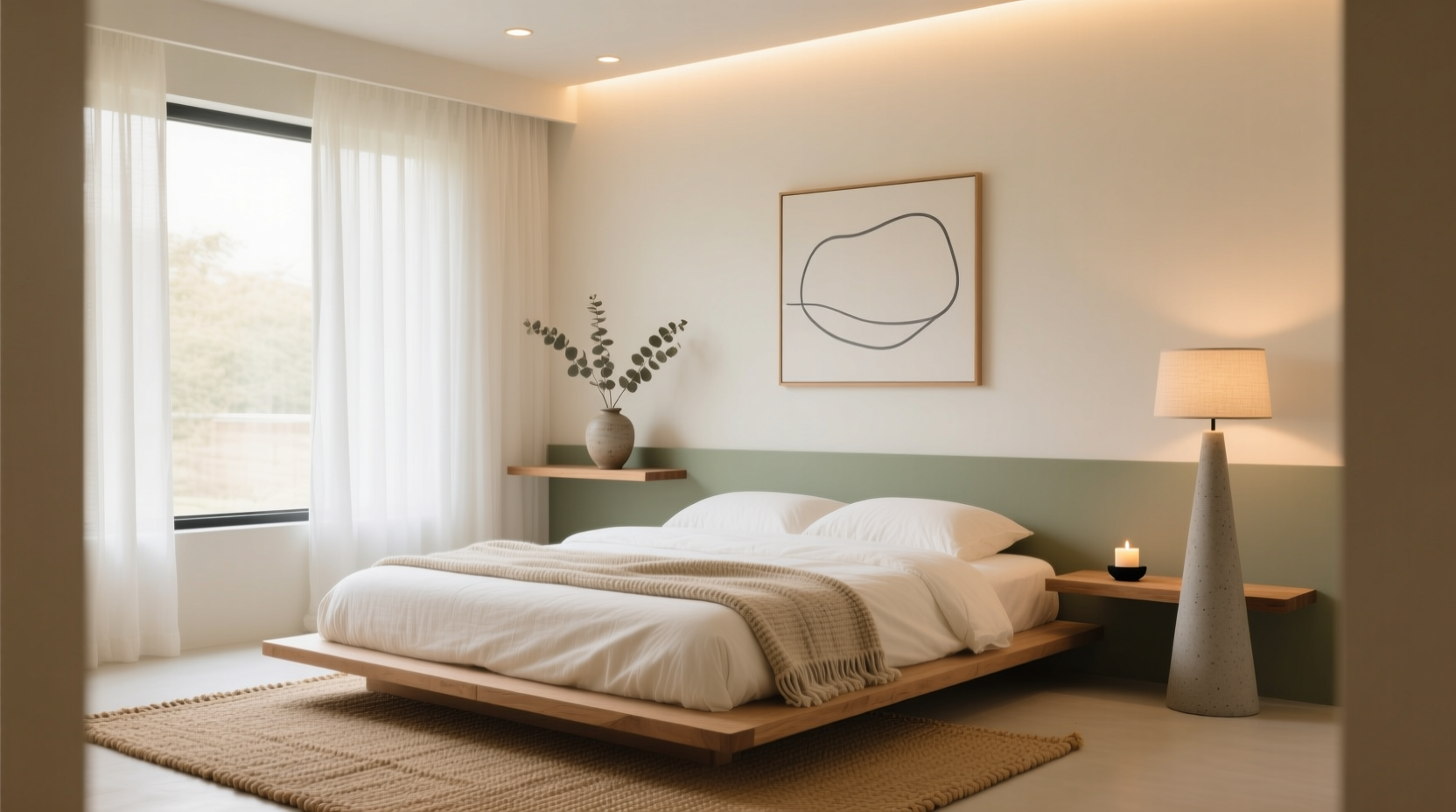
Minimalism in interior design isn’t about deprivation or stark emptiness. It’s about making room for what truly matters by removing what doesn’t. In the context of a bedroom, this means eliminating visual clutter, unnecessary furniture, and distracting elements so that calm and comfort take center stage.
At its core, minimalism encourages mindfulness in consumption and curation. When applied to a bedroom, it fosters a sense of order, clarity, and tranquility. A minimalist bedroom doesn’t rely on decorative excess but instead emphasizes quality over quantity—choosing pieces that are both beautiful and functional.
“Simplicity is the ultimate sophistication.” — Leonardo da Vinci
This timeless quote captures the essence of minimalist design: elegance emerges not from abundance, but from thoughtful restraint. A calming bedroom built on these principles becomes a haven where stress dissolves and rest becomes effortless.
Step-by-Step Guide to Creating Your Minimalist Retreat
Transforming your bedroom into a calming minimalist space involves more than just decluttering. It requires a deliberate approach to layout, color, lighting, and personalization. Follow this step-by-step process to build a retreat that feels both intentional and inviting.
- Clear the clutter: Begin by removing everything from surfaces, drawers, and under the bed. Sort items into categories: keep, donate, discard. Be ruthless—anything unused for six months likely doesn’t belong in a rest-focused space.
- Assess furniture needs: Identify which pieces are essential. Typically, only a bed, nightstand, and perhaps a small dresser or wardrobe are necessary. Remove anything that doesn’t serve a clear function.
- Choose a neutral color palette: Opt for soft, earthy tones like warm whites, greys, beige, sage green, or muted blues. These colors promote relaxation and make the space feel larger and airier.
- Invest in quality textiles: Select bedding made from natural materials such as organic cotton, linen, or bamboo. Choose simple patterns or solid colors to maintain visual calm.
- Control lighting intentionally: Avoid harsh overhead lights. Use layered lighting with warm-toned lamps, dimmable fixtures, and candles (real or flameless) to create a soothing ambiance.
- Incorporate mindful decor: Add one or two meaningful objects—a small plant, a piece of art, or a cherished book. Avoid decorative overload.
- Optimize air quality and scent: Introduce clean air through plants like snake or peace lilies, and use subtle, natural fragrances like lavender or sandalwood via essential oil diffusers.
Do’s and Don’ts of Minimalist Bedroom Design
To help you stay aligned with minimalist principles while creating a warm and livable space, refer to the following table outlining key do’s and don’ts.
| Do | Don't |
|---|---|
| Use hidden storage solutions like under-bed drawers or built-in closets | Leave clothes or accessories visible on chairs or floors |
| Choose multi-functional furniture (e.g., bed with storage) | Fill the room with single-use decorative items |
| Keep wall decor to one or two focal pieces | Hang multiple framed photos or artwork in crowded arrangements |
| Let natural light flow freely during the day | Block windows with heavy, dark curtains unnecessarily |
| Introduce texture through rugs, throws, or cushions in neutral tones | Add bright colors or bold patterns that disrupt visual harmony |
Tips for Maintaining a Calming Atmosphere Year-Round
Creating a minimalist bedroom is only the beginning. The true value lies in sustaining the space as a peaceful retreat. Daily habits and seasonal adjustments play a crucial role in preserving the integrity of your design.
- Make your bed every morning—it instantly restores order and sets a tone of discipline and care.
- Rotate seasonal textiles subtly: lighter linens in summer, a cozy wool throw in winter—but avoid accumulating extra items.
- Practice a nightly reset: spend five minutes returning items to their designated places before sleep.
- Limit digital intrusion: establish a rule that screens are not used in bed, reinforcing the room’s purpose as a sleep zone.
- Reassess quarterly: once every three months, walk through your bedroom and ask, “Does every item here still serve me?”
Real-Life Example: Transforming a Cluttered Bedroom into a Minimalist Sanctuary
Sarah, a graphic designer living in Portland, found herself constantly tired despite getting enough sleep. Her bedroom was filled with mismatched furniture, stacks of books, workout gear, and old artwork leaning against the walls. She often worked late into the night on her laptop in bed, surrounded by distractions.
Determined to improve her sleep and reduce anxiety, Sarah decided to redesign her bedroom using minimalist principles. Over a weekend, she cleared out non-essentials, donated two-thirds of her clothing, sold an oversized desk, and repainted the walls in a soft warm grey. She replaced her old mattress with a low-profile platform bed dressed in white linen sheets and added a single oak nightstand with a ceramic lamp.
She introduced a small fiddle-leaf fig in the corner and hung one framed print—a black-and-white photograph she took on a hiking trip. Electronics were banned from the room except for a vintage-style alarm clock. Within two weeks, Sarah reported falling asleep faster, waking up more refreshed, and feeling less mentally scattered throughout the day.
“It’s amazing how much difference a few intentional choices made,” she said. “The room finally feels like mine—quiet, clean, and full of breath.”
Expert Insight: What Designers Say About Minimalism and Well-Being
Interior designers and wellness experts increasingly recognize the psychological benefits of minimalist spaces. Research shows that cluttered environments elevate cortisol levels, contributing to stress and reduced focus. Conversely, orderly, uncluttered rooms support cognitive clarity and emotional regulation.
“The bedroom is the most intimate space in the home. When we simplify it, we send a message to our subconscious: ‘You are safe. You can rest.’ Minimalism isn’t cold—it’s compassionate.” — Lena Torres, Certified Interior Organizer & Mindful Living Consultant
Torres emphasizes that minimalism should never feel punitive. “People mistake minimalism for having nothing. But it’s really about having only what you love and need. That kind of curation brings deep satisfaction.”
Essential Checklist for Your Minimalist Bedroom Transformation
Use this checklist to ensure your bedroom aligns with calming minimalist principles:
- ✅ Removed all non-essential furniture and decor
- ✅ Decluttered clothing, books, and personal items (donated or stored elsewhere)
- ✅ Chosen a cohesive, neutral color scheme
- ✅ Installed warm, dimmable lighting
- ✅ Selected high-quality, natural-material bedding
- ✅ Limited wall decor to one or two meaningful pieces
- ✅ Eliminated or minimized electronic devices
- ✅ Added one live plant or natural element (wood, stone, cotton)
- ✅ Established a nightly tidying routine
- ✅ Created dedicated storage for remaining essentials
Frequently Asked Questions
Can a minimalist bedroom still feel cozy?
Absolutely. Coziness comes from texture, warmth, and personal touches—not clutter. Use soft linens, a plush rug, a knit throw, or warm lighting to create intimacy without sacrificing minimalism.
How do I decorate a small bedroom minimally?
Focus on vertical space and multifunctional furniture. Use floating shelves instead of dressers, choose a bed with built-in storage, and keep decor to a minimum. Light colors and mirrors can enhance the sense of space.
Is minimalism suitable for families or shared bedrooms?
Yes, with careful planning. Each person should have a defined, limited area for personal items. Use labeled bins, shared color schemes, and agreed-upon decor rules to maintain harmony. Simplicity benefits everyone in shared spaces.
Conclusion: Begin Your Journey Toward Peaceful Simplicity
A calming bedroom retreat isn’t created overnight, but each intentional choice moves you closer to a space that nurtures your mind, body, and spirit. Minimalist decor is not about perfection—it’s about presence. When your environment reflects clarity and care, your inner world begins to mirror that same peace.
You don’t need a complete renovation or expensive furnishings. Start small: clear one surface, replace one harsh lightbulb, remove one item that no longer serves you. These micro-actions accumulate into profound change. Over time, your bedroom will become more than a place to sleep—it will become a daily reminder that simplicity is strength.




 浙公网安备
33010002000092号
浙公网安备
33010002000092号 浙B2-20120091-4
Comments
No comments yet. Why don't you start the discussion?