
A bedroom should be more than just a place to sleep—it should be a retreat from the noise, stress, and stimulation of daily life. Yet, many bedrooms are cluttered, over-lit, or filled with scents that do little to promote relaxation. The intentional use of scent and lighting can transform your sleeping space into a true sanctuary: a calm, sensory environment that supports mental clarity, emotional balance, and restorative sleep.
The science behind this is clear. Light influences circadian rhythms through melatonin production, while scent directly affects the limbic system—the part of the brain responsible for emotion and memory. When harmonized, these two elements become powerful tools in shaping your mood and readiness for rest. This guide explores how to curate both scent and lighting to foster peace, deepen relaxation, and elevate your nightly routine.
The Role of Lighting in Creating Calm
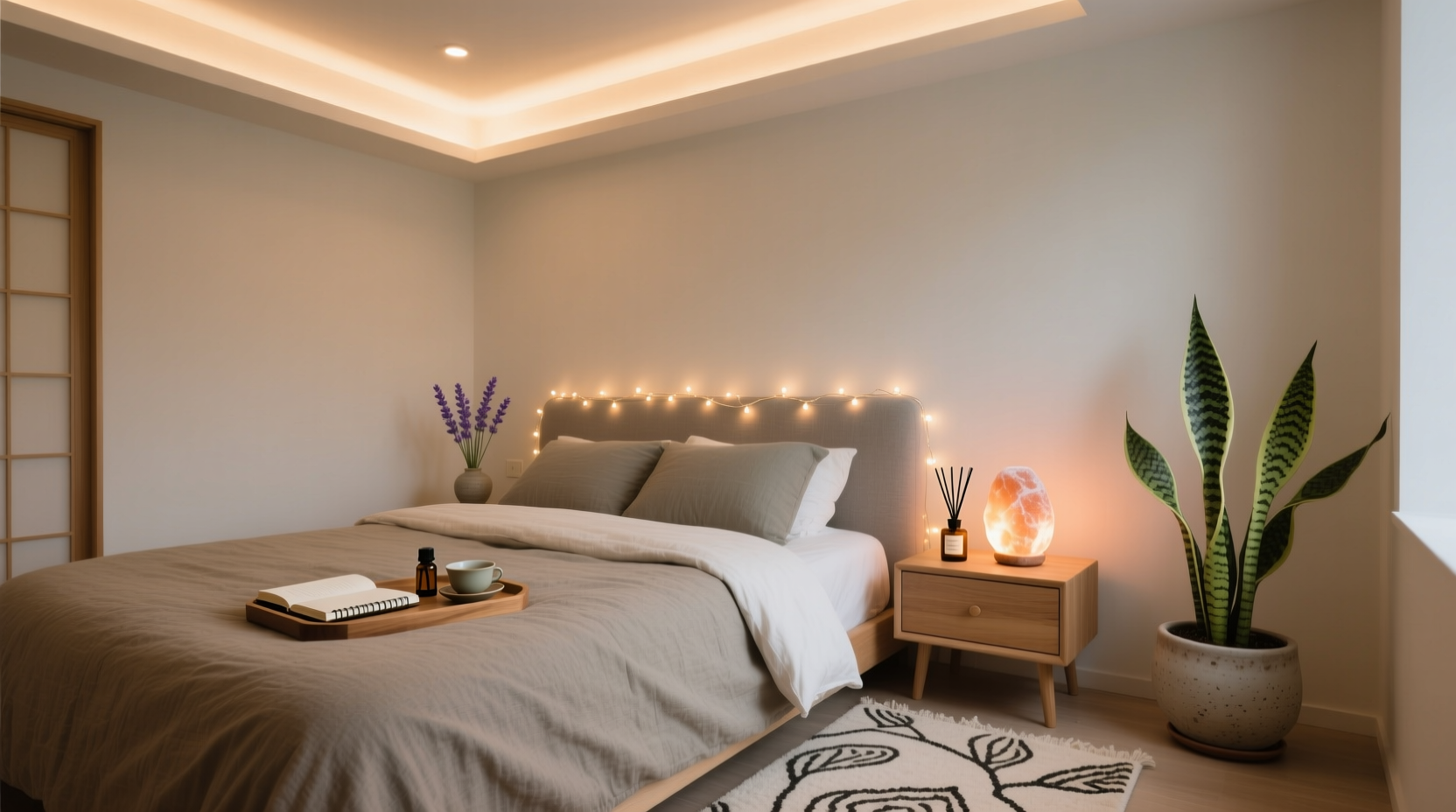
Lighting is one of the most underutilized design tools in bedroom environments. Harsh overhead lights, bright screens, and inconsistent color temperatures can disrupt sleep cycles and keep the mind alert when it should be winding down.
Natural daylight helps regulate your internal clock, but after sunset, your lighting choices should shift toward warmth and softness. Blue-enriched white light—common in LEDs and digital devices—suppresses melatonin, delaying sleep onset. In contrast, warm-toned lighting (below 3000K) mimics candlelight or sunset, signaling the brain that it’s time to relax.
Layered Lighting for Maximum Impact
Effective bedroom lighting isn’t about brightness—it’s about layers. A well-designed lighting plan includes three components:
- Ambient lighting: Soft, general illumination that sets the overall tone. Ceiling fixtures with diffusers or indirect cove lighting work well.
- Task lighting: Focused light for reading or journaling. Wall-mounted swing-arm lamps or adjustable floor lights prevent glare.
- Accent lighting: Decorative or mood-enhancing light, such as LED strips behind headboards or under furniture.
Using all three creates depth and flexibility. You can brighten the room for evening routines and then dim it progressively as bedtime approaches.
Choosing the Right Scents for Relaxation
Fragrance has an immediate psychological effect. Unlike other senses, smell bypasses the thalamus and connects directly to the amygdala and hippocampus—regions involved in emotion and memory. This makes scent uniquely capable of evoking calm, comfort, or nostalgia.
Certain essential oils have been studied for their anxiolytic (anxiety-reducing) properties. Lavender, in particular, is backed by clinical research showing reduced heart rate, blood pressure, and subjective stress levels when inhaled before sleep.
“Scent is a silent influencer of mood. A consistently soothing aroma in the bedroom conditions the mind to associate that space with safety and stillness.” — Dr. Naomi Reed, Neuroaesthetics Researcher
Top Essential Oils for Sleep and Calm
| Essential Oil | Primary Benefit | Best Used |
|---|---|---|
| Lavender | Reduces anxiety, improves sleep quality | Diffuser, pillow spray, bath oil |
| Chamomile (Roman) | Soothes nervous tension, mild sedative | Diffuser, linen mist |
| Bergamot | Elevates mood without overstimulation | Diffuser (avoid sunlight after skin application) |
| Sandalwood | Promotes deep breathing and meditation | Candle, incense, roll-on blend |
| Ylang Ylang | Lowers cortisol, induces relaxation | Diffuser, massage oil |
When selecting products, opt for 100% pure essential oils rather than synthetic fragrances, which may contain irritants or lack therapeutic benefits. Always dilute oils properly and perform patch tests if applying to skin.
Step-by-Step Guide to Building Your Sensory Sanctuary
Creating a calming bedroom doesn’t require a renovation. It’s about consistency, intention, and small changes that compound over time. Follow this five-step process to align your space with relaxation.
- Assess your current lighting. Turn off all lights and observe what remains illuminated—digital clocks, chargers, streetlights. Eliminate blue-light sources where possible.
- Install warm, dimmable lighting. Replace cool-white bulbs with warm-toned LEDs. Add smart bulbs that adjust color temperature throughout the evening.
- Introduce layered lighting. Position bedside lamps at eye level when seated, install under-bed LED strips, and consider a low-glow salt lamp for ambient warmth.
- Select 1–2 calming scents. Begin with lavender or chamomile. Use a diffuser on a timer for 30–60 minutes before bed.
- Create a pre-sleep ritual. Dim the lights, diffuse your chosen scent, and engage in a quiet activity like reading or stretching to signal transition.
This sequence trains your body and mind to recognize environmental cues for rest. Over time, entering the room will naturally prompt a state of ease.
Common Mistakes That Undermine Calm
Even with good intentions, certain habits can sabotage your efforts. Avoid these pitfalls:
- Using strong or artificial fragrances. Overpowering perfumes or plug-in air fresheners can cause headaches and irritation.
- Leaving electronics on overnight. TVs, phones, and routers emit both light and electromagnetic fields that disturb rest.
- Over-lighting the space. Bright ceiling lights during evening routines delay melatonin release.
- Ignoring scent fatigue. Continuous exposure dulls the effect of aromas; use intermittently for best results.
Do’s and Don’ts Summary
| Do | Don’t |
|---|---|
| Use warm-toned, dimmable lights | Install bright, cool-white overhead lights |
| Diffuse essential oils 30–60 min before bed | Run diffusers all night long |
| Keep surfaces clutter-free | Store laundry or work materials in the bedroom |
| Use blackout curtains for deeper darkness | Allow streetlight or screen glow to enter |
| Choose natural materials (cotton, wool, wood) | Fill space with plastic decor or synthetic fabrics |
Real-Life Example: Transforming a Stressful Bedroom
Sarah, a 38-year-old project manager in Chicago, struggled with insomnia for months. Her bedroom had a bright ceiling fixture, a glowing TV standby light, and no consistent scent. She often worked late on her laptop in bed, further blurring the line between productivity and rest.
Over two weeks, she made targeted changes: she replaced her overhead bulb with a dimmable warm LED, added two small table lamps with parchment shades, and began using a lavender-chamomile diffuser nightly. She also removed her laptop and installed blackout curtains.
Within ten days, Sarah reported falling asleep 25 minutes faster on average and waking less frequently. “It feels like my room finally understands that its job is to help me rest,” she said. “The scent and soft light make it feel sacred.”
Her experience reflects a broader truth: environmental design shapes behavior. When a space supports calm, the mind follows.
Your Calming Bedroom Checklist
Use this checklist to evaluate and upgrade your bedroom environment:
- ✅ Replace cool-white bulbs with warm-toned (2700K–3000K), dimmable options
- ✅ Install at least two forms of soft lighting (e.g., bedside lamp + accent strip)
- ✅ Eliminate or cover electronic lights (clocks, chargers, indicators)
- ✅ Choose one calming essential oil (e.g., lavender, sandalwood)
- ✅ Use a diffuser or linen spray 30–60 minutes before bed
- ✅ Avoid synthetic air fresheners and heavily perfumed detergents
- ✅ Introduce blackout curtains or a sleep mask for complete darkness
- ✅ Establish a wind-down ritual involving scent and low light
- ✅ Keep the space clean, uncluttered, and free of work-related items
- ✅ Evaluate progress weekly and adjust scents or lighting as needed
Frequently Asked Questions
Can I use candles instead of electric lighting?
Yes, real candles—especially beeswax or soy-based ones—can enhance ambiance and provide a flickering, natural light that calms the nervous system. However, never leave them unattended. For safety, flameless LED candles with realistic flicker effects are a great alternative.
Is it safe to diffuse essential oils every night?
While generally safe, continuous diffusion can lead to sensitivity or respiratory irritation in some individuals. Limit diffusion to 30–60 minutes before bed, and take breaks every few days. Ensure proper ventilation and avoid use if you have asthma or allergies.
What if I don’t like strong scents?
You don’t need intense fragrance to benefit from aromatherapy. Try lightly misting your pillowcase or placing a few drops of oil on a cotton ball near your bed. Subtle, intermittent exposure can still influence mood without overwhelming your senses.
Final Thoughts: Design Your Space to Support Your Wellbeing
Your bedroom is not just a functional room—it’s a psychological container for rest, healing, and renewal. By thoughtfully integrating scent and lighting, you shape an environment that actively supports your nervous system. These aren’t luxuries; they’re foundational elements of holistic health.
The goal isn’t perfection. It’s consistency. Start with one change—swap a bulb, try a lavender spray, dim the lights 30 minutes earlier—and build from there. Small shifts accumulate into lasting transformation. When your bedroom becomes a true sanctuary, sleep deepens, stress unwinds, and mornings begin with greater clarity.




 浙公网安备
33010002000092号
浙公网安备
33010002000092号 浙B2-20120091-4
Comments
No comments yet. Why don't you start the discussion?