
A well-designed bedroom can be more than just a place to sleep—it can become a sanctuary for mental recovery, emotional balance, and physical rest. For individuals managing anxiety, the environment in which they rest plays a critical role in symptom regulation. Lighting and spatial layout are two of the most influential yet often overlooked elements in creating a space that actively supports calmness. Unlike quick fixes, an intentional bedroom setup works passively every night to lower stress hormones, reduce mental chatter, and improve sleep quality. This guide explores practical, research-backed strategies to transform your bedroom into a therapeutic retreat through smart lighting choices and thoughtful furniture arrangement.
The Role of Environment in Anxiety Management
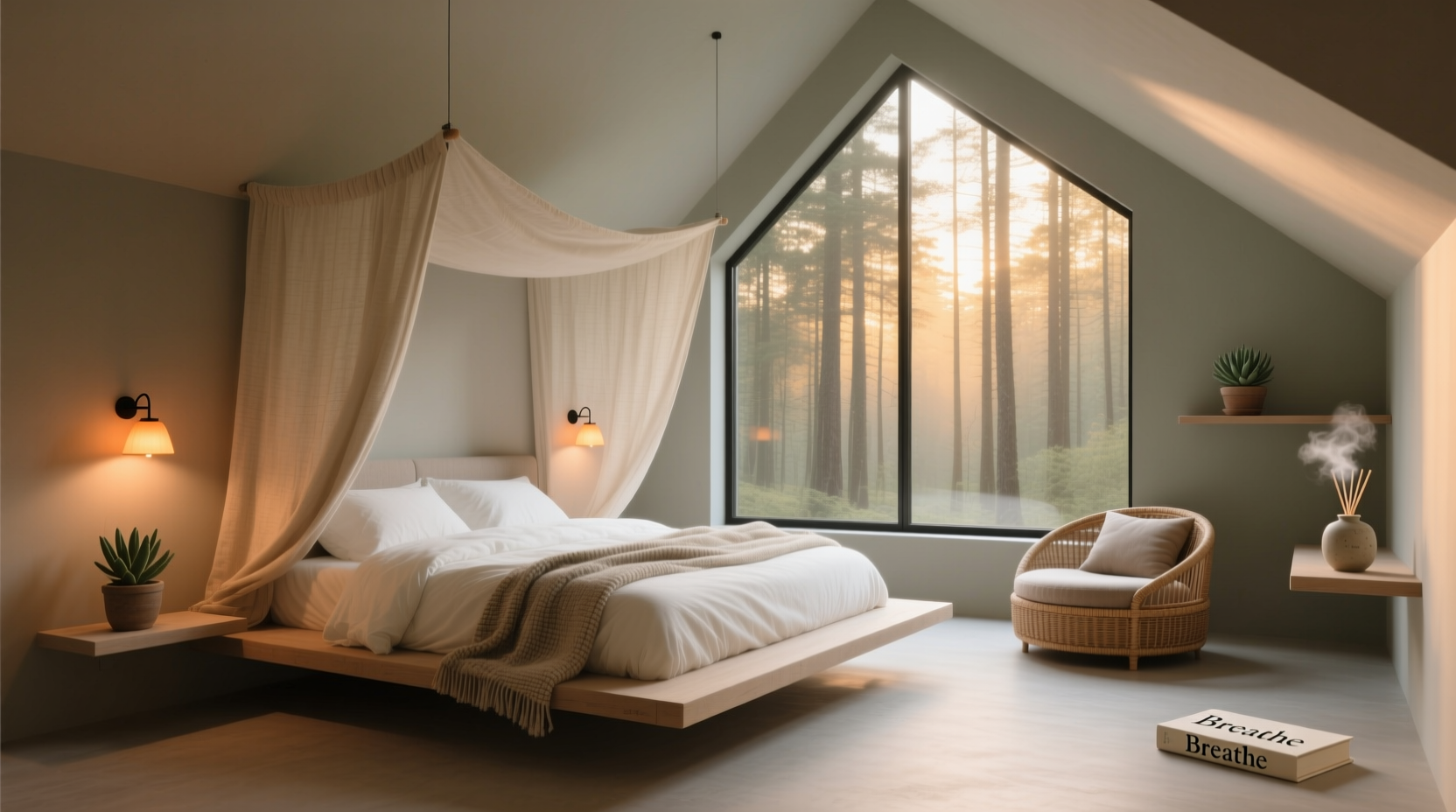
Anxiety is not solely a psychological condition; it is deeply influenced by sensory input. Light, sound, temperature, and spatial organization all send signals to the nervous system, either triggering alertness or signaling safety. The bedroom, ideally, should communicate one message: it’s safe to let go here. When the brain perceives environmental cues as chaotic, cluttered, or overly stimulating, it remains in a low-level state of vigilance—counterproductive to both relaxation and deep sleep.
Environmental psychology confirms that spaces with balanced proportions, soft textures, and controlled lighting reduce cortisol levels and increase melatonin production. A study published in the journal *Environment and Behavior* found that participants exposed to warm-toned lighting in minimally arranged rooms reported significantly lower anxiety levels than those in bright, cluttered environments. These findings underscore the importance of designing not just for aesthetics, but for neurological impact.
“Your bedroom shouldn’t just be a place where you sleep—it should be a place that helps your nervous system reset.” — Dr. Lena Reyes, Clinical Psychologist & Sleep Specialist
Lighting Strategies for Calmness and Circadian Support
Light is one of the most powerful regulators of mood and biological rhythm. Poor lighting choices can disrupt circadian cycles, elevate stress hormones, and exacerbate anxious thoughts. The goal is to align artificial lighting with the body’s natural rhythms while minimizing visual overstimulation.
Use Warm, Low-Intensity Lighting
Cool white or blue-toned lights (above 4000K) mimic daylight and stimulate alertness. In contrast, warm lighting (2700K–3000K) promotes relaxation by signaling to the brain that it’s time to wind down. Replace overhead ceiling lights with softer alternatives such as:
- Floor lamps with warm LED bulbs
- Battery-powered fairy lights behind headboards
- Sconces with fabric shades on either side of the bed
- Dimmable pendant lights with amber filters
Create Layered Lighting Zones
Relying on a single light source creates harsh contrasts and shadows, which can subconsciously trigger unease. Instead, build three layers of lighting:
- Ambient: Soft, general illumination (e.g., dimmed ceiling fixture or indirect cove lighting)
- Task: Focused light for reading or journaling (e.g., adjustable bedside lamp)
- Accent: Decorative glow (e.g., LED strips under the bed or behind artwork)
This layered approach allows flexibility and prevents the jarring transition from bright to dark, which can spike anxiety in sensitive individuals.
Leverage Natural Light During the Day
Morning sunlight exposure helps regulate serotonin and melatonin production. Keep curtains open during daylight hours to reinforce your circadian rhythm. If privacy is a concern, use sheer blinds or translucent roller shades that diffuse light without blocking it entirely.
Avoid Blue Light After Dusk
Electronic devices emit high levels of blue light, which suppresses melatonin. Eliminate TVs, smartphones, and tablets from the bedroom. If you must use a device, enable night mode and limit usage to 15 minutes max before sleep.
| Light Type | Color Temperature | Best Use Time | Effect on Anxiety |
|---|---|---|---|
| Daylight Bulbs | 5000K–6500K | Morning only | Increase alertness; avoid at night |
| Warm White LEDs | 2700K–3000K | Evening to bedtime | Promote relaxation |
| Amber/Red Lights | Below 2200K | Nighttime (e.g., bathroom trips) | Minimal melatonin disruption |
| Blue-Dominant Screens | N/A | Not recommended after 7 PM | Elevates anxiety and delays sleep |
Optimizing Bedroom Layout for Emotional Safety
The way furniture is arranged affects not only flow but also subconscious feelings of security. In feng shui and environmental design, the bed’s position is considered foundational to emotional well-being. A poorly placed bed can create subtle stressors—such as feeling exposed or obstructed—that accumulate over time.
Position the Bed for Maximum Security
The ideal placement follows what designers call the “command position”: the bed should be diagonally opposite the door, with a clear view of the entrance but not directly in line with it. This setup gives the brain a sense of control, reducing hypervigilance common in anxiety disorders.
Avoid placing the bed:
- Directly against a wall shared with a noisy appliance (e.g., refrigerator or HVAC unit)
- Under a window (can create drafts and light disturbances)
- Facing a mirror (can trigger restlessness due to subconscious movement detection)
Minimize Clutter Through Intentional Storage
Visual clutter increases cognitive load. A 2019 UCLA study linked disorganized living spaces with higher cortisol levels, especially in women. To maintain a serene atmosphere:
- Use under-bed storage containers for off-season clothing
- Install floating shelves instead of bulky dressers
- Keep nightstands clear—only allow essentials like a lamp, water glass, and one book
- Choose furniture with hidden compartments (e.g., ottomans with storage)
Ensure Clear Pathways
Tight walkways force the body to navigate with tension, activating the sympathetic nervous system. Allow at least 24 inches of clearance around the bed and maintain unobstructed routes from the door to key areas. This not only improves physical ease but reinforces a psychological sense of freedom.
Step-by-Step Guide to Transform Your Bedroom
Implementing these changes doesn’t require a renovation. Follow this timeline to create a calming bedroom in under two weeks:
- Day 1–2: Declutter
Remove non-essential items, donate unused furniture, and clean surfaces. Focus on creating open floor space. - Day 3–4: Audit Lighting
Replace cool bulbs with warm ones. Add dimmable options or smart lighting systems. Remove any blue-light-emitting devices. - Day 5–6: Rearrange Furniture
Reposition the bed into the command position. Adjust nightstands and seating for balance and accessibility. - Day 7–8: Introduce Calming Elements
Add blackout curtains, soft rugs, and indoor plants (e.g., snake plant or peace lily) known for air-purifying qualities. - Day 9–10: Test and Refine
Spend evenings in the space observing how you feel. Adjust brightness, furniture angles, or storage as needed. - Day 11–14: Establish Routines
Begin a pre-sleep ritual: dim lights at 8 PM, journal for 10 minutes, read under soft lamp light. Track sleep quality and anxiety levels.
Real-Life Example: Sarah’s Transformation
Sarah, a 34-year-old graphic designer, struggled with nighttime anxiety and frequent waking. Her bedroom had a bright overhead light, a TV mounted across from the bed, and clothes piled in a corner. After consulting a sleep coach, she restructured her space following the principles above. She replaced the ceiling light with two warm sconces, moved her bed to the command position, and installed blackout curtains. She removed the TV and added a small bookshelf with calming reads.
Within ten days, Sarah reported falling asleep 25 minutes faster and waking up less agitated. “It felt like my room finally ‘got’ me,” she said. “I wasn’t fighting against the space anymore. It was working with me.”
Essential Checklist for a Calming Bedroom Setup
Use this checklist to ensure your bedroom supports anxiety relief:
- ✅ All bulbs are warm white (2700K–3000K)
- ✅ Overhead lighting is dimmable or rarely used
- ✅ No screens or blue-light devices in the room
- ✅ Bed is in the command position with clear door visibility
- ✅ Nightstands are uncluttered and functional
- ✅ At least 24 inches of walking space around the bed
- ✅ Storage solutions minimize visible clutter
- ✅ Blackout or room-darkening curtains are installed
- ✅ Floor has a soft rug or carpet for tactile comfort
- ✅ Air quality is improved with a quiet air purifier or live plants
Frequently Asked Questions
Can I use candles instead of electric lights?
Yes, real candles (especially beeswax or soy-based) provide a flickering, warm glow that many find soothing. However, never leave them unattended. Flameless LED candles with realistic wicks offer a safer alternative with similar psychological benefits.
Is total darkness better than low light for anxiety?
Not necessarily. Complete darkness can heighten sensory sensitivity in some people, making them more aware of sounds or internal thoughts. A very low level of ambient light—such as a dim nightlight in the hallway or under-bed glow—can create a sense of safety without disrupting sleep cycles.
What if I share the bedroom with a partner who prefers brighter lighting?
Consider personalized zones. Use directional task lighting (like adjustable reading lamps) so each person can control their immediate area. You might also agree on a “dimming schedule” where lights gradually lower together, respecting both preferences while maintaining a calm atmosphere.
Conclusion: Design for Peace, Not Just Function
A bedroom designed for anxiety relief isn’t about luxury or trends—it’s about alignment with your nervous system’s needs. By thoughtfully curating lighting and layout, you create a space that doesn’t just house your body at night, but actively soothes your mind. The changes may seem small—a warmer bulb, a shifted nightstand, a cleared surface—but their cumulative effect is profound. Over time, this environment trains your brain to associate the bedroom with safety, stillness, and release.




 浙公网安备
33010002000092号
浙公网安备
33010002000092号 浙B2-20120091-4
Comments
No comments yet. Why don't you start the discussion?