
A bedroom should be more than just a place to sleep—it should be a sanctuary where stress unwinds and the mind settles. Yet many people assume creating a peaceful retreat requires expensive furniture, designer decor, or a full renovation. The truth is, serenity doesn’t demand a high price tag. With thoughtful choices and intentional design, you can transform even the most basic sleeping space into a restful haven for under $100. The key lies not in spending more, but in designing smarter—focusing on atmosphere, sensory comfort, and emotional resonance.
This guide walks through practical, budget-friendly methods to cultivate calm in your bedroom. From lighting adjustments to mindful clutter management, every change is designed to support mental clarity and deeper rest—without straining your finances.
1. Declutter with Purpose
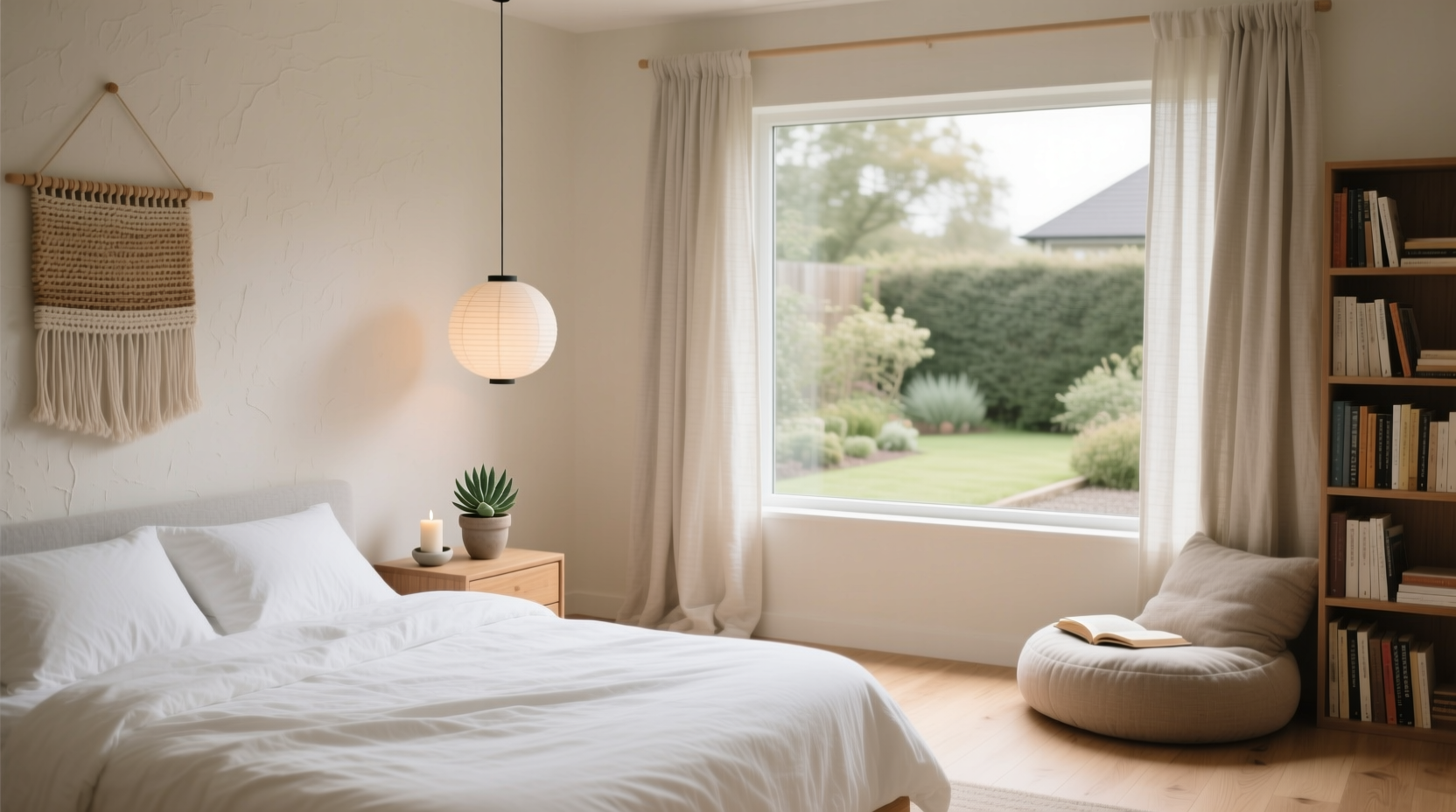
Clutter is one of the most common disruptors of peace. Visual chaos signals stress to the brain, making it harder to relax. A clean, organized room doesn’t require new storage solutions—just intentionality. Start by removing items that don’t belong in the bedroom: work materials, laundry piles, electronics, or unused furniture. These distractions pull focus away from rest.
Sort belongings into three categories: keep, donate, and discard. Be ruthless with duplicates, broken items, or things you haven’t used in six months. Use what you already own for storage—repurpose shoeboxes, baskets, or old drawers to contain small items. Label them simply to maintain order.
The goal isn’t perfection—it’s functional simplicity. A surface free of visual noise allows the mind to breathe. Even if your space is small or shared, clearing just one shelf or nightstand can make a noticeable difference in how the room feels.
2. Optimize Lighting for Relaxation
Lighting plays a powerful role in regulating mood and circadian rhythms. Harsh overhead lights or blue-toned LEDs can stimulate alertness when you need calm. The solution? Layer soft, warm lighting throughout the space using affordable, accessible tools.
Replace bright white bulbs with warm white (2700K–3000K) options. These emit a gentle, amber glow similar to candlelight, signaling the body that it’s time to wind down. If you can’t change bulbs, use lampshades made from fabric or paper to diffuse harsh light.
Use multiple low-level light sources instead of one central fixture. A secondhand table lamp, string lights, or even a DIY rice-paper lantern can add ambient warmth. Position lights at seated eye level—on nightstands or low shelves—to avoid glare and create a cozy pool of illumination.
“Lighting sets the emotional tone of a room. Soft, downward-facing light mimics sunset conditions, helping the nervous system transition into rest.” — Dr. Lena Torres, Sleep Environment Researcher
Budget-Friendly Lighting Ideas
- Use fairy lights draped over a headboard or curtain rod for subtle sparkle
- Wrap inexpensive LED strips around existing furniture edges
- Create a DIY salt rock effect with a colored bulb and a bowl of Himalayan salt chunks
- Place a candle (or flameless version) inside a mason jar for soft, flickering ambiance
3. Choose Calming Colors Strategically
Color psychology is real: certain hues naturally reduce heart rate and lower cortisol levels. Cool tones like soft blues, muted greens, and warm grays are consistently linked to relaxation. But repainting an entire room isn’t always feasible—or affordable.
The workaround? Introduce calming colors through textiles and accessories. Swap out bright or busy bedding for solid pastel sheets, a sage-colored duvet cover, or neutral-toned blankets. Look for secondhand linens at thrift stores or online marketplaces; often, gently used bedding costs less than $15.
Add color through removable elements: curtains, rugs, wall art, or pillowcases. This approach lets you experiment without commitment. If painting is an option, consider doing just one accent wall in a tranquil shade. A single gallon of paint goes a long way and can cost under $30.
| Color | Emotional Effect | Budget Application |
|---|---|---|
| Soft Blue | Reduces anxiety, lowers blood pressure | Bedding, throw pillows, painted picture frames |
| Muted Sage Green | Promotes balance and renewal | Curtains, indoor plants, woven baskets |
| Warm Gray | Creates neutrality and sophistication | Rugs, wall paint, storage bins |
| Lavender (subtle) | Encourages drowsiness and calm | Sachets, spray bottles, accent cushions |
4. Incorporate Natural Elements
Nature has an innate ability to soothe. Biophilic design—the practice of connecting interiors with nature—doesn’t require a garden view or expensive wood finishes. Simple, low-cost additions can bring the tranquility of the outdoors inside.
Start with houseplants. Snake plants, pothos, and zz plants thrive in low light and need minimal watering. Most nurseries sell small starter plants for $3–$8. Place them on windowsills, dressers, or hang in macramé planters made from leftover yarn.
Introduce natural materials: a jute rug, wooden picture frame, bamboo tray, or cotton-woven basket. These textures ground the space and add warmth without visual overload. Even the sound of nature helps—play a free rain or forest sounds playlist through an old phone or tablet placed on silent mode.
Step-by-Step: Bring Nature Indoors (Under $25)
- Purchase one low-maintenance plant ($5–$10)
- Find a secondhand pot or reuse a glass jar with pebbles
- Position near natural light or rotate weekly to prevent leaning
- Add a small wooden tray to hold nighttime essentials (book, water glass)
- Play nature sounds during bedtime routine (free apps available)
“Exposure to even minimal natural elements indoors can reduce perceived stress by up to 30%.” — Environmental Psychology Review, 2022
5. Control Noise and Scent Mindfully
Sound and smell are often overlooked in bedroom design, yet they deeply influence emotional state. Unwanted noise—from traffic, neighbors, or household activity—can fragment sleep and increase tension. Similarly, artificial fragrances may trigger headaches or allergies.
To manage sound, try these low-cost solutions:
- Roll up towels and place them at the base of doors to block outside noise
- Hang thick curtains or tapestries to absorb echoes
- Use foam earplugs or a white noise app (many free versions exist)
- Place bookshelves against shared walls to dampen sound transfer
For scent, avoid plug-in air fresheners or sprays filled with synthetic chemicals. Instead, infuse the room with natural aromas:
- Dry bundles of lavender and place them in sachets near pillows
- Use a diffuser with a few drops of essential oil (lavender, chamomile, or cedarwood)
- Create a DIY linen spray: mix water, a teaspoon of vodka, and 5–10 drops of essential oil in a spray bottle
Mini Case Study: Maria’s Studio Transformation
Maria, a 28-year-old graduate student in Chicago, lived in a 300-square-foot studio apartment where her bed occupied nearly half the space. The room felt cramped and stressful, especially after long study sessions. She wanted a calming zone but had only $75 to spend.
She began by clearing all non-bedroom items—textbooks went to a folding desk in the corner, laundry was moved to a closet organizer. She painted the wall behind her bed a soft gray-blue using a sample pot she bought on discount ($7). She added a secondhand floor lamp with a linen shade ($15) and strung fairy lights along the headboard ($12).
Maria replaced her bright floral bedding with charcoal-gray sheets and added a knitted cream throw from a thrift store ($8). She placed a small snake plant on her nightstand ($6) and used a free meditation app with forest sounds at night. Finally, she made a linen spray with lavender oil and water to refresh the space weekly.
Within three weeks, she reported falling asleep faster and waking less frequently. “It doesn’t look like a magazine spread,” she said, “but it finally feels like a place I can breathe.” Her total spending: $68.
Checklist: Build Your Calm Bedroom on a Budget
Follow this step-by-step checklist to create your own serene space without overspending:
- ☐ Remove all non-bedroom items (work, laundry, electronics)
- ☐ Deep clean floors, surfaces, and bedding
- ☐ Replace harsh bulbs with warm white lighting (or add lampshades)
- ☐ Add one or two low-light houseplants
- ☐ Swap bright or patterned textiles for solid, calming colors
- ☐ Use books, rugs, or tapestries to absorb sound
- ☐ Introduce natural scent via essential oils or dried herbs
- ☐ Create a nightly reset habit: tidy surfaces, dim lights, play quiet sounds
FAQ
Can I make my bedroom calming without repainting?
Absolutely. Paint helps, but it’s not required. Focus on textiles, lighting, and organization. Hang a large tapestry, use removable wallpaper samples as art, or drape fabric in a soothing color across a wall. These changes cost less and are renter-friendly.
What if I share the bedroom with someone who has different tastes?
Start with your side of the bed. Create a personal calm zone using a bedside caddy, individual lighting, and headphones for sound control. Use a room divider or strategically placed furniture to define space. Agree on shared basics like lighting temperature and clutter standards.
How do I keep the calm feeling long-term?
Maintain it with routine. Schedule a 15-minute weekly reset: wash sheets, wipe surfaces, check plant health, and refresh scents. Prevent clutter by assigning homes to everyday items. Reassess every season—swap textiles for heavier blankets in winter or lighter ones in summer to align with nature’s rhythm.
Final Thoughts: Peace Is Accessible
A calming bedroom isn’t reserved for those with spacious homes or deep pockets. It’s built through consistent, mindful choices—choosing stillness over stimulation, simplicity over excess, and care over convenience. Every element, from the angle of a lamp to the texture of a blanket, contributes to the overall sense of safety and rest.
You don’t need to wait for a renovation or a raise to begin. Start tonight: clear one surface, turn off the overhead light, and breathe in a quiet moment. Small actions compound into lasting change. Your bedroom can become a true refuge—one that supports not just sleep, but emotional resilience and daily well-being.




 浙公网安备
33010002000092号
浙公网安备
33010002000092号 浙B2-20120091-4
Comments
No comments yet. Why don't you start the discussion?