
A bedroom should be more than just a place to sleep—it should be a sanctuary. In today’s fast-paced world, the quality of rest and mental recovery hinges on the environment we cultivate at night. One of the most effective yet underutilized methods for enhancing bedroom tranquility is the intentional pairing of lighting and scent. When used together, these sensory elements can signal the brain to shift into rest mode, reduce stress hormones, and improve sleep onset and depth. This guide explores how to harmonize light and aroma to transform your bedroom into a deeply calming retreat.
The Science Behind Sensory Calm
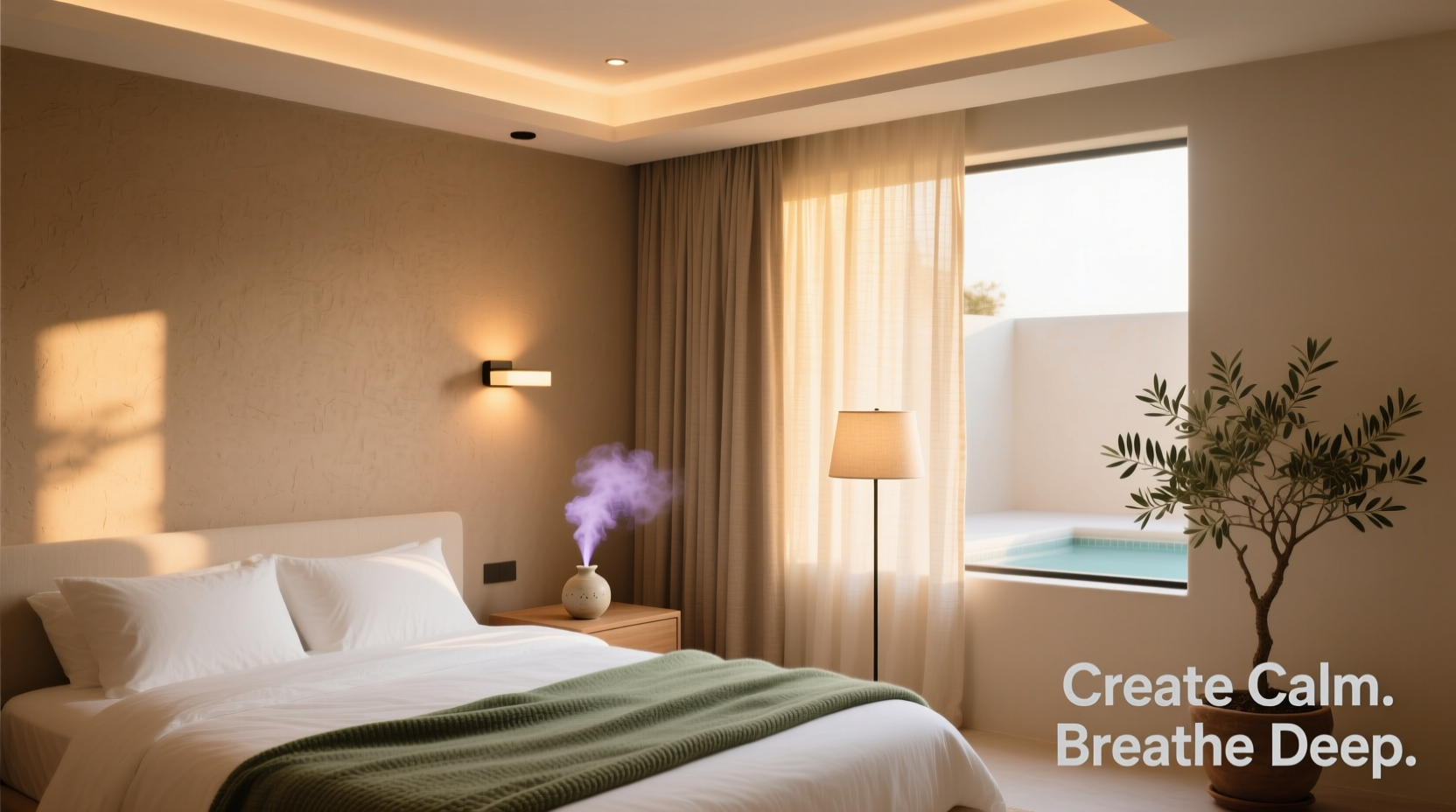
Light and scent are two of the most powerful influencers of mood and circadian rhythm. The human brain processes both through primal pathways: light via the suprachiasmatic nucleus (the body’s internal clock), and scent through the limbic system, which governs emotion and memory. When aligned intentionally, they can create a multisensory cue that tells the nervous system it’s time to wind down.
Blue-enriched daylight suppresses melatonin, keeping us alert during the day. As evening approaches, warmer tones (below 3000K) mimic sunset and encourage melatonin release. Similarly, certain scents—like lavender, sandalwood, or chamomile—have been shown in clinical studies to lower heart rate and cortisol levels. Combining the right light temperature with complementary aromas amplifies their individual effects, creating a layered experience of calm.
“Scent and light work synergistically. A warm amber glow paired with a soothing fragrance can reduce anxiety faster than either stimulus alone.” — Dr. Lena Torres, Sleep Environment Researcher, Institute of Circadian Health
Designing Your Lighting Atmosphere
Effective bedroom lighting isn’t about brightness—it’s about layering and control. Harsh overhead lights disrupt the transition to sleep, while well-placed, dimmable sources support relaxation.
Use Layered Lighting
Instead of relying on a single ceiling fixture, build three layers of light:
- Ambient lighting: Soft, overall illumination from ceiling-mounted fixtures or recessed lights on a dimmer.
- Task lighting: Focused light for reading, such as adjustable wall sconces or a small table lamp beside the bed.
- Ambience lighting: Decorative or accent lighting like LED strip lights behind headboards, floor lamps, or salt rock lamps.
Optimize Color Temperature
Choose bulbs rated between 2700K and 2200K for evening use. These emit a soft golden hue similar to candlelight, minimizing blue spectrum exposure. Avoid cool white (5000K+) after sunset.
If possible, automate your lighting schedule. Set lights to gradually dim 60–90 minutes before bed. This mimics natural dusk and supports melatonin production.
Selecting and Pairing Soothing Scents
Scent has an immediate emotional impact. Unlike other senses, olfaction bypasses the thalamus and connects directly to the amygdala and hippocampus—areas tied to emotion and memory. That’s why a familiar fragrance can evoke comfort or nostalgia almost instantly.
When choosing bedroom scents, prioritize those with documented calming properties. Essential oils are popular, but high-quality diffusers, linen sprays, or even scented candles can deliver results.
Top Calming Scents and Their Effects
| Scent | Effect | Best Paired With |
|---|---|---|
| Lavender | Reduces anxiety, improves sleep quality | Soft amber or candle-like lighting |
| Sandalwood | Grounding, promotes deep breathing | Warm dim lighting or salt lamps |
| Chamomile | Mild sedative, eases restlessness | Diffused low-wattage bedside lamps |
| Bergamot | Uplifting yet calming, reduces cortisol | Twilight-toned lighting (soft orange) |
| Cedarwood | Encourages respiratory relaxation | Earthy lighting (brown-tinged warm white) |
Always use essential oils responsibly. Dilute properly if applying to skin, and ensure good ventilation. For sensitive individuals, start with short diffusion intervals (15–20 minutes).
Strategic Pairings: Lighting + Scent Combinations That Work
The key to a truly calming bedroom lies in intentional pairing—matching scent profiles with corresponding light qualities to reinforce a unified sensory message.
Evening Wind-Down Ritual (7–9 PM)
As daylight fades, begin transitioning the space. Dim overhead lights and switch to bedside lamps with warm bulbs. Light a beeswax or soy candle infused with lavender and vanilla. The flickering flame adds movement and warmth, while the scent signals safety and comfort.
Pre-Sleep Sanctuary (9–10 PM)
At this stage, lighting should be minimal. Use a salt rock lamp or LED strips set to 2200K. Diffuse a blend of sandalwood and cedarwood. These earthy notes pair well with low, ambient light, evoking the feeling of being in a quiet forest at night.
Nighttime Navigation (Post-Bedtime)
If you need to move around at night, install motion-sensor nightlights with red LEDs. Red light has the least impact on melatonin. Pair with a subtle linen spray (lavender and chamomile) on pillowcases to maintain calm if you wake up.
“In our sleep clinic trials, patients exposed to warm lighting and lavender aroma fell asleep 15 minutes faster on average than controls.” — Dr. Rajiv Mehta, Neurologist & Sleep Specialist
Step-by-Step Guide to Creating Your Calming Bedroom
Follow this practical timeline to implement lighting and scent pairing effectively:
- Week 1: Audit your current setup. Walk into your bedroom at night. Is the lighting harsh? Are there competing scents (cleaning products, perfumes)? Remove anything disruptive.
- Week 2: Upgrade lighting. Replace cool-white bulbs with dimmable warm-white LEDs. Add at least one secondary light source (e.g., a salt lamp or wall sconce).
- Week 3: Introduce scent gradually. Start with a linen spray or reed diffuser using one calming oil (e.g., lavender). Use only in the evening.
- Week 4: Test pairings. Experiment with different combinations. Try bergamot with twilight-toned lighting, or sandalwood with salt lamp glow. Note how each affects your mood and sleep.
- Ongoing: Refine and automate. Use smart plugs or apps to schedule lights and diffusers. Create a nightly ritual: dim lights at 8 PM, diffuse scent at 8:30, read under warm task lighting until bed.
Common Mistakes to Avoid
Even well-intentioned efforts can backfire if not executed thoughtfully. Here are frequent pitfalls:
- Overpowering scents: Strong aromas can trigger headaches or anxiety. Less is more—especially in small rooms.
- Inconsistent lighting: Mixing cool and warm lights confuses the brain. Keep all bedroom sources within the same temperature range after sunset.
- Using scented candles unsafely: Never leave burning candles unattended. Opt for flameless alternatives if needed.
- Ignoring personal preference: Science supports certain scents, but individual response varies. If you dislike lavender, don’t force it—try chamomile or frankincense instead.
Mini Case Study: Transforming a High-Stress Bedroom
Sarah, a 34-year-old project manager in Chicago, struggled with insomnia due to work-related stress. Her bedroom had bright overhead lighting, no window coverings, and no consistent scent routine. She often worked on her laptop in bed, exposing herself to blue light late into the night.
Following a consultation with a sleep coach, she implemented a new system: installed smart bulbs programmed to shift from 4000K in the morning to 2200K by 8 PM; added a Himalayan salt lamp; and began using a lavender-sandalwood diffuser for 30 minutes before bed.
Within three weeks, Sarah reported falling asleep 25 minutes faster and waking less frequently. She described her bedroom as “a cave of calm” and said the scent-light combination made her feel “mentally detached from work stress.”
Checklist: Building Your Calming Bedroom
Use this checklist to ensure every element supports relaxation:
- ✅ Replace cool-white bulbs with warm-dimmable LEDs (2700K or lower)
- ✅ Install at least two non-overhead light sources (e.g., lamp, sconce, strip light)
- ✅ Add blackout curtains or shades to minimize external light
- ✅ Choose one primary calming scent (e.g., lavender, sandalwood)
- ✅ Select a safe scent delivery method (diffuser, linen spray, reed)
- ✅ Eliminate conflicting odors (air fresheners, laundry products near bed)
- ✅ Schedule lights to dim automatically 60–90 minutes before bedtime
- ✅ Test scent-light pairings and adjust based on personal response
- ✅ Maintain consistency—use the same routine nightly
Frequently Asked Questions
Can I use regular candles for scent and ambiance?
Yes, but choose clean-burning options like soy or beeswax with cotton wicks. Avoid paraffin candles, which can release toxins. Always extinguish before sleeping and keep away from flammable materials.
What if I’m sensitive to strong smells?
Start with minimal diffusion—5–10 minutes—or use lightly scented linen sprays. You can also place a few drops of essential oil on a wool dryer ball and tuck it under your pillow. The scent will be subtle and localized.
Do smart lights really make a difference?
Studies show that dynamic lighting systems that mimic natural daylight cycles improve sleep quality and mood regulation. Smart bulbs allow precise control over intensity and color temperature, making them ideal for supporting circadian health.
Final Thoughts: Make Calm a Daily Practice
Creating a calming bedroom isn’t about perfection—it’s about intention. Lighting and scent are accessible tools that, when used wisely, can reshape your relationship with rest. The goal isn’t just better sleep, but a deeper sense of peace each night as you cross the threshold into your personal haven.
Start small: swap one bulb, try one scent, observe how your body responds. Over time, refine your approach until the act of entering your bedroom becomes a signal of release. In a world that rarely slows down, this kind of sensory harmony is not a luxury—it’s a necessity.




 浙公网安备
33010002000092号
浙公网安备
33010002000092号 浙B2-20120091-4
Comments
No comments yet. Why don't you start the discussion?