
A bedroom should be more than just a place to sleep—it should be a sanctuary for rest, reflection, and rejuvenation. One of the most impactful yet often overlooked elements in shaping this environment is lighting. Harsh overhead lights can disrupt circadian rhythms, increase stress, and make relaxation difficult. In contrast, soft lighting fosters tranquility, supports melatonin production, and enhances emotional well-being. Thoughtfully layered, warm-toned illumination transforms your bedroom into a peaceful retreat that invites calm and comfort.
Creating a calming atmosphere isn’t about eliminating light altogether—it’s about choosing the right kind of light at the right time and in the right place. From dimmable fixtures to strategic placement, every decision contributes to an environment that nurtures rest. This guide explores practical, science-backed approaches to designing a bedroom lit for serenity, helping you build a space where tension melts away the moment you step inside.
The Science Behind Light and Relaxation
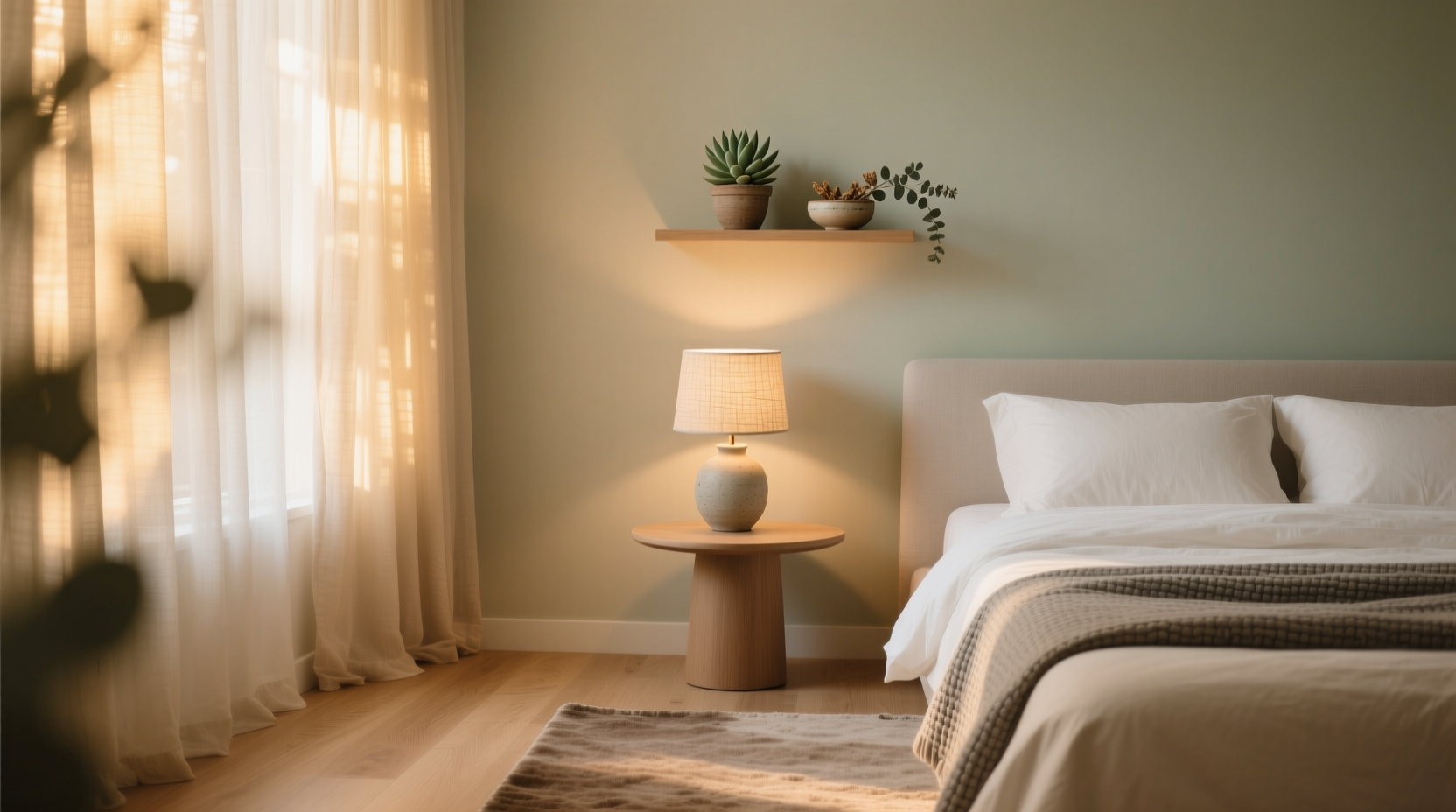
Light plays a critical role in regulating our internal body clock, or circadian rhythm. Exposure to bright, cool-toned (blue-enriched) light during the day boosts alertness and mood by suppressing melatonin, the hormone responsible for sleep. However, when such light persists into the evening, it delays melatonin release, making it harder to fall asleep and reducing sleep quality.
Soft, warm lighting—typically between 2000K and 3000K on the Kelvin scale—mimics the natural glow of sunset and candlelight. This spectrum signals the brain that it’s time to wind down. According to research published in the *Journal of Clinical Sleep Medicine*, exposure to warm, low-intensity light in the hours before bedtime significantly improves sleep onset and overall sleep efficiency.
“Evening light exposure is one of the strongest environmental cues affecting sleep. Warm, dim lighting helps transition the nervous system from active to restful states.” — Dr. Lena Torres, Sleep Neurologist, Harvard Medical School
Beyond biological effects, soft lighting also influences psychological comfort. Low-luminance environments reduce visual stimulation, minimizing mental clutter and promoting mindfulness. When your surroundings feel gentle and inviting, your mind follows suit.
Layering Light for Maximum Calm
Effective bedroom lighting relies on layering—combining multiple sources at varying intensities and locations to create depth and flexibility. A single overhead fixture creates flat, institutional lighting. Layered lighting, however, allows you to adjust brightness and focus based on activity and time of day.
The three essential layers are:
- Ambient Lighting: Provides general illumination. In a calming bedroom, this should be minimal and diffused—never direct or glaring.
- Task Lighting: Supports specific activities like reading or journaling. Must be adjustable and localized to avoid disturbing the overall mood.
- Accent Lighting: Adds warmth and dimension. Think fairy lights, LED strips, or illuminated artwork that softly highlights architectural features.
Practical Layering Strategy
- Start with ambient lighting via dimmable recessed lights or a central fixture with a fabric shade to diffuse brightness.
- Add bedside lamps with warm bulbs (2700K–3000K) for reading without disrupting the room’s overall softness.
- Incorporate accent lighting along baseboards, behind headboards, or under furniture using LED tape lights.
- Use smart bulbs or plug-in dimmers to fine-tune intensity throughout the evening.
Selecting the Right Fixtures and Bulbs
Not all light sources are created equal. The type of bulb and fixture dramatically affects both ambiance and health. Here’s what to prioritize:
| Feature | Recommended | Avoid |
|---|---|---|
| Color Temperature | 2000K–3000K (warm white to amber) | 4000K+ (cool white or daylight) |
| Bulb Type | Dimmable LED, incandescent-style filament | Standard fluorescent, non-dimmable LEDs |
| Fixture Design | Frosted glass, fabric shades, indirect uplighting | Metal reflectors, exposed bulbs, shiny surfaces |
| Control Options | Dimmers, smart switches, motion sensors | On/off only, manual pull chains |
Filament-style LED bulbs are ideal—they offer the nostalgic glow of vintage incandescents while remaining energy-efficient. Look for ones labeled “dimmable” and “warm dim,” which grow even warmer as brightness decreases, mimicking candlelight.
Fixtures should diffuse light rather than emit it directly. Table lamps with drum or bell shades, wall-mounted swing-arm lamps, and floor torchères that bounce light off the ceiling are excellent choices. Consider placing lamps slightly behind and beside the bed rather than directly at eye level to prevent glare.
Smart Lighting for Evening Wind-Down Routines
Technology can enhance—not detract from—a calming bedroom when used intentionally. Smart lighting systems allow you to automate transitions that support your circadian rhythm.
For example, you can program lights to gradually dim over 60 minutes starting at 8 PM, shifting from 3000K to 2200K. By the time you’re ready for bed, the room glows with a candle-like hue. Some systems, like Philips Hue or LIFX, integrate with voice assistants and wearable devices to adjust based on your actual bedtime patterns.
Step-by-Step: Creating a Nighttime Lighting Routine
- 6:00 PM – Transition Phase: Reduce overhead lighting. Turn on table or floor lamps with warm bulbs.
- 7:30 PM – Dimming Begins: Lower light levels by 50% using dimmer switches or app controls.
- 8:30 PM – Accent Activation: Turn on LED strips behind the headboard or along the base of the bed for subtle glow.
- 9:30 PM – Reading Mode: Use a directional bedside lamp with a focused beam for 20–30 minutes max.
- 10:00 PM – Sleep Preparation: Switch to nightlights or motion-sensing path lights; turn off all primary sources.
This gradual descent in brightness mirrors natural twilight, easing the nervous system into rest. Consistency reinforces the habit, training your brain to associate these lighting cues with sleep.
Real-Life Example: Transforming a High-Stress Bedroom
Sarah, a 38-year-old project manager in Seattle, struggled with insomnia for years. Her bedroom had a bright recessed ceiling light, a blue-backlit digital clock, and no secondary lighting. She often lay awake, feeling “wired” despite exhaustion.
After consulting a sleep coach, she redesigned her lighting setup:
- Removed the ceiling fixture and installed two wall-mounted linen-shade sconces on either side of the bed.
- Added a 2200K LED strip behind her upholstered headboard.
- Replaced her bedside lamp with a dimmable ceramic base and warm filament bulb.
- Installed a smart plug to turn off all electronics—and their standby lights—at 10 PM.
Within two weeks, Sarah reported falling asleep 30 minutes faster and waking less during the night. “It feels like the room breathes now,” she said. “The light doesn’t fight me—it guides me into rest.”
Common Mistakes That Undermine Calm Lighting
Even with good intentions, certain habits can sabotage your efforts:
- Using cool-white bulbs in bedside lamps: Even if dimmed, blue-rich light interferes with melatonin.
- Over-relying on overhead lighting: Creates harsh shadows and eliminates coziness.
- Ignoring light pollution from devices: TVs, chargers, and Wi-Fi routers emit small but disruptive glows.
- Skipping dimmers: Without control, even warm bulbs can be too bright at night.
- Placing lights at eye level: Causes glare and forces pupils to constrict, increasing alertness.
“The bedroom should be a cave at night—dark, quiet, and gently lit only where necessary.” — Dr. Rajiv Mehta, Circadian Health Researcher
Checklist: Building Your Calming Lighting Plan
Follow this checklist to ensure your bedroom lighting supports relaxation:
- ✅ Replace all bulbs with warm white (2700K–3000K), dimmable LEDs
- ✅ Install dimmer switches on all permanent fixtures
- ✅ Add at least two layers of lighting (e.g., ambient + task or accent)
- ✅ Position lights below eye level (bedside, floor, wall-mounted)
- ✅ Use opaque or fabric shades to diffuse light
- ✅ Eliminate blue-emitting devices or cover them at night
- ✅ Incorporate indirect lighting (uplights, cove lighting, LED strips)
- ✅ Test the final setup: Can you read comfortably without squinting or feeling alert?
Frequently Asked Questions
Can I use candles instead of electric lighting?
Yes, real candles can create a deeply calming effect due to their flicker and warmth. However, they pose fire risks and aren’t practical for long-term use. Flameless LED candles with realistic flicker modes are a safe alternative that mimic the psychological benefits without danger.
What if my bedroom has no overhead lighting options?
No overhead fixture? No problem. Focus on portable solutions: a pair of plug-in wall sconces, a floor lamp in a corner, and battery-powered LED strips. Use extension cords discreetly routed along baseboards if outlets are limited. The key is layering, not hardwiring.
How do I choose between warm white and amber lighting?
Warm white (2700K–3000K) is ideal for general evening use. Amber (below 2200K) is best reserved for the last hour before bed or for nightlights, as it has almost no impact on melatonin. If you wake frequently at night, amber path lights help you navigate safely without fully activating your alertness.
Create Your Sanctuary Tonight
A truly calming bedroom begins with intention—and lighting is the most immediate tool you have to shape that experience. You don’t need a renovation or expensive upgrades. Start small: swap one bulb, add a dimmable lamp, or tuck a soft LED strip behind your headboard. Each change brings you closer to an environment where peace isn’t just possible—it’s inevitable.
Remember, the goal isn’t perfection. It’s progress toward a space that respects your need for rest. When your bedroom glows with warmth and gentleness, you send a powerful message to your nervous system: it’s safe to let go. Begin tonight. Your future, well-rested self will thank you.




 浙公网安备
33010002000092号
浙公网安备
33010002000092号 浙B2-20120091-4
Comments
No comments yet. Why don't you start the discussion?