
A bedroom should be more than just a place to sleep—it should be a retreat from the noise, demands, and distractions of daily life. Yet many people overlook the psychological impact of their sleeping environment, settling for cluttered surfaces, harsh lighting, and mismatched decor that subtly increase stress instead of reducing it. The good news? You don’t need to knock down walls or invest in an expensive remodel to transform your bedroom into a peaceful haven. With thoughtful adjustments to lighting, color, scent, sound, and organization, you can cultivate deep relaxation and improve both sleep quality and emotional well-being—all without altering a single fixture.
Start with Decluttering: The Foundation of Calm
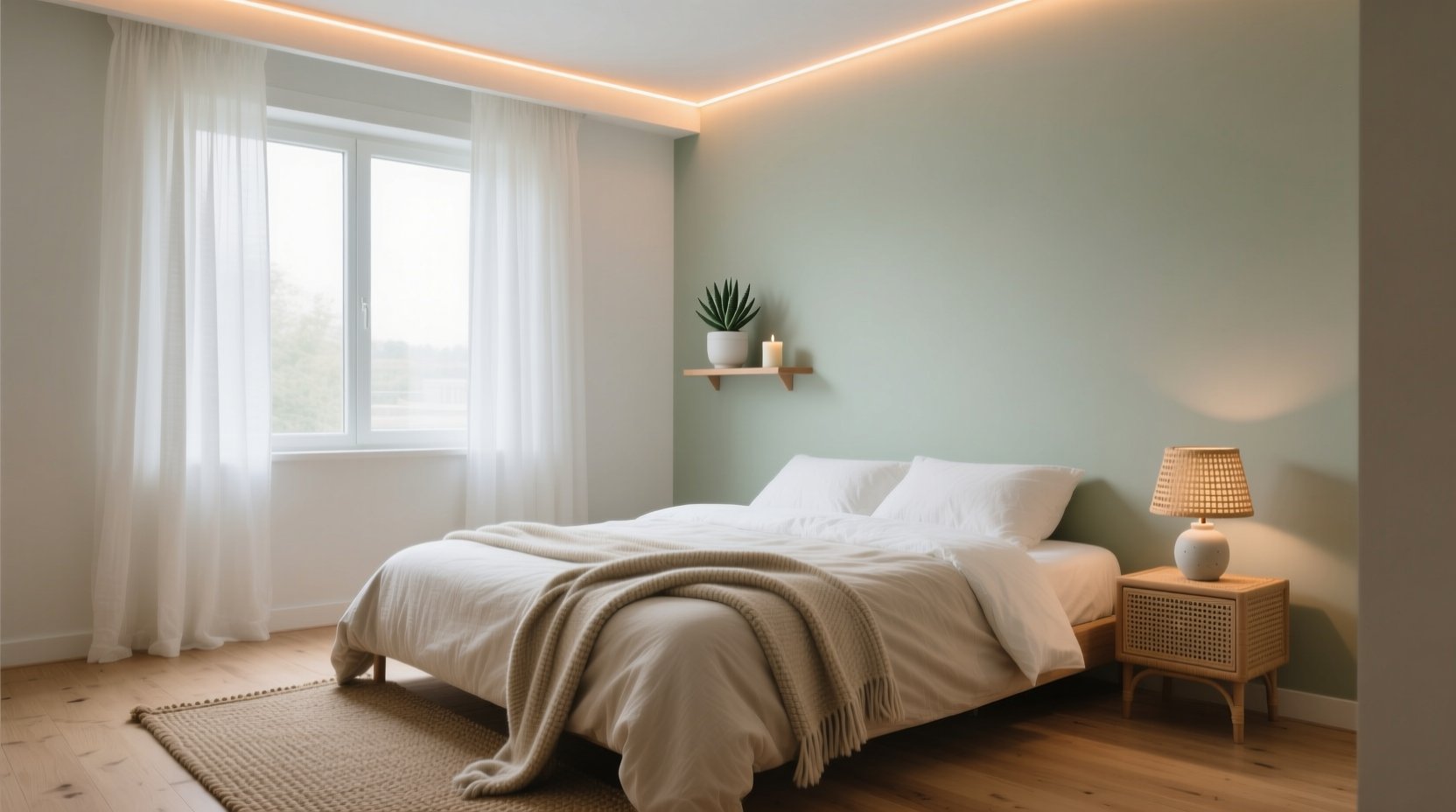
Clutter isn’t just physical—it’s mental. Research from Princeton University Neuroscience Institute shows that visual disarray competes for your attention, increasing cognitive load and stress hormones like cortisol. A cluttered bedroom can subconsciously signal unfinished tasks, making it harder to unwind at night.
The first step toward calm is removing unnecessary items. Begin by sorting through clothing, books, electronics, and personal belongings. Use the “one-year rule”: if you haven’t used it in the past 12 months, consider donating, recycling, or storing it elsewhere.
Focus on high-visibility zones: nightstands, under the bed, and closet doors. Keep only essentials within arm’s reach of the bed—water, a book, glasses, or a journal. Store seasonal clothes, extra linens, or rarely used electronics in labeled bins tucked away in corners or under the bed.
“Your bedroom should support rest, not remind you of chores. If you see laundry piled up every time you walk in, your nervous system stays alert.” — Dr. Lena Patel, Sleep Psychologist
Optimize Lighting for Circadian Rhythm
Light is one of the most powerful regulators of your internal clock. Exposure to bright, blue-rich light during the day sharpens focus, but the same spectrum at night suppresses melatonin—the hormone responsible for sleep onset.
Replace cool-white LED bulbs (above 4000K) with warm-white alternatives (2700K–3000K). These emit a soft, amber glow that mimics candlelight or sunset, signaling to your brain that it’s time to wind down.
Layer your lighting for flexibility. Use a combination of overhead lights, table lamps, and string lights to create zones of illumination. Avoid placing bright lamps directly across from the bed—opt instead for wall sconces or directional bedside lights that cast a gentle pool of light downward.
Evening Lighting Routine
- Dim overhead lights two hours before bedtime.
- Switch to low-wattage lamps with fabric shades.
- Use smart bulbs (if available) to gradually shift from white to warm tones.
- Turn off all screens one hour before sleep—or use blue-light filters if necessary.
Choose Soothing Colors and Textures
Color psychology plays a quiet but powerful role in mood regulation. While personal preference matters, studies suggest that cooler, muted tones promote lower heart rate and reduced anxiety. Blues, soft greens, warm grays, and earthy neutrals are consistently linked to relaxation.
You don’t need to repaint to embrace these hues. Introduce them through bedding, curtains, rugs, and decorative pillows. Swap out bold or pattern-heavy duvets for solid-colored, textured linens in linen, cotton, or bamboo blends. These materials not only feel softer but also regulate temperature better—critical for uninterrupted sleep.
| Color | Psychological Effect | Best Used In |
|---|---|---|
| Soft Blue | Reduces blood pressure, calms mind | Walls, bedding, curtains |
| Warm Gray | Neutral, grounding, modern | Rugs, throw blankets, furniture |
| Sage Green | Evokes nature, reduces stress | Pillows, artwork, plants |
| Cream/Beige | Creates warmth without stimulation | Lamps, headboards, storage boxes |
Texture enhances the sensory experience. Layer a chunky knit throw over the foot of the bed, add a plush rug beside it, and include a velvet cushion or two for tactile comfort. Avoid shiny, synthetic fabrics—they reflect light and feel less natural to the touch.
Incorporate Natural Elements
Biophilic design—the practice of connecting indoor spaces with nature—has been shown to reduce stress, enhance cognitive function, and improve mood. Even small touches can make a meaningful difference.
Introduce live plants known for air-purifying qualities and low maintenance: snake plant, ZZ plant, peace lily, or pothos. These thrive in low-light conditions and require watering only once every 1–2 weeks. Place one on a nightstand or shelf where it’s visible from the bed.
If you’re not ready for live plants, opt for framed botanical prints, driftwood sculptures, or stone-based decor like geodes or ceramic vases. Natural wood furniture—even secondhand nightstands or picture frames—adds warmth and authenticity.
Case Study: Maria’s Minimalist Makeover
Maria, a graphic designer from Portland, struggled with insomnia and nighttime anxiety. Her bedroom was functional but chaotic: a mix of black metal furniture, neon alarm clock, scattered papers, and mismatched bedding. After reading about biophilic design, she made subtle changes over three weeks:
- Replaced her harsh overhead light with a woven pendant and added a Himalayan salt lamp.
- Swapped black bedding for soft sage green cotton sheets and a cream-colored quilt.
- Introduced a snake plant and a framed fern print above the bed.
- Removed her work laptop and installed a paper-based nightstand tray with a journal, lavender oil, and matches.
Within ten days, Maria reported falling asleep 20 minutes faster and waking less frequently. “It doesn’t look dramatically different,” she said, “but it feels like a different room. I actually want to spend time here now.”
“Nature doesn’t shout. It whispers. And our brains are wired to respond to that whisper with relaxation.” — Dr. Arjun Mehta, Environmental Psychologist
Control Sound and Scent for Sensory Harmony
Your bedroom should engage the senses in a way that promotes stillness, not stimulation. This means managing both unwanted noise and intentional sensory input.
If outside noise is an issue—traffic, neighbors, or household activity—use a white noise machine, fan, or smartphone app that plays nature sounds like rain, ocean waves, or forest breezes. These mask disruptive frequencies and create a consistent auditory backdrop that supports sleep.
Scent has a direct pathway to the limbic system, which governs emotion and memory. Lavender, chamomile, sandalwood, and bergamot are clinically associated with reduced anxiety. Use an essential oil diffuser with 3–5 drops before bedtime, or lightly spritz a linen spray on your pillowcase.
Avoid aerosol air fresheners or synthetic candles—they often contain volatile organic compounds (VOCs) that can irritate lungs and disrupt sleep quality.
Zero-Renovation Bedroom Transformation Checklist
Follow this step-by-step guide to implement changes efficiently:
- Declutter surfaces: Remove non-essentials from nightstands, floors, and dressers.
- Update lighting: Replace cool bulbs with warm-white options; add dimmable or layered sources.
- Refresh textiles: Choose solid, neutral-colored bedding in natural fabrics.
- Add greenery: Place one low-maintenance plant in a visible spot.
- Introduce calming scents: Use a diffuser or linen spray with lavender or sandalwood.
- Reduce noise pollution: Run a fan or white noise app at night.
- Clear digital distractions: Charge phones outside the bedroom or use a dedicated charging station.
- Create a bedtime ritual zone: Add a journal, book, or meditation app shortcut to encourage wind-down habits.
Frequently Asked Questions
Can I create a calming space in a small bedroom?
Absolutely. In fact, smaller rooms can be easier to control sensorially. Use mirrors to create the illusion of space, choose multi-functional furniture (like beds with under-storage), and keep decor minimal. Focus on one calming element per wall to avoid visual clutter.
What if I share the bedroom with someone who has different tastes?
Start with shared fundamentals: decluttering, lighting, and noise control. Then divide personal zones—customize your side of the bed with your preferred pillow, blanket, or nightstand items. Agree on a neutral color base (like gray or beige) and layer individual accents on top.
How quickly will I notice a difference?
Many people report improved sleep within 3–7 days of implementing even two or three changes—especially reducing screen exposure, adjusting lighting, and decluttering. Full sensory integration may take 2–3 weeks as your body adapts to the new environment.
Final Thoughts: Your Bedroom Is a Practice, Not a Project
A calming bedroom isn’t about perfection. It’s about intention. Every object you keep, every light you turn on, every scent you breathe sends a message to your nervous system: “You are safe. You can rest.” You don’t need permission, a budget, or a contractor to begin. Start tonight. Move one item off your nightstand. Turn off the overhead light. Breathe in slowly. These small acts accumulate into profound change.
The most restorative spaces aren’t defined by luxury or expense, but by consistency, care, and quiet presence. By choosing peace over productivity—even in a single room—you reclaim a fundamental human right: the ability to rest deeply, without apology.




 浙公网安备
33010002000092号
浙公网安备
33010002000092号 浙B2-20120091-4
Comments
No comments yet. Why don't you start the discussion?