
A bedroom should be more than just a place to sleep—it should be a sanctuary. Yet many people live in spaces that feel chaotic, cluttered, or visually overwhelming, making it difficult to relax at the end of the day. The good news? You don’t need to knock down walls or invest in a costly renovation to transform your bedroom into a peaceful retreat. With thoughtful adjustments to lighting, color, layout, and daily habits, you can cultivate deep calm—without lifting a hammer.
The key lies in understanding how sensory inputs affect your nervous system. Light, sound, scent, texture, and even spatial organization play critical roles in signaling safety and relaxation to the brain. By intentionally shaping these elements, you can create an environment that supports rest, emotional balance, and mental clarity—all from the comfort of your existing room.
Choose Soothing Colors and Textures
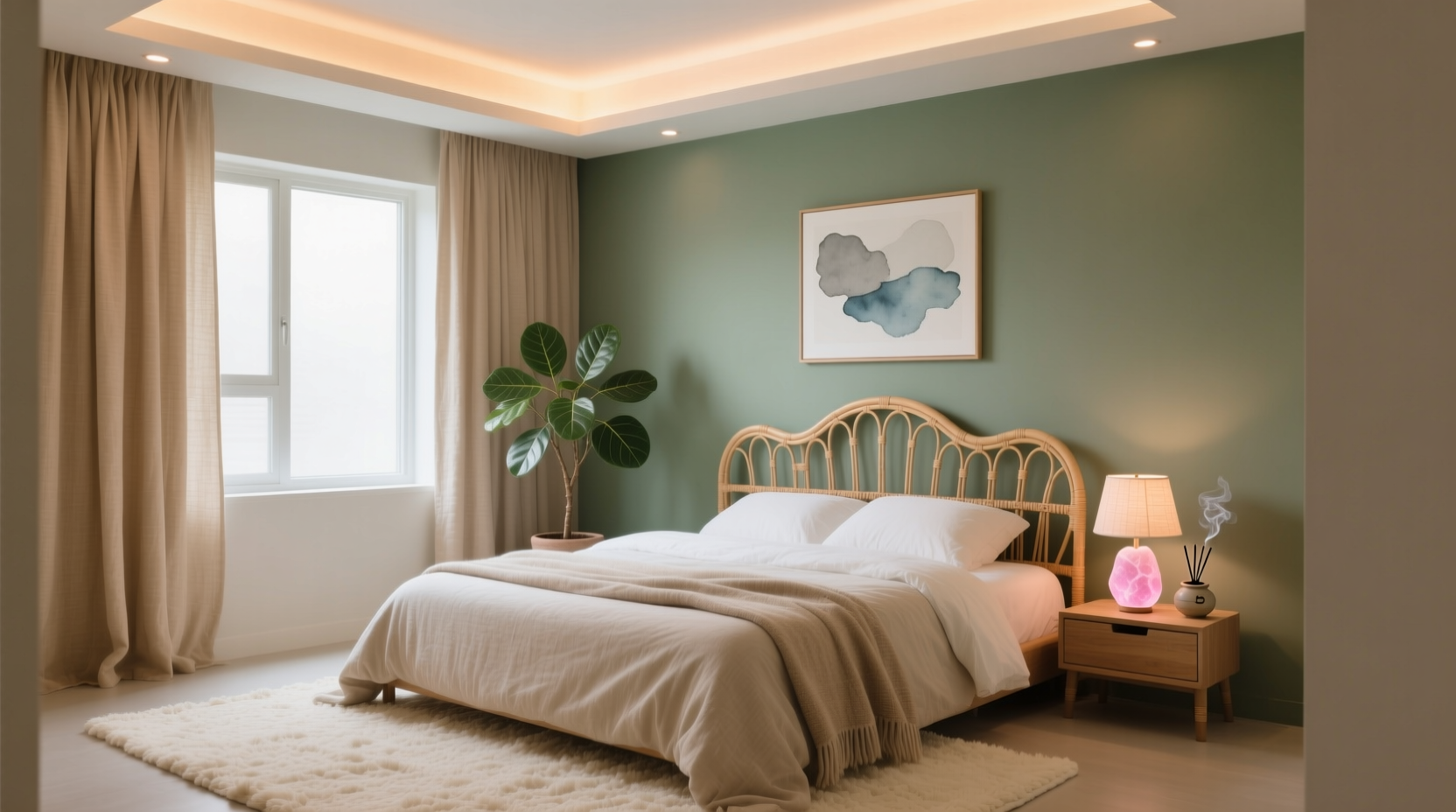
Color psychology is not just a design trend—it’s grounded in neuroscience. Cool tones like soft blues, muted greens, warm grays, and earthy neutrals have been shown to lower heart rate and reduce cortisol levels, the hormone associated with stress. These hues mimic natural environments like forests, oceans, and misty mornings, triggering an innate sense of calm.
Instead of repainting, consider layering in these colors through bedding, throw pillows, curtains, or a textured area rug. A duvet cover in sage green or a set of linen pillowcases in dove gray can instantly shift the mood of the room. Avoid bright reds, oranges, or neon accents, which stimulate alertness and are better suited for living areas.
Texture also plays a powerful role in emotional comfort. Soft, tactile materials like brushed cotton, wool throws, and knitted blankets engage the sense of touch, promoting feelings of warmth and security. Layering textures adds depth without visual clutter—especially when sticking to a cohesive color palette.
Optimize Lighting for Relaxation
Lighting is one of the most underutilized tools in bedroom design. Harsh overhead lights disrupt melatonin production, making it harder to wind down. Instead, aim for layered, dimmable lighting that mimics the natural progression of daylight into dusk.
Start by replacing cool-white bulbs (above 4000K) with warm-white options (2700K–3000K). Use table lamps, floor lamps, or wall sconces instead of ceiling fixtures. Place lights at low levels—near the bed or floor—to create a grounded, cocooning effect. Dimmer switches or smart bulbs allow you to adjust brightness throughout the evening.
For nighttime use, consider adding amber or red-hued nightlights. These wavelengths do not interfere with circadian rhythms and help maintain sleep quality if you need to get up during the night.
“Light is the primary regulator of our internal clock. Evening exposure to soft, warm light helps signal the brain that it’s time to prepare for rest.” — Dr. Lena Torres, Sleep Neurologist, Harvard Medical School
Step-by-Step Guide: Transition Your Bedroom Lighting
- Remove all cool-white or blue-tinted bulbs from the bedroom.
- Replace them with warm-white (2700K) LED bulbs.
- Add two to three low-level light sources (e.g., bedside lamp, floor lamp).
- Install a dimmer switch or use plug-in dimmers for existing lamps.
- Use smart bulbs to program gradual dimming starting one hour before bedtime.
- Introduce a red-toned nightlight near the floor for safe navigation at night.
Declutter and Organize Mindfully
Clutter isn’t just a physical burden—it’s a cognitive one. Studies show that visual disarray increases stress and reduces focus. In the bedroom, where mental quiet is essential, minimizing clutter becomes a form of self-care.
You don’t need to adopt extreme minimalism. Instead, focus on creating clear surfaces and designated homes for everyday items. Begin with the nightstand: keep only essentials like a lamp, book, and water glass. Store electronics, paperwork, and unused items out of sight.
Use baskets, drawer organizers, or fabric bins to contain smaller objects. Label containers if needed, so everything has a predictable place. This reduces decision fatigue and makes tidying effortless.
| Area | Keep Visible | Store Out of Sight |
|---|---|---|
| Nightstand | Lamp, book, glasses, water glass | Charging cables, extra remotes, medication bottles |
| Dresser Top | Candle, framed photo, small plant | Laundry pile, mail, shoes |
| Floor | Rug, slippers | Clothes, bags, boxes |
Introduce Calming Scents and Sounds
Your sense of smell is directly linked to the limbic system, the part of the brain that governs emotion and memory. Certain scents can trigger immediate relaxation responses. Lavender, chamomile, sandalwood, and cedarwood are well-documented for their anxiety-reducing properties.
Use an essential oil diffuser with a few drops of lavender or a reed diffuser with a non-toxic blend. Alternatively, lightly spritz a linen spray on your pillow before bed. Avoid synthetic air fresheners, which often contain irritants and phthalates.
Sound also shapes atmosphere. If outside noise is disruptive, try a white noise machine, fan, or a sleep app that plays gentle rain, ocean waves, or forest sounds. Even silence can be enhanced—placing a soft rug on a hardwood floor reduces echo and creates acoustic softness.
For those sensitive to sound, consider wearing comfortable earplugs designed for sleep. They’re discreet and highly effective in noisy environments.
Mini Case Study: Transforming a Shared Urban Bedroom
Sophia, a graphic designer living in a Brooklyn apartment, struggled with insomnia due to street noise and a cramped bedroom filled with work materials. She didn’t have the budget to move or renovate. Instead, she implemented low-cost changes: she cleared her desk and relocated her laptop to the living room, added blackout curtains, placed a small diffuser with bergamot and vetiver on her nightstand, and introduced a tabletop fountain that played soft流水 sounds.
Within two weeks, she reported falling asleep 30 minutes faster and waking less frequently. “It feels like I’ve created a bubble,” she said. “I don’t need more space—just better energy in the space I have.”
Arrange Furniture for Flow and Function
Feng shui principles aren’t mystical—they’re rooted in spatial psychology. How furniture is arranged affects how safe and relaxed you feel. The bed, as the focal point, should be positioned so you can see the door without being directly in line with it. This creates a sense of control and visibility, reducing subconscious anxiety.
Allow at least 18–24 inches of clearance around the bed for easy movement. If space is tight, consider removing unnecessary furniture like dressers or chairs that block pathways. A clear path from the door to the bed signals ease and accessibility to the mind.
Centering the bed against a solid wall (not a shared bathroom wall with plumbing noise) enhances grounding. Avoid placing mirrors directly across from the bed, as they can create visual stimulation and disrupt stillness at night.
Create a Bedtime Ritual Zone
Designating a small area for pre-sleep rituals reinforces the psychological boundary between activity and rest. This doesn’t require extra square footage—just intentionality.
Transform one corner or side of the bedroom into a winding-down zone. Include a comfortable chair or floor cushion, a small tray with herbal tea, a journal, and a reading lamp. Keep digital devices out of this space. The goal is to condition your brain: when you enter this area, it means relaxation is beginning.
This ritual space strengthens circadian cues. Over time, simply sitting there with a book or tea signals the body to release melatonin and slow down.
Checklist: Build Your Calming Bedroom Toolkit
- Replace harsh bulbs with warm-white, dimmable lighting
- Introduce soft textiles: linen sheets, wool throw, cotton curtains
- Adopt a neutral or nature-inspired color palette
- Clear nightstands and floors of unnecessary items
- Add a scent element: diffuser, candle, or linen spray
- Incorporate soothing background sound or white noise
- Reposition bed for optimal visibility and flow
- Create a dedicated pre-sleep ritual area
- Wash bedding weekly in fragrance-free detergent
- Open windows briefly each morning for fresh air circulation
Frequently Asked Questions
Can I make my bedroom calming on a tight budget?
Absolutely. Most calming upgrades cost little or nothing. Rearranging furniture, decluttering, using existing textiles, and adjusting lighting are free or low-cost. Thrift stores often carry affordable linen bedding and soft lamps. Focus on consistency over spending.
What if I share the bedroom with a partner who has different tastes?
Begin with shared priorities: both likely want better sleep and less stress. Agree on neutral elements like lighting temperature, noise reduction, and clutter control. Allow personal expression in small ways—different pillow covers or reading lights—but align on core calming principles. Compromise doesn’t mean sacrificing serenity.
How long does it take to notice a difference?
Many people report improved sleep quality within 3–7 days of implementing even two or three changes, especially in lighting and clutter reduction. Full environmental integration takes about two weeks, as your brain adapts to new sensory cues. Patience and consistency yield lasting results.
Final Thoughts: Small Changes, Deep Impact
Creating a calming bedroom isn’t about perfection—it’s about presence. It’s about designing a space that honors your need for rest, safety, and emotional renewal. The most effective transformations are often the quietest: a folded blanket at the foot of the bed, the glow of a warm lamp, the scent of lavender on your pillow.
You don’t need permission to prioritize peace. Start tonight. Move one item off your nightstand. Swap a bulb. Breathe deeply in the newly softened light. These acts are not trivial—they are foundational to well-being. Over time, your bedroom will become less of a room and more of a refuge.




 浙公网安备
33010002000092号
浙公网安备
33010002000092号 浙B2-20120091-4
Comments
No comments yet. Why don't you start the discussion?