
A bedroom should be more than just a place to sleep—it should be a sanctuary. Yet many people overlook the most subtle but powerful tools for shaping mood: lighting and texture. Unlike major renovations or costly decor upgrades, adjusting these two elements requires minimal investment but delivers maximum impact. By thoughtfully curating how light moves through your space and how surfaces feel under touch, you can transform even the most utilitarian bedroom into a deeply restful environment. This guide explores how to harness both lighting and texture to cultivate calm, improve sleep quality, and support emotional well-being—all without changing a single wall color or piece of furniture.
The Science of Calm: Why Lighting and Texture Matter
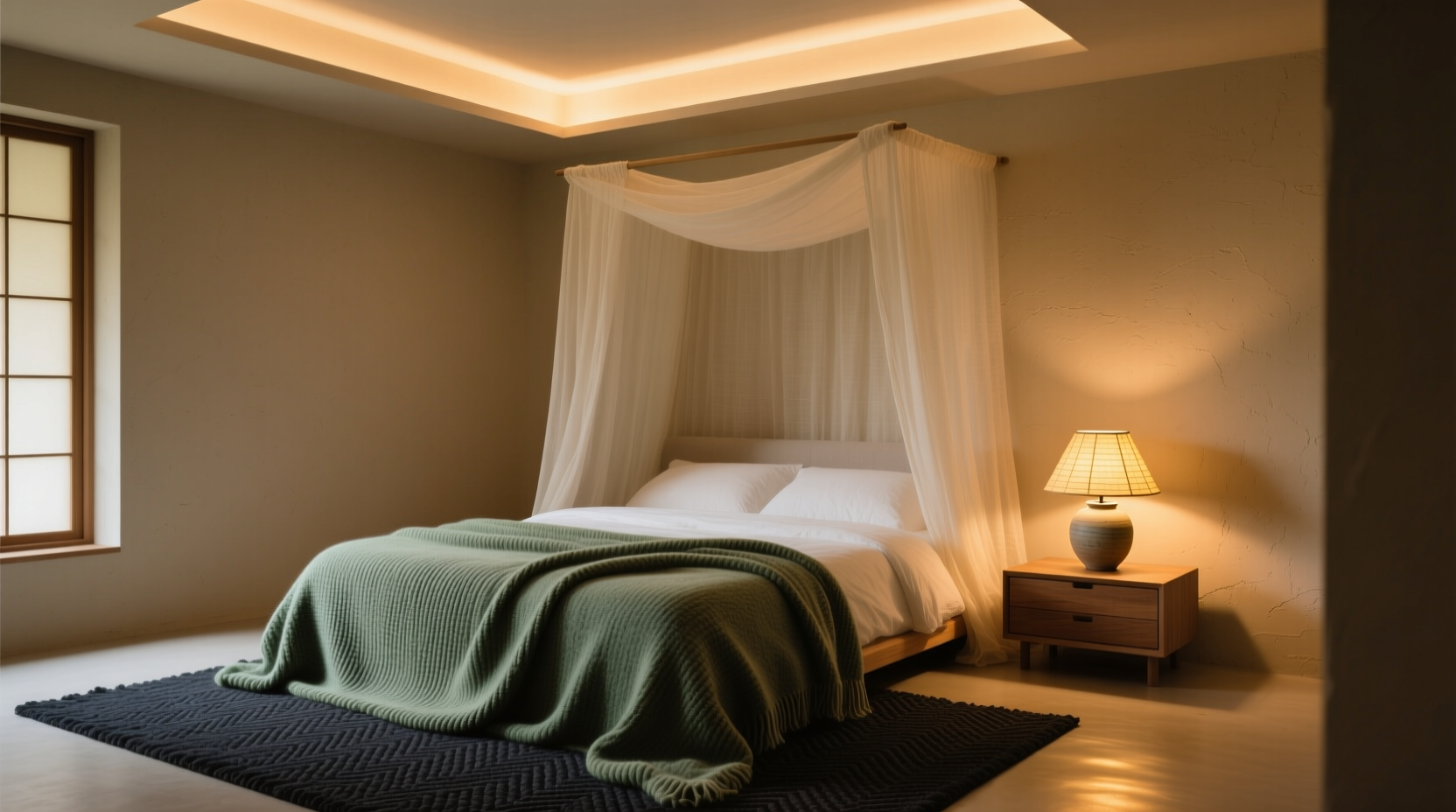
Human perception is highly sensitive to environmental cues. Research in environmental psychology shows that soft lighting and tactile comfort activate the parasympathetic nervous system—the body’s “rest and digest” mode. Harsh overhead lights and stiff, synthetic materials, on the other hand, can trigger low-level stress responses, increasing cortisol and disrupting melatonin production.
Lighting influences circadian rhythms. Cool, blue-toned light suppresses melatonin and signals alertness, while warm, dim light encourages relaxation. Similarly, texture affects our somatosensory system. Touching soft, organic materials like wool, cotton, or linen can lower heart rate and reduce anxiety. The combination of gentle illumination and inviting surfaces creates a multisensory experience that tells the brain it’s safe to unwind.
“The bedroom is one of the few spaces where sensory design directly impacts health. Light temperature and fabric texture are not aesthetic choices—they’re physiological inputs.” — Dr. Lena Torres, Environmental Psychologist
Designing with Light: A Layered Approach
Effective bedroom lighting isn’t about brightness—it’s about layering. Relying solely on a ceiling fixture creates a flat, institutional feel. Instead, use multiple sources at varying heights and intensities to build depth and warmth.
1. Ambient Lighting (Base Layer)
This is the general illumination that fills the room. Avoid bright downlights or cool-white LEDs. Instead, opt for:
- Dimmable ceiling fixtures with warm-white bulbs (2700K–3000K)
- Indirect cove lighting along baseboards or crown molding
- Soft-glow floor lamps placed in corners
2. Task Lighting (Functional Layer)
Necessary for reading or preparing for bed, but must be carefully positioned. Use:
- Adjustable wall sconces beside the bed (angled downward to avoid glare)
- Swivel-arm table lamps with fabric shades
- Bulbs no brighter than 40–60 watts equivalent (LED)
3. Accent Lighting (Mood Layer)
This layer adds emotional depth. Think of it as the “glow” that makes a room feel intimate.
- String lights draped along headboards or windows
- LED strip lights under the bed frame or behind floating nightstands
- Small salt lamps or lanterns for natural, diffused warmth
Choosing Textures That Invite Relaxation
Texture operates on both visual and tactile levels. Even if you’re not touching every surface, your eyes perceive texture—and your brain responds accordingly. Smooth, flowing lines and soft weaves signal safety and comfort.
Focus on textiles first: bedding, rugs, curtains, and throw pillows. Prioritize natural fibers such as:
- Cotton – breathable and neutral; ideal for sheets
- Linen – slightly coarse but improves with washing; offers a lived-in, relaxed look
- Wool – excellent temperature regulation; perfect for winter throws
- Bamboo – silky, hypoallergenic, and sustainable
Layer textures intentionally. A crisp cotton duvet cover paired with a chunky knit throw and a sheepskin rug creates contrast without chaos. The key is variety within harmony—mixing weights and weaves while staying within a cohesive color palette (neutrals, earth tones, or muted pastels).
Furniture and Surfaces
Even non-fabric surfaces contribute to texture. Replace glossy finishes with matte or lightly textured ones:
- Wood with visible grain instead of laminated MDF
- Woven rattan nightstands
- Concrete or ceramic lamps with hand-thrown imperfections
“Texture is the quiet language of comfort. A room filled with soft layers doesn’t need to say ‘relax’—it already feels like it.” — Naomi Reed, Interior Designer & Sensory Space Consultant
Step-by-Step Guide: Transform Your Bedroom in One Evening
You don’t need days or a big budget. Follow this timeline to create a calming bedroom atmosphere using only lighting and texture adjustments:
- 6:00 PM – Remove harsh light sources
Take out any cool-white or bright bulbs. Cover overly bright fixtures with fabric lampshades or temporarily turn them off. - 6:15 PM – Set up layered lighting
Place a floor lamp in a corner, install string lights above the bed, and set a small salt lamp on your nightstand. Use dimmers or smart bulbs to keep light levels below 30% brightness. - 6:30 PM – Audit existing textiles
Strip the bed and assess your current linens. Replace synthetic blends with natural fiber sheets. Add a textured blanket at the foot of the bed. - 6:45 PM – Introduce grounding textures
Lay a plush rug beside the bed (wool or high-pile cotton). Drape a knitted throw over a chair. Hang linen curtains if possible, or add a sheer layer over existing blinds. - 7:00 PM – Final sensory check
Sit on the edge of the bed. Turn off all lights except your new layered setup. Notice how the space feels. Is the light warm? Can you see soft shadows? Run your hand over the fabrics. Do they feel comforting? Adjust until the room feels like a retreat.
Do’s and Don’ts: Lighting & Texture Quick Reference
| Category | Do | Don’t |
|---|---|---|
| Light Temperature | Use 2700K–3000K warm white or amber tones | Use cool white (4000K+) or blue-rich LEDs |
| Light Placement | Use floor, table, and wall lights at varied heights | Rely only on ceiling fixtures |
| Bedding | Choose natural fibers like cotton, linen, or bamboo | Use polyester or microfiber unless blended with natural materials |
| Rugs | Add a thick, textured rug near the bed | Leave bare floors or use thin, shiny mats |
| Layering | Mix soft knits, smooth linens, and nubby wools | Repeat the same texture everywhere (e.g., all satin) |
Real-Life Example: From Stark to Soothing
Sophie, a graphic designer in Portland, struggled with insomnia despite following standard sleep hygiene practices. Her bedroom had white walls, a metal bed frame, and a single bright ceiling light. She avoided buying new furniture due to budget constraints but wanted change.
Over one weekend, she implemented lighting and texture adjustments:
- Replaced her overhead bulb with a dimmable warm LED
- Added two fabric-shade table lamps on either side of the bed
- Bought secondhand linen sheets and a chunky wool throw
- Laid a vintage Turkish rug beside the bed
- Installed fairy lights behind her headboard
Within three nights, Sophie reported falling asleep 20 minutes faster and waking less frequently. “It didn’t feel like a different room,” she said. “But it felt like a different feeling. The light wraps around you now, and the blankets have weight. It’s like the room finally breathes with me.”
Checklist: Calming Bedroom Essentials
Use this checklist to ensure your bedroom supports relaxation through lighting and texture:
- ✅ Ceiling light is dimmable or replaced with warm-toned bulb
- ✅ At least two additional light sources (lamp, sconce, string lights)
- ✅ All bulbs emit 2700K–3000K light (warm white to amber)
- ✅ Bedding made of natural fibers (cotton, linen, bamboo)
- ✅ Throw blanket with varied texture (knit, cable, fleece)
- ✅ Rug with soft pile or natural weave near the bed
- ✅ Curtains are heavy or layered (sheer + opaque) to diffuse light
- ✅ No exposed plastic, vinyl, or high-gloss finishes in main sightlines
- ✅ Lighting can be adjusted without standing up (dimmers, remotes, apps)
- ✅ Room feels cozy even when lights are low
Frequently Asked Questions
Can I achieve this on a tight budget?
Absolutely. Start with the most impactful changes: swap one bulb for a warm dimmable LED ($10), add a thrifted knit throw ($8), and lay a secondhand rug. Lighting adjustments cost less than $20 total and yield immediate results. Build textures gradually by prioritizing bedding—natural fiber sheets often go on sale seasonally.
What if I rent and can’t install permanent lights?
Opt for plug-in solutions: floor lamps, corded string lights, and adhesive LED strips (removable with no residue). Use battery-powered puck lights inside shelves or behind headboards. Many renters successfully create layered lighting without drilling or wiring.
How do I maintain textured fabrics without constant washing?
Rotate throws and cushions weekly to prevent deep-set odors. Use fabric sprays with essential oils (lavender, chamomile) between washes. Air out bedding each morning by pulling back covers. Most natural fibers resist odor better than synthetics—linen and wool are naturally antimicrobial.
Final Thoughts: Design for the Nervous System
A calming bedroom isn’t about aesthetics alone—it’s about designing for physiological comfort. Lighting and texture are silent regulators of mood and rest. When chosen with intention, they work together to slow the mind, soften the breath, and prepare the body for deep restoration.
You don’t need a renovation, a new mattress, or expensive decor. Begin tonight: dim the lights, drape a soft blanket over the bed, and notice how the room begins to hold you differently. Small sensory shifts accumulate into lasting change. Create a space that doesn’t just look peaceful—but feels like peace.




 浙公网安备
33010002000092号
浙公网安备
33010002000092号 浙B2-20120091-4
Comments
No comments yet. Why don't you start the discussion?