
A bedroom should be more than just a place to sleep—it should serve as a sanctuary for rest, reflection, and rejuvenation. In today’s fast-paced world, where stress and digital distractions follow us into every corner of life, designing a space that actively supports relaxation is essential. Two of the most powerful yet underutilized tools in crafting such an environment are scent and light. When used intentionally, aroma diffusers and strategic lighting can transform your bedroom into a haven of calm. This guide explores practical, science-backed methods to harmonize these elements for maximum tranquility.
The Science Behind Scent and Light in Relaxation
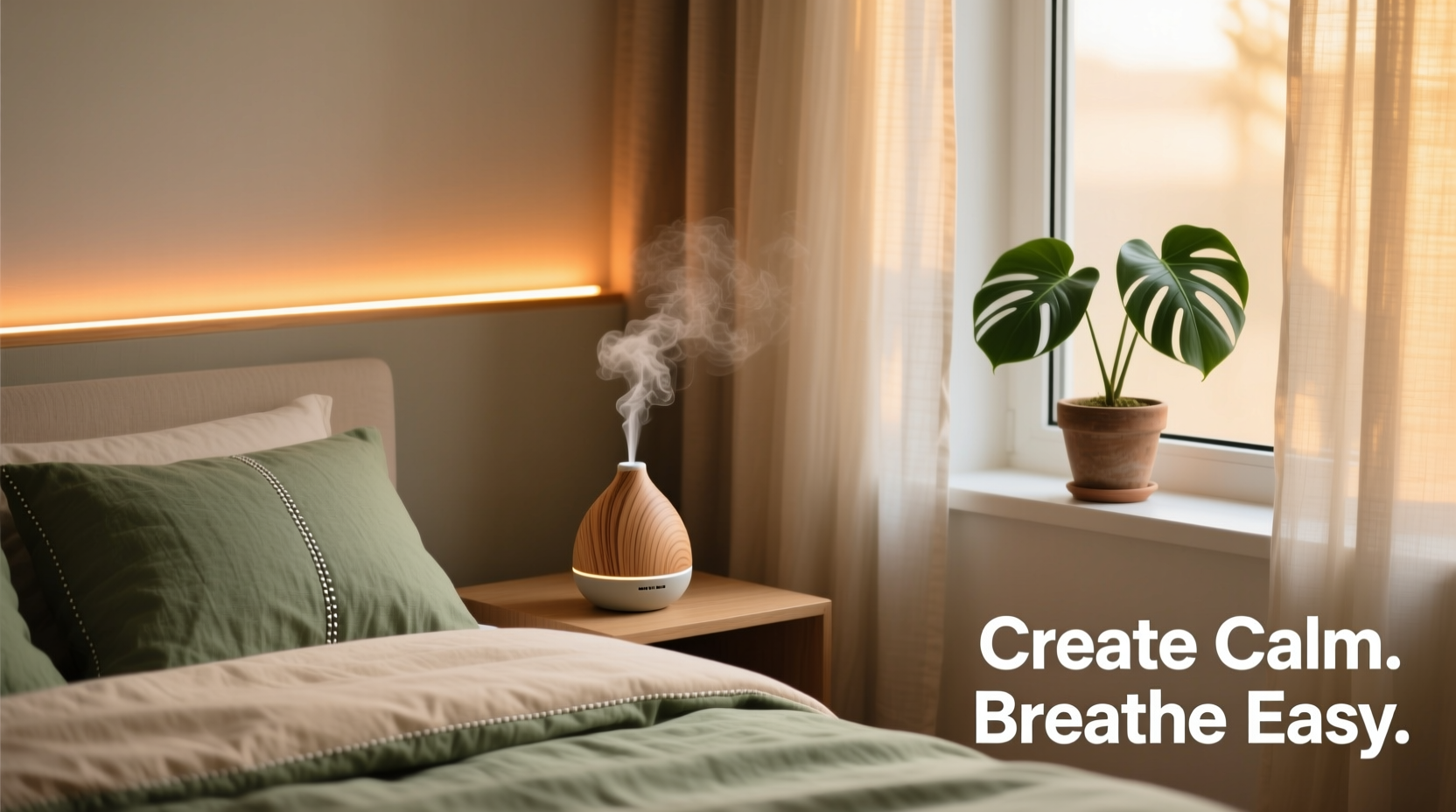
Scent and light are not merely decorative choices—they directly influence brain chemistry and circadian rhythms. The olfactory system, which processes smell, has a direct neural pathway to the limbic system, the part of the brain responsible for emotion and memory. This means certain scents can trigger feelings of safety, nostalgia, or peace almost instantly. Lavender, for example, has been shown in clinical studies to reduce cortisol levels, the hormone associated with stress.
Similarly, lighting plays a critical role in regulating melatonin production, the hormone that signals sleep. Exposure to bright, blue-rich light during the day helps maintain alertness, but in the evening, cooler tones disrupt natural sleep cycles. Warmer, dimmer lights mimic sunset conditions, gently preparing the body for rest.
“Environmental cues like scent and light are among the most effective non-pharmacological tools we have for improving sleep quality.” — Dr. Lena Patel, Sleep Specialist and Neuroscientist
By aligning your bedroom’s sensory inputs with your body’s natural rhythms, you create an environment that doesn’t just look peaceful—but feels it.
Choosing the Right Scent Diffuser and Aromas
Not all diffusers are created equal. The type you choose affects both scent distribution and air quality. Here’s a breakdown of common diffuser types:
| Type | How It Works | Best For | Considerations |
|---|---|---|---|
| Ultrasonic | Uses water and vibrations to disperse fine mist with essential oils | Humidifying dry rooms; gentle aroma release | Requires regular cleaning; uses water |
| Nebulizing | Powers oil through a glass atomizer without water or heat | Stronger, purer scent; therapeutic use | More expensive; louder operation |
| Heat Diffusers | Warms oil to release fragrance | Small spaces; budget-friendly | Can degrade delicate compounds in oils |
| Reed Diffusers | Passive diffusion via reeds absorbing and evaporating oil | Low maintenance; continuous background scent | Less control over intensity; slower response |
For a calming bedroom, ultrasonic or nebulizing diffusers are ideal due to their quiet operation and consistent output. Place the diffuser on a nightstand or dresser away from direct airflow to ensure even dispersion without overwhelming the space.
When selecting essential oils, prioritize those with proven calming properties:
- Lavender – Reduces anxiety and improves sleep onset.
- Chamomile – Known for its gentle sedative effect.
- Bergamot – Uplifting yet relaxing; balances mood.
- Cedarwood – Earthy and grounding, promotes deeper breathing.
- Frankincense – Encourages slow, mindful respiration and mental clarity.
Avoid overly citrusy or spicy blends at night, as they can be stimulating. Instead, opt for blends labeled “sleep,” “relax,” or “evening calm.” Always use high-quality, pure essential oils—synthetic fragrances may cause headaches or irritation.
Designing a Soothing Lighting Scheme
Lighting is often treated as an afterthought, but it profoundly shapes the emotional tone of a room. A calming bedroom relies on layered lighting: a combination of ambient, task, and accent sources that offer flexibility across different times of day.
Ambient lighting sets the overall mood. Avoid overhead ceiling lights with harsh white bulbs. Instead, install dimmable warm-white LEDs (2700K–3000K color temperature) controlled by a wall switch or smart hub. These mimic candlelight and signal the brain that it’s time to wind down.
Task lighting supports specific activities like reading. Use adjustable bedside lamps with warm-toned bulbs and shades that diffuse light downward. Position them so glare doesn’t hit your eyes when lying down.
Accent lighting adds depth and softness. Consider LED strip lights behind the headboard, under the bed frame, or along baseboards. Choose models with remote or app control to adjust brightness and color temperature gradually throughout the evening.
“Dim, warm lighting one hour before bed can improve sleep quality by up to 30%.” — National Sleep Foundation Report, 2022
Step-by-Step Guide: Building Your Evening Lighting Routine
- 6:00 PM – Begin transitioning from daylight. Turn off overhead lights and switch to floor or table lamps.
- 7:30 PM – Dim lights to 50%. Activate accent lighting (e.g., under-bed glow) for subtle warmth.
- 8:30 PM – Reduce brightness further. Use only one lamp per side of the bed if sharing.
- 9:30 PM – Shift all lights to warmer tones (below 2700K). Avoid screens or switch to night mode.
- 10:00 PM – Lower lights to 20–30% or turn off all except a small nightlight if needed.
- Bedtime – Extinguish all artificial light. Use blackout curtains to block external sources.
This gradual transition mirrors natural dusk, helping your body ease into restfulness.
Combining Scent and Light for Maximum Effect
The synergy between scent and light amplifies their individual benefits. Think of them as complementary sensory cues that work together to reinforce a message to your nervous system: “It’s time to relax.”
For instance, pairing the soft amber glow of a salt lamp with the earthy aroma of cedarwood creates a cave-like sense of shelter. Similarly, the delicate floral notes of lavender under the flicker of a flameless candle evoke spa-like serenity.
Here’s a real-world example:
Mini Case Study: Transforming a High-Stress Bedroom
Sarah, a 34-year-old project manager in Chicago, struggled with insomnia due to work-related anxiety. Her bedroom had bright overhead lighting, no window coverings, and no scent elements. After consulting a wellness coach, she implemented the following changes:
- Installed dimmable warm LED bulbs and added blackout curtains.
- Placed an ultrasonic diffuser on her nightstand with a nightly blend of lavender and chamomile.
- Added a soft-glow LED strip behind her headboard.
- Set a routine: lights dimmed at 8 PM, diffuser activated at 8:30 PM.
Within two weeks, Sarah reported falling asleep 40% faster and waking less frequently. She noted that the scent-light combination created a “ritual cue” her mind began to associate with safety and release.
Common Mistakes to Avoid
Even well-intentioned efforts can backfire if not executed carefully. Be mindful of these pitfalls:
- Overpowering scents – Too much essential oil can cause headaches or respiratory irritation. Stick to 3–5 drops in a full water tank.
- Inconsistent timing – Random use of diffusers or erratic lighting patterns weaken their psychological impact.
- Poor placement – Placing a diffuser too close to the bed may cause discomfort. Keep it at least 2–3 feet away and elevated.
- Using cool-white lighting at night – Even brief exposure can suppress melatonin. Reserve blue-rich light for morning routines.
- Neglecting maintenance – Dirty diffusers emit uneven scents and can harbor mold. Clean weekly with vinegar and water.
Do’s and Don’ts Summary
| Do | Don't |
|---|---|
| Use warm-toned, dimmable lights in the evening | Install bright overhead lights without controls |
| Choose calming essential oils like lavender or cedarwood | Use synthetic air fresheners or strong citrus blends at night |
| Place diffusers on stable, elevated surfaces away from bedding | Run diffusers all night unattended or near electronics |
| Establish a consistent pre-sleep sensory routine | Change scents or lighting setups daily without testing |
FAQ: Your Questions Answered
Can I leave my diffuser on all night?
It’s generally not recommended. Most experts advise limiting diffusion to 30–60 minutes before bed. Continuous exposure can lead to olfactory fatigue (where you stop noticing the scent) or irritation, especially in small rooms. If you desire overnight scent, consider a reed diffuser, which releases fragrance passively and safely.
Are there lighting alternatives for people who read in bed?
Yes. Opt for a swing-arm wall lamp or clip-on book light with adjustable brightness and warm color settings. Direct the beam precisely onto the page to avoid flooding the room with light. Some models come with built-in timers or auto-dimming features ideal for nighttime reading.
What if I’m sensitive to smells?
Start with lower concentrations—one drop of essential oil diluted in water—and increase slowly. You might also prefer milder scents like Roman chamomile or sandalwood. Alternatively, try linen sprays applied to pillows rather than continuous diffusion.
Your Calm Starts Tonight
Creating a calming bedroom isn’t about perfection—it’s about intention. Small, consistent adjustments to how you use scent and light can yield profound improvements in sleep quality, emotional balance, and daily resilience. You don’t need a full renovation or expensive gadgets. Begin with one change: swap out a harsh bulb, add a few drops of lavender to a diffuser, or set a timer to dim the lights 90 minutes before bed. Build from there.
Remember, your bedroom is more than a room—it’s a retreat. By thoughtfully combining the quiet glow of warm light with the subtle whisper of a calming aroma, you’re not just decorating a space. You’re designing a ritual of peace, one breath at a time.




 浙公网安备
33010002000092号
浙公网安备
33010002000092号 浙B2-20120091-4
Comments
No comments yet. Why don't you start the discussion?