
A bedroom should be more than just a place to sleep—it should be a sanctuary. In today’s fast-paced world, the importance of a restful environment cannot be overstated. One of the most effective ways to transform your bedroom into a peaceful retreat is by thoughtfully combining scent diffusers and soft lighting. These two elements work in harmony to influence mood, reduce stress, and prepare the mind and body for deep, restorative rest. When used intentionally, they can turn an ordinary bedroom into a personal oasis of calm.
The science behind this combination is well-supported. Aromatherapy has been shown to impact the limbic system—the part of the brain that regulates emotions—while dim, warm lighting signals the body to produce melatonin, the hormone responsible for sleep. By aligning these sensory inputs, you create a multisensory experience that promotes relaxation on both psychological and physiological levels.
The Role of Scent in Creating Calm
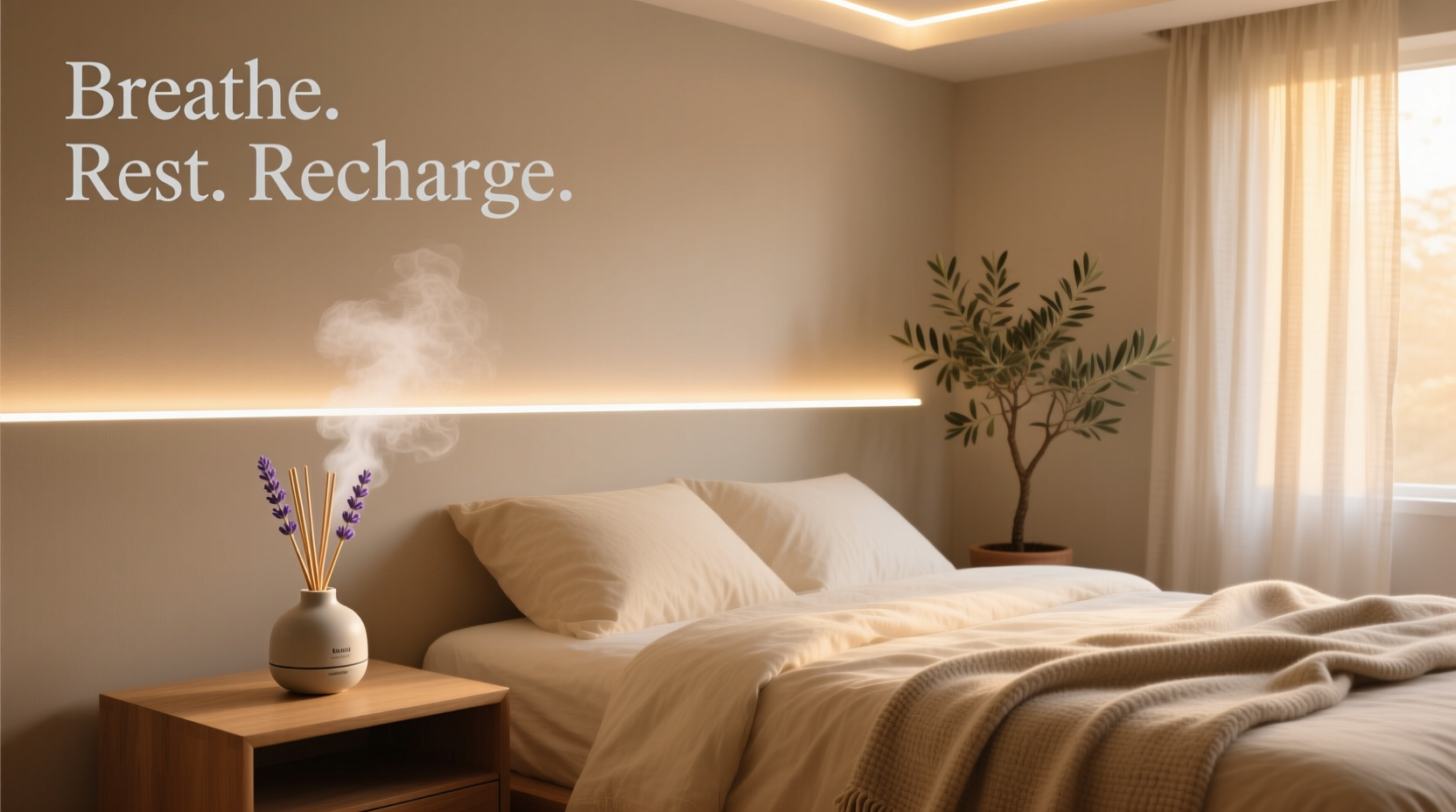
Fragrance plays a subtle yet powerful role in shaping our emotional state. Unlike other senses, smell has a direct pathway to the brain's emotional center, making it uniquely capable of triggering feelings of comfort, safety, and tranquility. This is why certain scents—like lavender, chamomile, or sandalwood—are consistently associated with relaxation and improved sleep quality.
Scent diffusers offer a controlled and consistent way to introduce these beneficial aromas into your bedroom. Unlike candles, which involve open flames and may release soot, modern diffusers use essential oils in water-based systems to disperse fine mists or ultrasonic vibrations. This method ensures even distribution without compromising air quality.
When selecting essential oils for bedtime, consider those with proven calming properties:
- Lavender: Extensively studied for its ability to reduce anxiety and improve sleep efficiency.
- Bergamot: A citrus oil known to lower cortisol levels, though it should be used cautiously as some find it stimulating.
- Clary Sage: Helps regulate mood and reduce tension, particularly effective for those dealing with hormonal fluctuations.
- Sandalwood: Offers a warm, woody base note that grounds the mind and supports meditation.
- Chamomile (Roman or German): Often used in teas for sleep, its essential oil has similar soothing effects when diffused.
For best results, begin diffusing 30 to 60 minutes before bedtime. This allows the scent to permeate the room gradually, creating a seamless transition from day to night.
Designing with Soft Lighting for Relaxation
Lighting dramatically affects circadian rhythms. Harsh overhead lights or blue-rich screens suppress melatonin production, making it harder to wind down. In contrast, soft, warm lighting mimics the glow of sunset, signaling the body that it’s time to relax.
To achieve a calming ambiance, focus on three key aspects: color temperature, brightness, and placement.
Color Temperature: Choose bulbs with a color temperature between 2700K and 3000K. These emit a warm, amber-toned light that feels cozy rather than clinical. Avoid cool white or daylight bulbs (above 4000K) in the bedroom, especially in the evening.
Brightness: Dimmable lights are ideal. They allow you to adjust intensity based on activity—brighter for reading, softer for meditation or sleep preparation. If dimmer switches aren’t feasible, use multiple low-wattage sources instead of one bright fixture.
Placement: Layer your lighting. Overhead lights should be minimal or avoided at night. Instead, rely on floor lamps, table lamps, wall sconces, or LED strip lighting placed behind headboards or under furniture. This creates depth and avoids glare.
“Lighting design is not just about visibility—it’s about emotional resonance. A well-lit bedroom should feel like a hug.” — Naomi Patel, Interior Lighting Consultant
Step-by-Step Guide to Building Your Calming Bedroom Environment
Creating a serene bedroom atmosphere doesn’t require expensive renovations. With a few intentional choices, you can significantly enhance the space’s tranquility. Follow this step-by-step process:
- Assess your current lighting setup. Turn off all lights and observe where shadows fall and where glare occurs. Identify areas that need softer illumination.
- Replace harsh bulbs. Swap out any cool-white bulbs with warm-white LEDs (2700K–3000K). Consider smart bulbs that let you adjust color and brightness via app or voice command.
- Add layered lighting. Introduce at least two additional light sources beyond the ceiling fixture—such as bedside lamps or plug-in wall lights.
- Select your essential oils. Start with one calming scent like lavender. Test it in your diffuser during the evening to ensure it feels pleasant and non-irritating.
- Position your diffuser strategically. Place it on a nightstand or dresser, away from direct airflow (like vents), so the mist disperses evenly. Keep it at least three feet from your bed to avoid moisture buildup on bedding.
- Create a nightly ritual. Begin diffusing 45 minutes before bed. Pair it with turning down the lights, perhaps using a timer or smart home automation.
- Maintain your devices. Clean your diffuser weekly to prevent oil buildup and bacterial growth. Wipe lighting fixtures regularly to maintain optimal output.
Do’s and Don’ts: Scent & Light Combinations
| Aspect | Do | Don't |
|---|---|---|
| Scent Intensity | Use 3–5 drops of essential oil; opt for intermittent diffusion | Flood the room with strong fragrance; use undiluted oils |
| Light Color | Stick to warm white (2700K–3000K) | Use daylight or cool white bulbs after 6 PM |
| Diffuser Placement | On a stable surface, away from electronics and bedding | Near curtains, books, or delicate fabrics that could absorb oil |
| Lighting Control | Install dimmers or use smart bulbs with scheduling | Rely solely on bright overhead lighting at night |
| Oil Selection | Choose pure, therapeutic-grade essential oils | Use synthetic fragrances or perfume oils not designed for diffusion |
Real-Life Example: Transforming a Stress-Filled Bedroom
Sarah, a 34-year-old project manager in Chicago, struggled with insomnia and nighttime anxiety. Her bedroom had a bright overhead light, a TV mounted on the wall, and no dedicated wind-down routine. She often fell asleep with her phone nearby, exposed to blue light until the last moment.
After consulting a sleep coach, she decided to redesign her space using scent and lighting principles. She replaced her ceiling bulb with a dimmable warm LED, added two small table lamps with fabric shades, and installed a motion-sensing LED strip behind her headboard for nighttime navigation without disruption.
She purchased an ultrasonic diffuser and began using a blend of lavender and cedarwood oil every evening. She set the diffuser to run from 8:30 PM to 9:30 PM and paired it with a digital detox—no screens after 8 PM. Within two weeks, Sarah reported falling asleep 25 minutes faster on average and waking up feeling more refreshed.
“It sounds simple,” she said, “but changing the light and adding that soft scent made my room feel like a retreat instead of just another room I rush through.”
Expert-Recommended Essential Oil Blends for Sleep
While single-note oils are effective, blending can enhance therapeutic benefits. Here are three expert-crafted combinations:
- The Deep Rest Blend: 4 drops lavender, 2 drops vetiver, 1 drop bergamot. Vetiver adds an earthy depth that slows mental chatter.
- The Mind Quiet Mix: 3 drops clary sage, 3 drops roman chamomile, 1 drop frankincense. Ideal for overthinkers and anxious minds.
- The Grounding Trio: 3 drops sandalwood, 2 drops patchouli, 2 drops orange (sweet). Balances emotional energy and promotes inner peace.
Always dilute essential oils according to manufacturer instructions. Never apply undiluted oils directly to skin without proper carrier oil, and consult a healthcare provider if pregnant or managing a medical condition.
Checklist: Your Calming Bedroom Setup in 10 Steps
Use this checklist to ensure you’ve optimized your bedroom for relaxation:
- ☐ Replace all cool-white bulbs with warm-white (2700K–3000K)
- ☐ Install dimmable switches or smart lighting
- ☐ Add at least two soft ambient light sources (lamps, strips, sconces)
- ☐ Choose an ultrasonic or nebulizing diffuser (avoid heat-based models)
- ☐ Purchase therapeutic-grade essential oils for calming effects
- ☐ Position diffuser on a stable, elevated surface away from bedding
- ☐ Set a 30–60 minute evening diffusion schedule
- ☐ Clean diffuser weekly with vinegar and water
- ☐ Eliminate blue-light sources or use blue-light filters after sunset
- ☐ Establish a pre-sleep ritual that includes scent and dimmed lighting
Frequently Asked Questions
Can I leave my diffuser on all night?
It’s generally not recommended. Continuous diffusion can lead to respiratory irritation, especially in sensitive individuals. Most experts advise limiting diffusion to 30–60 minutes before bed. If you want ongoing scent, use reed diffusers or linen sprays instead.
Are LED lights safe for bedtime use?
Yes, as long as they are warm-toned (below 3000K) and dimmed. Avoid LEDs that emit blue or white light in the evening. Smart LEDs with scheduling features are excellent for automatically shifting to warmer tones at sunset.
What if I’m sensitive to strong smells?
Start with half the recommended number of oil drops. You can also increase ventilation slightly or use shorter diffusion cycles. Alternatively, try placing a cotton ball with 1 drop of oil near your pillow (not touching) to test tolerance.
Conclusion: Make Calm a Daily Practice
Creating a calming bedroom vibe isn’t about perfection—it’s about intention. By integrating scent diffusers and soft lighting into your space, you’re not just decorating; you’re designing a daily ritual of restoration. The quiet hum of a diffuser, the golden glow of a bedside lamp—these small details accumulate into profound shifts in how you rest, recover, and recharge.
Start tonight. Adjust one light. Add a drop of lavender. Notice how your body responds. Over time, these choices build a sanctuary that supports not just better sleep, but deeper well-being. Your bedroom should invite stillness. Let scent and light guide the way.




 浙公网安备
33010002000092号
浙公网安备
33010002000092号 浙B2-20120091-4
Comments
No comments yet. Why don't you start the discussion?