
A bedroom should be more than just a place to sleep—it should be a sanctuary. Yet, many people overlook the subtle but profound influence of lighting and scent on mood, stress levels, and sleep quality. When thoughtfully curated, these two elements can transform even the most ordinary space into a deeply restorative retreat. Unlike furniture or decor, lighting and scent work on a sensory and psychological level, bypassing conscious thought to directly affect your nervous system. This guide explores how to harness both to cultivate a calm, inviting bedroom atmosphere without relying on major renovations or expensive upgrades.
The Science Behind Light and Mood
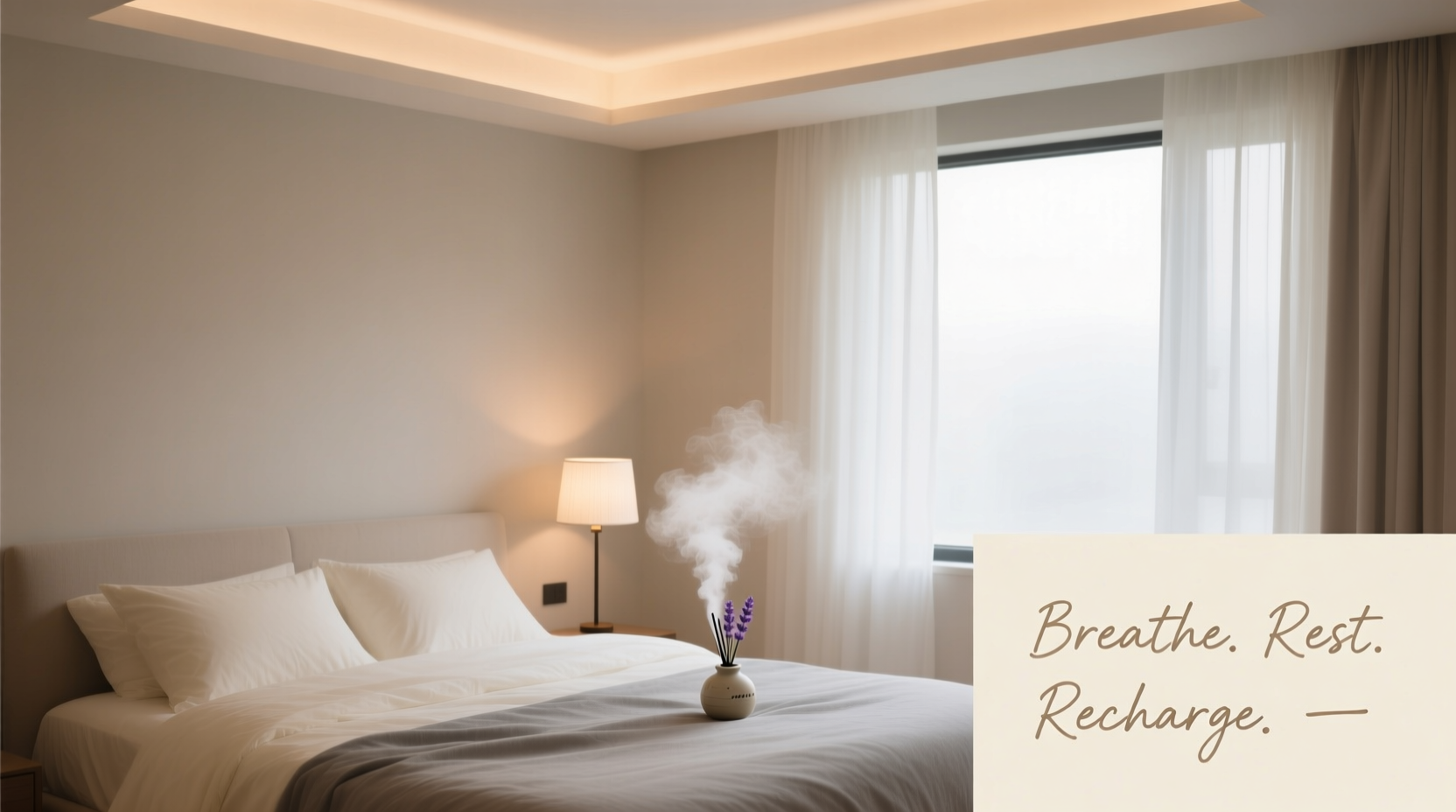
Light is one of the most powerful regulators of circadian rhythm—the internal clock that governs sleep, hormone production, and energy levels. Exposure to bright, blue-rich light during the day keeps you alert and focused, while dim, warm-toned light in the evening signals the brain to prepare for rest. Disrupt this natural cycle with harsh overhead lights or screen glare at night, and you risk insomnia, irritability, and poor recovery.
For a calming bedroom, prioritize warmth and low intensity. Research from the Lighting Research Center at Rensselaer Polytechnic Institute shows that light below 3000K (measured in Kelvin) promotes melatonin release, the hormone responsible for sleep onset. Additionally, minimizing direct exposure to bright light after sunset supports deeper, more restful sleep.
Designing a Layered Lighting Scheme
Effective bedroom lighting isn’t about brightness—it’s about layers. A single ceiling fixture creates an institutional feel, while a combination of ambient, task, and accent lighting builds depth and comfort.
- Ambient lighting: Provides overall illumination. Use dimmable ceiling lights or recessed fixtures set to 10–20% brightness in the evening.
- Task lighting: Supports activities like reading. Bedside lamps with warm bulbs and adjustable arms allow personal control without disturbing a partner.
- Accent lighting: Adds softness and dimension. Consider LED strip lights behind headboards, under shelves, or along baseboards for a gentle glow.
Avoid fluorescent or unshielded bulbs, which cast harsh shadows and strain the eyes. Instead, opt for fixtures with fabric shades or diffusers that scatter light evenly. Smart bulbs offer additional flexibility—schedule them to shift from warm white to amber tones as bedtime approaches.
“Lighting design is not just aesthetic; it’s physiological. The right light at the right time can reduce anxiety and improve sleep efficiency by up to 30%.” — Dr. Lena Patel, Sleep Environment Specialist
The Role of Scent in Emotional Regulation
Scent is the only sense directly linked to the limbic system, the brain’s emotional center. This means aromas can trigger memories, calm the nervous system, or heighten alertness—often before we’re even consciously aware of them. In the context of a bedroom, certain scents can lower heart rate, reduce cortisol (the stress hormone), and ease the transition into sleep.
Lavender is the most studied calming fragrance, with clinical trials showing it improves sleep quality in individuals with mild insomnia. Other effective options include chamomile, sandalwood, and bergamot. These are not merely pleasant smells—they are functional tools for mental well-being.
However, scent sensitivity varies widely. What soothes one person may overwhelm another. Always introduce new fragrances gradually and avoid synthetic air fresheners, which often contain volatile organic compounds (VOCs) that can irritate the respiratory system.
Choosing the Right Diffusion Method
How you disperse scent matters as much as the scent itself. Each method offers different benefits in terms of control, longevity, and safety.
| Method | Best For | Drawbacks |
|---|---|---|
| Ultrasonic diffuser | Even, long-lasting mist with added humidity | Requires regular cleaning; uses water and electricity |
| Natural reed diffuser | Low maintenance, continuous passive release | Less control over intensity; slower scent turnover |
| Candle (soy or beeswax) | Warm ambiance with flickering light synergy | Fire hazard if unattended; soot from paraffin |
| Room spray (essential oil-based) | Quick refresh between uses | Brief effect; potential alcohol irritation |
Creating Synergy: Matching Light and Scent Profiles
The most effective calming environments align lighting and scent to reinforce the same emotional state. Think of them as complementary instruments in a relaxation orchestra. For example:
- Evening wind-down: Warm amber lighting + lavender and cedarwood blend. This combination mimics sunset conditions and activates parasympathetic nervous system response.
- Meditation or journaling: Soft floor lamp glow + frankincense and orange essential oil. Uplifting yet grounding, ideal for reflective practices.
- Deep sleep support: Near-darkness with a single salt rock lamp + chamomile and vetiver. Earthy, heavy-base scents promote stillness and dream continuity.
Aim for consistency in timing and placement. Use a smart plug to turn on your diffuser 30 minutes before bed, synchronized with lights dimming automatically. Over time, this routine conditions your body to recognize the cues and relax more quickly.
Mini Case Study: Transforming a High-Stress Bedroom
Sarah, a 38-year-old project manager in Chicago, struggled with racing thoughts and frequent nighttime awakenings. Her bedroom had bright recessed lighting, a large TV, and no consistent scent. After consulting a sleep coach, she made two key changes:
- Replaced all bulbs with dimmable 2700K LEDs and added a fabric-shaded floor lamp in the corner for reading.
- Introduced a nightly ritual: turning on a lavender-sandalwood diffuser at 9 PM while lowering the lights to 15% brightness.
Within three weeks, Sarah reported falling asleep 25 minutes faster and waking less often. She noted, “It’s not just that I sleep better—I feel like my bedroom finally feels like mine again. It’s peaceful.”
Step-by-Step Guide to Building Your Calming Atmosphere
Follow this sequence over 7 days to gradually condition your space and mind for relaxation:
- Day 1: Audit existing lighting. Remove or cover any blue or bright white sources. Install warm bulbs where needed.
- Day 2: Introduce dimmer switches or smart bulbs for full control.
- Day 3: Choose one calming scent profile (e.g., lavender-vanilla). Test in a small diffuser for sensitivity.
- Day 4: Set up layered lighting—add bedside lamps or LED strips for soft glow.
- Day 5: Establish a lighting schedule: bright in morning (if needed), dim by 8 PM, amber by 9 PM.
- Day 6: Pair scent with lighting change. Activate diffuser when lights dim.
- Day 7: Evaluate. Adjust intensity, timing, or scent based on comfort and sleep quality.
This gradual approach prevents sensory overload and allows your nervous system to adapt naturally.
Common Mistakes to Avoid
Even well-intentioned efforts can backfire if misapplied. Watch out for these pitfalls:
- Overpowering scents: Strong fragrances can cause headaches or nausea, especially in small rooms.
- Inconsistent lighting: Turning bright lights on during nighttime bathroom trips disrupts melatonin production.
- Using scented candles unsafely: Leaving candles burning overnight poses fire risks.
- Ignoring personal preference: Not everyone finds lavender calming. Some respond better to woody or citrus notes.
- Skipping maintenance: Dirty diffusers emit uneven mist and mold; dusty bulbs reduce light quality.
Calming Bedroom Checklist
Use this checklist to ensure your bedroom environment supports tranquility:
- ✅ All bulbs are 2700K–3000K or lower
- ✅ At least two layers of lighting (e.g., ceiling + bedside)
- ✅ Dimmer controls installed or smart bulbs in use
- ✅ No blue or harsh white light after sunset
- ✅ One primary calming scent introduced via safe diffusion method
- ✅ Scent and light routines synchronized (e.g., diffuser on when lights dim)
- ✅ Diffuser cleaned regularly; reeds replaced monthly
- ✅ Candles never left unattended
- ✅ Personal scent preference confirmed (not just trend-driven)
- ✅ Lighting supports pre-sleep rituals (reading, stretching, etc.)
Frequently Asked Questions
Can I use essential oils without a diffuser?
Yes. Place a few drops on a cotton ball or wooden ornament in a discreet corner. You can also add oils to a bowl of water with Epsom salts near a heat source (like a radiator) for gentle evaporation. Avoid applying undiluted oils directly to surfaces that may stain.
Is red light better than amber for sleep?
Red light (below 2000K) has the least impact on melatonin and is ideal for nighttime navigation. However, it can feel unnatural for general ambiance. Amber (around 2200K) strikes a balance between biological effectiveness and visual comfort, making it preferable for most bedrooms.
What if I’m sensitive to smells?
Start with extremely low concentrations—one drop of essential oil in a diffuser filled with water. Opt for lighter, non-floral scents like sandalwood, cedar, or petitgrain. If irritation persists, focus solely on lighting adjustments, which can independently improve relaxation.
Conclusion: A Sanctuary Within Reach
Creating a calming bedroom doesn’t require a redesign or costly investments. By focusing on lighting and scent—two of the most influential yet overlooked elements—you can shape an environment that actively supports rest, recovery, and emotional balance. The power lies in consistency: the repeated pairing of warm, dim light with soothing aromas trains your body to unwind effortlessly. Over time, your bedroom becomes more than a room—it becomes a signal, a cue, a quiet promise of peace.




 浙公网安备
33010002000092号
浙公网安备
33010002000092号 浙B2-20120091-4
Comments
No comments yet. Why don't you start the discussion?