
A bedroom should be more than just a place to sleep—it should be a sanctuary of peace, a retreat from the sensory overload of daily life. The right combination of lighting and textiles can transform even the most ordinary space into a serene haven. Unlike bold living rooms or functional kitchens, bedrooms thrive on subtlety, softness, and sensory harmony. When designed intentionally, lighting and textiles work together to lower stress, support circadian rhythms, and promote deeper rest. This guide walks you through practical, research-backed steps to cultivate a truly calming bedroom atmosphere—no renovation required.
Why Lighting and Textiles Matter for Bedroom Calm
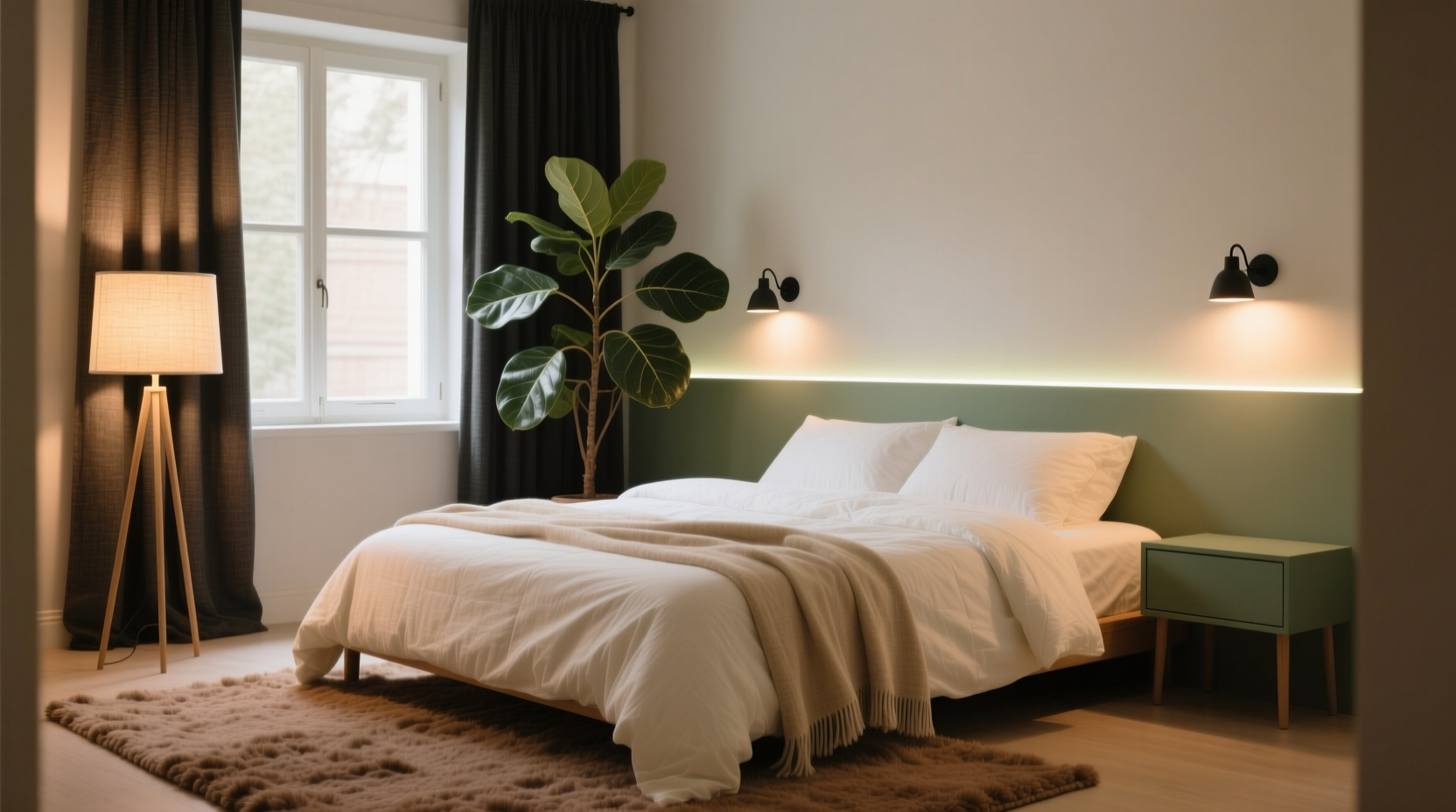
The environment you sleep in directly influences your nervous system. Harsh overhead lights, synthetic fabrics, and cluttered surfaces send subtle signals of alertness to the brain, making it harder to unwind. On the other hand, warm lighting and natural textiles trigger parasympathetic activation—the body’s “rest and digest” state—preparing you for quality sleep.
According to Dr. Rebecca Stone, a sleep environment researcher at the Center for Holistic Sleep Wellness:
“Lighting and tactile comfort are two of the most underutilized tools in sleep hygiene. A room that feels visually soft and physically cozy reduces cortisol levels faster than any supplement.” — Dr. Rebecca Stone, Sleep Environment Specialist
Unlike furniture or paint color, lighting and textiles are adjustable elements. You don’t need to commit to permanent changes. With small, thoughtful upgrades, you can shift the energy of your bedroom from chaotic to calm within a weekend.
Step 1: Layer Your Lighting for Mood Control
One of the biggest mistakes in bedroom design is relying solely on a single ceiling fixture. Bright, direct light may be useful for getting dressed, but it disrupts melatonin production when used before bed. Instead, adopt a layered lighting strategy that allows you to adjust brightness and tone throughout the evening.
Start with three primary layers:
- Ambient Lighting: Provides general illumination. Use dimmable ceiling fixtures or recessed lights set at 2700K (warm white) to avoid clinical brightness.
- Task Lighting: Focused light for reading or journaling. Bedside lamps with adjustable arms or swing heads give control without glare.
- Accent Lighting: Adds depth and warmth. Consider LED strip lights behind headboards, under floating nightstands, or along baseboards.
Smart bulbs like Philips Hue or LIFX allow scheduling so your lights automatically warm and dim as bedtime approaches. Even if you don’t want smart tech, use plug-in timers or manual dimmer switches to simplify the process.
Avoid These Common Lighting Mistakes
| Mistake | Why It’s Disruptive | Better Alternative |
|---|---|---|
| Cool white overhead lights (5000K+) | Mimics daylight, suppresses melatonin | Warm white (2700–3000K), dimmed after sunset |
| Using phone or tablet without screen filters | Blue light delays sleep onset | Enable night mode + pair with warm ambient light |
| Leaving lights fully on during nighttime routines | Overstimulates visual cortex | Use low-level accent or task lighting only |
| Placing bright lamps across from the bed | Creates glare and visual tension | Position lights at eye level when seated or lying down |
Step 2: Choose Textiles That Soothe the Senses
Textiles shape how a bedroom feels—not just physically, but emotionally. The touch of fabric, the drape of curtains, and the weight of a blanket all contribute to the room’s sensory profile. Prioritize materials that feel grounding, breathable, and naturally textured.
Focus on four key textile zones:
- Bedding: Opt for organic cotton, linen, or TENCEL™. These fibers regulate temperature and wick moisture, reducing nighttime discomfort.
- Window Treatments: Layer sheer curtains with blackout drapes. Sheers diffuse natural light during the day; heavy drapes block streetlights and noise at night.
- Rugs: Place a low-pile wool or cotton rug beside the bed. Going barefoot on something soft first thing in the morning sets a gentle tone for the day.
- Throw Pillows & Blankets: Keep one or two textured throws folded at the foot of the bed. Knit, bouclé, or waffle weave fabrics add visual warmth without clutter.
Natural dyes and muted tones—like oat, sage, charcoal, and clay—enhance the calming effect. Avoid high-contrast patterns or glossy synthetic fabrics, which create visual noise. The goal is a cocoon-like feel, not a showroom.
Step 3: Follow a Sensory Evening Routine
Even the best-designed bedroom loses its impact if your habits clash with its intention. Align your routine with your environment to deepen the calming effect.
Begin one hour before bed:
- Dim overhead lights and switch to bedside or floor lamps.
- Close blackout curtains to signal darkness to your brain.
- Change into soft loungewear or pajamas made from natural fibers.
- Spritz a linen mist (lavender, cedar, or sandalwood) on pillows and curtains.
- Sit or lie under a weighted blanket for 10 minutes to stimulate deep pressure touch.
This sequence cues your nervous system that it’s time to wind down. Over time, these actions become conditioned triggers for relaxation—similar to how brushing your teeth signals bedtime.
Mini Case Study: Transforming a Chaotic Bedroom
Sarah, a graphic designer in Portland, struggled with insomnia despite trying supplements and meditation. Her bedroom had white walls, a harsh ceiling light, polyester bedding, and no window coverings. After consulting an interior therapist, she implemented the following changes over two weekends:
- Replaced the ceiling fixture with a dimmable pendant and added LED strips behind her headboard.
- Swapped synthetic sheets for stone-washed linen in a soft gray.
- Installed floor-length blackout curtains lined with thermal backing.
- Laid a jute rug beside the bed and added a chunky knit throw.
- Started using a salt lamp on her dresser for pre-sleep ambiance.
Within three weeks, Sarah reported falling asleep 40% faster and waking less often. “It’s not just prettier,” she said. “It feels like my room finally *holds* me instead of buzzing at me.”
Step 4: Build a Calming Lighting & Textile Checklist
To ensure you’re covering all bases, use this actionable checklist. Complete each item to build a cohesive, tranquil bedroom ecosystem.
✅ Calming Bedroom Checklist
- Replace cool white bulbs with warm white (2700–3000K)
- Install dimmers on all main light sources
- Add at least two low-level lighting options (e.g., lamp + LED strip)
- Use blackout curtains or shades to eliminate external light
- Choose bedding made from natural, breathable fibers (cotton, linen, wool)
- Layer textures: include at least three different fabric types (e.g., smooth sheets, nubby throw, fluffy rug)
- Select a neutral or earth-toned color palette for textiles
- Remove synthetic, scratchy, or stiff fabrics from the sleep zone
- Wash all textiles before use to remove factory finishes
- Introduce a scent element via essential oils or linen sprays (optional but effective)
Step 5: Maintain the Vibe Long-Term
A calming bedroom isn’t a one-time project—it’s an evolving space. Dust, sunlight, and daily wear degrade both lighting efficiency and fabric quality. Establish a monthly maintenance habit to preserve the serenity you’ve created.
Tasks include:
- Wipe down lampshades and bulb fixtures to maintain soft glow quality.
- Rotate or flip mattresses and air out duvets to prevent mustiness.
- Wash curtains every 2–3 months to remove allergens and dust.
- Inspect textiles for pilling or thinning; replace worn items promptly.
- Reassess lighting needs seasonally—longer nights may require warmer or brighter accents.
Seasonal shifts also offer opportunities to refresh the vibe. In winter, add heavier quilts and amber-hued lighting. In summer, switch to lightweight cotton-linen blends and maximize airflow with sheer layers.
Frequently Asked Questions
Can I create a calming bedroom on a budget?
Absolutely. Start with low-cost upgrades: swap bulbs, use a secondhand rug, and make DIY linen spray with water, witch hazel, and a few drops of essential oil. Focus on consistency, not price. A $10 cotton sheet set can feel more calming than a $200 synthetic one if it breathes well and matches your aesthetic.
Is smart lighting necessary for a relaxing bedroom?
No, but it helps automate the transition from day to night. If you prefer simplicity, use plug-in dimmers and a basic timer. The key is reducing blue light and brightness after sunset—not the technology used to achieve it.
How do I know if my textiles are truly calming?
Ask yourself: Do they feel comfortable against bare skin? Do they hold up after washing without stiffening? Do they look softer, not shinier? Natural fibers that age gracefully—like linen that gets more supple over time—are ideal. If a fabric feels irritating or looks too polished, it likely creates subconscious tension.
Final Thoughts: Design for How You Want to Feel
A calming bedroom isn’t about perfection—it’s about intention. Every lighting choice, every fabric selection, should serve the purpose of helping you feel safe, grounded, and ready to rest. You don’t need a minimalist retreat or luxury linens. What matters is alignment: light that eases your mind, textiles that welcome your body, and a space that honors your need for stillness.
Start small. Change one bulb. Wash your sheets in a soothing scent. Drape a soft throw over the chair. These gestures compound. Within days, you may notice you pause longer in your room, breathe deeper, and release tension without trying. That’s the sign it’s working.




 浙公网安备
33010002000092号
浙公网安备
33010002000092号 浙B2-20120091-4
Comments
No comments yet. Why don't you start the discussion?