
A bedroom should be more than just a place to sleep—it should serve as a sanctuary for rest, recovery, and emotional balance. In today’s fast-paced world, cultivating a peaceful environment at home is essential for mental clarity and physical well-being. One of the most effective ways to achieve this tranquility is through intentional design choices: specifically, soft lighting and neutral color palettes. These elements work in harmony to reduce visual clutter, minimize stimulation, and promote a sense of serenity. When thoughtfully combined, they transform an ordinary bedroom into a retreat that supports deep relaxation and restorative sleep.
The Science Behind Calm: Why Lighting and Color Matter
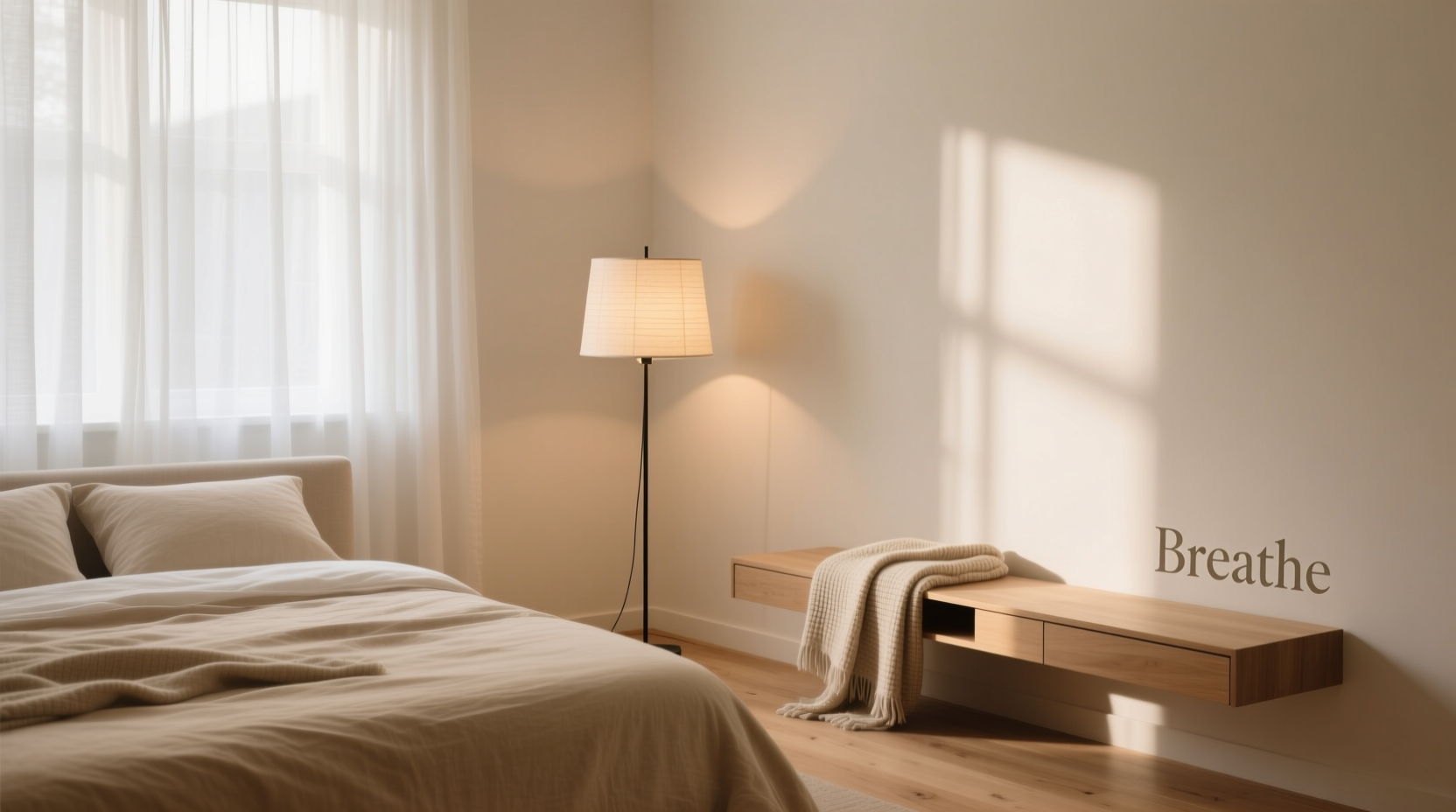
Lighting and color are not merely aesthetic decisions—they have measurable psychological and physiological effects. Bright, harsh lighting—especially blue-toned or cool white light—can suppress melatonin production, the hormone responsible for regulating sleep. This disruption can delay sleep onset and reduce overall sleep quality. On the other hand, warm, dim lighting signals to the brain that it's time to wind down, easing the transition from wakefulness to rest.
Similarly, color psychology plays a crucial role in shaping mood. Neutral tones such as beige, taupe, soft gray, ivory, and warm whites are inherently balanced and non-stimulating. Unlike bold or saturated colors, which can evoke strong emotional responses, neutrals provide a grounding effect. They create a backdrop that feels open, clean, and uncluttered—ideal for fostering calmness and mental ease.
“Neutral palettes paired with layered, warm lighting mimic natural dusk conditions, helping the nervous system shift into rest mode.” — Dr. Lena Torres, Environmental Psychologist & Sleep Wellness Researcher
Choosing the Right Neutral Palette
Selecting the perfect neutral tone goes beyond simply picking “off-white” or “light gray.” The key is understanding undertones and how they interact with lighting throughout the day. For example, a beige with pink undertones may appear warm in morning sunlight but feel cold under artificial evening light. To ensure consistency in ambiance, test paint samples on multiple walls and observe them at different times.
- Warm Neutrals: Cream, camel, greige (gray-beige blend), and oatmeal add coziness without heaviness.
- Cool Neutrals: Soft gray, misty blue-gray, and chalk white offer crispness and airiness—best balanced with warm lighting and textured fabrics.
- Earth-Based Neutrals: Terracotta, warm taupe, and sandy brown connect the space to nature, enhancing grounding energy.
How Natural Light Affects Neutrals
North-facing rooms receive cooler, indirect light, making warm neutrals ideal to counteract the chill. South-facing rooms get abundant sunlight, so slightly cooler neutrals prevent the space from feeling too warm. East and west exposures change dramatically throughout the day; use balanced mid-tone neutrals that adapt well to shifting light conditions.
Layering Soft Lighting for Maximum Impact
Effective bedroom lighting is never reliant on a single source. Instead, it uses layering—a combination of ambient, task, and accent lighting—to create depth, flexibility, and mood. Each layer serves a purpose while contributing to the overall softness of the environment.
- Ambient Lighting: Provides general illumination. Use ceiling fixtures with dimmers or recessed lights set at low wattage (2700K–3000K color temperature).
- Task Lighting: Supports specific activities like reading. Wall-mounted swing-arm lamps or small table lamps with warm bulbs are ideal.
- Accent Lighting: Highlights architectural features or decor. LED strip lights behind headboards or under floating nightstands add subtle glow without glare.
Avoid overhead lighting as the sole source. Harsh downlights cast unflattering shadows and increase visual tension. Instead, keep light sources at or below eye level—lamps on nightstands, sconces beside the bed, floor lamps in corners. This creates a cocoon-like effect, drawing the focus inward and promoting safety and comfort.
| Lighting Type | Bulb Recommendation | Placement Tips |
|---|---|---|
| Ambient | Dimmable LED, 2700K (warm white) | Ceiling fixture with diffuser or semi-flush mount |
| Task | Adjustable arm lamp, 2700K–3000K | Mounted on wall or stable nightstand |
| Accent | LED strip or rope light, warm white | Behind headboard, under shelves, baseboards |
| Mood | Fairy lights, salt lamp, candle-style bulb | Shelving, dressers, window sills |
Smart Lighting Options for Custom Control
Modern smart bulbs allow you to adjust brightness and color temperature via smartphone or voice command. Schedule lights to gradually dim in the evening, mimicking sunset. Some systems integrate with circadian rhythm settings, automatically shifting from bright daylight tones in the morning to warm amber hues by bedtime. While not essential, these tools offer precision in maintaining a consistent calming atmosphere.
Step-by-Step Guide: Transform Your Bedroom in 5 Stages
Creating a calming bedroom doesn’t require a full renovation. Follow this structured approach to make meaningful changes over time, ensuring each decision enhances the next.
- Declutter and Simplify (Week 1): Remove unnecessary furniture, electronics, and visual distractions. Keep only essentials: bed, nightstands, dresser, and one personal item for warmth (like a framed photo or plant).
- Repaint or Refresh Walls (Week 2): Choose a warm neutral paint and apply it to all walls. Consider painting the ceiling in a slightly lighter shade to enhance openness.
- Upgrade Lighting (Week 3): Replace existing bulbs with dimmable warm LEDs. Install two bedside lamps or wall sconces. Add LED strips behind the headboard for gentle backlighting.
- Introduce Layered Textiles (Week 4): Add bedding in varying textures—linen duvet, cotton sheets, wool throw. Use pillows in complementary neutrals to build depth without color contrast.
- Final Touches (Week 5): Incorporate natural materials like wood, stone, or ceramic. Add a small indoor plant (e.g., snake plant or peace lily) for subtle life and air purification.
“Transformation begins with subtraction. The fewer competing stimuli, the easier it is for the mind to relax.” — Naomi Reed, Interior Designer & Wellness Space Consultant
Real-Life Example: From Chaotic to Calm
Sarah, a 34-year-old graphic designer from Portland, struggled with insomnia and nighttime anxiety. Her bedroom had bright white walls, a large TV mounted above the dresser, and a single harsh ceiling light. After consulting a sleep coach, she decided to redesign her space using soft lighting and neutral tones.
She painted the walls in “Agreeable Gray” (Sherwin-Williams), a warm greige that adapts to changing light. She removed the TV and replaced it with a small bookshelf. Ceiling lighting was supplemented with wall-mounted swing lamps on dimmer switches. Bedding shifted to organic linen in ivory and sand tones, layered with a chunky knit throw. LED strips were installed behind a reclaimed wood headboard, emitting a faint golden glow at night.
Within three weeks, Sarah reported falling asleep 25 minutes faster on average and waking less frequently. She described the room as “a breath I didn’t know I needed.”
Common Mistakes to Avoid
Even with good intentions, certain design choices can undermine a calming atmosphere. Be mindful of these pitfalls:
- Overusing Cool-Toned Neutrals: Stark whites and icy grays can feel sterile and clinical, especially under artificial light.
- Ignoring Light Placement: Lamps that shine directly into the eyes when lying in bed defeat the purpose of relaxation.
- Skipping Dimmers: Fixed-brightness lights lack flexibility. A dimmer allows adaptation to time of day and mood.
- Clashing Undertones: Mixing warm wood floors with cool gray walls without transitional elements can create visual tension.
- Too Much Uniformity: An all-neutral room can feel flat. Introduce variation through texture—nubby wool, smooth silk, rough-hewn wood.
Do’s and Don’ts Summary
| Do | Don't |
|---|---|
| Use warm white bulbs (2700K–3000K) | Install cool white or daylight LEDs |
| Layer lighting at multiple levels | Rely solely on ceiling lights |
| Choose paint with warm undertones | Pick neutrals without testing in real light |
| Incorporate natural textures | Use only smooth, synthetic finishes |
| Add dimmers to all fixtures | Leave lights at full brightness overnight |
FAQ: Your Calming Bedroom Questions Answered
Can I include any color in a neutral bedroom?
Yes—subtle pops of muted color are welcome if used sparingly. Think sage green, dusty rose, or soft navy in a throw pillow, artwork, or vase. The key is ensuring the hue remains low in saturation and complements the neutral base rather than dominating it.
What if my bedroom gets very little natural light?
Maximize perceived brightness with reflective surfaces—matte metallic finishes, glass-top nightstands, or a mirror opposite the window. Stick to lighter neutrals on walls and floors, and compensate with warm artificial lighting layered throughout the space. Avoid dark floors or heavy curtains that absorb what little light exists.
Are candles safe to use regularly in the bedroom?
Real candles can contribute to ambiance but should be used with caution. Always extinguish before sleeping and avoid placing near curtains or bedding. Alternatively, use high-quality flameless LED candles that mimic flicker and emit no smoke or scent—ideal for sensitive individuals.
Checklist: Building Your Calming Bedroom
- ☐ Declutter and remove non-essential electronics
- ☐ Select a warm neutral paint and test on multiple walls
- ☐ Replace bulbs with dimmable warm white LEDs (2700K)
- ☐ Install layered lighting: ambient, task, accent
- ☐ Choose bedding in natural, textured fabrics (linen, cotton, wool)
- ☐ Add wood, stone, or ceramic elements for warmth
- ☐ Eliminate blue light sources (chargers, screens, standby LEDs)
- ☐ Introduce one low-maintenance plant for vitality
- ☐ Use blackout curtains to support deeper sleep
- ☐ Evaluate the room after one week and adjust lighting or textiles as needed
Conclusion: Make Calm a Daily Practice
A calming bedroom isn’t achieved overnight, nor is it about perfection. It’s about intention—choosing design elements that align with your need for peace, rest, and emotional balance. Soft lighting and neutral tones are not just trends; they are timeless tools for creating environments that nurture the human spirit. By thoughtfully layering warm light and balanced colors, you invite stillness into your daily routine. You signal to your body that this space is safe, quiet, and worthy of surrender.
Start small. Change a bulb. Swap out a bright pillow. Paint one wall. Each step moves you closer to a bedroom that doesn’t just look serene—but feels like one. The quality of your rest, your mood, and even your relationships may shift as a result. Calm is not passive. It’s a choice. And it begins right where you lay your head at night.




 浙公网安备
33010002000092号
浙公网安备
33010002000092号 浙B2-20120091-4
Comments
No comments yet. Why don't you start the discussion?