
A bedroom should be more than just a place to sleep—it should be a sanctuary. In today’s fast-paced world, the importance of a restful retreat cannot be overstated. One of the most effective ways to transform your bedroom into a peaceful haven is by embracing neutral tones and soft lighting. These design choices do more than enhance aesthetics; they influence mood, reduce stress, and support deeper, more restorative sleep. This guide explores practical, science-backed strategies to cultivate a serene environment using color psychology, lighting techniques, and intentional design.
The Psychology of Neutrality: Why Neutral Tones Work
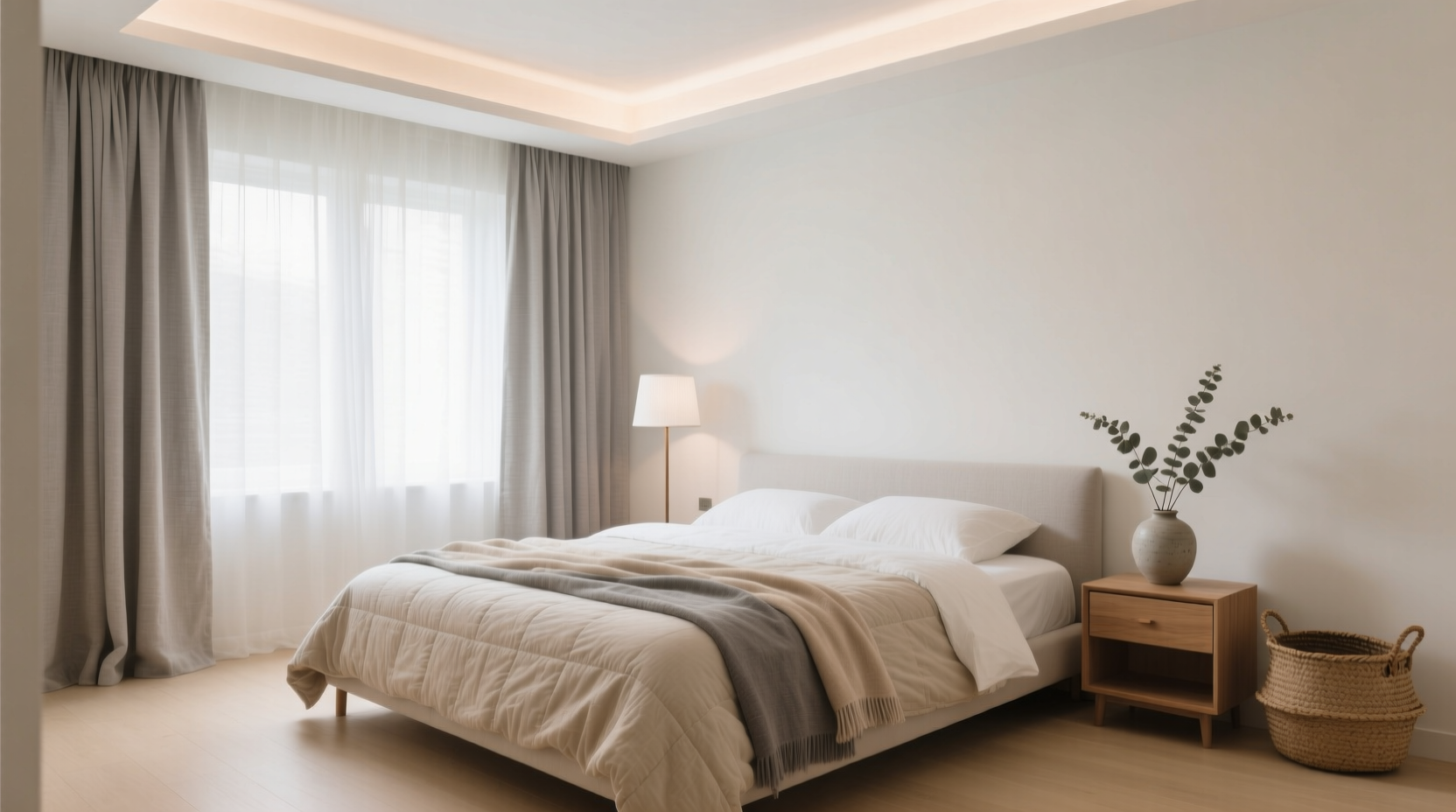
Neutral colors—such as beige, taupe, warm gray, ivory, and soft greige—are inherently balanced. Unlike bold or saturated hues that stimulate the nervous system, neutrals provide visual calm. They don’t compete for attention, allowing the mind to relax without subconscious resistance.
According to environmental psychologists, rooms painted in neutral palettes can lower heart rate and cortisol levels within minutes of entering. This is especially important in a bedroom, where the goal is to transition from activity to stillness. Neutrals also offer unmatched versatility. They act as a blank canvas, making it easier to layer textures, introduce subtle contrasts, and adapt decor over time without overwhelming the senses.
Choosing the Right Neutral for Your Space
Not all neutrals are created equal. Undertones matter. A gray with blue undertones may feel cold and sterile in a north-facing room with limited sunlight, while a beige with pink undertones might clash with certain bedding or flooring. Here’s how to select wisely:
- Warm neutrals (with yellow, red, or orange undertones) work well in rooms with little natural light. They add coziness and prevent the space from feeling clinical.
- Cool neutrals (with blue, green, or gray undertones) suit sun-drenched spaces, balancing brightness with tranquility.
- Greige (a blend of gray and beige) offers the best of both worlds—sophisticated yet warm—and is one of the most popular choices for modern calming bedrooms.
When selecting paint or fabric, hold swatches next to your flooring, furniture, and window treatments. View them under both daylight and evening lighting to ensure consistency.
The Role of Soft Lighting in Creating Calm
Lighting is not merely functional—it shapes perception, rhythm, and emotional tone. Harsh overhead lights disrupt melatonin production, the hormone responsible for sleep regulation. In contrast, soft, diffused lighting signals safety and relaxation to the brain.
Creating a layered lighting scheme is essential. Relying on a single ceiling fixture creates flat, uninviting illumination. Instead, combine multiple sources at varying heights and intensities to mimic the gentle gradients found in nature.
“Lighting sets the emotional temperature of a room. In bedrooms, dimmable, warm-toned fixtures below 2700K are ideal for unwinding.” — Dr. Lena Reyes, Environmental Psychologist & Sleep Environment Researcher
Types of Soft Lighting to Incorporate
| Light Source | Purpose | Recommended Color Temperature | Placement Tips |
|---|---|---|---|
| Table Lamps | Task + ambient lighting for reading | 2200K–2700K (warm white) | On nightstands, angled away from bed |
| Floor Lamps | Accent + indirect glow | 2700K | Corner placement, behind chair or beside bed |
| Wall Sconces | Even, shadow-free illumination | 2200K–2700K | Flanking the bed, at eye level when seated |
| String Lights / LED Strips | Decorative + low-level ambiance | 2000K–2400K (amber) | Behind headboard, along ceiling edge |
| Dimmable Overhead Fixtures | Adjustable general lighting | 2700K with dimmer control | Ceiling-mounted with remote or smart switch |
Dimmers are non-negotiable in a calming bedroom. They allow you to adjust brightness according to the time of day or activity—bright enough for dressing, soft enough for winding down. Smart bulbs with scheduling features can automatically shift from bright white in the morning to warm amber by bedtime, reinforcing your circadian rhythm.
Step-by-Step Guide to Transforming Your Bedroom
Creating a calming bedroom doesn’t require a full renovation. Follow this six-step process to achieve noticeable results on any budget.
- Declutter and Simplify: Remove unnecessary furniture, electronics, and visual distractions. A clean space supports a clear mind. Store items out of sight using closed storage like drawers or linen baskets.
- Repaint with a Calming Neutral: Choose a wall color that feels grounding. Test large swatches on opposite walls. Consider painting one accent wall slightly darker for depth without drama.
- Layer Bedding in Textured Neutrals: Use a mix of materials—linen duvet covers, cotton sheets, wool throws—in varying shades of white, cream, or oatmeal. Texture adds interest without visual noise.
- Install Layered Lighting: Begin with two bedside lamps, then add a floor lamp or sconce. Install dimmers on all fixtures. Replace cool-white bulbs with warm, dimmable LEDs.
- Add Natural Elements: Introduce wood, stone, or woven fibers through furniture, frames, or rugs. These materials enhance warmth and connect the space to nature, a key principle in biophilic design.
- Incorporate Subtle Scents: Use a reed diffuser or essential oil burner with lavender, sandalwood, or chamomile. Avoid overpowering fragrances—scent should be barely perceptible.
Real-Life Example: From Chaotic to Calm
Sarah, a graphic designer in Portland, struggled with insomnia for months. Her bedroom was cluttered with clothes, her desk doubled as a workspace, and she used a harsh LED ceiling light. After consulting an interior therapist, she redesigned the room following neutral and soft-lighting principles.
She repainted the walls in a warm greige, replaced her overhead fixture with two linen-shade table lamps on dimmer switches, and moved her desk to another room. She invested in organic cotton bedding and added a jute rug and a potted snake plant. Within three weeks, Sarah reported falling asleep faster and waking less during the night. “It feels like I’m staying in a quiet countryside inn,” she said. “I didn’t realize how much my space was stressing me out.”
This case illustrates that small, intentional changes can yield significant psychological benefits—even without a full remodel.
Do’s and Don’ts of a Calming Bedroom Design
| Do | Don’t |
|---|---|
| Use multiple layers of soft lighting | Rely solely on overhead lighting |
| Choose fabrics with natural texture (linen, wool, cotton) | Use shiny, synthetic materials that reflect light |
| Stick to a cohesive neutral palette with slight tonal variation | Introduce bright accent colors like red or neon yellow |
| Include one or two pieces of natural wood furniture | Fill the room with dark, heavy furniture that dominates space |
| Keep surfaces mostly clear and organized | Allow piles of books, clothes, or electronics to accumulate |
Essential Checklist for a Calming Bedroom Makeover
- ☐ Remove TVs, laptops, and work-related items
- ☐ Repaint walls in a warm neutral (test samples first)
- ☐ Install dimmer switches on all lights
- ☐ Add at least two soft light sources (e.g., table lamps or sconces)
- ☐ Upgrade bedding to natural, breathable fabrics in neutral tones
- ☐ Introduce texture via rugs, throws, or cushions
- ☐ Incorporate one or two houseplants for air quality and calm
- ☐ Use blackout curtains or shades to control light exposure
- ☐ Add a subtle, natural fragrance (essential oils or unscented candles)
- ☐ Declutter nightstands and floors—keep only essentials
Frequently Asked Questions
Can I add color to a neutral bedroom without losing calm?
Yes—but sparingly. Introduce muted earth tones like sage green, dusty terracotta, or soft navy through small accessories such as a throw pillow, artwork, or ceramic vase. Avoid high-contrast patterns or vibrant hues that draw too much attention.
What if my bedroom gets no natural light?
Maximize artificial warmth. Use bulbs with a color temperature of 2200K–2700K to simulate sunrise or sunset lighting. Paint walls in warm beiges or creamy whites to avoid a cave-like feel. Mirrors placed opposite windows (or artificial light sources) can help reflect and amplify light.
Are smart lights worth it for a calming bedroom?
For many, yes. Smart lighting systems allow you to preset scenes—like “Wind Down” at 50% brightness and warm amber—or automate gradual dimming in the evening. This consistency supports circadian health and reduces decision fatigue before bed.
Final Thoughts: Design for Well-Being
A calming bedroom isn’t about perfection—it’s about intention. Neutral tones and soft lighting are tools to support mental clarity, emotional balance, and physical rest. When your environment aligns with your need for peace, sleep improves, anxiety diminishes, and daily resilience grows. You don’t need expensive renovations or designer furniture. Start with one change: replace a harsh bulb, clear a nightstand, or drape a textured throw over your bed. Each step moves you closer to a space that doesn’t just look calm—but feels it.




 浙公网安备
33010002000092号
浙公网安备
33010002000092号 浙B2-20120091-4
Comments
No comments yet. Why don't you start the discussion?