
Sleep is not just a passive state—it’s an active process that restores the body, consolidates memory, and regulates mood. Yet millions struggle to fall asleep or stay asleep due to poor habits, stress, and overstimulation. One of the most effective ways to improve sleep quality is by establishing a consistent, calming bedtime ritual. Unlike quick fixes, a well-crafted routine works with your body’s natural circadian rhythm, signaling that it’s time to wind down and prepare for restorative rest.
A bedtime ritual isn’t about rigid rules or complicated steps. It’s a personalized sequence of relaxing activities designed to shift your nervous system from alertness to calm. When practiced consistently, it can reduce sleep latency (the time it takes to fall asleep), increase deep sleep duration, and enhance overall well-being. This guide explores the science behind sleep rituals, offers practical steps to build one, and provides tools to maintain it long-term.
The Science Behind Bedtime Rituals
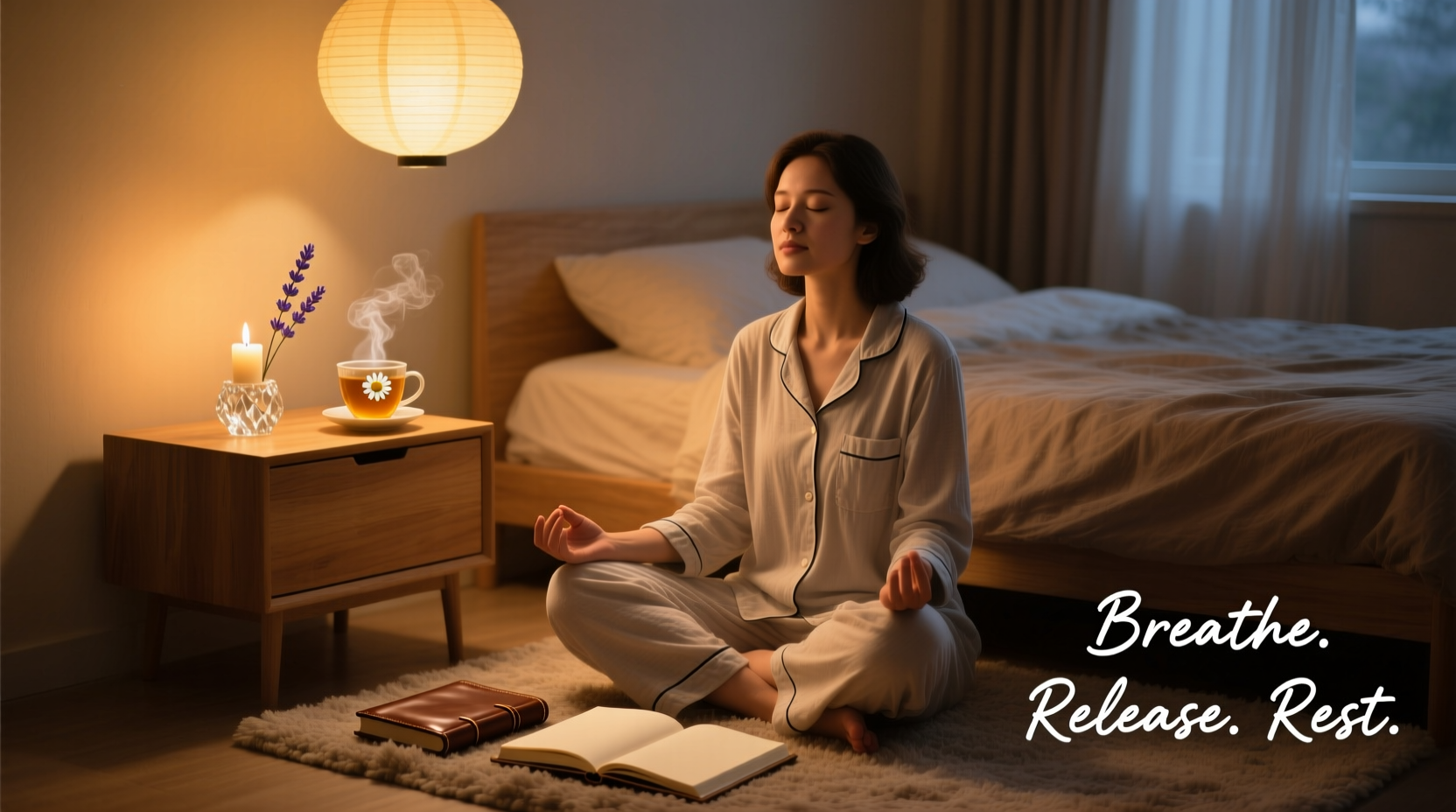
Your body thrives on predictability. The suprachiasmatic nucleus—a cluster of cells in the brain’s hypothalamus—acts as your internal clock, regulating circadian rhythms based on light, temperature, and behavioral cues. A regular bedtime routine reinforces these signals, helping your brain anticipate sleep.
When you repeat calming actions each night, they become conditioned stimuli. Just as Pavlov’s dogs salivated at the sound of a bell, your mind begins to associate certain activities—like dimming lights or sipping herbal tea—with the onset of sleep. Over time, this reduces cognitive arousal and lowers cortisol levels, making it easier to transition into rest.
Studies show that consistent pre-sleep routines improve both subjective and objective measures of sleep. A 2020 study published in *Sleep Health* found that adults who followed a nightly ritual fell asleep 36% faster and reported fewer nighttime awakenings. Children and adolescents benefit even more, with improved sleep duration and emotional regulation.
“Rituals work because they provide psychological closure to the day. They tell the brain: ‘The doing is over; now it’s time to rest.’” — Dr. Rebecca Turner, Sleep Psychologist and Author of *Sleep Rituals: Reclaiming the Art of Rest*
Step-by-Step Guide to Building Your Ritual
Creating an effective bedtime ritual doesn’t require exotic practices or expensive products. It starts with intention, consistency, and attention to your personal needs. Follow this five-phase timeline to design a routine that supports deeper sleep.
- Start 60–90 Minutes Before Bed (Wind-Down Phase)
Begin transitioning from activity to rest. Turn off bright overhead lights and switch to warm-toned lamps. Lower screen brightness or enable night mode on devices. If you must use screens, consider blue-light-blocking glasses. - 45 Minutes Before Bed (Digital Detox & Environment Prep)
Power down phones, tablets, and laptops. Charge them outside the bedroom to eliminate temptation. Adjust room temperature to between 60–67°F (15–19°C), which research shows is optimal for sleep. Use blackout curtains or an eye mask if needed. - 30 Minutes Before Bed (Relaxation Practice)
Engage in low-stimulation activities such as reading a physical book, journaling, or gentle stretching. Avoid emotionally charged conversations or problem-solving tasks. Focus on sensory experiences: soft fabrics, soothing scents, quiet sounds. - 15 Minutes Before Bed (Body Preparation)
Complete hygiene routines like brushing teeth, washing face, and changing into comfortable sleepwear. Consider a brief foot massage or applying lavender-scented lotion to signal relaxation. - At Bedtime (Mind Transition)
Get into bed only when sleepy. Practice a short mindfulness exercise: breathe slowly for four counts in, six counts out. Visualize a peaceful scene or repeat a calming phrase like “I am safe, I am ready to rest.”
Essential Components of a Calming Routine
Not all activities are equally effective for promoting sleep. Choose elements that reduce physiological arousal and support mental detachment from daily stressors. Below are key components backed by sleep science.
1. Sensory Regulation
Control light, sound, and scent to create a sanctuary-like environment. Dim lighting triggers melatonin release, while white noise machines or nature sounds can mask disruptive noises. Aromatherapy with essential oils like lavender has been shown in clinical trials to lower heart rate and improve sleep efficiency.
2. Mindful Movement
Gentle physical practices such as yoga, tai chi, or progressive muscle relaxation help release tension stored in the body. Focus on slow, deliberate motions rather than exertion. A simple 5-minute sequence—neck rolls, shoulder shrugs, forward bends—can ease physical tightness that interferes with sleep.
3. Cognitive Unloading
Worry and rumination are major barriers to sleep onset. Try “brain dumping” by writing down thoughts, to-do lists, or unresolved concerns before bed. This externalizes mental clutter and reduces the urge to replay events mentally. For structured reflection, use guided prompts: “What went well today?” or “What do I need to let go of?”
4. Emotional Closure
End the day with gratitude or compassion exercises. Recalling three positive moments builds a sense of completion and safety. Saying a short affirmation—such as “I forgive myself for what didn’t go perfectly”—can soften self-criticism that often surfaces at night.
| Activity | Benefit | Time Required |
|---|---|---|
| Reading fiction (paper book) | Distracts mind from stress, promotes drowsiness | 15–20 min |
| Lavender aromatherapy | Reduces anxiety, improves sleep quality | 10–30 min exposure |
| Gratitude journaling | Shifts focus from lack to abundance | 5 min |
| Box breathing (4-6-4-6) | Activates parasympathetic nervous system | 3–5 min |
| Foot soak with Epsom salts | Lowers core body temperature, eases muscle tension | 15 min |
Common Pitfalls and How to Avoid Them
Even with good intentions, many people undermine their efforts through subtle missteps. Awareness of these traps can help you stay on track.
- Inconsistency: Skipping the ritual on weekends disrupts circadian alignment. Aim for the same start time within a 30-minute window every night.
- Overstimulation: Watching intense TV, scrolling social media, or having heated discussions late at night spikes cortisol and delays sleep onset.
- Doing it in bed: Associating the bed with activities other than sleep weakens its psychological link to rest. Perform rituals elsewhere when possible.
- Rigidity: Being overly strict can turn the routine into a source of stress. Allow flexibility—some nights you might read longer; others, you’ll skip a step.
Real-Life Example: Maria’s Transformation
Maria, a 42-year-old project manager, struggled with insomnia for years. She’d lie awake for hours, her mind racing through deadlines and family responsibilities. Despite trying supplements and meditation apps, nothing provided lasting relief. Then she committed to building a personalized bedtime ritual.
Each night at 9:00 PM, she began by turning off her work laptop and brewing chamomile tea. By 9:15, she lit a lavender candle and spent 10 minutes journaling—not just listing tasks, but reflecting on emotions. At 9:30, she did five minutes of seated stretches and read 15 pages of a novel. Lights out by 10:00.
Within two weeks, Maria noticed she was falling asleep faster. After a month, her average sleep duration increased from 5.5 to 7 hours. “It’s not magic,” she said. “It’s about giving myself permission to stop. The ritual is my boundary between chaos and calm.”
Checklist: Build Your Ideal Bedtime Ritual
Use this checklist to design and refine your own routine:
- ✅ Choose a consistent bedtime and wake-up time (even on weekends)
- ✅ Identify 3–5 calming activities that resonate with you
- ✅ Schedule your ritual to begin 60 minutes before target sleep time
- ✅ Remove electronic devices from the bedroom or set them to “Do Not Disturb”
- ✅ Optimize sleep environment: cool, dark, quiet
- ✅ Test different relaxation techniques (breathing, journaling, reading)
- ✅ Evaluate weekly: Are you falling asleep faster? Waking less?
- ✅ Adjust as needed—your ritual should evolve with your life
Frequently Asked Questions
Can I still watch TV as part of my bedtime routine?
Occasional viewing isn’t harmful if the content is light and non-stimulating. However, avoid fast-paced shows, news, or anything emotionally intense. Ideally, watch earlier in the evening and switch to non-screen activities at least 30 minutes before bed. If you do watch TV, use dim ambient lighting and keep volume low.
How long does it take for a bedtime ritual to work?
Most people notice improvements within 1–2 weeks of consistent practice. Full conditioning—where your body automatically begins to relax upon starting the ritual—can take 3–4 weeks. Patience and repetition are key.
What if I don’t feel tired at my scheduled bedtime?
If you’re not sleepy after 20 minutes in bed, get up and do a quiet, non-stimulating activity (like reading under dim light) until drowsy. Return to bed only when ready. This strengthens the mental connection between bed and sleep.
Final Thoughts: Make Rest a Ritual, Not a Reward
Sleep is not a luxury to earn—it’s a biological necessity to honor. In a culture that glorifies busyness, creating a bedtime ritual is a radical act of self-care. It says: I matter enough to slow down. My rest matters.
The most powerful rituals aren’t elaborate. They’re simple, sustainable, and repeated with care. Whether it’s lighting a candle, whispering a gratitude list, or feeling the weight of your body sink into the mattress, these small acts accumulate into profound change.
Start tonight. Pick one calming practice. Do it at the same time. Repeat it tomorrow. Build from there. Over time, your body will learn the rhythm, and sleep will come not as a struggle, but as a welcome return.




 浙公网安备
33010002000092号
浙公网安备
33010002000092号 浙B2-20120091-4
Comments
No comments yet. Why don't you start the discussion?