
Christmas lights are often associated with joy, warmth, and celebration. But for individuals with sensory sensitivities—including those on the autism spectrum, living with anxiety, or managing neurological conditions—traditional holiday lighting can be overwhelming, even distressing. Flickering bulbs, bright flashes, and chaotic color patterns may trigger discomfort, meltdowns, or withdrawal from festive environments.
The good news is that thoughtful design choices can transform your holiday lighting into a serene, inclusive experience. With the right approach, you can maintain the magic of the season while honoring sensory well-being. This guide walks through practical, research-backed strategies to craft a Christmas lighting display that feels safe, calming, and joyful for everyone in your home or community.
Understanding Sensory Sensitivity During the Holidays
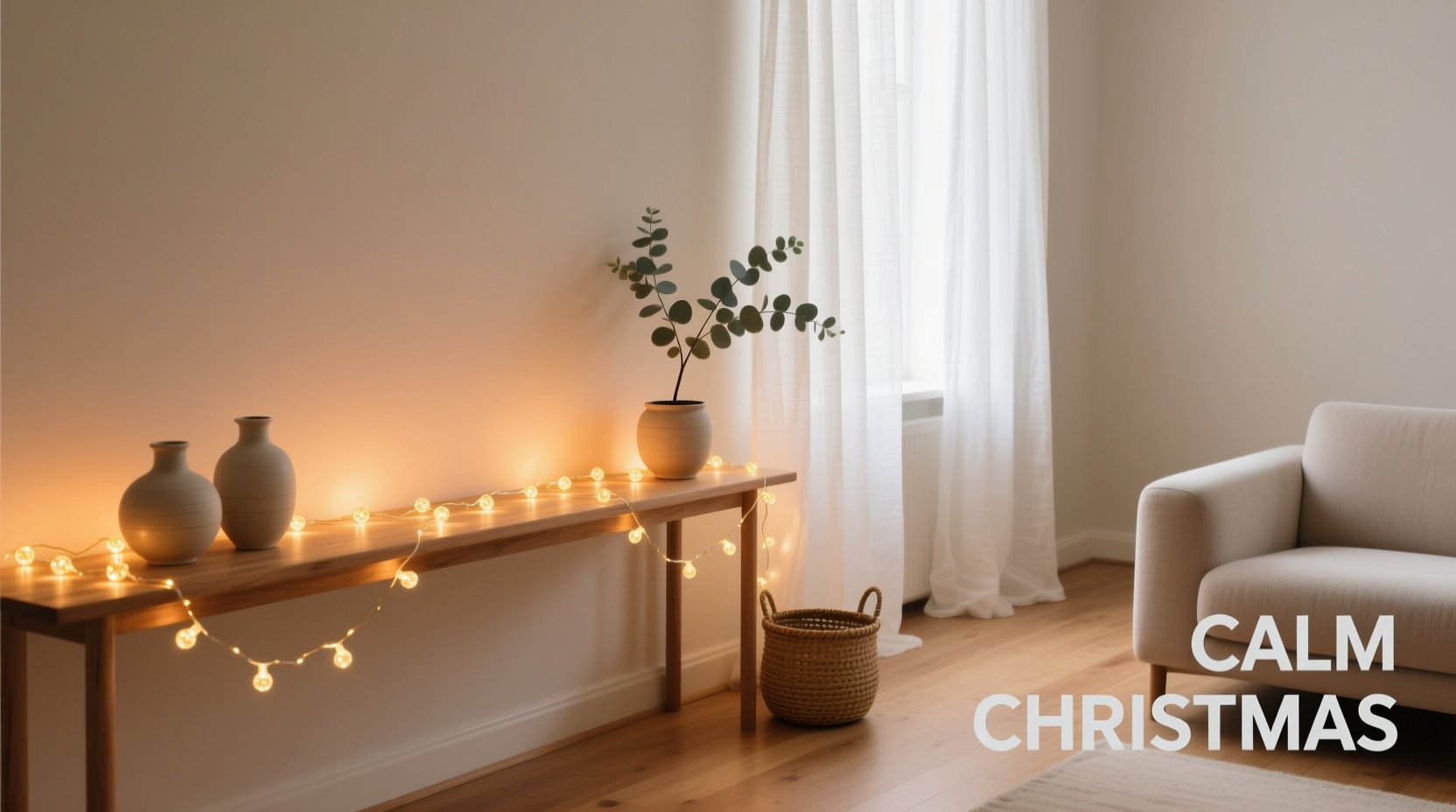
Sensory processing differences affect how people interpret stimuli like light, sound, touch, and smell. For some, especially children and adults with autism, ADHD, PTSD, or migraines, overstimulation from intense visual inputs can lead to physical pain, emotional dysregulation, or cognitive overload.
Holiday lighting often amplifies these challenges. Traditional displays feature rapid strobes, multicolored blinking sequences, and high-lumen outputs—all of which can be jarring. According to Dr. Rebecca Kennedy, a clinical occupational therapist specializing in sensory integration:
“During the holidays, many families unintentionally create environments that feel hostile to neurodivergent members. Simple adjustments to lighting can reduce stress and increase inclusion dramatically.” — Dr. Rebecca Kennedy, OTD, Sensory Integration Specialist
The goal isn’t to eliminate festivity but to reframe it. A calming lighting scheme doesn’t mean dull or boring—it means intentional, gentle, and respectful of diverse sensory needs.
Core Principles of Calming Lighting Design
To build a sensory-friendly lighting environment, focus on four foundational elements: brightness, color temperature, motion, and consistency.
- Brightness: Avoid maximum intensity. Use dimmers or lower-wattage LEDs to soften illumination.
- Color Temperature: Opt for warm white (2700K–3000K) over cool or daylight white. Warm tones mimic candlelight and feel more natural and comforting.
- Motion: Eliminate flicker and flashing. Choose steady-on or gently pulsing modes only if necessary.
- Consistency: Maintain predictable patterns. Sudden changes in light behavior disrupt regulation.
These principles align with environmental psychology research showing that low-intensity, static warm lighting supports relaxation and reduces cortisol levels—the hormone associated with stress.
Step-by-Step Guide to Building Your Calming Scheme
Follow this structured process to design and install a sensory-safe lighting display, whether indoors or outdoors.
- Assess the Space
Walk through each area where lights will be installed. Note existing light sources, reflective surfaces, and seating zones. Identify spots where people may spend extended time—like near a tree, window seat, or dining area. - Choose the Right Lights
Select LED string lights labeled “non-flickering” or “flicker-free.” Look for products with a DC (direct current) driver, which eliminates the subtle pulsing common in cheaper AC-powered LEDs. Prioritize warm white (2700K) or soft amber hues. - Control Intensity with Dimmers
Use plug-in dimmer switches or smart bulbs with adjustable brightness. Start at 30–50% brightness and adjust based on feedback. Smart systems like Philips Hue or Lutron allow preset scenes such as “Calm Evening” or “Gentle Glow.” - Eliminate Flashing Modes
If your lights have multiple settings, disable strobe, twinkle, or chase effects. If required for tradition, limit animated sequences to areas not used for relaxation—such as an outdoor façade visible from the street but not from inside the home. - Layer the Light
Combine ambient lighting (e.g., string lights around a tree), task lighting (a reading lamp), and accent lighting (softly lit candles or figurines). Layering prevents harsh contrasts and creates depth without glare. - Install Safely and Securely
Ensure cords are out of walkways, connections are weatherproofed for outdoor use, and fixtures don’t overheat. Use clips instead of nails to avoid damage and tripping hazards. - Test and Adjust
Invite input from family members, especially those with sensory concerns. Ask them to spend time in lit areas and report any discomfort. Make iterative changes until the space feels peaceful.
Do’s and Don’ts: Lighting Comparison Table
| Category | Do | Don’t |
|---|---|---|
| Brightness | Use dimmable lights set to 30–60% | Use full-brightness commercial-grade displays indoors |
| Color | Stick to warm white or soft amber | Mix red, blue, green, and white in close proximity |
| Motion | Use steady-on or slow fade modes | Include strobe, blink, or random flash settings |
| Placement | Position lights above eye level or behind diffusers | Place bright strings directly in line of sight |
| Duration | Limit display hours (e.g., 4 PM to 9 PM) | Leave lights on all night |
Real Example: The Miller Family’s Sensory-Safe Porch
The Millers live in a suburban neighborhood known for elaborate holiday displays. Their son, Noah, age 8, is autistic and sensitive to light and noise. In past years, he avoided the front yard entirely during December.
This year, they redesigned their porch lighting with sensory comfort in mind. They replaced multicolored blinking icicle lights with warm-white, non-flickering LED strands. They wrapped pillars gently with rope lights set to 40% brightness and added a single fiber-optic reindeer with a soft pulse—slow enough to feel rhythmic, not jarring.
They also installed a timer to turn off all lights by 8:30 PM, preserving nighttime calm. Neighbors were curious, and several asked how they achieved such a “cozy” look. Most importantly, Noah now sits on the porch bench each evening, watching the quiet glow with his parents.
“It’s the first time he hasn’t felt scared of our own house,” said Sarah Miller. “We didn’t lose the spirit—we deepened it.”
Checklist: Creating Your Own Calming Lighting Plan
Use this actionable checklist to ensure your setup meets sensory-friendly standards:
- ☐ Choose warm white (2700K–3000K) LED lights only
- ☐ Confirm lights are flicker-free (check product specs or test with phone camera)
- ☐ Install dimmers or use smart bulbs for brightness control
- ☐ Disable all flashing, twinkling, or animated modes
- ☐ Position lights above or beside seating areas—not directly in front
- ☐ Limit total lighting duration to 4–6 hours per evening
- ☐ Use timers or smart scheduling to maintain consistency
- ☐ Test the space with input from sensitive individuals
- ☐ Offer a “dark zone” nearby—a room or corner free of decorative lights
- ☐ Label controls clearly so anyone can adjust or turn off lights easily
Frequently Asked Questions
Can I still use colored lights if someone in my home has sensory issues?
Yes, but with caution. Bright, saturated colors (especially red and blue) can be overstimulating. If using color, limit it to one or two soft-toned accents—like pale gold or muted rose—and keep brightness low. Avoid rainbow sequences or rapid color shifts. Consider using color only in high-traffic or exterior areas, not in personal retreat spaces.
How do I know if my lights flicker?
Many LED lights flicker at frequencies imperceptible to the eye but still disruptive to the brain. To test, open your smartphone camera and point it at the lit bulbs. If you see rolling bars, strobing, or a “dancing” effect on screen, the light is flickering. True flicker-free LEDs will appear steady through the camera. Alternatively, look for certifications like IEEE 1789 compliance.
What if I want to participate in a neighborhood lighting contest?
You can balance inclusion with tradition. Design two zones: a sensory-friendly main display visible from your living area, and a separate, more dynamic show facing the street. Use timers to run the vibrant version only during peak viewing hours (e.g., 5–8 PM), then switch to the calm setting afterward. This honors community spirit while protecting household well-being.
Final Thoughts and Call to Action
A calming Christmas lighting scheme isn’t about compromise—it’s about expanding what celebration can mean. By designing with empathy, you create spaces where everyone, regardless of sensory profile, can feel safe, included, and joyful during the holidays.
The most meaningful traditions aren’t the brightest—they’re the ones that make people feel seen. Whether you’re decorating for a child with autism, a veteran managing PTSD, or a loved one recovering from burnout, your mindful choices matter.
Start small. Replace one string of harsh lights. Test a dimmer. Ask someone how the glow feels to them. These acts of care ripple outward, shaping a kinder, more considerate holiday culture.




 浙公网安备
33010002000092号
浙公网安备
33010002000092号 浙B2-20120091-4
Comments
No comments yet. Why don't you start the discussion?