
In the middle of city life, where space is tight and noise is constant, finding peace at home can feel impossible—especially in a small apartment. Yet even the tiniest living area can host a sanctuary: a calming corner designed to restore balance, reduce stress, and offer daily moments of mindfulness. The best part? You don’t need extra square footage or deep pockets to make it happen. With thoughtful planning, resourceful choices, and a few intentional touches, you can build a personal retreat that supports mental clarity and emotional well-being—without spending more than $100.
Why a Calming Corner Matters
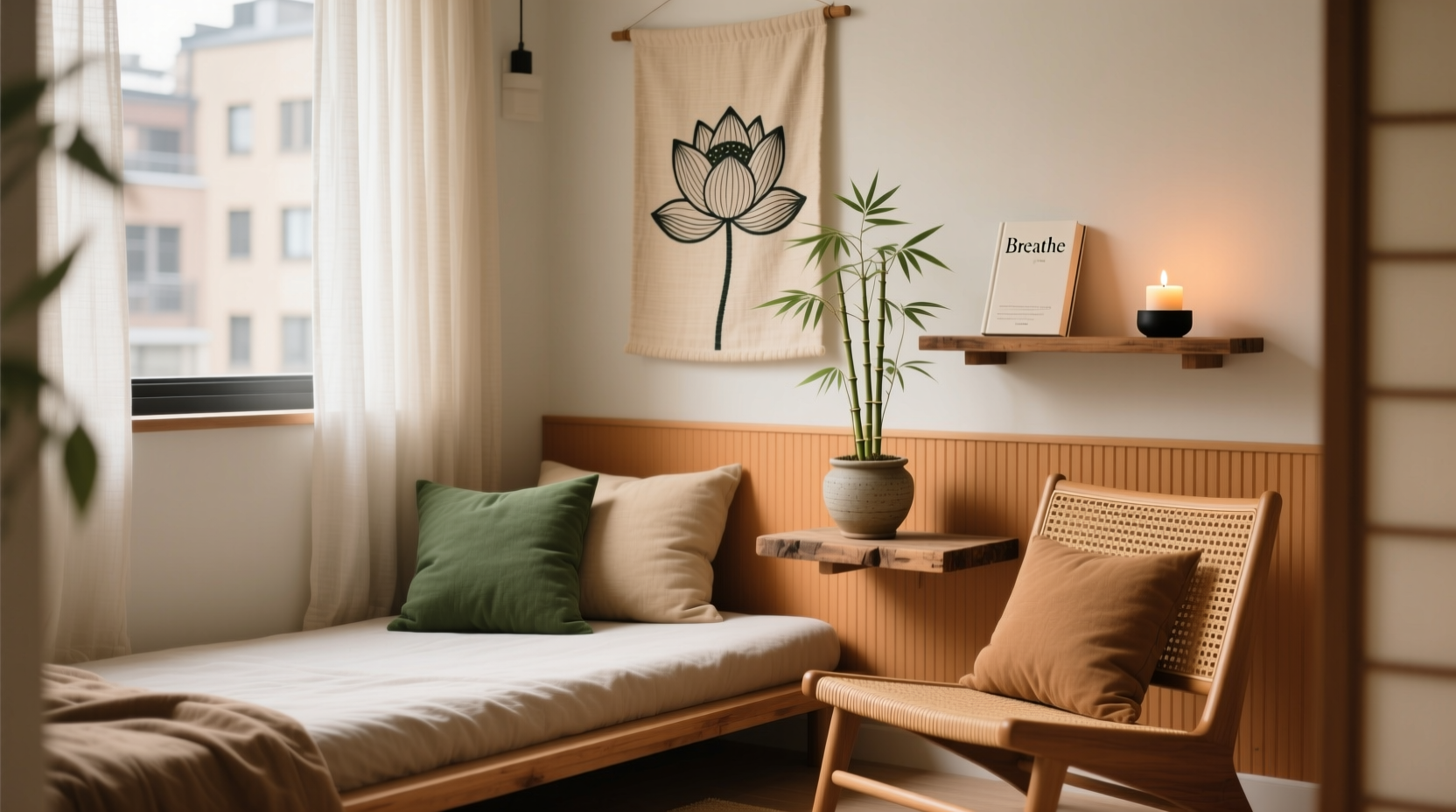
A designated space for relaxation isn’t a luxury—it’s a necessity for mental health. According to the American Psychological Association, chronic stress affects over 75% of adults, contributing to anxiety, sleep disorders, and burnout. A calming corner acts as a psychological cue: when you enter this space, your mind begins to shift from “go mode” to “rest mode.”
For those in compact urban dwellings, integrating such a zone requires creativity. But research shows that even brief exposure to peaceful environments—even visualized or micro-designed ones—can lower cortisol levels and improve focus. This makes a small, intentional nook not just symbolic, but scientifically beneficial.
“Even five minutes in a dedicated calm space can reset your nervous system. It’s about creating a ritual anchor in your day.” — Dr. Lena Patel, Clinical Psychologist & Mindfulness Researcher
Step-by-Step Guide to Building Your Budget-Friendly Sanctuary
Creating a calming corner doesn’t require renovations or expensive furniture. Follow this practical timeline to transform an overlooked spot into a restorative retreat.
- Week 1: Identify and Clear the Space (Under $10)
Select a quiet corner—near a window, beside a bookshelf, or tucked behind a door. Clear clutter and sweep the area. Use painter’s tape to mark boundaries if needed. - Week 2: Define the Zone (Under $25)
Add a rug (check thrift stores or discount retailers), a floor cushion or secondhand chair, and a small shelf or crate for essentials. Define the space visually to separate it from daily chaos. - Week 3: Introduce Calming Elements (Under $40)
Incorporate soft lighting (LED string lights or a clip-on lamp), a plant (try low-maintenance pothos or snake plant), and sensory items like a textured throw or essential oil roller. - Week 4: Personalize and Refine (Under $25)
Add meaningful items: a gratitude journal, a framed photo, or a small piece of art. Test comfort and adjust layout for flow and ease.
Smart Budgeting: What to Spend—and Where to Save
Budget constraints shouldn’t limit tranquility. The key is prioritizing impact over price. Focus on multi-functional, durable pieces that serve both aesthetic and emotional needs.
| Item | Budget Option | Cost-Saving Tip | Impact Level |
|---|---|---|---|
| Seating | Foldable floor cushion or thrifted armchair | Check Facebook Marketplace or Buy Nothing groups | High |
| Lighting | Warm-white LED string lights or clamp lamp | Use dimmable bulbs to adjust mood | High |
| Rug | Small indoor-outdoor mat or remnant fabric | Repurpose old blankets with fabric glue edges | Medium |
| Greenery | Propagation from free cuttings or dollar store succulents | Ask friends for plant cuttings | High |
| Storage | Decorative baskets or repurposed boxes | Label with masking tape + marker for charm | Medium |
The goal isn’t perfection—it’s consistency. Even one well-chosen item, like a soft throw blanket or a candle-free flameless lamp, can elevate the entire atmosphere.
Design Principles for Small Spaces
When square footage is limited, every design decision counts. Apply these principles to maximize serenity without sacrificing function.
- Color Psychology: Stick to cool, muted tones—soft blues, warm grays, sage greens. These hues are proven to lower heart rate and promote relaxation. Paint one accent wall or use removable wallpaper samples.
- Minimalism with Warmth: Avoid stark emptiness. Instead, embrace “cozy minimalism”—fewer items, but each with texture and purpose. A knitted pillow, a wooden tray, or woven basket add warmth without clutter.
- Sensory Layering: Engage multiple senses gently. Soft fabrics, ambient sounds (via a phone speaker), and subtle scents (like lavender oil on a cotton ball) deepen the calming effect.
- Vertical Space: Install floating shelves or hang a macramé plant holder to keep the floor clear. Visual height creates the illusion of spaciousness.
Mini Case Study: Maria’s Balcony Nook
Maria, a freelance designer in Brooklyn, lives in a 400-square-foot studio with no private outdoor access. Her only natural light comes from a narrow Juliet balcony. She transformed the interior space directly in front of it into her calming corner.
Using a folding bistro table ($15 at a yard sale), a padded seat cover made from an old sweater, and a set of solar-powered fairy lights ($12), she created a morning tea spot. She added a trailing ivy in a painted tin can and placed a small Bluetooth speaker for guided meditations. Total cost: $43.
“I spend 15 minutes here every morning with my journal,” she says. “It’s not big, but it feels like my own little world. I’ve noticed I’m less reactive during work calls now.”
Essential Checklist: Build Your Calming Corner in 7 Steps
Follow this actionable checklist to ensure your space is functional, soothing, and affordable.
- Choose a quiet, low-traffic corner with access to light if possible.
- Clear the area of unrelated clutter and clean thoroughly.
- Select one comfortable seat—floor cushion, stool, or chair.
- Add a small rug or mat to define the space underfoot.
- Include soft, warm lighting (avoid harsh overheads).
- Introduce one live plant or nature-inspired decor (e.g., driftwood, seashell).
- Keep 2–3 personal items: a journal, meditation app shortcut, or inspirational quote card.
Once complete, commit to using the space daily—even for just five minutes. Consistency turns intention into habit.
Common Mistakes to Avoid
Even well-meaning efforts can backfire if the space becomes impractical or overwhelming. Steer clear of these pitfalls:
- Overcrowding: Too many pillows, candles, or trinkets defeat the purpose. Aim for simplicity.
- Poor Lighting: Harsh white LEDs or flickering bulbs increase stress. Opt for warm, steady illumination.
- Using the Space for Other Tasks: Don’t let your calming corner double as a laundry drop zone or workspace. Guard its purpose.
- Neglecting Noise Control: In noisy buildings, consider noise-canceling headphones or a white noise app instead of relying solely on silence.
“The most effective calming spaces aren’t the prettiest—they’re the ones you actually use.” — Jordan Lee, Interior Therapist & Wellness Space Consultant
FAQ: Your Top Questions Answered
Can I create a calming corner in a shared apartment?
Absolutely. Communicate your needs to your roommate or partner. Use a room divider, curtain, or specific rug to signal the space’s purpose. Agree on quiet hours or headphone use to maintain harmony.
What if I don’t have any spare corners?
Reclaim underused areas: the end of your bed, a closet floor, or even a section of your bathroom counter. Use a portable tray with calming items—you can move it as needed. Ritual matters more than location.
Are candles safe in a small space?
Open flames pose risks in compact or poorly ventilated areas. Instead, use flameless LED candles with timers. They provide the same soft glow without fire hazards or smoke.
Final Thoughts: Small Space, Big Impact
A calming corner isn’t defined by size or price tag—it’s defined by intention. In a world that rarely slows down, giving yourself permission to pause in a thoughtfully crafted space is an act of self-respect. The corner you build today might be just a patch of floor with a cushion and a plant, but it holds the power to change how you breathe, think, and recover from daily strain.
You don’t need a renovation or a windfall to begin. Start small: tonight, clear a 3x3 foot area, place something soft to sit on, and turn off your phone for five minutes. That’s the foundation. From there, layer in what brings you peace—one mindful addition at a time.




 浙公网安备
33010002000092号
浙公网安备
33010002000092号 浙B2-20120091-4
Comments
No comments yet. Why don't you start the discussion?