
In the rhythm of city life or even within the quiet walls of a home, anxiety can surface unexpectedly. For many, finding peace means stepping outside—yet not everyone has access to nature, gardens, or open spaces. The good news is that you don’t need a backyard or a meditation retreat to find calm. You can cultivate tranquility right where you are by designing a dedicated space in your apartment: a calming corner tailored to soothe your nervous system, ground your thoughts, and offer refuge during moments of stress.
A well-designed calming corner isn't just about aesthetics—it’s a functional sanctuary rooted in environmental psychology, sensory regulation, and intentional design. When thoughtfully created, this space becomes more than a cozy nook; it becomes a tool for mental wellness. Whether you live in a studio or a two-bedroom apartment, even a few square feet can be transformed into a personal retreat that supports emotional balance and resilience.
Why a Calming Corner Works for Anxiety Relief
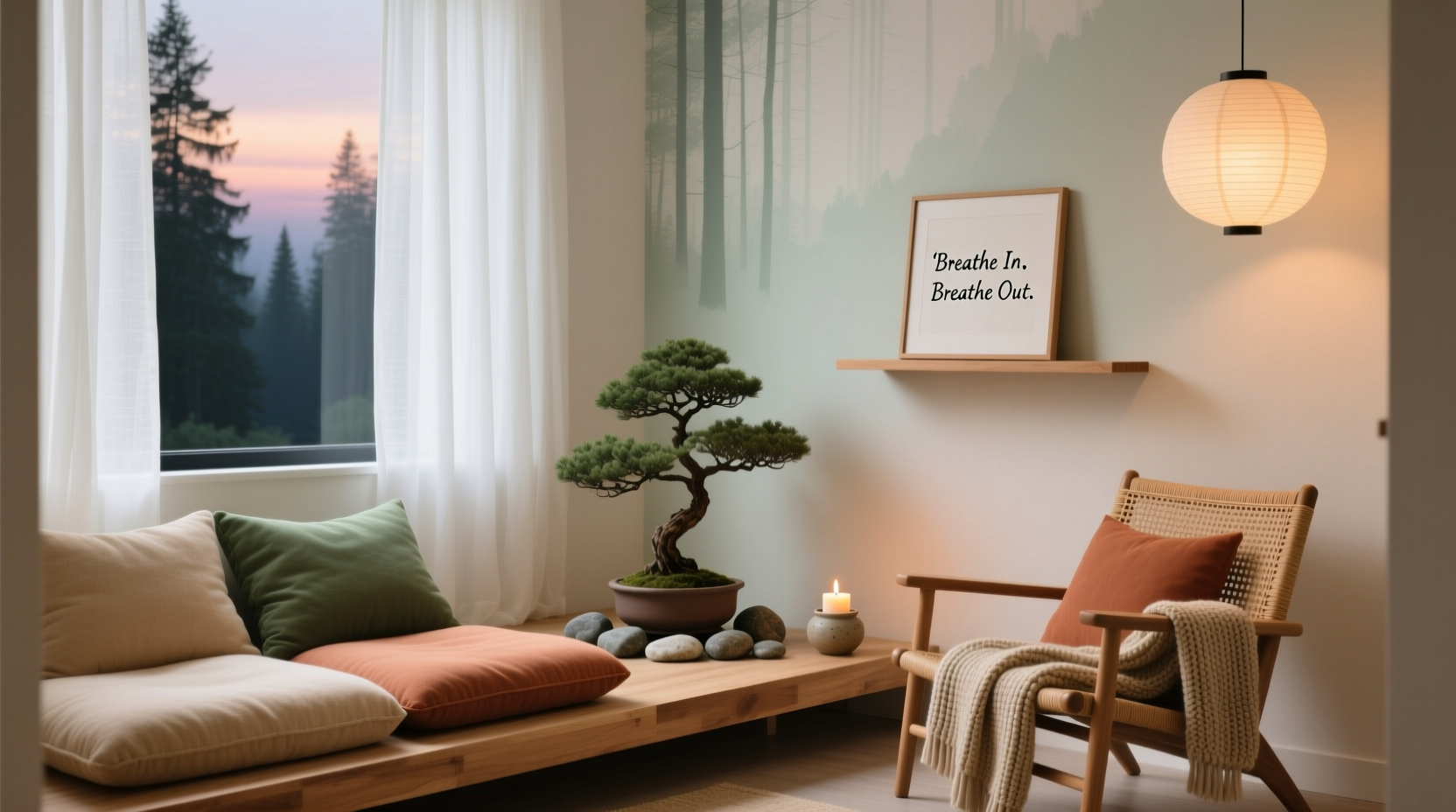
Anxiety often manifests as hyperarousal—a state where the body feels constantly on alert. Environmental cues play a significant role in either escalating or reducing this response. A chaotic room with bright lights, clutter, and noise can amplify feelings of unease. In contrast, a space designed with soothing colors, soft textures, and minimal distractions signals safety to the brain.
According to Dr. Sarah Thompson, a clinical psychologist specializing in mindfulness-based therapies, “The environment shapes our internal state more than we realize. A designated calming space leverages sensory input to activate the parasympathetic nervous system—the body’s ‘rest and digest’ mode.” This shift helps reduce cortisol levels, slow heart rate, and promote mental clarity.
“The environment shapes our internal state more than we realize. A designated calming space leverages sensory input to activate the parasympathetic nervous system.” — Dr. Sarah Thompson, Clinical Psychologist
Unlike general relaxation methods, a calming corner offers consistency. It’s a predictable, familiar place you can turn to when overwhelmed. Over time, merely entering the space can trigger a conditioned relaxation response, making it an effective long-term strategy for managing everyday anxiety.
Step-by-Step Guide to Building Your Calming Corner
Creating an effective calming corner involves more than placing a cushion in the corner. It requires deliberate planning across several dimensions: location, lighting, sound, scent, and tactile experience. Follow these steps to build a space that truly serves your emotional needs.
- Choose the Right Location
Select a low-traffic area away from appliances, high footpaths, or noisy windows. Ideal spots include a closet nook, beside a bedroom window, under a staircase (if applicable), or a quiet corner behind a bookshelf. Privacy and visual separation are key. - Declutter the Space
Remove any unnecessary items. Clutter increases cognitive load and subconsciously raises stress. Keep only what belongs in the calming corner—nothing extra. - Define the Zone Physically
Use a small rug, folding screen, bookshelf, or curtain to visually separate the area. This boundary reinforces the idea that this is a distinct space for rest, not multitasking. - Optimize Lighting
Avoid overhead fluorescent lights. Instead, layer ambient, task, and accent lighting. Use warm-toned LED bulbs (2700K–3000K), salt lamps, fairy lights, or dimmable floor lamps. Natural light during the day is ideal—position near a window if possible. - Incorporate Soothing Colors
Stick to muted, earthy tones: soft greens, warm grays, pale blues, or sandy beiges. These hues are linked to nature and have been shown in color psychology studies to reduce agitation and lower blood pressure. - Add Comfortable Seating
Choose supportive yet soft seating: a floor cushion, bean bag, reading chair, or meditation bench. If floor sitting isn’t comfortable, use a padded ottoman with back support. Prioritize ergonomics and material comfort. - Integrate Sensory Elements
Include items that engage the senses gently: a textured throw blanket, a smooth worry stone, aromatherapy diffuser, or soft music playlist. Each sense should contribute to grounding, not stimulation. - Personalize Mindfully
Add meaningful but minimal decor: a framed photo of a peaceful landscape, a plant, or a small piece of art that evokes serenity. Avoid over-personalizing—this isn’t a display shelf.
Sensory Design: Engaging the Five Senses for Maximum Impact
The most effective calming corners engage multiple senses in harmony. Here’s how to optimize each one without overwhelming the space:
- Sight: Use soft, diffused lighting and avoid bright screens. Consider a small tabletop fountain with gentle water movement—visual flow promotes relaxation.
- Hearing: Introduce white noise, nature sounds (rain, ocean waves), or instrumental music through a small speaker or noise-canceling headphones. Silence is also valid—some people prefer complete auditory minimalism.
- Smell: Essential oils like lavender, chamomile, or sandalwood have documented calming effects. Use a reed diffuser or ultrasonic diffuser with 3–5 drops of oil. Avoid synthetic air fresheners—they can trigger headaches.
- Touch: Layer textures: a knitted throw, velvet cushion, wooden tray, or woven mat. Tactile variety encourages mindful touch, which anchors attention in the present moment.
- Taste: Keep herbal tea bags (chamomile, passionflower, lemon balm) nearby with a thermos. Sipping warm liquid is a ritual that slows breathing and signals self-care.
| Sense | Recommended Elements | Avoid |
|---|---|---|
| Sight | Soft lighting, neutral colors, indoor plants | Bright LEDs, clutter, flashing devices |
| Hearing | Nature sounds, white noise, silence | Loud music, TV, traffic noise |
| Smell | Lavender, bergamot, cedarwood (natural oils) | Artificial fragrances, strong perfumes |
| Touch | Fuzzy blankets, smooth stones, soft rugs | Rough fabrics, cold metal surfaces |
| Taste | Caffeine-free herbal teas, dark chocolate (small piece) | Sugary snacks, energy drinks |
Real Example: Maria’s Balcony Nook Transformation
Maria, a 34-year-old graphic designer living in a Chicago high-rise, struggled with work-related anxiety and difficulty unwinding after long screen-filled days. Her apartment had a narrow balcony that she previously used for storage. After learning about calming spaces, she repurposed the 4x6 ft area into a micro-sanctuary.
She installed a weather-resistant bamboo chair, added a foldable side table, and hung sheer curtains for privacy. She placed a small potted lavender plant and a wind chime in the corner. At night, she used a solar-powered string light and a portable Bluetooth speaker playing forest sounds. She kept a journal and tea thermos nearby.
Within three weeks, Maria reported a noticeable decrease in evening rumination. “Just stepping onto the balcony signals my brain it’s time to decompress,” she said. “Even five minutes there resets my mood.” Her experience underscores that size doesn’t determine impact—intention does.
Essential Checklist for Your Calming Corner
Before declaring your space complete, run through this checklist to ensure it meets therapeutic standards:
- ✅ Located in a quiet, low-distraction zone
- ✅ Free of clutter and unrelated items
- ✅ Equipped with comfortable, supportive seating
- ✅ Uses warm, dimmable, or natural lighting
- ✅ Incorporates at least three sensory elements (e.g., scent, sound, texture)
- ✅ Includes a method for grounding (journal, breathing guide, fidget tool)
- ✅ Has a clear boundary (rug, screen, shelf) separating it from the rest of the room
- ✅ Contains no work-related materials or electronic distractions (laptops, tablets)
- ✅ Is easily accessible during moments of acute stress
- ✅ Feels personally meaningful without being overly decorative
Common Mistakes to Avoid
Even well-intentioned efforts can fall short if common pitfalls aren’t addressed. Watch out for these missteps:
- Making it multi-functional: Don’t use the space for reading emails, paying bills, or watching TV. Its sole purpose should be relaxation and emotional regulation.
- Overloading with decor: Too many objects defeat the purpose of simplicity. Stick to three to five meaningful items max.
- Ignoring acoustics: Hard floors and bare walls amplify sound. Add a small rug or fabric wall hanging to absorb noise.
- Using stimulating scents: Peppermint, citrus, or strong florals may energize rather than calm. Test oils before committing.
- Placing it near distractions: Avoid corners next to the kitchen, front door, or laundry area where activity disrupts peace.
FAQ: Your Calming Corner Questions Answered
Can I create a calming corner in a shared apartment?
Absolutely. Use room dividers, curtains, or furniture placement to define your space. Communicate its importance to housemates—frame it as a wellness necessity, not a luxury. Even a bedside chair with a shawl and diffuser can serve as a mini-corner.
How long should I spend in the calming corner?
There’s no fixed rule. Start with 5–10 minutes daily, especially during transition times (after work, before bed). During acute anxiety, stay as long as needed—sometimes just 90 seconds of deep breathing can reset your nervous system.
Do I need special equipment or expensive items?
No. A calming corner thrives on intention, not investment. A cushion, a candle, a favorite book, and silence can be enough. Focus on consistency and sensory harmony, not price tags.
Conclusion: Turn Space Into Sanctuary
A calming corner is more than interior design—it’s an act of self-respect. In a world that rarely slows down, carving out a physical space dedicated to peace sends a powerful message: your mental health matters. You don’t need a large apartment or a renovation budget to begin. Start small. Choose a spot. Add one soothing element. Return to it daily.
Over time, this corner will become a reflexive refuge—a place your mind instinctively turns to when stress arises. And in that quiet space, you’ll rediscover something invaluable: the ability to breathe, to feel safe, and to simply be.




 浙公网安备
33010002000092号
浙公网安备
33010002000092号 浙B2-20120091-4
Comments
No comments yet. Why don't you start the discussion?