
In an age of constant stimulation and relentless demands, anxiety has become an all-too-familiar companion for many. While professional support and lifestyle changes are essential, the environment we inhabit plays a powerful role in shaping our mental state. One simple yet transformative solution is creating a dedicated calming corner in your home—a personal sanctuary designed to soothe your nervous system, ground your emotions, and offer immediate relief during moments of stress.
This isn’t about overhauling your living space or investing in expensive decor. A calming corner is defined not by size or budget, but by intention. When thoughtfully designed, it becomes a tactile and sensory retreat where you can pause, breathe, and reconnect with yourself. Whether you live in a studio apartment or a multi-bedroom house, even a few square feet can be transformed into a haven of peace.
The Science Behind Calming Spaces
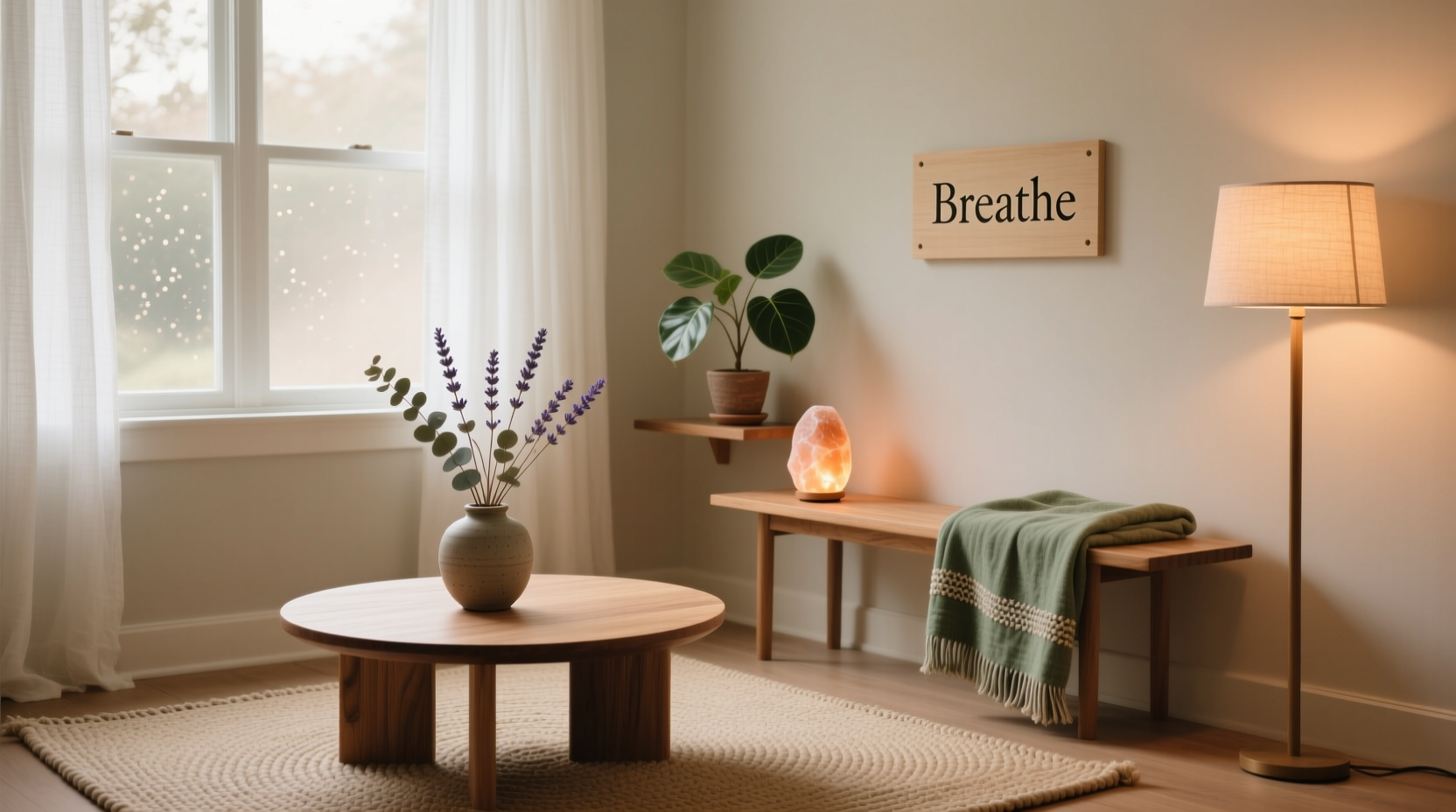
Environmental psychology confirms that physical spaces influence mood, cognition, and physiological responses. Cluttered, chaotic environments increase cortisol—the stress hormone—while orderly, serene spaces promote relaxation and lower heart rate. A 2021 study published in the *Journal of Environmental Psychology* found that individuals who had access to a quiet, personalized retreat at home reported 34% lower anxiety levels during high-stress periods.
A calming corner works because it engages multiple senses to signal safety to the brain. Elements like soft textures, low lighting, and familiar scents activate the parasympathetic nervous system—the body’s “rest and digest” mode—counteracting the fight-or-flight response triggered by anxiety.
“Designing a space that feels safe and predictable gives the mind permission to let go. It’s not just decorative—it’s therapeutic.” — Dr. Lena Torres, Clinical Psychologist and Mindfulness Researcher
Step-by-Step Guide to Building Your Calming Corner
Creating an effective calming corner follows a deliberate process. Each step enhances both function and emotional resonance. Follow this sequence to build a space that truly supports your well-being.
- Choose the Right Location: Look for a quiet area with minimal foot traffic. Ideal spots include a bedroom nook, a closet repurposed as a meditation space, beneath a staircase, or even a section of a living room shielded by a room divider. The key is privacy and separation from daily distractions.
- Declutter and Simplify: Remove anything unnecessary. This includes electronics, work materials, or items that carry emotional weight (e.g., unpaid bills). A clutter-free zone reduces cognitive load and creates mental clarity.
- Control Lighting: Harsh overhead lights increase alertness, which is counterproductive. Use warm-toned, dimmable lighting such as salt lamps, fairy lights, or adjustable floor lamps. Natural light is ideal during the day, but avoid direct sunlight that may feel overwhelming.
- Select Comfortable Seating: Choose supportive seating that encourages good posture without rigidity. Options include floor cushions, a padded window seat, a rocking chair, or a small loveseat. Add soft throws and pillows made from natural fabrics like cotton or wool.
- Incorporate Sensory Elements: Engage touch, smell, and sound. Include textured blankets, a smooth worry stone, or a fabric wall hanging. Introduce calming scents via essential oil diffusers (lavender, chamomile, or sandalwood) or unscented candles if fragrance sensitivity is a concern.
- Add Personal Meaning: Include items that evoke peace or joy—a photo of a loved one, a meaningful quote framed on the wall, a journal, or a small plant. These personalize the space and deepen its emotional impact.
- Integrate Mindfulness Tools: Keep accessible items that support grounding techniques: a breathing guide card, a gratitude journal, a playlist of calming music, or a small bell for meditation.
Essential Elements: What to Include (and Avoid)
Certain elements enhance calm, while others unintentionally trigger stress. Use the following table as a reference when curating your space.
| Element | Do Include | Avoid |
|---|---|---|
| Lighting | Warm LED bulbs, salt lamps, string lights | Fluorescent lights, bright overhead fixtures |
| Furniture | Cushions, floor mats, ergonomic chairs | Hard surfaces, wobbly or uncomfortable seats |
| Sounds | Nature sounds, white noise machines, soft instrumental music | TVs, loud appliances, ringing phones |
| Scents | Lavender, bergamot, frankincense (via diffuser or sachets) | Strong synthetic air fresheners, chemical cleaners |
| Colors | Soft blues, muted greens, warm neutrals | Bright reds, neon colors, high-contrast patterns |
| Objects | Journals, crystals, plants, inspirational quotes | Work devices, clutter, unfinished projects |
Real-Life Example: Sarah’s Anxiety Relief Nook
Sarah, a 38-year-old project manager in Chicago, struggled with panic attacks after long workdays. Her apartment was small, but she converted a seldom-used alcove beside her bedroom closet into a calming corner. She installed a bamboo mat, added a floor pillow with a soft throw, and hung sheer curtains to visually separate the space.
She placed a small diffuser with lavender oil, a notebook labeled “Gratitude & Release,” and a Bluetooth speaker preloaded with a 5-minute breathwork playlist. Within two weeks of using the space daily—even for just 10 minutes—Sarah noticed a significant reduction in nighttime anxiety. “It became my non-negotiable pause button,” she said. “I don’t need to meditate for hours. Just sitting there, breathing, resets my whole system.”
Checklist: Building Your Calming Corner in 7 Steps
Use this actionable checklist to ensure your calming corner is complete and functional:
- ☐ Identify a quiet, low-traffic area in your home
- ☐ Remove clutter and non-essential items
- ☐ Install soft, warm lighting (avoid blue-white tones)
- ☐ Choose comfortable, supportive seating
- ☐ Add sensory tools: blanket, scent, sound source
- ☐ Include mindfulness aids: journal, breathing guide, calming image
- ☐ Test the space: spend 5–10 minutes there daily for one week and adjust based on comfort
Mindful Maintenance: Keeping Your Corner Effective
A calming corner only works if it remains inviting. Like any self-care practice, it requires upkeep. Dust accumulates, scents fade, and objects lose their emotional charge over time. Set a monthly reminder to refresh your space:
- Wash cushions and throws regularly
- Replace essential oils before they evaporate
- Update journal prompts or inspirational quotes every few months
- Vary music playlists to prevent habituation
- Introduce a new plant or natural object (e.g., seashell, pinecone) to renew sensory engagement
Consistency matters more than perfection. Even five mindful minutes in your corner each day can recalibrate your nervous system. The goal isn’t to escape reality, but to create a buffer between external chaos and internal balance.
FAQ: Common Questions About Calming Corners
Can I share my calming corner with someone else?
While the space should primarily serve your needs, it can be shared—if boundaries are respected. If a partner or child uses it, establish guidelines (e.g., no screens, limited duration). For households with multiple users, consider rotating access or creating individual mini-corners with personal items.
What if I don’t have any extra space?
No dedicated space? No problem. Transform a closet, the space under a desk, or even the corner of your bed. Use a folding screen or curtain to define the area. A portable “calm kit” with an eye mask, earplugs, and a small journal can also be used in any room.
How long should I spend in the calming corner?
Start with 5–10 minutes daily. Use it during transitions—after work, before bed, or during a stressful moment. Over time, you may extend sessions to 20–30 minutes for deeper relaxation or meditation. Listen to your body; the space should feel restorative, not like another obligation.
Conclusion: Make Peace Accessible
Anxiety doesn’t disappear overnight, but your ability to respond to it can transform dramatically. A calming corner is more than a design trend—it’s an act of self-respect. By carving out a space dedicated to stillness, you send a message to yourself: your peace matters.
You don’t need a perfect home or endless resources. You need intention, a few thoughtful choices, and the willingness to prioritize your mental health. Start small. Begin with a cushion and a candle. Build from there. In time, this quiet corner may become the most vital room in your house—not because of what it contains, but because of what it allows you to reclaim: presence, breath, and calm.




 浙公网安备
33010002000092号
浙公网安备
33010002000092号 浙B2-20120091-4
Comments
No comments yet. Why don't you start the discussion?