
For many people, the quiet of night doesn’t bring peace—it amplifies thoughts. When the day’s distractions fade, anxiety often takes center stage. Racing thoughts, physical tension, and emotional restlessness can turn bedtime into a battleground. Yet, a well-crafted nighttime routine isn’t just about falling asleep; it’s about signaling safety to the nervous system. With intentional habits, you can transform your evenings from sources of stress into anchors of calm. This guide explores practical, evidence-based methods to build a nighttime ritual that quiets the mind, soothes the body, and prepares you for restorative sleep.
Why Nighttime Anxiety Disrupts Sleep
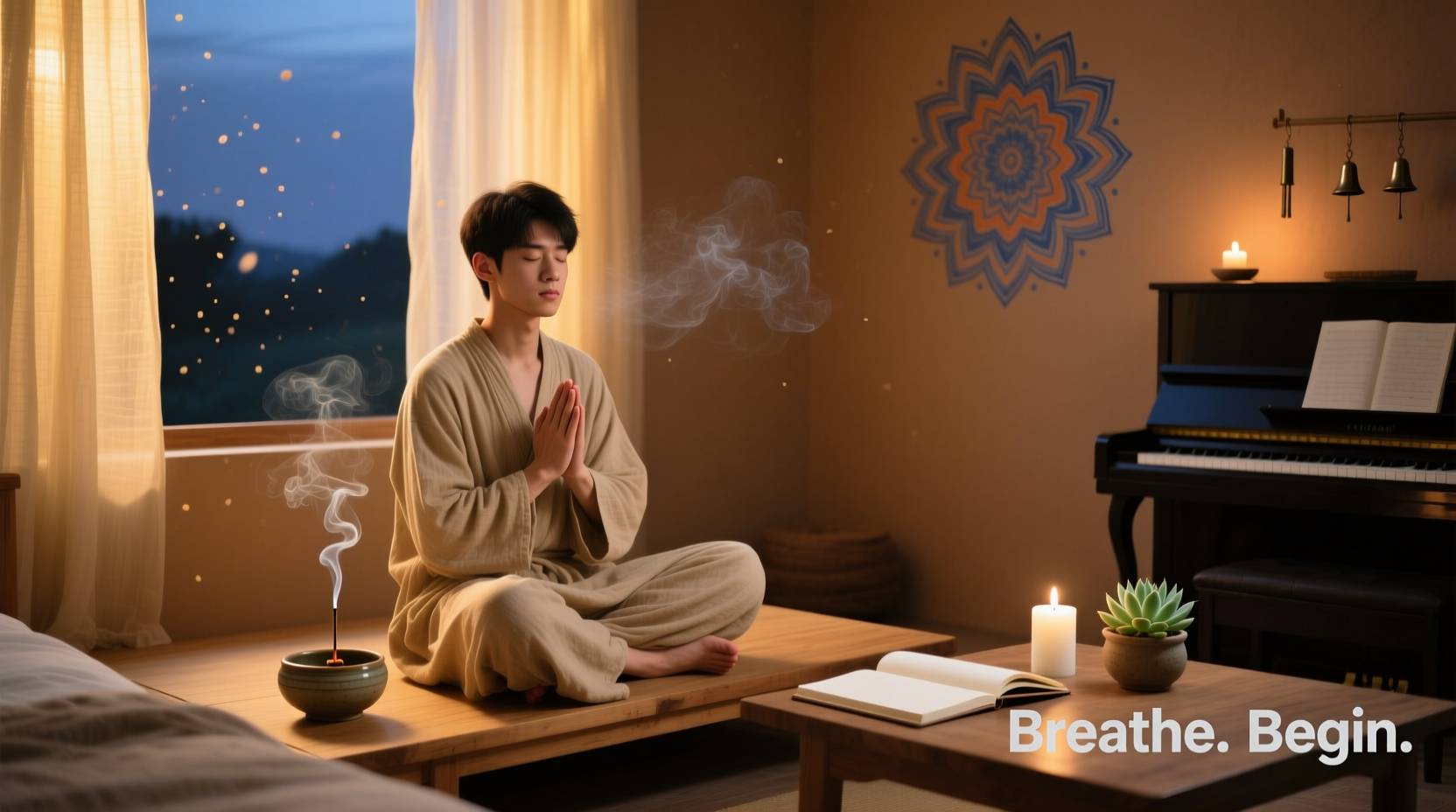
Anxiety and sleep share a bidirectional relationship: poor sleep fuels anxiety, and anxiety undermines sleep. As daylight fades, the brain shifts from external focus to internal processing. For those prone to rumination, this transition can trigger cycles of worry—replaying past conversations, anticipating tomorrow’s challenges, or catastrophizing over unresolved issues.
The body responds in kind. Elevated cortisol, increased heart rate, and muscle tension signal danger even when none exists. Over time, this creates a conditioned response: the bed becomes associated not with rest, but with alertness and discomfort. Breaking this cycle requires more than willpower—it demands a structured approach that reprograms both mind and environment.
“An anxious mind at night is often trying to solve problems it feels unprepared for. A consistent routine provides predictability, which is inherently calming.” — Dr. Lena Torres, Clinical Psychologist & Sleep Specialist
Step-by-Step Guide to Building Your Calming Routine
A successful nighttime routine spans 60–90 minutes before bed and follows a logical sequence: wind down, release tension, quiet the mind, and prepare the environment. Here’s how to implement each phase deliberately.
- Set a Digital Sunset (60–90 minutes before bed)
Blue light from screens suppresses melatonin, delaying sleep onset. More importantly, digital content—emails, social media, news—often triggers cognitive arousal. Choose a cutoff time and stick to it. Replace screen use with low-stimulus activities like reading a physical book, sketching, or light stretching. - Engage in Gentle Physical Release
Muscle tension stores anxiety. Incorporate 10–15 minutes of gentle movement: yoga stretches (child’s pose, legs-up-the-wall), progressive muscle relaxation, or a short walk. Avoid vigorous exercise within three hours of bedtime, as it elevates core temperature and adrenaline. - Practice Mindful Transitions
Create a symbolic boundary between “active” and “rest” modes. Light a candle, brew caffeine-free tea (chamomile, passionflower), or play soft instrumental music. These sensory cues train the brain to associate specific actions with relaxation. - Journal to Empty the Mind
Write down thoughts without filtering. Use two formats: a “brain dump” list of everything on your mind, and a gratitude log with three positive moments from the day. This dual practice acknowledges worries while redirecting focus toward safety and appreciation. - Prepare the Sleep Environment
Dim lights, adjust room temperature (ideal range: 60–67°F), and ensure bedding is comfortable. Consider using blackout curtains, white noise machines, or earplugs if external stimuli disrupt you.
Effective Techniques to Quiet an Anxious Mind
Even with a structured routine, mental chatter may persist. The following techniques are designed to interrupt rumination and activate the parasympathetic nervous system—the body’s natural relaxation pathway.
- Box Breathing (4-4-4-4): Inhale for 4 seconds, hold for 4, exhale for 4, pause for 4. Repeat for 3–5 minutes. This regulates heart rate variability and reduces sympathetic activation.
- Body Scan Meditation: Mentally move attention from toes to head, noticing sensations without judgment. When the mind wanders, gently return focus. Apps like Insight Timer offer free guided versions.
- Visualization: Picture a safe, serene place—real or imagined. Engage all senses: feel warm sand, hear gentle waves, smell salt air. Spend 5–10 minutes deepening the scene.
- Paradoxical Intention: Instead of trying to fall asleep, tell yourself, “I’ll just rest with my eyes closed.” Reducing performance pressure often eases sleep onset.
Mini Case Study: Sarah’s Transformation
Sarah, a 34-year-old project manager, struggled with insomnia for over a year. Her evenings were spent scrolling through work emails until midnight, followed by hours of wakefulness filled with “what ifs.” After consulting a sleep therapist, she implemented a 75-minute routine: digital cutoff at 8:30 PM, 10 minutes of yoga, journaling, and reading fiction under warm lighting. Within three weeks, her sleep efficiency improved from 68% to 89%. “It wasn’t one magic fix,” she said. “It was the consistency. My brain learned that 9 PM meant safety, not stress.”
Common Pitfalls and How to Avoid Them
Even with good intentions, common mistakes can sabotage progress. Recognizing these early increases long-term success.
| Do’s | Don’ts |
|---|---|
| Stick to a consistent bedtime—even on weekends (within 30–60 minutes) | Stay in bed if unable to sleep after 20 minutes |
| Use dim, warm-toned lighting in the evening | Watch intense movies or stressful content before bed |
| Keep the bedroom cool, dark, and quiet | Use the bed for work, eating, or screen use |
| Practice self-compassion when routines falter | Scold yourself for having anxious thoughts |
| Gradually adjust routine timing (15-minute increments) | Try to force sleep through sheer willpower |
Your Nighttime Routine Checklist
To help you get started and stay consistent, follow this actionable checklist every evening:
- ✅ Set a digital cutoff time (e.g., 8:30 PM)
- ✅ Begin winding down with low-light, low-stimulus activity
- ✅ Perform 10 minutes of gentle physical release (stretching, yoga)
- ✅ Journal: write a brain dump and 3 things you’re grateful for
- ✅ Practice a relaxation technique (breathing, meditation, visualization)
- ✅ Prepare the bedroom: cool temperature, minimal light, comfortable bedding
- ✅ Get into bed at the same time nightly (±30 minutes)
- ✅ If awake >20 minutes, get up, do something quiet, then return
Frequently Asked Questions
How long does it take for a new routine to reduce nighttime anxiety?
Most people notice subtle improvements within 1–2 weeks. Significant changes typically emerge after 3–4 weeks of consistent practice. Neurological pathways adapt gradually; patience and repetition are key. Track progress in a sleep diary to recognize small wins.
What if I don’t feel tired at my scheduled bedtime?
It’s normal to feel alert initially, especially if you’ve been going to bed late. Focus on the process, not immediate results. Resting with eyes closed has restorative value, even without sleep. Over time, your circadian rhythm will align with the new schedule. Avoid napping during the day to strengthen sleep drive.
Can supplements help with nighttime anxiety?
Some people find magnesium glycinate, L-theanine, or low-dose melatonin helpful. However, supplements should complement—not replace—a behavioral routine. Consult a healthcare provider before starting any supplement, particularly if taking medications or managing health conditions.
Creating Long-Term Change Through Consistency
The power of a nighttime routine lies not in perfection, but in repetition. Each evening, you’re teaching your nervous system that the world is safe, that uncertainty can be held without panic, and that rest is not a reward earned—but a biological necessity honored. Small rituals accumulate into profound shifts: reduced nighttime awakenings, fewer anxious spirals, and deeper emotional resilience.
Start simple. Choose one or two elements from this guide—perhaps a digital sunset and five minutes of journaling—and build from there. Progress isn’t linear. Some nights will still be difficult. But with each effort, you reinforce a new narrative: that you are capable of creating calm, even in the face of anxiety.
“The most powerful antidote to nighttime anxiety isn’t distraction—it’s presence. A routine gives you a structure to be present without fear.” — Dr. Arjun Patel, Cognitive Behavioral Therapist
Take the First Step Tonight
You don’t need to overhaul your entire evening to begin. Pick one action from the checklist—turn off screens 60 minutes earlier, write down three grateful moments, or try four minutes of box breathing. Implement it tonight. Tomorrow, add another. Over time, these choices compound into a sanctuary of calm.




 浙公网安备
33010002000092号
浙公网安备
33010002000092号 浙B2-20120091-4
Comments
No comments yet. Why don't you start the discussion?