
In the heart of a bustling city, where space is tight and noise is constant, carving out a quiet retreat for reading can feel like a luxury. Yet even in the smallest apartment, a peaceful reading nook is not only possible—it’s essential. Natural light enhances mood, reduces eye strain, and deepens focus, making it a cornerstone of any restful reading environment. The challenge lies in blending functionality, aesthetics, and tranquility within limited square footage. This guide walks you through designing a serene, light-filled corner that invites stillness, supports mental well-being, and transforms your compact living space into a sanctuary for stories.
Why Natural Light Matters in a Reading Nook
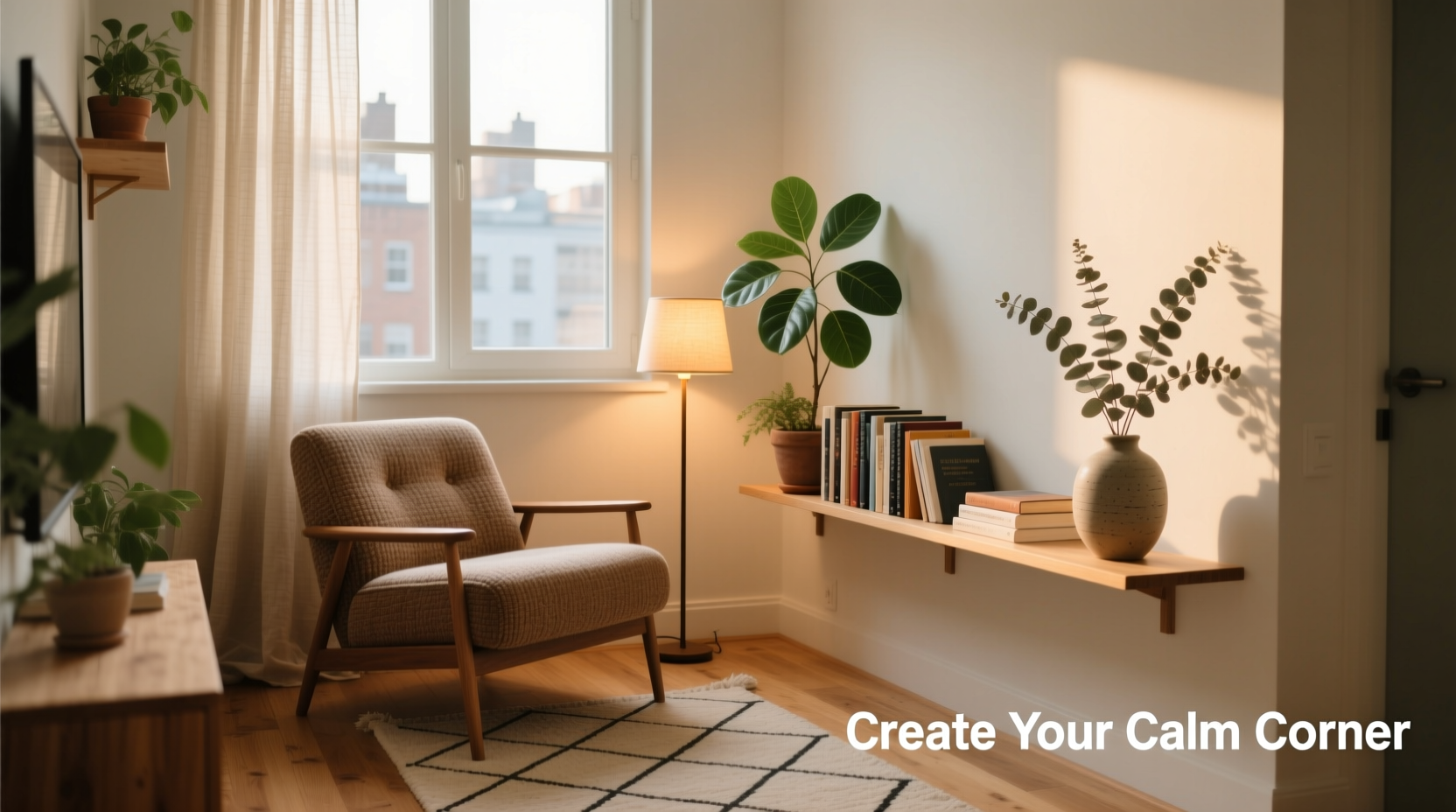
Natural daylight is more than just illumination—it regulates circadian rhythms, improves concentration, and reduces fatigue. When reading under sunlight, especially in the morning or early afternoon, your brain receives signals that promote alertness without the harsh glare of artificial lighting. For those in small apartments, maximizing natural light isn’t just about brightness; it’s about creating an atmosphere of openness and calm.
Large windows or glass doors often serve as the primary light source in urban dwellings. Positioning your reading nook near these areas allows you to harness ambient daylight while minimizing reliance on lamps during the day. However, direct sunlight can cause glare on pages or screens, so strategic placement and shading are crucial.
“Daylight exposure during the day enhances cognitive performance and emotional balance—ideal conditions for immersive reading.” — Dr. Lena Torres, Environmental Psychologist
Step-by-Step Guide to Building Your Nook
Creating a functional and soothing reading space in a compact apartment requires thoughtful planning. Follow this timeline to build your nook efficiently and effectively.
- Assess Available Space (Day 1): Identify corners near windows, unused alcoves, or underutilized areas beside a bedroom or living zone. Measure dimensions to ensure furniture will fit comfortably.
- Clear and Declutter (Day 2): Remove unnecessary items from the chosen spot. A minimalist foundation enhances the sense of calm and makes room for intentional additions.
- Select Comfortable Seating (Day 3): Choose a chair, floor cushion, or window seat that supports good posture. Prioritize ergonomics over style—your back will thank you after long reading sessions.
- Optimize Light Exposure (Day 4): Test the area at different times of day. Use sheer curtains or adjustable blinds to diffuse bright midday sun while maintaining visibility.
- Add Layered Lighting (Day 5): Install a small floor lamp or wall-mounted reading light for evenings. Warm-toned bulbs (2700K–3000K) mimic sunset hues and support relaxation.
- Personalize with Calming Elements (Day 6): Introduce soft textiles, plants, and meaningful decor. Keep surfaces minimal to avoid visual clutter.
- Finalize Storage Solutions (Day 7): Incorporate compact shelving or a side table to hold books, tea, or reading glasses—within arm’s reach but out of the way.
Furniture and Layout: Making the Most of Minimal Space
In small apartments, every piece of furniture must earn its place. A reading nook should enhance—not obstruct—flow and function. Consider foldable or multi-use options: a storage ottoman doubles as seating and book storage; a wall-mounted drop-leaf table holds your drink and folds away when not in use.
Chairs with slim profiles—like a molded Eames-style rocker or a Scandinavian-inspired armchair—offer comfort without dominating the space. If floor space is extremely limited, transform a bay window into a built-in bench with padded cushions and low shelves underneath.
| Furniture Type | Best For | Space-Saving Tip |
|---|---|---|
| Compact Armchair | Tight corners with window access | Choose one with exposed legs to create visual lightness |
| Floor Pouf or Bean Bag | Flexible, movable setups | Pick washable fabric for easy maintenance |
| Window Seat | Alcoves or wide sills | Add lift-up storage beneath for seasonal books |
| Folding Side Table | Tiny footprints | Mount it to the wall or chair frame |
Avoid bulky designs or dark-colored pieces that absorb light and make the area feel cramped. Instead, opt for light neutrals—ivory, beige, soft gray—or muted pastels that reflect daylight and contribute to a tranquil palette.
Designing for Sensory Calm
A truly calming nook engages more than just sight. It should soothe touch, sound, and even smell. Begin with tactile comfort: layer a wool-blend throw over your chair, add a faux-fur rug underfoot, or include a knitted pillow for lumbar support. These textures invite lingering and signal relaxation to the nervous system.
To manage urban noise, consider acoustic solutions. A small indoor fountain adds gentle white noise, masking street sounds. Alternatively, hang fabric wall panels or a tapestry behind your seat to dampen echoes. Noise-canceling headphones with nature soundscapes are another discreet option.
Scent plays a subtle but powerful role. A reed diffuser with lavender or sandalwood promotes mindfulness, while a beeswax candle offers soft glow and clean aroma—just keep flames away from books and curtains.
Integrating Nature Indoors
Natural light feels even more restorative when paired with living greenery. Houseplants improve air quality, reduce stress, and reinforce the connection between your nook and the outdoors. In small spaces, vertical gardening is ideal: install a narrow shelf with trailing pothos or snake plants in hanging macramé planters.
Low-light tolerant species thrive near north-facing windows or in shaded corners:
- ZZ Plant – Nearly indestructible, drought-resistant
- Peace Lily – Purifies air, blooms indoors
- Cast Iron Plant – Tolerates neglect and low light
- Spider Plant – Safe for pets, produces “pups” for gifting
For a bolder statement, a single tall fiddle-leaf fig in a ceramic pot can act as a natural room divider, subtly defining your nook without walls.
“Bringing nature inside—even symbolically—reduces mental fatigue and increases feelings of safety and restoration.” — Naomi Reed, Biophilic Design Consultant
Real Example: Maria’s Brooklyn Walk-Up Transformation
Maria, a freelance editor in a 450-square-foot Brooklyn studio, struggled to find time to read amid work and city life. Her apartment had one large east-facing window, but the corner beside it was cluttered with mail, shoes, and an old folding table.
Over a weekend, she cleared the area and installed a slim rattan armchair with a removable cushion. She hung a lightweight linen curtain to soften morning glare and added a wall-mounted oak shelf for her current reads. A small sheepskin rug grounded the space, and a trailing philodendron climbed a nearby trellis.
She placed a dimmable LED reading lamp on a magnetic wall clip—removable and cordless—so it wouldn’t clutter the floor. Within days, Maria found herself spending 20–30 minutes each morning with tea and a novel before starting work. “It’s not just a chair,” she said. “It’s where my mind resets.”
Checklist: Building Your Calming Reading Nook
Use this checklist to ensure every element supports peace and practicality:
- ✅ Choose a spot with consistent natural light (near a window or glass door)
- ✅ Select ergonomic, space-efficient seating
- ✅ Add sheer or adjustable window coverings to control glare
- ✅ Include warm, dimmable artificial lighting for evening use
- ✅ Layer in soft textiles (throw, cushion, rug) for comfort
- ✅ Introduce at least one low-maintenance houseplant
- ✅ Provide accessible storage for books and reading accessories
- ✅ Minimize visual clutter—keep only what brings calm or utility
- ✅ Enhance acoustics with fabric, sound-absorbing materials, or ambient audio
- ✅ Personalize with one meaningful object—a framed quote, handmade mug, or souvenir
Common Mistakes to Avoid
Even well-intentioned designs can fall short. Watch out for these pitfalls:
| Mistake | Why It Hurts the Nook | Better Alternative |
|---|---|---|
| Placing the chair directly in harsh sunlight | Causes glare and overheating; uncomfortable for prolonged reading | Angle seating slightly away from the window; use translucent shades |
| Overcrowding with decor | Creates visual noise, undermining relaxation | Follow the “one in, one out” rule for new items |
| Ignoring ergonomics | Leads to neck or back pain, discouraging use | Test seating with a book in hand before finalizing |
| Using cool, bright overhead lights | Feels clinical and disrupts melatonin at night | Opt for warm, directional task lighting |
FAQ
Can I create a reading nook without a window?
Yes, though natural light is ideal. Use mirrors to reflect light from other rooms, maximize ceiling brightness with layered fixtures, and simulate daylight with full-spectrum bulbs. Position the nook near the brightest available source, even if indirect.
How do I keep the space organized in a tiny apartment?
Use vertical storage: wall shelves, pegboards, or ladder racks. Limit the number of books on display to five or fewer—rotate based on what you’re reading. Store off-season titles elsewhere or digitize them.
What if my apartment gets too much sun?
Install roller shades, bamboo blinds, or UV-filtering window film. Position your seat so sunlight falls beside or behind you, not directly on the page. Light-colored furniture and reflective surfaces help distribute brightness evenly without hotspots.
Conclusion
A calming reading nook in a small apartment isn’t a matter of square footage—it’s a commitment to intentionality. By leveraging natural light, choosing mindful furnishings, and designing for sensory ease, you create more than a place to read. You cultivate a ritual of pause in a world that rarely slows down. Whether it’s ten minutes with poetry at dawn or a novel before bed, this quiet corner becomes a refuge for focus, reflection, and joy.




 浙公网安备
33010002000092号
浙公网安备
33010002000092号 浙B2-20120091-4
Comments
No comments yet. Why don't you start the discussion?