
The holiday season often brings excitement, but for individuals on the autism spectrum, it can also introduce overwhelming sensory experiences. Bright lights, loud music, strong scents, and unpredictable changes in routine can trigger anxiety or meltdowns. One of the most iconic — and potentially overstimulating — symbols of Christmas is the decorated tree. However, with thoughtful planning, you can transform this tradition into a calming, inclusive experience.
A sensory-friendly Christmas tree isn’t about stripping away joy; it’s about redefining it. By focusing on comfort, predictability, and personal preference, families can preserve the magic of the season while respecting sensory sensitivities. This guide offers practical strategies for designing a tree that feels safe, inviting, and meaningful — not just visually appealing.
Understanding Sensory Needs During the Holidays
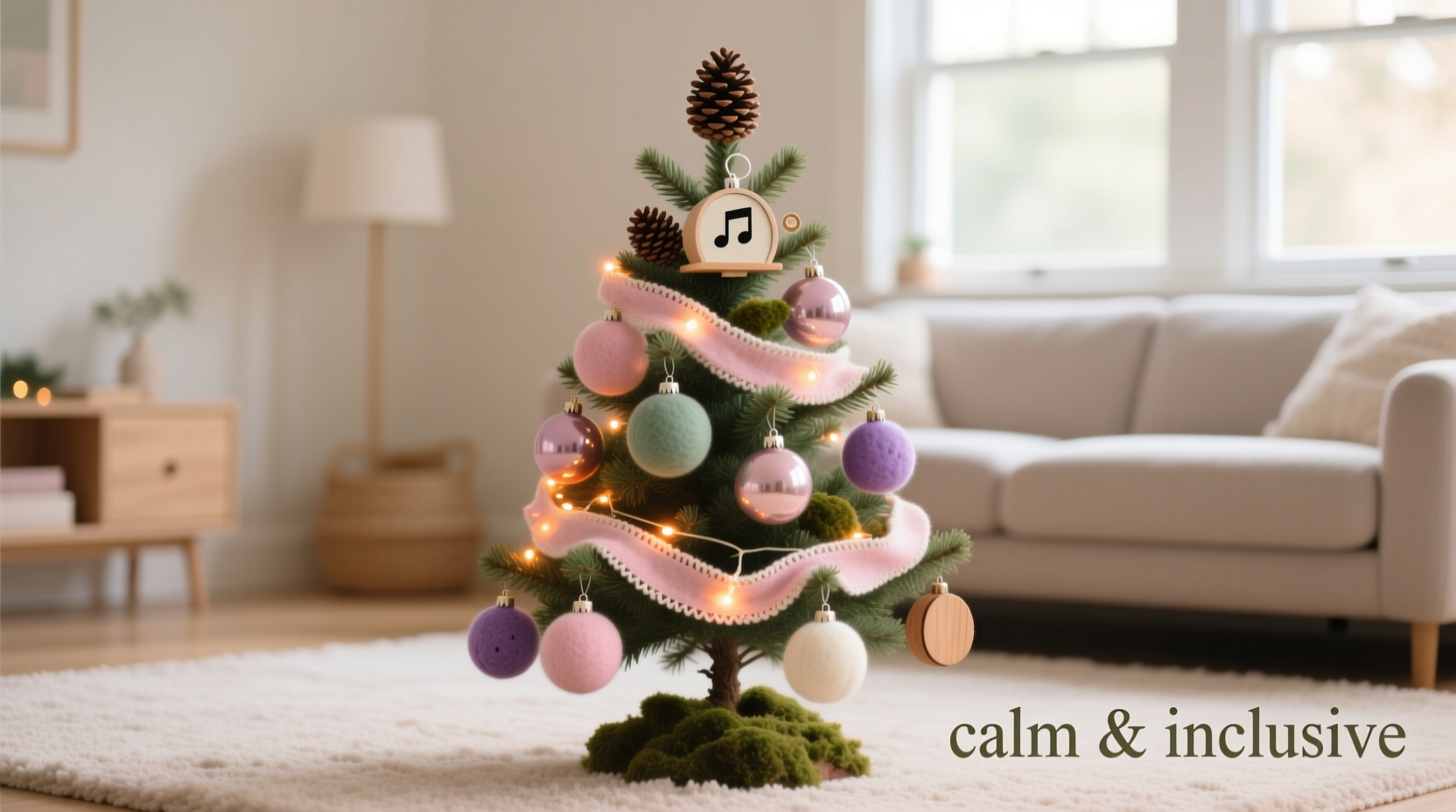
For many autistic individuals, sensory processing differences mean that typical holiday environments can be distressing. A standard Christmas tree might feature flashing multicolored lights, jingling ornaments, overpowering pine smells, and crowds gathered around it — all potential triggers. The key is recognizing that celebration doesn't require sensory overload.
Sensory sensitivities vary widely. Some may be hypersensitive to light (especially flickering), while others are more affected by sound, texture, or smell. Creating a calming tree starts with observing individual reactions and preferences. Does your child cover their eyes near twinkling lights? Do they avoid touching certain materials? These cues inform every design decision.
Occupational therapists emphasize the importance of environmental control during high-sensory periods like holidays. According to Dr. Rebecca Kennedy, pediatric OT and sensory integration specialist:
“Holiday traditions should support emotional regulation, not undermine it. A sensory-friendly space doesn’t mean less festive — it means more thoughtfully joyful.” — Dr. Rebecca Kennedy, OTR/L
Step-by-Step Guide to Building Your Calming Tree
Creating a sensory-friendly Christmas tree involves intentional choices at every stage. Follow this timeline to build an environment that honors both tradition and well-being.
- Choose the Right Time to Decorate
Pick a low-stress day when routines aren’t disrupted. Involve the individual in deciding when to start. Sudden changes can increase anxiety, so treat decorating as a gradual process, not a single event. - Select a Suitable Location
Place the tree in a quiet corner away from heavy foot traffic, loud appliances, or bright overhead lighting. Ensure there's enough space to move around comfortably without accidental bumps. - Pick a Low-Scent or Artificial Tree
Real pine trees emit strong natural odors that some find overwhelming. Opt for a high-quality artificial tree with minimal off-gassing. Let it air out before assembly, and avoid sprays or scented additives. - Use Soft, Non-Flickering Lighting
Replace traditional blinking or strobe-effect lights with steady, warm-white LED string lights. Look for dimmable options so brightness can be adjusted throughout the day. - Decorate with Purpose, Not Quantity
Less is more. Choose a few meaningful ornaments made from preferred textures — wood, felt, soft fabric, or smooth ceramic. Avoid anything that dangles excessively or makes noise when touched. - Incorporate Personal Interests
Include decorations related to special interests: favorite animals, colors, shapes, or characters. This increases engagement and emotional connection to the tree. - Add Interactive Elements (Optional)
If appropriate, include touch-safe items like a soft star topper, a knitted stocking, or a fabric garland. These invite gentle interaction without pressure to participate. - Establish a Viewing Routine
Introduce the lit tree gradually. Start with just 5 minutes of viewing per day, increasing only if tolerated. Pair it with a calming activity like reading a holiday book or listening to soft instrumental music.
Do’s and Don’ts: Sensory-Friendly Tree Decorations
| Do | Don’t |
|---|---|
| Use warm-white, non-flickering LED lights | Use flashing, strobing, or rainbow-colored lights |
| Choose soft, matte-finish ornaments | Hang shiny, reflective, or metallic decorations |
| Incorporate familiar textures (felt, fleece, wood) | Use scratchy tinsel, glass, or fragile items |
| Include quiet, visual interest (e.g., snowflake cutouts) | Add musical ornaments or jingle bells |
| Keep spacing between decorations generous | Overcrowd the tree with too many items |
Real Example: The Miller Family’s Sensory-Safe Tree
The Millers have two children, one of whom is autistic and highly sensitive to visual stimuli. In past years, their son Leo would retreat to his room when the Christmas tree went up, overwhelmed by the bright, blinking lights and cluttered ornaments.
Last year, they redesigned their approach. They chose a small artificial tree and placed it in Leo’s playroom, where he felt safest. Instead of traditional lights, they used a single strand of warm-white LEDs set to half brightness. Ornaments were limited to five: each representing a different animal from his favorite nature documentary.
They added a soft blue felt star topper — Leo’s preferred color — and hung a handmade garland of wooden beads. Most importantly, they let Leo decide when to see the tree. On the first night, he viewed it for three minutes. By Christmas Eve, he was sitting beside it for 20 minutes, quietly arranging toys nearby.
“It wasn’t the tree we used to make,” says Sarah Miller. “But it was the first year Leo didn’t hide. That meant everything.”
Checklist: Build Your Own Calming Tree
- ☐ Assess individual sensory preferences (light, sound, touch, smell)
- ☐ Choose a quiet, accessible location for the tree
- ☐ Select a low-odor artificial tree (or ventilate a real one)
- ☐ Use dimmable, steady-warm LED lights only
- ☐ Avoid noisy, shiny, or fragile decorations
- ☐ Limit number of ornaments; prioritize meaning over volume
- ☐ Incorporate favorite colors, themes, or interests
- ☐ Allow gradual exposure to the lit tree
- ☐ Create a backup plan (e.g., unplug lights quickly if needed)
- ☐ Invite participation — but never force it
FAQ: Common Questions About Sensory-Friendly Trees
Can I still involve my child in decorating if they’re nonverbal?
Absolutely. Communication isn’t limited to speech. Offer choices through pictures, gestures, or pointing. Present two ornament options and let them indicate preference. Watch for body language — leaning toward an item, touching it, or turning away — as valid forms of input.
What if other family members want a traditional, flashy tree?
Consider having two trees: one sensory-friendly version in a calm space for your child, and another more traditional one in a common area. This respects everyone’s needs without compromise. Explain to guests that the quieter tree is part of inclusive holiday joy, not a limitation.
Are there alternatives to a full tree?
Yes. Some families opt for a tabletop tree, a wall-mounted silhouette, or even a “tree” made of stacked books or fabric branches. The symbol matters more than the structure. Focus on creating a ritual — like adding one decoration daily — rather than the physical object itself.
Conclusion: Celebrating Differently, But Deeply
A calming, sensory-friendly Christmas tree isn’t a lesser version of a tradition — it’s a wiser, kinder one. It acknowledges that joy looks different for everyone and that inclusion begins at home. By tuning into sensory needs, you’re not removing magic; you’re making space for someone to experience it in their own way.
This holiday season, let your tree reflect more than decoration — let it reflect understanding. Whether it glows softly in a quiet room or stands simply with a few meaningful touches, it can still carry the spirit of connection, safety, and peace.




 浙公网安备
33010002000092号
浙公网安备
33010002000092号 浙B2-20120091-4
Comments
No comments yet. Why don't you start the discussion?