
A workspace should be more than just functional—it should support mental clarity, emotional balance, and sustained productivity. In today’s fast-paced digital environment, where many of us spend hours at a desk, the atmosphere we work in plays a crucial role in our overall well-being. One of the most effective yet underutilized strategies for cultivating a serene and focused environment is the intentional use of lighting and indoor plants. When combined thoughtfully, these two elements can transform a sterile or chaotic desk setup into a sanctuary of calm. This guide explores how to leverage natural and artificial light, along with strategic greenery, to create a workspace that nurtures both mind and body.
The Role of Light in Mental and Emotional Balance
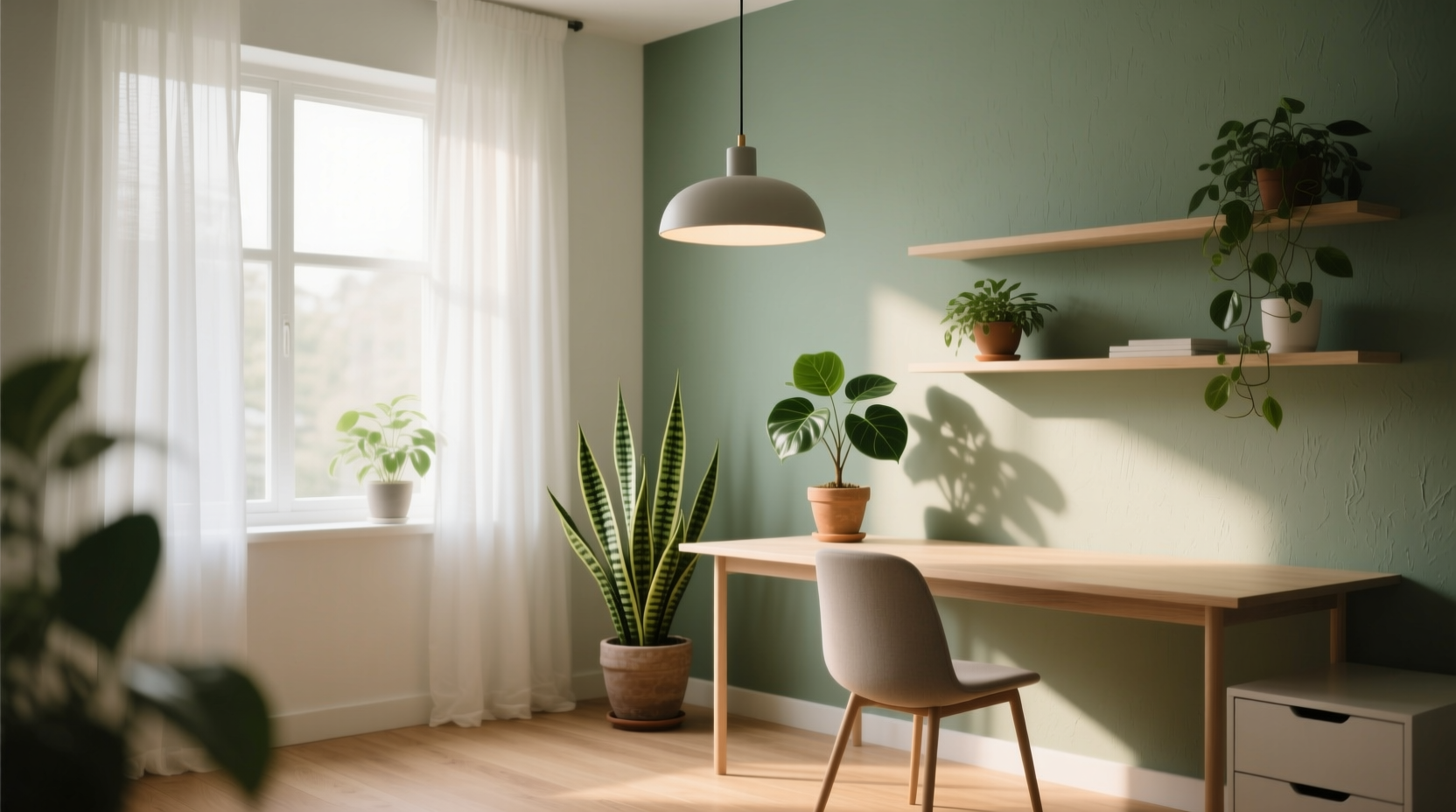
Lighting influences more than visibility—it directly affects circadian rhythms, hormone production, and cognitive performance. Poor lighting can lead to eye strain, fatigue, irritability, and difficulty concentrating. On the other hand, well-balanced lighting supports alertness during the day and relaxation when needed.
Natural daylight is the gold standard. Exposure to sunlight helps regulate melatonin and cortisol levels, improving sleep quality and daytime energy. However, not all workspaces have access to abundant natural light. The key is to simulate its benefits as closely as possible through layered lighting design.
Types of Lighting and Their Effects
Effective workspace lighting involves three layers: ambient, task, and accent lighting. Each serves a distinct purpose and contributes to a balanced visual environment.
- Ambient lighting provides general illumination. Overhead lights or ceiling fixtures fall into this category. Avoid harsh fluorescent bulbs; opt for warm-white LEDs (between 2700K–3500K) to reduce visual stress.
- Task lighting focuses on specific areas like your keyboard or reading material. A high-CRI (Color Rendering Index) desk lamp allows you to see colors accurately and reduces eye fatigue.
- Accent lighting adds depth and warmth. This could include small LED strips behind monitors or under shelves, creating soft backlighting that minimizes screen contrast.
“Lighting is one of the most powerful environmental cues we have. A well-lit workspace can improve mood by up to 40% compared to poorly lit environments.” — Dr. Lena Patel, Environmental Psychologist
Bringing Nature Indoors: The Science of Plants in Workspaces
Introducing plants into a workspace does more than add aesthetic appeal. Numerous studies have shown that indoor greenery reduces stress, enhances concentration, and improves air quality. The presence of plants has been linked to lower systolic blood pressure and reduced self-reported anxiety in office workers.
Plants engage what psychologists call “soft fascination”—a gentle form of attention that allows the brain to rest without boredom. Unlike digital distractions, which demand intense focus, observing a gently swaying leaf or the texture of foliage gives the mind a quiet break, supporting mental recovery during long work sessions.
Choosing the Right Plants for Calm
Not all houseplants are equally suited for office environments. Ideal candidates are low-maintenance, thrive in indirect light, and contribute to air purification. Here are some top choices:
| Plant | Benefits | Light Needs | Care Level |
|---|---|---|---|
| Snake Plant (Sansevieria) | Releases oxygen at night, filters formaldehyde and benzene | Low to bright indirect | Very Low |
| ZZ Plant (Zamioculcas zamiifolia) | Drought-tolerant, removes toxins, highly resilient | Low | Low |
| Pothos (Epipremnum aureum) | Fast-growing, purifies air, trails beautifully | Bright indirect | Low |
| Peace Lily (Spathiphyllum) | Humidifies air, blooms indoors, removes mold spores | Medium to low | Moderate |
| Parlor Palm (Chamaedorea elegans) | Soft texture, increases perceived humidity, non-toxic | Low to medium | Low-Moderate |
Strategic Placement: Where to Position Lights and Plants
The location of your lighting and greenery matters as much as the items themselves. Poor placement can cause glare, block airflow, or make care routines cumbersome. Thoughtful arrangement ensures both functionality and tranquility.
Lighting Layout Principles
- Avoid overhead glare. If using ceiling lights, diffuse them with shades or bounce light off walls rather than shining directly onto your desk.
- Position task lights to the side. Place your desk lamp on the opposite side of your dominant hand to prevent shadows. For right-handed users, this means left-side placement.
- Use dimmers or adjustable color temperature. Shift from cooler (5000K) tones in the morning for alertness to warmer (3000K) tones in the afternoon to ease transition into evening.
- Minimize blue light after sunset. If working late, switch to amber or red-hued lighting to protect melatonin production.
Plant Placement Guidelines
- Left or right corner of the desk: A single statement plant (like a snake plant) adds visual balance without cluttering your primary workspace.
- Behind the monitor: Trailing plants like pothos or ivy soften hard edges and reduce visual fatigue caused by rectangular screens.
- Near natural light sources: Cluster shade-tolerant plants near windows to maximize photosynthesis while maintaining clear sightlines.
- Floor level: Taller plants such as fiddle-leaf figs or dracaenas can anchor the space and create a sense of enclosure, promoting psychological safety.
“In biophilic design, it’s not just about having plants—it’s about integrating them in ways that feel organic and unforced. Placement should follow flow, not force.” — Marcus Tran, Interior Ecologist and Author of *Nature at Work*
Step-by-Step Guide to Building Your Calming Workspace
Transforming your desk area doesn’t require a full renovation. Follow this practical sequence to gradually enhance your environment with lighting and plants.
- Assess current lighting. Turn off all lights and observe natural light patterns throughout the day. Note where shadows fall and where glare occurs.
- Replace harsh bulbs. Swap out cool-white or flickering bulbs with warm-white, high-CRI LEDs (preferably dimmable).
- Add a quality task lamp. Choose one with adjustable arms and brightness settings. Position it to illuminate your work surface without reflecting off the screen.
- Select 2–3 easy-care plants. Start with snake plant, ZZ plant, or pothos—species known for resilience and air-purifying qualities.
- Arrange plants strategically. Place taller ones behind or beside your monitor, and smaller ones in corners or on shelves within eye-level peripheral vision.
- Incorporate subtle accent lighting. Install LED strips under shelves or behind your monitor to soften contrasts and reduce eye strain.
- Monitor and adjust. After one week, evaluate comfort levels. Are you squinting? Feeling tense? Adjust lamp angles or plant positions accordingly.
Real-Life Example: Transforming a Home Office Corner
Sophie, a freelance graphic designer in Portland, struggled with afternoon fatigue and frequent headaches. Her workspace was tucked into a dim hallway with only an overhead fluorescent fixture and no windows. She often worked late, exacerbating her insomnia.
She began by replacing the overhead bulb with a warm-dimmable LED and adding a flexible-arm desk lamp with adjustable color temperature. Next, she introduced a snake plant in the far corner and a trailing pothos on a floating shelf above her desk. Finally, she installed a soft white LED strip behind her monitor.
Within two weeks, Sophie reported fewer headaches, improved focus during creative tasks, and an easier wind-down after work. “It feels less like I’m staring into a cave,” she said. “The plants give it life, and the lighting doesn’t punch me in the eyes anymore.”
Common Mistakes to Avoid
Even with good intentions, missteps can undermine your efforts. Be mindful of these pitfalls:
| Mistake | Why It’s Problematic | Better Alternative |
|---|---|---|
| Using only overhead lighting | Creates flat, shadowless light that feels institutional | Layer ambient, task, and accent lighting |
| Overcrowding the desk with plants | Reduces usable space and increases maintenance burden | Choose 1–3 key plants in optimal locations |
| Placing plants in direct sunlight without acclimation | Causes leaf burn and stress | Gradually introduce to brighter areas or use sheer curtains |
| Ignoring light spectrum needs | Plants decline if given wrong light type | Match plant species to available light (e.g., low-light varieties for dark rooms) |
Frequently Asked Questions
Can I create a calming workspace in a windowless room?
Yes. Use full-spectrum LED bulbs that mimic natural daylight (5000K color temperature) during daytime hours. Combine with multiple low-light-tolerant plants like ZZ or snake plants. Adding a small tabletop fountain or nature sounds can further enhance the sensory experience.
How many plants do I need for a calming effect?
Research suggests that even one visible plant can reduce stress. However, the greatest psychological benefits occur when there are at least three plants in view. The key is visibility and connection—not quantity alone.
Is smart lighting worth the investment?
For those sensitive to light or working irregular hours, yes. Smart bulbs allow scheduling, color tuning, and gradual brightness changes that align with circadian rhythms. They can automatically shift from energizing white light in the morning to soothing amber tones in the evening.
Final Thoughts and Call to Action
A calming workspace isn’t a luxury—it’s a necessity for sustained focus, emotional equilibrium, and long-term well-being. By rethinking how you use light and greenery, you can turn any desk into a restorative environment that supports both productivity and peace. Start small: replace one bulb, add one plant, adjust one lamp angle. These subtle changes accumulate into meaningful shifts in how you feel while working.
You don’t need a redesign budget or architectural overhaul. What matters most is intentionality. Pay attention to how your space makes you feel, and let that guide your adjustments. Over time, your workspace can become a true refuge—a place where clarity grows alongside your plants, and light nurtures more than just visibility.




 浙公网安备
33010002000092号
浙公网安备
33010002000092号 浙B2-20120091-4
Comments
No comments yet. Why don't you start the discussion?