
A capsule wardrobe built on neutral colors is often praised for its simplicity, versatility, and timelessness. But many people hesitate, fearing it will result in a dull, monotonous closet. The truth? Neutrals don’t have to be boring. When thoughtfully selected and intentionally styled, a neutral-only capsule can feel rich, sophisticated, and endlessly expressive. The key lies not in the colors themselves, but in texture, proportion, silhouette, and personal intention.
This guide breaks down how to build a dynamic, engaging capsule wardrobe using only neutral tones—without ever reaching for black, white, or beige out of obligation. You’ll learn how to curate depth through tonal variation, elevate your look with fabric contrast, and maintain visual interest through smart layering and accessories. Whether you live in a minimalist aesthetic or simply want a low-maintenance, high-style closet, this approach offers lasting value.
Understanding Neutral Colors Beyond Beige
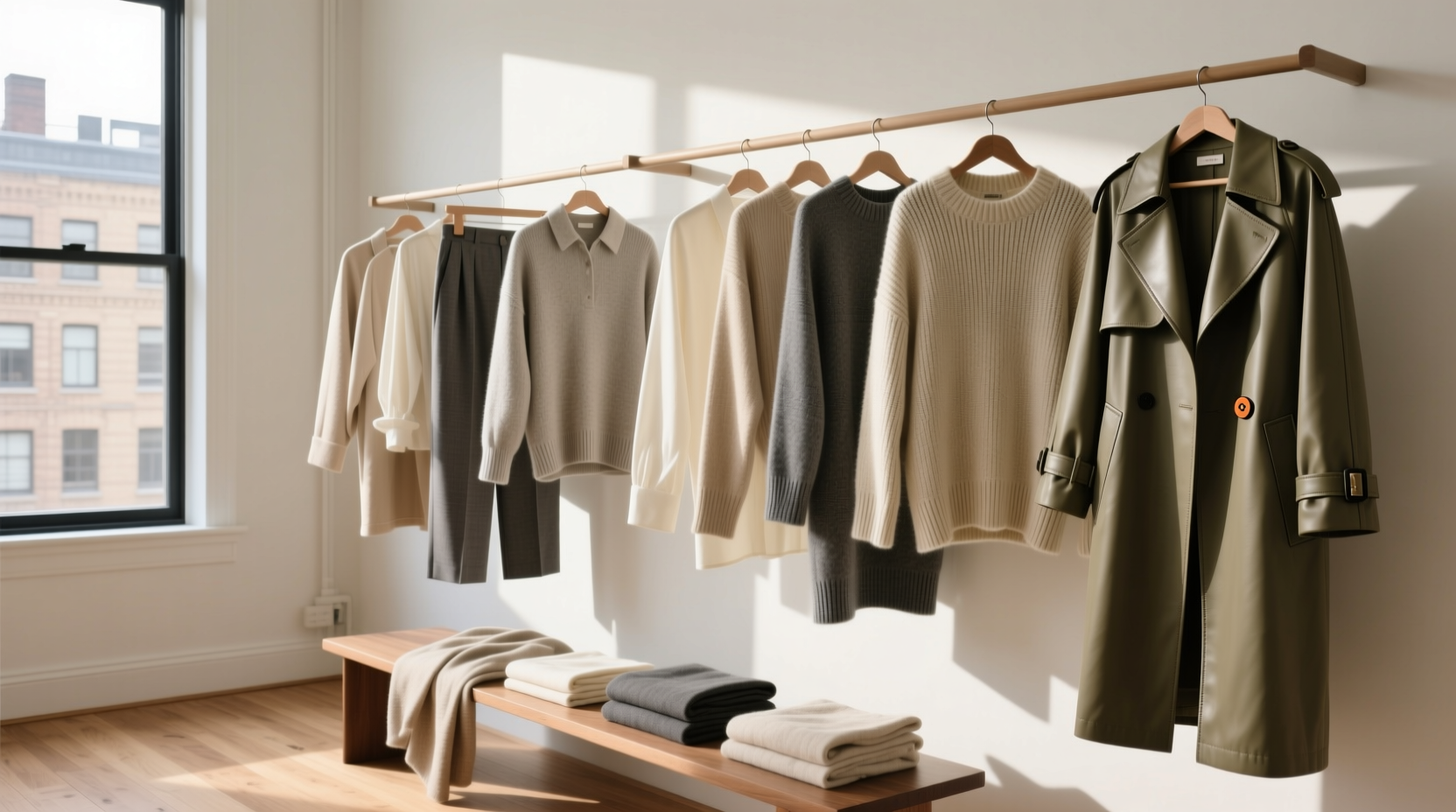
Neutrals are traditionally defined as colors that don’t appear on the standard color wheel—shades like gray, tan, cream, navy, olive, and brown. But limiting your understanding to “beige and black” undermines their potential. Modern neutrals span a wide spectrum of undertones and intensities, offering subtle emotional and stylistic nuances.
Consider these categories of neutral tones:
- Warm Neutrals: Camel, terracotta, warm taupe, honey, sand. These add softness and earthiness.
- Cool Neutrals: Charcoal, slate gray, deep navy, ash beige. They convey structure and calm sophistication.
- True Neutrals: Crisp white, off-white, jet black. These anchor outfits and provide contrast.
- Earthy Neutrals: Olive green, mushroom, chocolate brown. These bridge the gap between neutral and color.
The richness of a neutral-only wardrobe comes from combining shades across these families—not just matching similar tones, but intentionally contrasting them. A camel coat over a charcoal turtleneck, for instance, creates depth without relying on bright accents.
“Neutrality isn’t about absence—it’s about balance. The most elegant wardrobes whisper rather than shout.” — Clara Nguyen, Sustainable Style Consultant
Building Your Capsule: A Step-by-Step Guide
Creating a compelling neutral capsule requires more planning than simply removing colorful items. It’s about curation, cohesion, and intention. Follow this timeline to build a wardrobe that feels both complete and exciting.
- Week 1: Audit & Edit
Pull every clothing item from your closet. Separate into categories: tops, bottoms, outerwear, dresses, shoes, and layers. Remove anything damaged, ill-fitting, or rarely worn. Keep only pieces you love and wear at least seasonally. - Week 2: Identify Your Neutral Palette
From your remaining pieces, extract dominant neutral tones. Use natural light to assess undertones. Group items by warmth or coolness. Choose 4–6 core neutrals that harmonize (e.g., cream, oatmeal, charcoal, olive, camel, black). - Week 3: Fill Gaps Strategically
Determine missing essentials—perhaps a tailored blazer, wide-leg trousers, or a longline cardigan. Prioritize quality fabrics: wool, cashmere, linen, cotton, silk. Focus on timeless silhouettes. - Week 4: Test Outfit Combinations
Create at least 20 mix-and-match looks using only your neutral pieces. Document them mentally or via notes. Adjust if certain items don’t integrate well. - Ongoing: Refine Seasonally
Reassess every 3–6 months. Replace worn items with better versions. Rotate seasonal layers without expanding overall count.
Elevating Neutrals Through Texture and Fabric
Color consistency demands compensation elsewhere—texture becomes your primary tool for visual interest. A flat, all-cotton outfit in varying beiges may read as monotonous. But swap in a ribbed knit, a wool-blend coat, and suede boots, and suddenly the same palette feels layered and dimensional.
Here’s how different textures influence perception:
| Fabric/Texture | Effect | Best Paired With |
|---|---|---|
| Linen | Rustic, breathable, slightly wrinkled elegance | Cotton, canvas, raw denim |
| Wool/Cashmere | Luxurious, structured, temperature-regulating | Silk, fine knits, leather |
| Suede | Soft, tactile, muted sheen | Wool, cotton twill, matte finishes |
| Denim (undyed) | Neutral blue-gray, casual foundation | All earth tones, grays, creams |
| Knit (cable, ribbed, waffle) | Depth, volume, winter warmth | Smooth fabrics like poplin or satin |
For example, pairing a ribbed oatmeal turtleneck with wide-leg linen trousers and a structured camel trench creates movement and contrast—even though all pieces are neutral. The outfit speaks through material dialogue, not chromatic variety.
Real-Life Example: Maya’s 35-Piece Neutral Capsule
Maya, a 38-year-old architect based in Portland, wanted a work-to-weekend wardrobe that required minimal decision fatigue. She disliked bright colors and preferred quiet elegance. After decluttering, she built a 35-piece neutral capsule centered on five tones: cream, warm taupe, charcoal, olive, and black.
Her core includes:
- Three pairs of pants: high-waisted wool blend (taupe), straight-leg denim (gray wash), wide-leg crepe (charcoal)
- Five tops: silk shell (cream), merino crew (olive), striped cotton (cream/black), turtleneck (black), button-down (ecru)
- Two dresses: slip dress (taupe), shirt dress (olive)
- Outerwear: wool coat (camel), utility jacket (undyed canvas), cropped puffer (charcoal)
- Shoes: ankle boots (black), loafers (brown), sneakers (white leather)
She styles her outfits using texture contrasts—silk under wool, cotton with suede—and varies formality with footwear and jewelry. Her favorite combo: the olive turtleneck tucked into charcoal trousers, layered under the camel coat, with black boots and gold hoops. “People think I have a huge closet,” she says. “But I’ve worn every piece at least twice a week for six months. It’s not boring because nothing feels repetitive—I change the mood with how I layer.”
Maintaining Visual Interest Without Color
Avoiding color doesn’t mean avoiding style. Instead, shift your focus to other design elements that shape perception:
- Proportion: Pair oversized pieces with fitted ones. Try a boxy sweater with slim trousers, or a long coat over a short dress.
- Layering: Combine lengths and volumes. A long vest over a tunic top adds complexity without color.
- Hardware & Details: Zippers, buttons, stitching, and belt loops become focal points. A silver zipper on a black coat draws the eye.
- Accessories: Even in a neutral wardrobe, accessories define personality. A woven leather belt, tortoiseshell glasses, or hammered metal earrings add character.
Do’s and Don’ts of a Neutral-Only Capsule
| Do | Don’t |
|---|---|
| Choose neutrals with varied undertones to avoid flatness | Stick rigidly to \"safe\" shades like beige and gray without considering warmth |
| Use texture to differentiate layers and add depth | Dress head-to-toe in the same fabric (e.g., all cotton jersey) |
| Invest in high-quality basics that last years | Compromise on fit to save money |
| Rotate outerwear and shoes seasonally to refresh looks | Add trendy pieces that clash with your core aesthetic |
| Embrace tonal dressing (monochrome in varying shades) | Fear repetition—wearing the same coat often is sustainable and stylish |
FAQ: Common Questions About Neutral Capsules
Can a neutral-only wardrobe still feel seasonal?
Absolutely. Seasonality is expressed through weight, layering, and fabric—not just color. Swap lightweight linen and cotton in summer for heavier wool, flannel, and knits in winter. A camel coat feels inherently autumnal; a crisp white poplin shirt reads as spring-ready.
Won’t everything look the same after a while?
Only if you ignore variation in cut, texture, and styling. Two outfits in cream and gray can feel entirely different—one with a slouchy sweater and combat boots, another with a silk blouse and pointed flats. The brain responds to shape and material as much as hue.
How do I add personality without color?
Personality emerges through curation. Choose pieces that reflect your values—minimalist lines, artisan craftsmanship, vintage details. Accessories are powerful: a watch, scarf, or even your posture can define your aesthetic. Remember, restraint can be a statement.
Your Neutral Capsule Checklist
Before finalizing your wardrobe, run through this checklist to ensure cohesion and versatility:
- ✅ Defined a core palette of 4–6 harmonizing neutral tones
- ✅ Edited out items that don’t align with fit, function, or aesthetic
- ✅ Selected at least 3 distinct textures (e.g., knit, wool, cotton)
- ✅ Included 5 versatile tops and 3 bottoms that mix freely
- ✅ Chosen one statement outerwear piece (coat, jacket, blazer)
- ✅ Added 2–3 pairs of shoes that cover casual, professional, and seasonal needs
- ✅ Incorporated accessories (belts, bags, jewelry) in complementary neutrals
- ✅ Tested at least 15 unique outfit combinations
Conclusion: Embrace Simplicity That Excites
A capsule wardrobe built on neutral colors isn’t a surrender to minimalism—it’s a celebration of intentionality. By removing the distraction of bold hues, you amplify attention to detail, quality, and personal expression through subtlety. The most memorable style moments often come not from loud prints, but from perfect tailoring, thoughtful layering, and confidence in simplicity.
You don’t need color to avoid boredom. You need vision. Start small: edit one category, test a few tonal combinations, notice how texture changes your mood. Build slowly, refine continuously. In time, you’ll find that your neutral capsule doesn’t limit you—it liberates you. Fewer choices mean more clarity. Less clutter means more joy.




 浙公网安备
33010002000092号
浙公网安备
33010002000092号 浙B2-20120091-4
Comments
No comments yet. Why don't you start the discussion?