
Every year, millions of homes are transformed by the glow of Christmas trees, but not every tree leaves a lasting impression. The difference between a cluttered display and a stunning centerpiece often comes down to one key decision: the color palette. A well-chosen and thoughtfully applied color scheme brings unity, elegance, and intentionality to your holiday decor. Rather than collecting ornaments at random, a strategic approach to color can elevate your tree from seasonal decoration to a curated expression of style and mood.
A cohesive Christmas tree isn’t about matching everything perfectly—it’s about creating visual harmony. This means selecting colors that complement each other, balancing textures and tones, and layering elements in a way that feels intentional. Whether you're drawn to traditional red and green, a wintry monochrome scheme, or something bold and unexpected like navy and gold, the principles remain the same. With planning and attention to detail, you can design a tree that feels personal, polished, and profoundly festive.
Choose Your Color Palette with Purpose
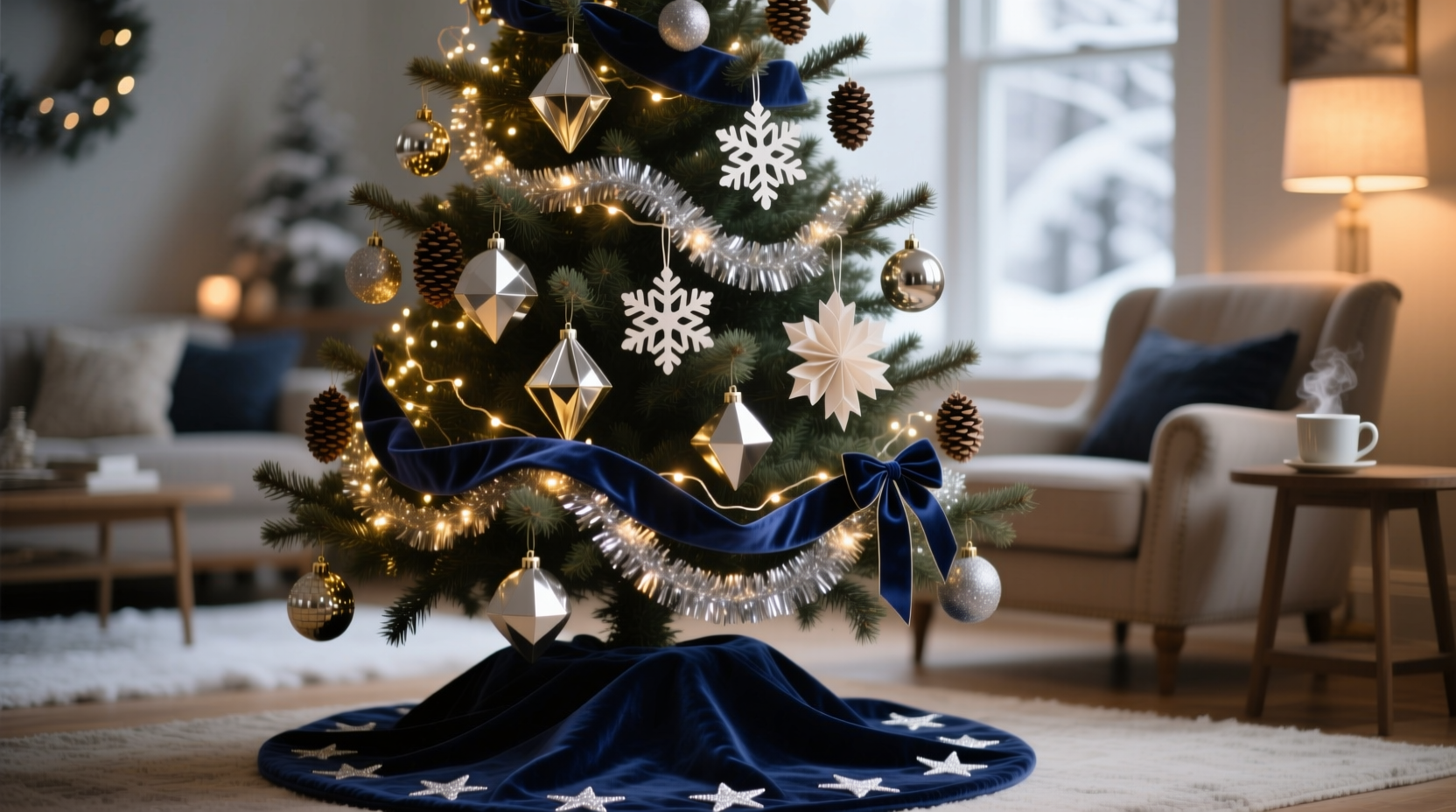
The foundation of any cohesive Christmas tree is its color palette. Start by deciding on a dominant mood or theme—cozy rustic, vintage glamour, modern minimalist, or woodland whimsy, for example. Each aesthetic lends itself to certain colors and materials. For instance, a Scandinavian-inspired tree might feature white, silver, and natural wood tones, while a Southern holiday theme could lean into deep burgundy, sage green, and antique gold.
Limit your main colors to three: one dominant, one secondary, and one accent. This keeps the design focused without feeling flat. Use the 60-30-10 rule as a guide: 60% of the tree should reflect the dominant color (like deep emerald), 30% the secondary (such as cream or blush), and 10% the accent (perhaps rose gold or copper). This ratio ensures balance and prevents any single shade from overwhelming the others.
Consider also the lighting in your room. Warm white lights enhance creamy tones and golds, while cool white or blue-tinted lights amplify silvers and icy hues. If your space has limited natural light, avoid overly dark palettes that may appear muddy. Instead, opt for mid-tone colors with reflective finishes to add brightness.
Build Depth with Texture and Finish
Once you’ve locked in your colors, focus on texture. A tree composed entirely of glossy balls will look flat no matter how perfect the shades. The secret to dimension lies in mixing finishes: matte, shiny, glittered, frosted, woven, and metallic. Even within a single color, varying the surface quality adds interest. For example, a matte white pinecone ornament beside a glittered snowflake ball creates contrast without clashing.
Think beyond glass balls. Incorporate fabric ribbons, felt stars, wooden cutouts, ceramic birds, or even dried citrus slices for organic warmth. These materials naturally come in different sheens and densities, helping break up uniformity. Metallics—gold, silver, copper—act as neutral connectors when used sparingly. They reflect light and tie together disparate elements, making them invaluable in a balanced palette.
“Color sets the tone, but texture tells the story. A great Christmas tree feels rich to the eye, not just the hand.” — Clara Bennett, Interior Stylist & Holiday Designer
When layering textures, distribute them evenly. Avoid clustering all the glittered pieces at the top or placing every matte ornament on one side. Step back frequently while decorating to assess visual weight. Rotate the tree as you work to ensure 360-degree cohesion.
Step-by-Step Guide to Themed Tree Assembly
Creating a cohesive tree isn’t spontaneous—it’s a process. Follow this timeline to build your vision systematically:
- Week 1: Define Theme and Palette
Select your primary, secondary, and accent colors. Gather inspiration from Pinterest, fabric samples, or existing home decor. Write down your choices and stick to them. - Week 2: Audit Existing Decor
Unpack last year’s ornaments. Sort them by color and condition. Set aside pieces that fit your new palette. Donate or store those that don’t align. - Week 3: Purchase Gaps Strategically
Buy only what’s missing—whether it’s additional accent-colored balls, ribbon, or specialty ornaments. Prioritize quality over quantity. One striking handmade piece often outweighs five generic ones. - Week 4: String Lights First
Begin with lights. Use warm white for traditional schemes, cool white for modern or icy themes. Wrap lights from the trunk outward, tucking them deep into branches for an inner glow. - Final Assembly: Layer Ornaments by Size and Color
Start with larger ornaments near the base, medium in the middle, and small at the top. Distribute colors evenly. Add ribbon or garland in flowing waves. Finish with the tree topper and skirt.
Do’s and Don’ts: Maintaining Visual Harmony
To avoid common pitfalls, refer to this simple comparison table that outlines best practices for a unified tree.
| Do | Don’t |
|---|---|
| Stick to a maximum of three main colors | Use more than four dominant colors |
| Mix textures (matte, shiny, metallic) | Use only one type of ornament finish |
| Distribute colors evenly across the tree | Cluster all red or gold ornaments in one area |
| Use lights as a unifying base layer | Add lights after ornaments, risking imbalance |
| Edit ruthlessly—less is often more | Overcrowd the tree with too many decorations |
One of the most frequent mistakes is emotional attachment overriding design sense. It’s okay to retire ornaments that no longer serve your vision. A cohesive tree doesn’t need to include every sentimental piece—save some for future rotations or display them elsewhere in the home.
Real Example: From Cluttered to Cohesive
Sarah, a homeowner in Portland, had collected Christmas ornaments for over 15 years. Her tree was beloved by family but consistently described as “busy.” After her living room received a soft gray and blush redesign, the bright red, neon green, and rainbow glitter ornaments clashed with the serene space.
She decided to refresh her tree using a new palette: blush pink, ivory, and antique gold. She kept only the ornaments that fit—about 40% of her collection. She added matte-finish blush balls, ivory ribbon loops, and delicate gold wire stars. She replaced multicolored lights with warm white LEDs and wrapped the tree skirt in linen with gold stitching.
The result was transformative. Guests commented on the calm, elegant atmosphere the tree created. Sarah didn’t lose sentiment—she framed a few favorite mismatched ornaments as wall art nearby, preserving memories without sacrificing harmony.
Create a Decoration Checklist
Stay organized and ensure nothing is overlooked with this essential checklist:
- ☐ Choose primary, secondary, and accent colors
- ☐ Confirm room lighting complements the palette
- ☐ Inventory current ornaments by color and condition
- ☐ Discard broken or off-theme pieces
- ☐ Purchase missing items (ornaments, ribbon, lights)
- ☐ Select tree topper and coordinating skirt
- ☐ Install lights evenly from bottom to top
- ☐ Hang large ornaments first, then medium, then small
- ☐ Add ribbon or garland in flowing strands
- ☐ Place tree topper and adjust final balance
- ☐ View from multiple angles and distances
- ☐ Take a photo to review composition
Frequently Asked Questions
Can I use patterns or prints on ornaments in a cohesive palette?
Yes, but with caution. Patterns should incorporate only the colors in your chosen scheme. For example, a striped ribbon in blush and ivory works; one with turquoise and yellow does not. Keep patterned items minimal—use them as accents, not focal points.
What if my family insists on adding non-themed ornaments?
Incorporate sentimental pieces thoughtfully. Designate a small branch or lower section for “memory ornaments” in different colors. Alternatively, display them on a separate tabletop tree or in a shadow box. This honors tradition without disrupting the main design.
How do I transition my tree theme year after year without starting over?
Build a flexible foundation. Choose timeless colors like cream, gold, and forest green—they adapt easily to new accents. Store ornaments by color and type so you can remix elements. Each year, change just one accent shade (e.g., from cranberry to plum) to refresh the look without repurchasing everything.
Design with Confidence This Holiday Season
A cohesive Christmas tree isn’t born from chance—it’s crafted with intention. By anchoring your design in a deliberate color palette, enriching it with varied textures, and assembling it with care, you create more than decoration. You create an experience—one that welcomes guests, soothes the senses, and reflects your personal style.
This year, resist the urge to decorate reactively. Plan ahead, edit boldly, and decorate with purpose. Let your tree be a testament not to how many ornaments you own, but to how beautifully they belong together.




 浙公网安备
33010002000092号
浙公网安备
33010002000092号 浙B2-20120091-4
Comments
No comments yet. Why don't you start the discussion?